

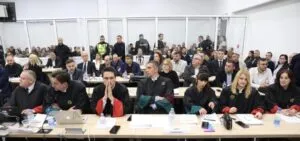
Experts on the Puls fire: the ceiling foam released cyanide as it burned, and the inspector could and should have shut the place down
02.09.2026


02.09.2026
02.09.2026
02.09.2026
02.09.2026
02.09.2026

02.09.2026

02.09.2026
01.09.2026

31.08.2026

02.09.2026

02.09.2026

01.09.2026

02.09.2026

02.09.2026

02.09.2026

02.09.2026

01.09.2026

31.08.2026

02.09.2026

02.09.2026

02.09.2026

02.09.2026
01.09.2026
31.08.2026

09.03.2026

27.02.2026

19.02.2026

02.09.2026

01.09.2026

01.09.2026

23.04.2026

23.04.2026

12.04.2026
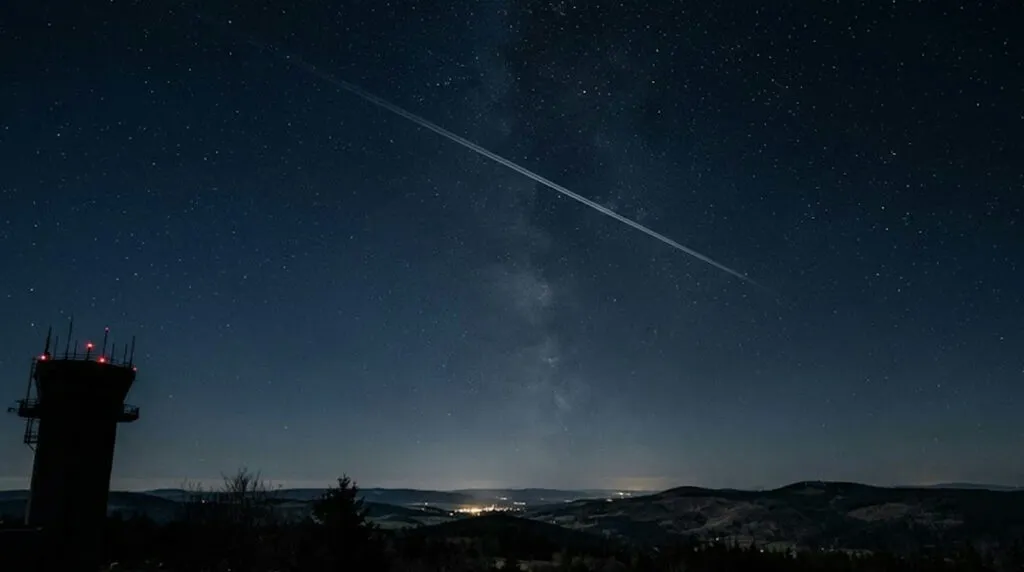
Vladimir Putin has finally responded to Volodymyr Zelensky's announcement that Ukrainian drones will fly over Russia more and more often - and the response was not diplomatic. "If that is said out loud, then it is simply a declaration of state terrorism," the Russian president told reporters in Bishkek, after the Shanghai Cooperation Organisation summit.
He then tied the statement to the peace talks, with a sentence that shuts every door at once: Russia does not negotiate with terrorists. And he added a warning - "if, God forbid, such tragedies occur, we will find ways to respond."
What did Zelensky actually say? That he is warning airlines, insurers and everyone using Russian airspace that Ukrainian drones will be operating over Russia more and more frequently. His wording was careful: "Ukraine does not threaten civil aviation as such... Russian airspace will de facto close." He maintains that Ukraine strikes military targets and the infrastructure of the war economy, not passenger aircraft.
Who is still flying there
European and American carriers left Russian airspace long ago. But Chinese, Turkish and Emirati airlines continue to fly over Russia, and it is their passengers Zelensky is really addressing. Risk assessments for 2026 say there will almost certainly be Ukrainian drone strikes every single day, reaching deeper into Russian territory.
That is where the real problem with warnings of this kind lies. When one state tells insurers that the sky over another state is no longer safe, in practice it means commercial flights will cost more, be rerouted, or stop. That is not a military operation - it is economic pressure delivered by military means. And it works without a single missile being fired.
Putin, for his part, announced that Russian forces have been ordered to carry out "massive strikes" on Ukrainian energy infrastructure, in response to Ukrainian attacks on Russian refineries. So this round ends the way every one of them begins - the two sides hitting each other's generators and refineries, and come November it is households left without power, not general staffs.
How many times does the same cycle have to repeat before somebody admits that "the response to the attack" stopped being a response long ago and became a schedule?
The latest 10 news from this category
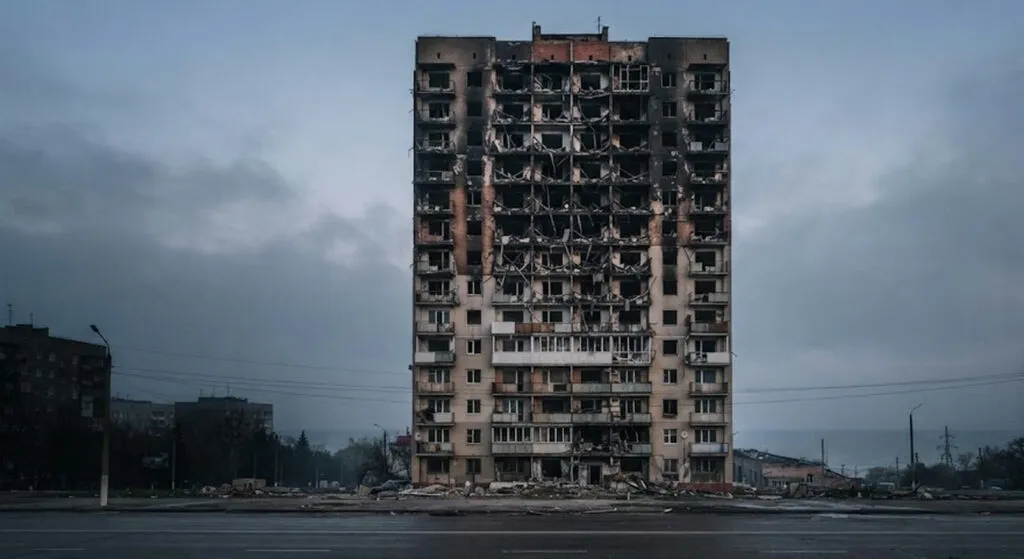
The Banderol costs less than the interceptor sent to shoot it down. When the arithmetic looks like that, the war...
First they would not give missiles, then they gave them with rules on where they could be fired, now they...
Ukraine asked for permission to strike up to 200 kilometres inside Russia. Behind the refusal sits a bigger number -...
Zelensky said Russia attacked a crossing on the Moldovan border with drones. Three days earlier something had already exploded on...
A night missile strike on Kyiv and the surrounding region, warehouses and plants hit. The heaviest accusation did not come...
The general tied to a harsher phase of the war is back in play, and an American colonel claims Odesa...
The front line is not moving, the negotiating table is empty, so what remains is striking deeper into the other...
Over 30,000 killed and wounded a month, a thousand new soldiers a day - and they only plug the holes....
Before the war it had almost 60 gigawatts. Today it has twelve. And if the strikes continue at the same...
A former defence minister said the number out loud. When a state spends resources finding the people it already mobilised,...
This site uses cookies - is that okay? Learn more
Be the first to know when Metla launches something new
Leave your email and we will write when there is a new guide or something new on Metla.
