

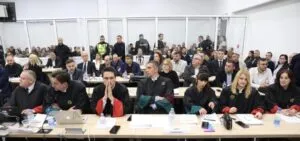
Experts on the Puls fire: the ceiling foam released cyanide as it burned, and the inspector could and should have shut the place down
02.09.2026


02.09.2026

02.09.2026
02.09.2026
02.09.2026
02.09.2026
02.09.2026

02.09.2026

01.09.2026

31.08.2026

02.09.2026

02.09.2026

01.09.2026

02.09.2026

02.09.2026

02.09.2026

02.09.2026

01.09.2026

31.08.2026

02.09.2026

02.09.2026

02.09.2026

02.09.2026
01.09.2026
31.08.2026

09.03.2026

27.02.2026

19.02.2026
02.09.2026
01.09.2026

01.09.2026

23.04.2026

23.04.2026

12.04.2026
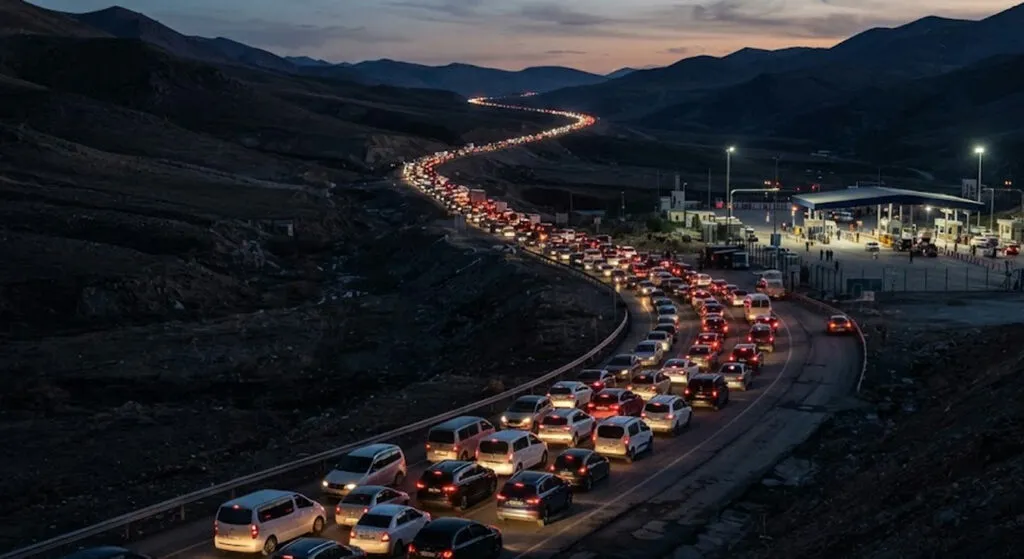
More than 113,000 Russians crossed the Verkhny Lars border point towards Georgia in a single week. On 20 August alone, over 20,000 people crossed. That is not a tourist season - that is flight.
The figures come from Russia's Federal Customs Service and are considerably higher than the usual traffic in previous years. The reason is the rumours circulating ever more loudly across Russia: that after the September elections the Kremlin could launch a new mobilisation.
The scene immediately recalls September 2022, when Vladimir Putin declared a partial mobilisation of around 300,000 people, after which kilometre-long queues formed at Verkhny Lars. The difference is that back then people fled after the decision was made. Now they are fleeing before it is.
Reservists are already being told their unit
The Russian organisation for the protection of conscripts' rights records a rise in the number of men seeking help, above all among reservists. Its director Alexey Tabalov says that in recent months the authorities have been intensively collecting data on reservists through employers - including their real addresses, and even the addresses of family members who could be used to locate them.
Individual reservists are already being summoned to military offices, where they receive documents naming in advance the unit they are to report to if mobilised. Tabalov believes a system is being built that would allow a very rapid call-up, without the chaos seen in 2022.
So the state is not preparing a mobilisation - it is preparing a mobilisation that will not look like one. Quiet, administrative, finished before anyone has time to react.
Exercises in Kaliningrad, checks across Russia
Further attention was drawn by a report that the Russian military is checking the readiness of the system for a possible new mobilisation across the entire country. Western intelligence representatives say Russian officers last month oversaw an exercise in the Kaliningrad region working through procedures for mobilising the local population - from reception and accommodation to feeding, arming and deployment.
Kaliningrad, according to the same sources, is not an isolated case but one of several similar checks across Russia. No decision on a new mobilisation has been taken so far. But when you rehearse reception, accommodation and arming, it is hard to argue that this is theoretical preparation.
Changes are visible in the National Guard too. A draft amendment to one of its internal regulations introduced wording under which people, facilities and property should be prepared in advance for protection during "mobilisation, a state of war and wartime" - replacing the earlier, broader wording about military conflicts and emergencies. Legal texts are rarely changed by accident.
Kyiv claims: another 600,000 in two years
The most serious assessment comes from Ukrainian military intelligence and the Foreign Intelligence Service. According to them, the Russian General Staff has prepared a scenario for mobilising as many as 600,000 people during 2026 and 2027 - 300,000 per year. The first wave could be launched after the State Duma elections, held from 18 to 20 September.
The reason, according to the Ukrainian services, is the widening gap between the needs of the front and the number of people Moscow manages to attract with contracts. From January to July, Russia lost around 240,000 people through killed, wounded and other losses, while in the same period fewer than 232,000 signed contracts. The arithmetic does not close, and the front does not wait.
Recruitment results in some regions are particularly weak. In the Kurgan region the plan was met at only 57 to 69 percent, and in Volgograd the number of potential contract soldiers fell by around 40 percent compared with last year. When money is no longer enough to summon people, only coercion is left.
The electronic summons that closes the border overnight
Fear among reservists is being sharpened by the new system of electronic military summonses. Once a summons is entered into the electronic register, a conscript can automatically be barred from leaving Russia - even if he never received the document in person.
That means that, in the event of a decision on a new call-up, men would practically overnight lose the ability to leave the country legally. That is precisely why some people evidently do not want to wait for the answer to whether mobilisation will actually be declared.
The Balkans know this arithmetic. When a state starts collecting the addresses of relatives, nobody waits around to find out why.
The latest 10 news from this category
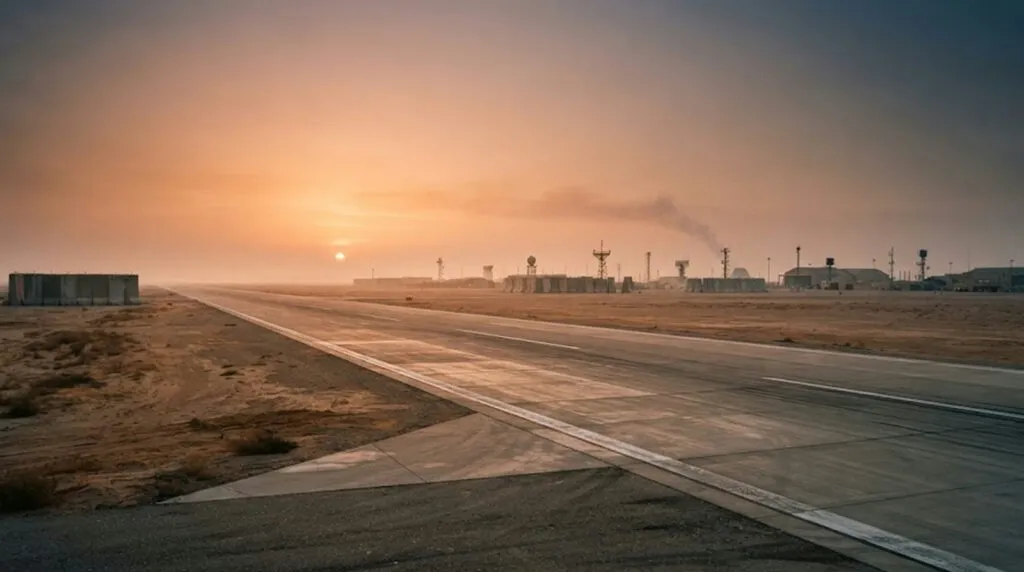
An American missile hit a house holding a wedding in Sirik, killing four people including a child. Iran struck back...
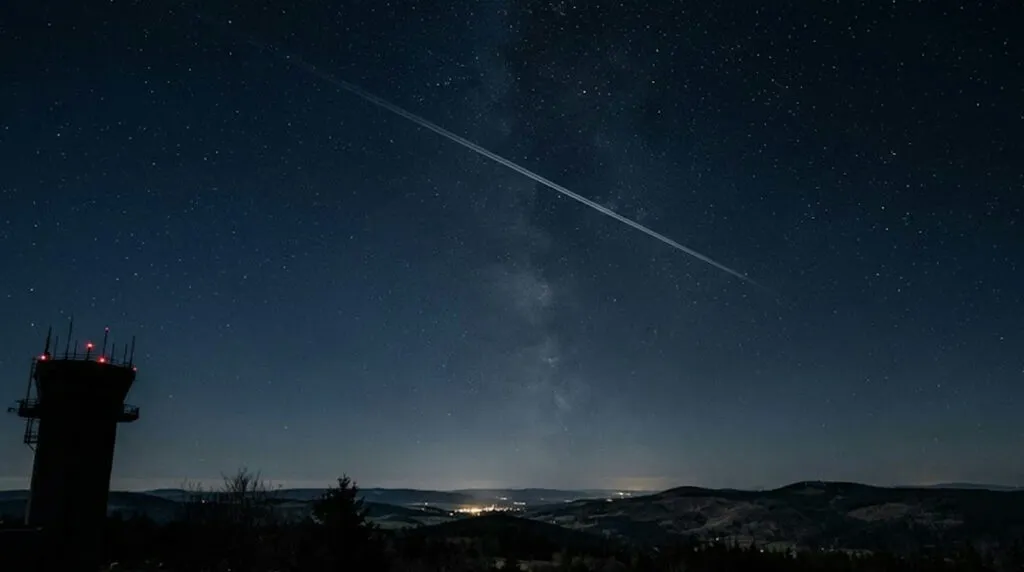
Zelensky warned airlines and insurers that Russian airspace would de facto close. Putin answered with a sentence that shuts every...
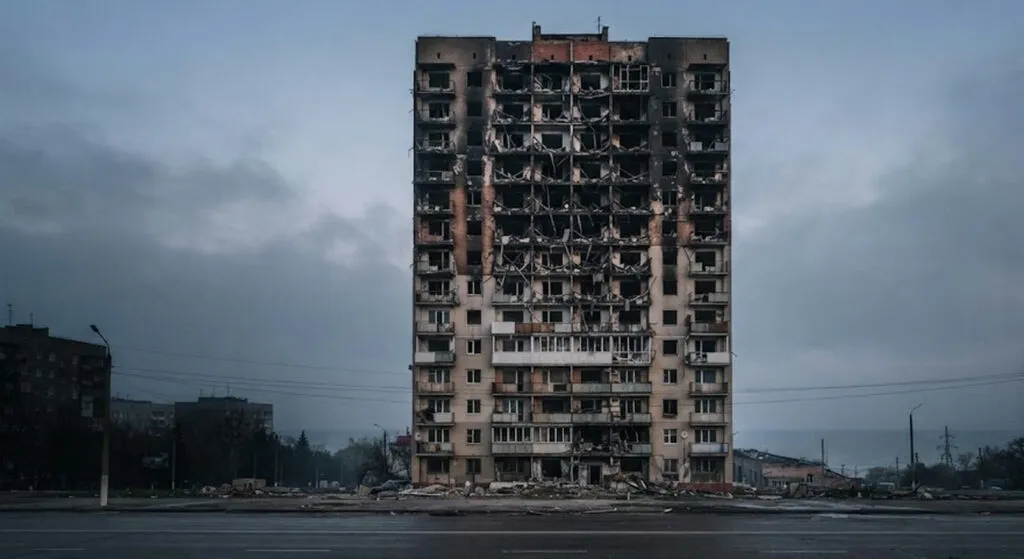
The Banderol costs less than the interceptor sent to shoot it down. When the arithmetic looks like that, the war...
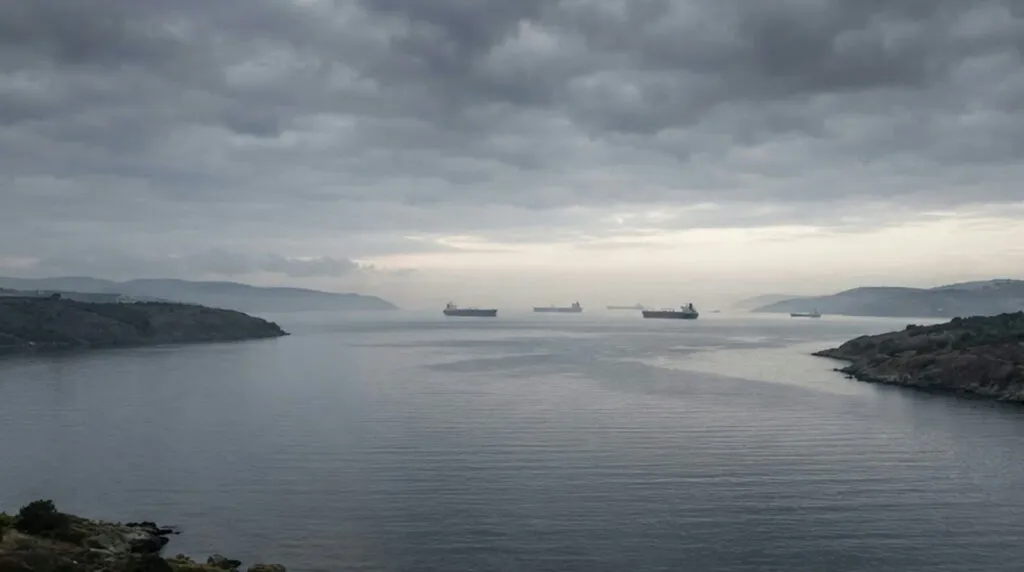
Iran launched missiles at two US bases in Jordan. The Revolutionary Guard says the damage is extensive, Jordan says everything...
Two missile launchers on a small island broke a month of quiet. The Revolutionary Guard promised the "aggressor will be...
Three drones, 50 grams of hexogen and one cargo airport through which aid for Ukraine travels. The Americans already said...

When diplomacy moves out of ministries and into intelligence services, it means the official channels stopped delivering long ago. Three...
Two months ago the same mistake cost eight lives, followed by dismissals and promises of severe punishment. Now the number...
The night Kyiv's air defence ran at ninety percent success and it still was not enough. The tactic has changed:...
Analysts claim that Putin, squeezed by the economy and a shortage of soldiers, is weighing an attack on a NATO...
This site uses cookies - is that okay? Learn more
Be the first to know when Metla launches something new
Leave your email and we will write when there is a new guide or something new on Metla.
