
Six Years of Fake Licence Categories Issued From an Interior Ministry Desk: Six Charged, 21 More Under Investigation
21.09.2026


21.09.2026

21.09.2026
21.09.2026

21.09.2026

21.09.2026

21.09.2026

21.09.2026

20.09.2026
20.09.2026

21.09.2026

21.09.2026
20.09.2026
21.09.2026
21.09.2026
21.09.2026

21.09.2026

20.09.2026
19.09.2026

21.09.2026

21.09.2026
21.09.2026
21.09.2026

21.09.2026

21.09.2026

09.03.2026

27.02.2026

19.02.2026

21.09.2026

21.09.2026

20.09.2026

23.04.2026

23.04.2026

12.04.2026

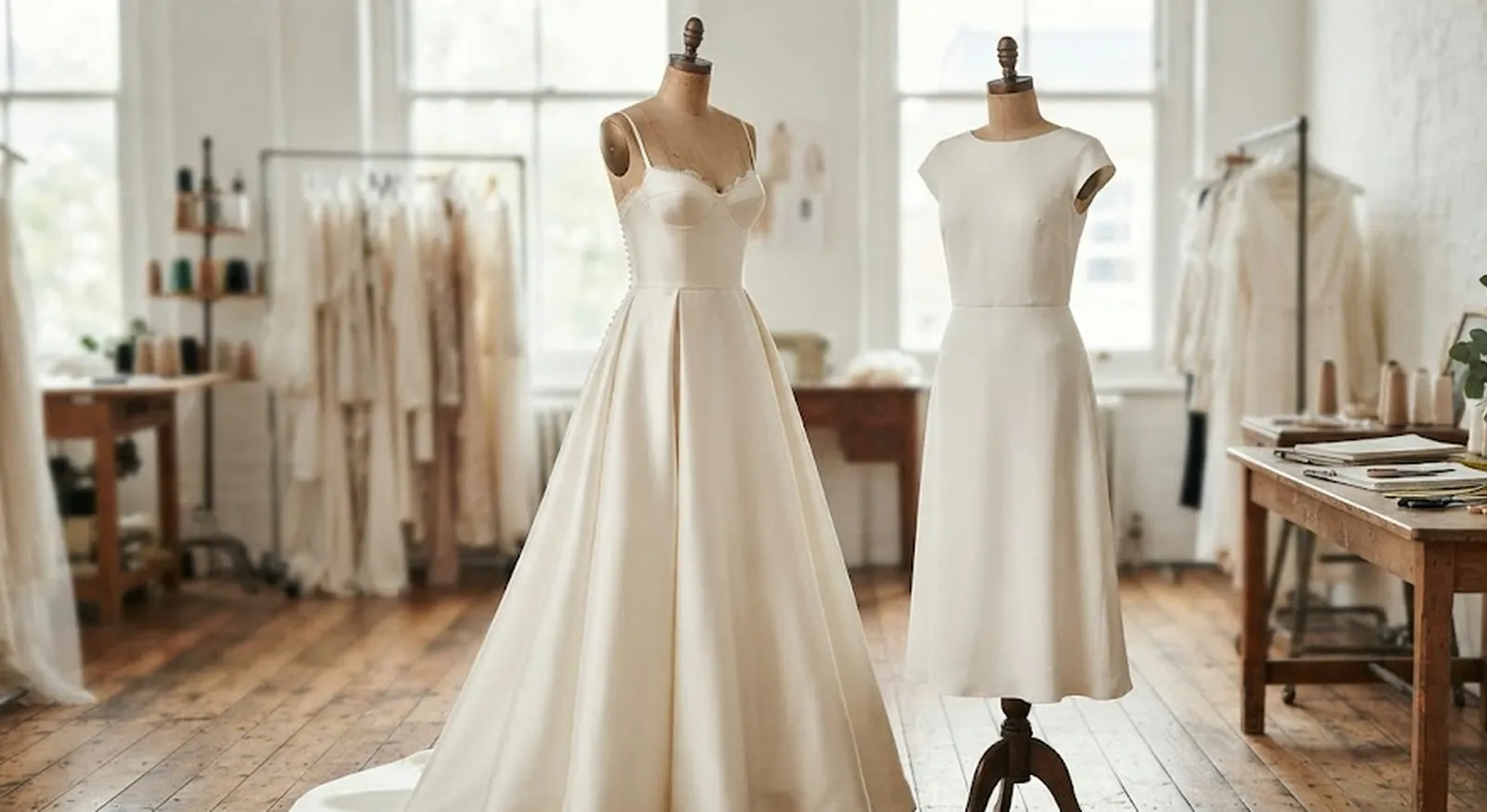
The first wedding dress is for the photographs, the church and history. The second is for the evening itself. At royal weddings the gap between the two is wider than it looks - and it is the second dress that says more about the bride than the first.
In 2011 Kate Middleton swapped Sarah Burton's dress for Alexander McQueen for another model by the same designer - satin, sleeveless, with a pearl-trimmed belt and a small angora bolero. The same year Charlene of Monaco chose Giorgio Armani for the evening: silk gauze, an illusion neckline and a pleated skirt.
In 2018 Meghan Markle went in an entirely different direction - Stella McCartney, a clean line, a bare back, not a single embellishment. With that she sent a message worth more than any statement: the first dress belonged to the institution, the second was hers.
Charlotte Casiraghi chose Chanel haute couture that same year, with a halter neckline and a central slit. In 2015 Beatrice Borromeo went for Armani, with a double cape of silk and tulle. Both are examples of something rarely said out loud - the Monegasque school of dressing is freer than the British one, because it does not carry the same weight of protocol.
The two most unexpected choices stand apart. In 2021, in South Africa, Lady Kitty Spencer wore Dolce and Gabbana - pale blue tulle with hand-embroidered pink flowers, closer to a fairytale costume than a wedding dress. And in 2013 Madeleine of Sweden wore the vintage dress once worn by Queen Silvia, with a large bow at the waist. No designer can buy what a choice like that carries.
The rest stayed within the lines: Eugenie of York in champagne-coloured Zac Posen, Sofia of Sweden in lace by Ida Sjostedt, Sassa de Osma in Lima in a bias-cut dress with a tiara of natural wheat ears.
Here a second outfit has long been the rule rather than a novelty - the bride changes for the dancing and nobody blinks. The only difference is that at royal weddings that second dress later becomes a subject of analysis, while here it stays in the album. Whenever somebody opens that album thirty years on, it is the second photograph they will linger on - the one where the bride finally looks like she is enjoying herself.
The latest 10 news from this category
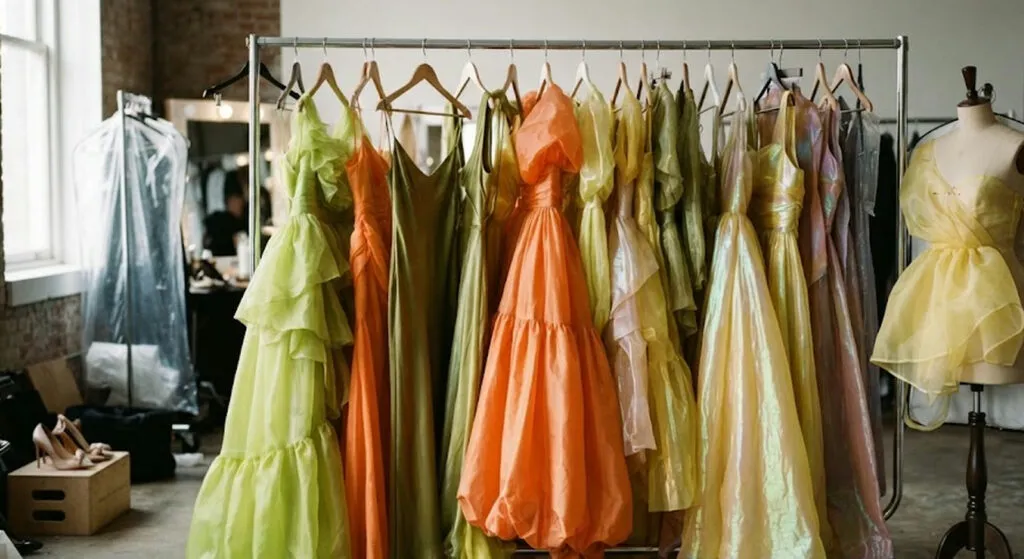
Three days in a lab coat with colorimetry scientists to produce a collection in lime and tangerine. The design director...
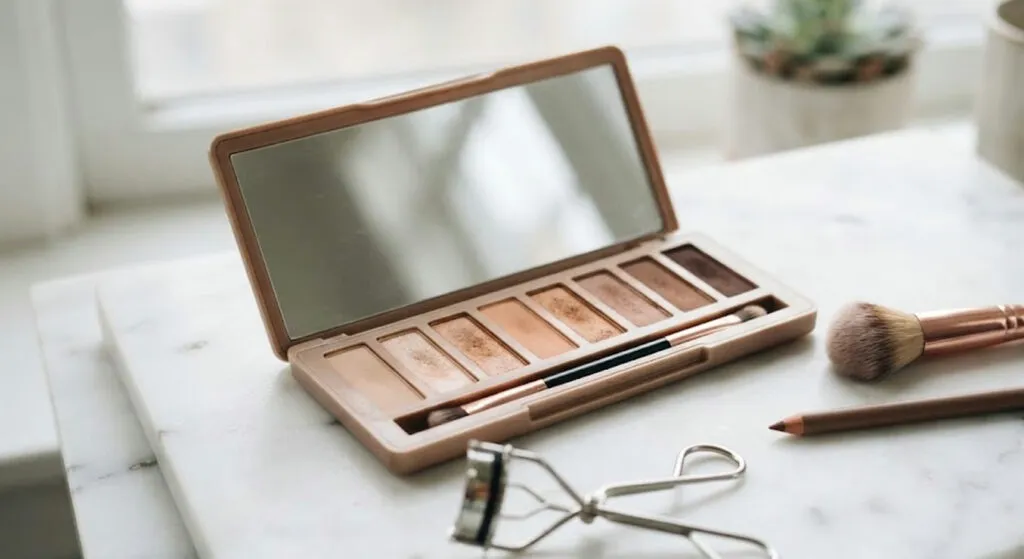
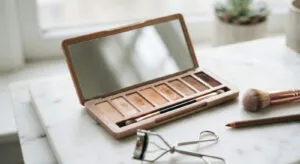
Cream concealer instead of powder, a brown pencil instead of black eyeliner, and a curler before the mascara. Not one...
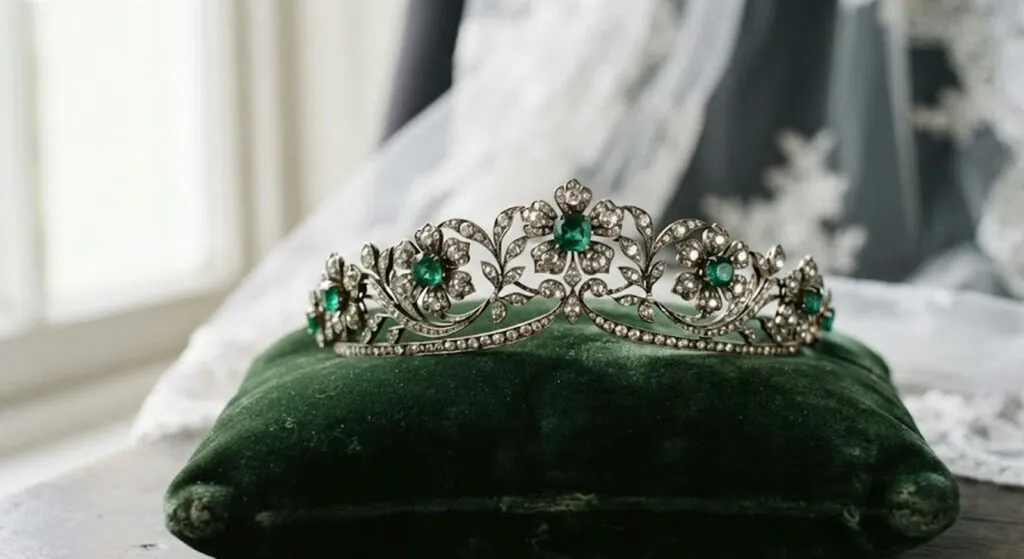
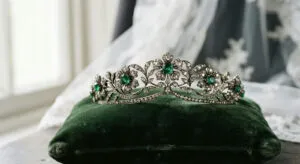
A boat-neck gown and wildflowers that deliberately refuse to compete with the jewellery. A fourth generation under the same diadem,...
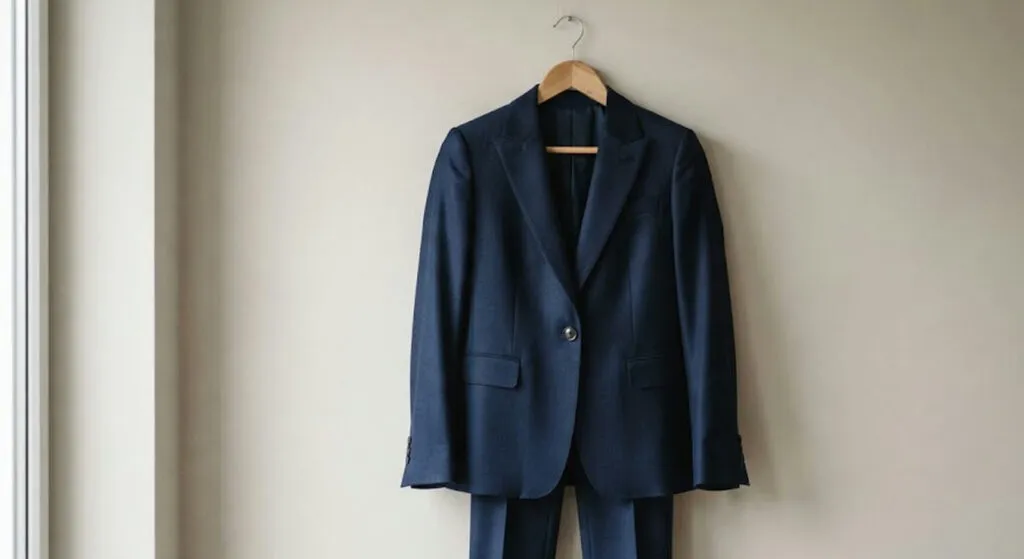
A communications expert says the trouser suit sidesteps sexist readings of hemlines and necklines. The same expert warns that the...

Dermatologists explain why the shedding arrives with a two to three month delay and why iron and vitamins do not...
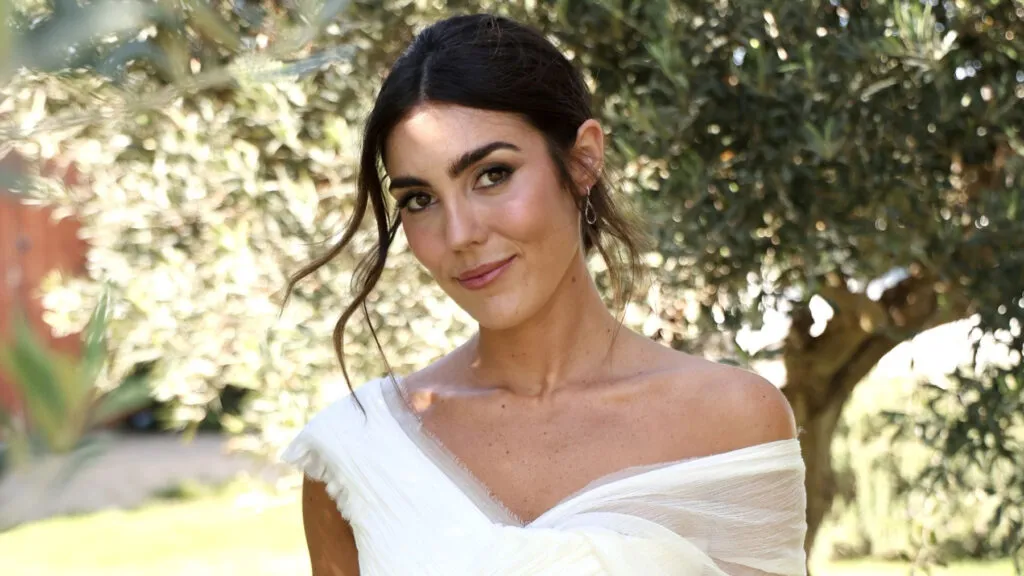
Silk bambula muslin, a hand-draped waist and a veil of crystal organza. The wedding was held in Cadiz, where the...
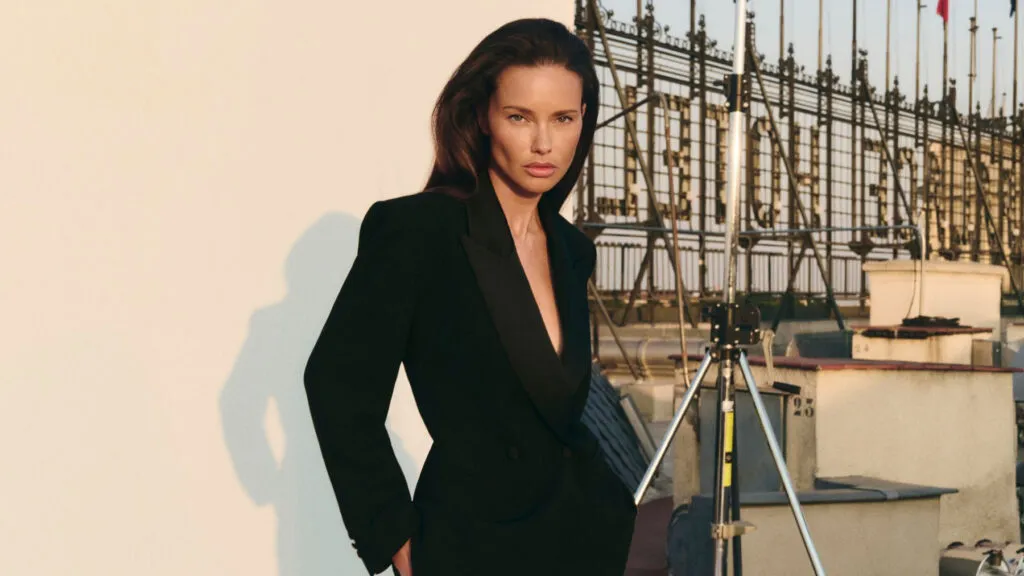
An industry that spent decades selling a flawless illusion is suddenly showing the shoot itself. That is not candour -...

The classic bob promised one perfect day. This version works against the salon business model - and that alone is...
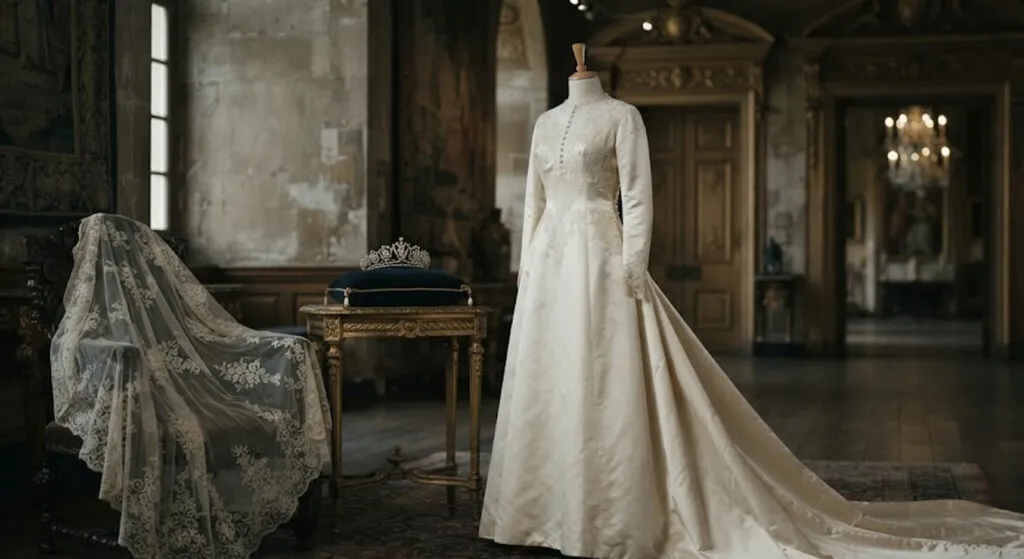
The crowns were held by four men who would all later sit on thrones of their own. Nobody in that...
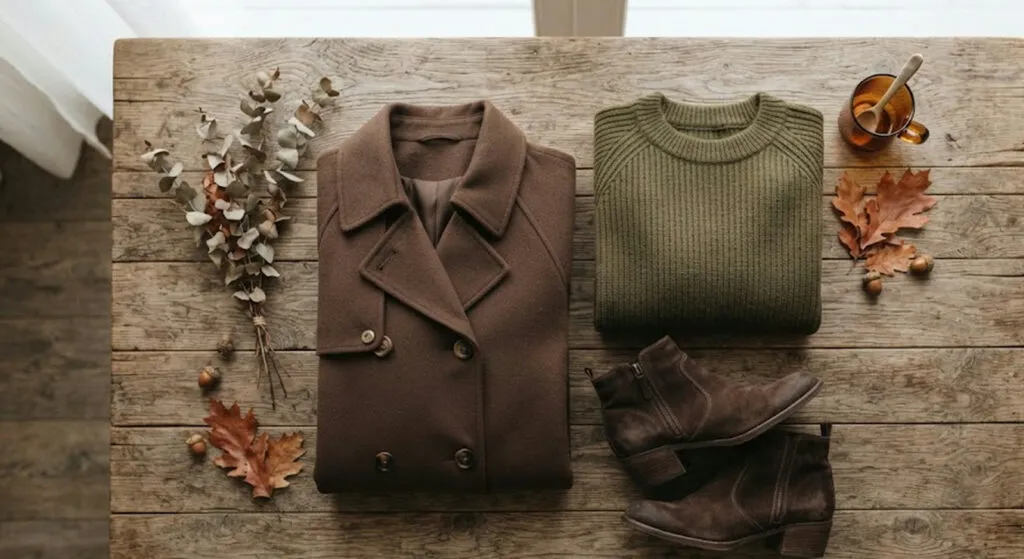
Kate Middleton dropped the beige and the same cut suddenly looked twice as expensive. The industry sells a new silhouette...
This site uses cookies - is that okay? Learn more
Be the first to know when Metla launches something new
Leave your email and we will write when there is a new guide or something new on Metla.