
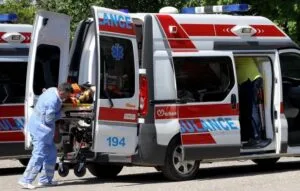
Bogovinje: A 16-Year-Old "Accidentally" Shot a 15-Year-Old With a Pistol - So Where Did He Get the Gun?
26.10.2026


26.10.2026
26.10.2026
26.10.2026

26.10.2026
26.10.2026
26.10.2026
26.10.2026
26.10.2026

25.10.2026

26.10.2026
26.10.2026

25.10.2026
26.10.2026

26.10.2026
26.10.2026
26.10.2026
25.10.2026

24.10.2026
26.10.2026

26.10.2026
26.10.2026
26.10.2026

26.10.2026

25.10.2026
26.10.2026

26.10.2026

25.10.2026
26.10.2026
24.10.2026
22.10.2026

23.04.2026

23.04.2026

12.04.2026

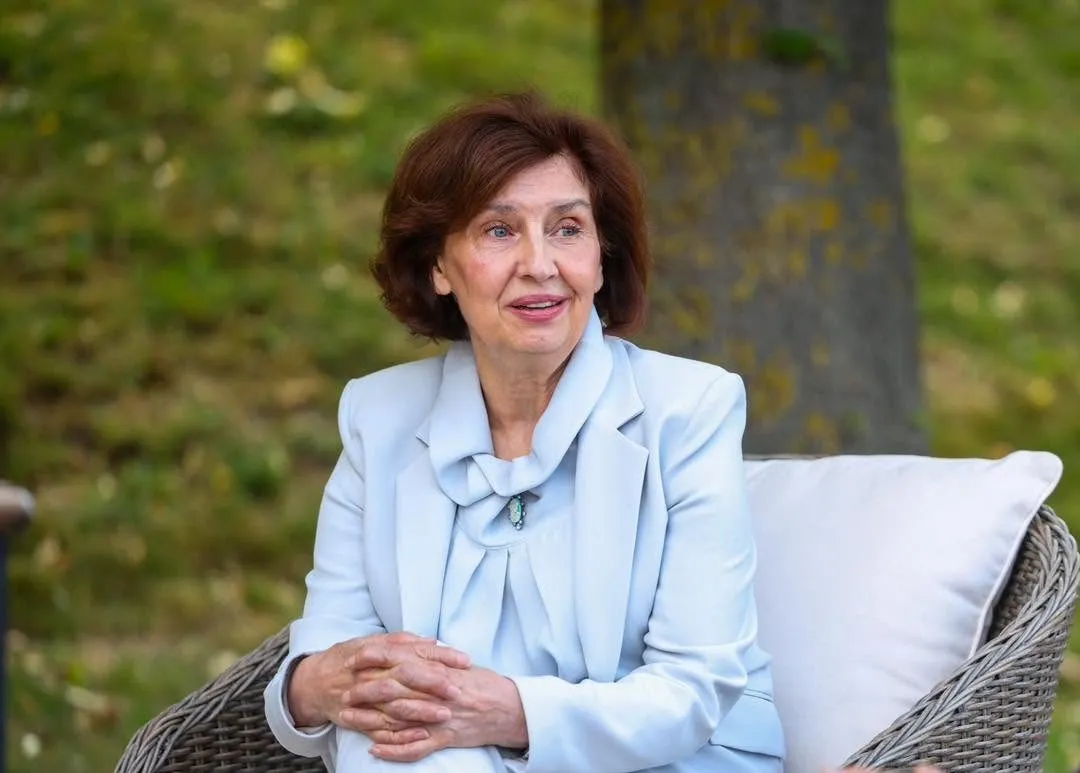
"You can sketch a constitution in six days, you can map out a liberal economy in six months, but you need sixty years to build a functional democracy." The sentence was spoken by president Gordana Siljanovska-Davkova at the panel discussion "8 September through the prism of its direct participants and witnesses," ahead of the 35th anniversary of independence.
Taken literally, that puts Macedonia a little past halfway. It is uncomfortable arithmetic for a national holiday, which is exactly why it is worth repeating.
Siljanovska-Davkova began from the ASNOM pledge - the state we create is the state we will have - and stressed that statehood is not exhausted by elections and the formal existence of institutions. Real statehood, she said, is built through functional and accountable institutions, consistent protection of human rights, and respect for the highest standards of domestic and international law.
Who was mentioned, and who was not
The president singled out Kiro Gligorov, Stojan Andov, Nikola Kljusev, Petar Gošev and Abdurahman Aliti as a political generation that, amid the break-up of Yugoslavia and wars in the immediate neighbourhood, showed moderation, knowledge and statesmanship.
Former MP Lambe Arnaudov returned to the first days after independence was declared and to the Declaration of Independence adopted under a real threat that the state of the time would fall apart.
Naser Ziberi opened the subject that rarely makes it into holiday speeches - the participation of Albanians in creating the new state. He noted that the Albanian political representatives of the time, led by the Party for Democratic Prosperity, were among the first to advocate independence, autonomy and sovereignty, while at the same time demanding a clear constitutional and legal framework. "All of that created periods of crisis which at certain moments could escalate and call into question even the major decisions, among them the independence referendum," Ziberi said.
Former MP and justice minister Tuše Gošev said the independent state was the fulfilment of one generation's wish - to create an autonomous state in which all citizens would be equal.
The sharpest message came from Petar Gošev
The former MP, minister and central bank governor warned that marking national holidays must not create an opposition between 2 August and 8 September, nor elevate one historical event above another. In his view, Macedonian statehood has its roots in ASNOM and the anti-fascist struggle, and the independence of 1991 is a continuation of the same state-building line.
"The memory of the people who took part in the anti-fascist struggle must not be destroyed, nor should collaborators of fascism and various neo-fascist ideas be rehabilitated," Gošev stressed. "We should not be shortening our own history ourselves, or relativising it through political interpretations and the hyperbolising of individual events."
That is a message aimed at today's political scene, delivered at an event about the past. The most direct sentence of the entire discussion was not about 1991.
The holiday has a date, a functional state does not
After 35 years, the question is no longer whether Macedonia has institutions - that was settled back in the nineties. The question is how resistant they are to political pressure, how equally they apply the law, and whether they remain institutions when power changes hands.
Independence was a choice to have a state of one's own. The president's sixty-year thesis is not a historical footnote but a measure that gets tested every single day - in a courtroom, in a municipal office, in a school and in a hospital. That is the part of the bill that has no day of celebration.
The latest 10 news from this category
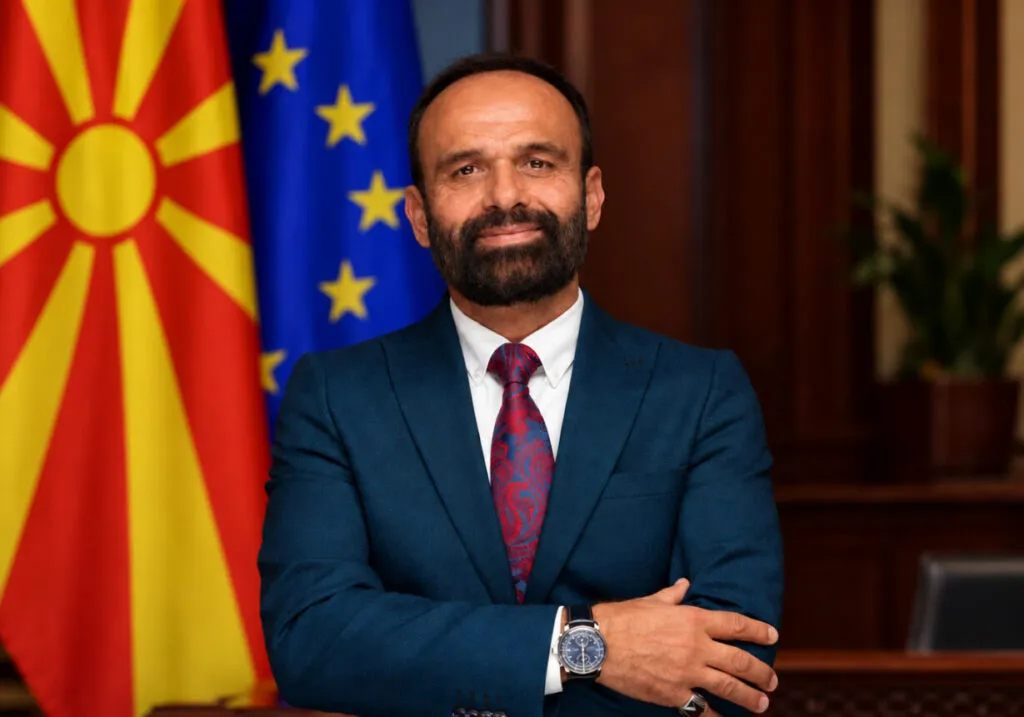
The justice minister wants an independent judiciary and non-selective prosecutors. Meanwhile, the European Commission records that the share of citizens...
In Serbia the students won, and the leader of Macedonia's SDSM is already counting which government should fall next. No...
A day before Serbia votes, Filipche accuses Vučić of preparing to steal the election, while the same post calls for...
Protests from Tirana to Paris, and in Skopje the search is on for foreign spies. Arsovski names the uncomfortable reason:...

The party leader is also the prime minister, and ahead of the runoff he is on the ground in Brvenica....
The opposition is counting who Brussels mentioned this week - Montenegro, Albania, Serbia, Kosovo. Not Macedonia. The prime minister, for...
SDSM's initiative was rejected unanimously, and the opposition cries political orders without proof. The bigger irony: the government that condemned...
A civil servant with two consecutive "1" ratings will lose their job by force of law. The rule sounds tough...
Radički and Jahij face off on 1 November. Every party found its own victory in the results, and the quietest...
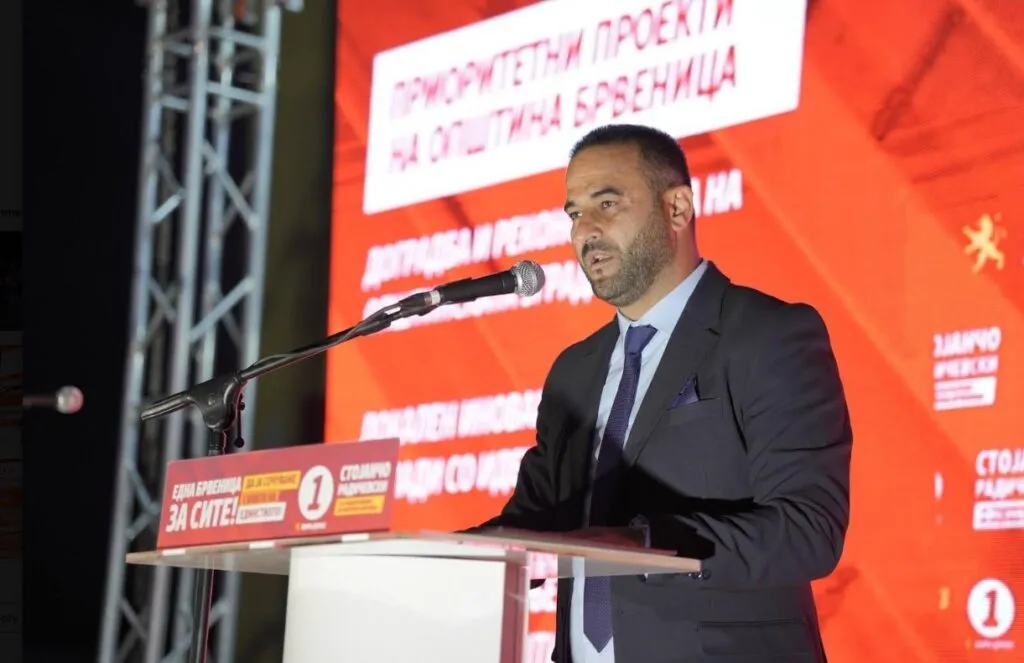
DUI nearly doubled its votes, Vlen lost 493 and SDSM grew from a low base. Radičevski and Jahij go into...
This site uses cookies - is that okay? Learn more
Be the first to know when Metla launches something new
Leave your email and we will write when there is a new guide or something new on Metla.