A New Criminal Complaint Against Jakimovski: A Building Permit Based on a Plan Struck Down Back in 2018
16.09.2026


16.09.2026
16.09.2026

16.09.2026
16.09.2026
16.09.2026

16.09.2026

16.09.2026
15.09.2026

14.09.2026
16.09.2026

16.09.2026

15.09.2026

16.09.2026

15.09.2026

14.09.2026

16.09.2026

16.09.2026

16.09.2026

16.09.2026

15.09.2026
15.09.2026

09.03.2026

27.02.2026

19.02.2026
16.09.2026

15.09.2026

14.09.2026

23.04.2026

23.04.2026

12.04.2026

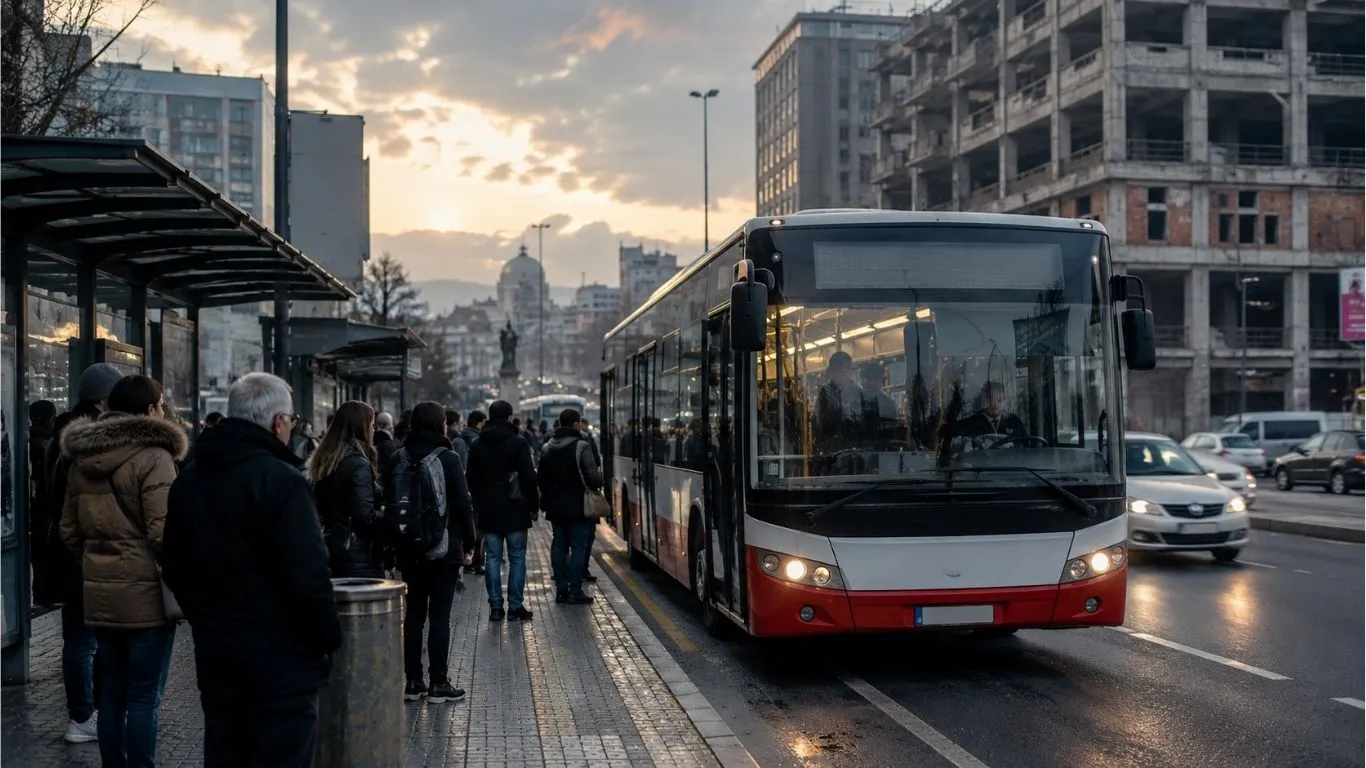
The City of Skopje has launched a new tender for 100 buses for JSP Skopje, and is also planning to procure another 40 for the bus rapid transit (BRT) system. Mayor Orce Gjorgjievski says the procedures should be completed by the end of this year, with delivery beginning next. If the tender succeeds, that will be news. If it fails (a scenario that has played out several times already), Skopje will be stuck with buses whose age is greater than half their drivers'.
JSP Skopje has, over the past five years, become one of the most visible signs of what a poorly run city looks like. Buses arrive slowly, many are broken down, frequencies are such that the so-called fifteen-minute line rarely runs on time. Residents have turned to alternatives - taxis, private cars, walking - and those alternatives are gradually replacing public transit. The result: fewer passengers, less revenue, slower renewal, and round it goes.
The BRT system idea is sound on paper. Express buses with dedicated lanes and shorter intervals would be a genuine leap in quality. But BRT only works if the other elements do too - reliability, coordination between lines, real-time tracking technology, fares that do not punish every single passenger. Without all of that, 40 new buses will be a charming decorative addition to a system that has functionally fallen apart.
And here is the more interesting question. Skopje does not have a public transit problem because it lacks money for buses. It has a problem because it lacks a strategy. Divided responsibilities between ministries and municipalities, unclear chains of command, and unresolved long-term staffing issues at JSP are the deeper root. Buying new vehicles without structural reform is a symptom of an approach in which every political cycle waits for some public confirmation that "something is being done" - without fixing the foundation.
For Skopje residents the real test will be simple: next winter, will they be able to plan their day around the public transit schedule, or will they keep waiting half an hour for a packed bus on a line that on paper runs every 12 minutes? If the answer is the same as the past five years, the tender for 100 buses is political theatre. If something actually shifts, it will be the first real progress after a decade of urban stagnation.
The latest 10 news from this category

The World Bank dropped out over misalignment with EU requirements. Construction will take two and a half years, and the...
Of 9,500 square metres of greenery, 268 remain. Terrain with an 80-metre height difference, no erosion study and no opinion...
Gjorgjievski says the system should be ready by the middle of next year. The BRT tender is announced for the...
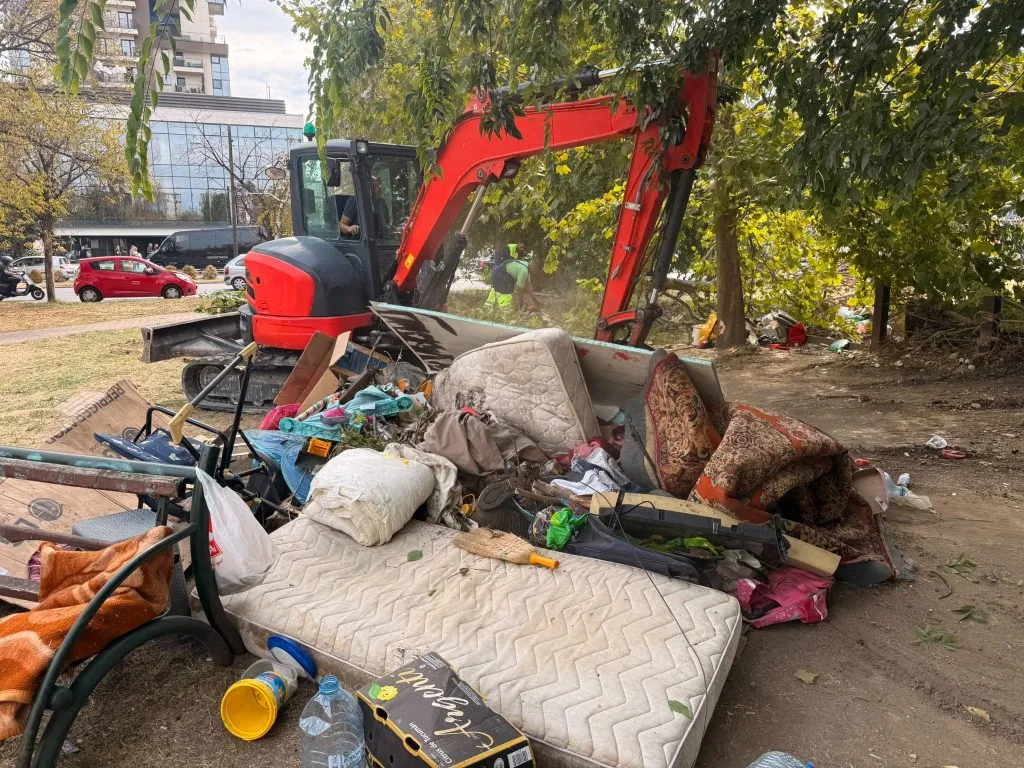
The second operation at the same site within a year. Gerasimovski himself is appealing to the Labour Ministry - because...
A prosumer scheme, a solar oven and electricity generated by bicycle on Magnolija square. The city that has paid the...
Stefanija Dimovska won two medals at IESO 2026, working in mixed international teams. Before that she was also national champion...
Out of nearly 4.7 million denars, the municipality is putting in around 180,000. The rest comes through the Bureau for...

Ten years working inside the health system - and she still had to pull strings to be admitted. The clinic...
Appeals run from 15 to 25 September. There is not enough space at Goce Delčev, so students go to Stiv...
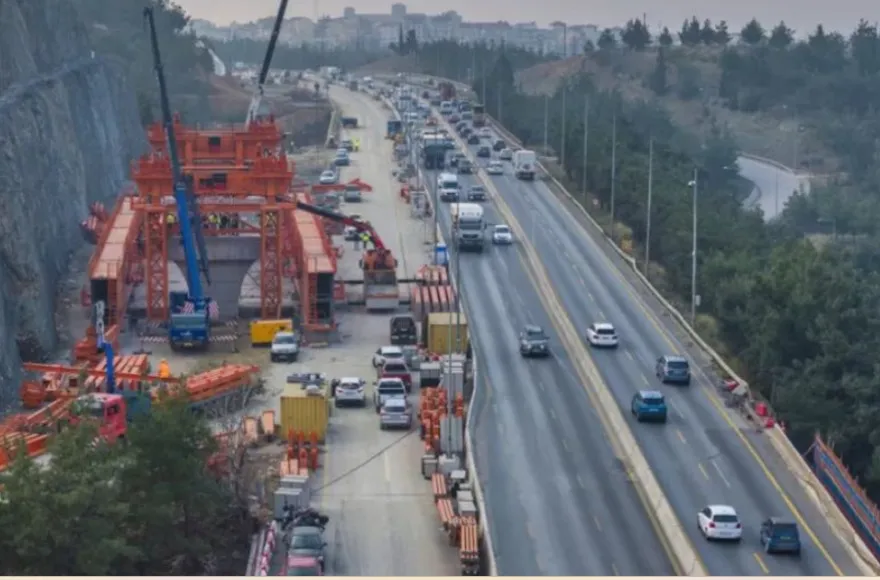
From 23:00 to 05:00 there is no getting through towards Evzoni. Towards Halkidiki - business as usual. Those heading on...
This site uses cookies - is that okay? Learn more
Be the first to know when Metla launches something new
Leave your email and we will write when there is a new guide or something new on Metla.