Ljupcho Has Been Missing Ten Days, and the Family Warned Beforehand: They Got the Referral, the Hospital Said It Was Being Renovated
16.08.2026


16.08.2026
16.08.2026
16.08.2026
16.08.2026
16.08.2026
16.08.2026

16.08.2026
15.08.2026
14.08.2026
16.08.2026

16.08.2026

15.08.2026

16.08.2026

16.08.2026
16.08.2026

16.08.2026
15.08.2026

14.08.2026
16.08.2026

16.08.2026
16.08.2026
16.08.2026

16.08.2026

15.08.2026

09.03.2026

27.02.2026

19.02.2026

15.08.2026
14.08.2026

13.08.2026

23.04.2026

23.04.2026

12.04.2026
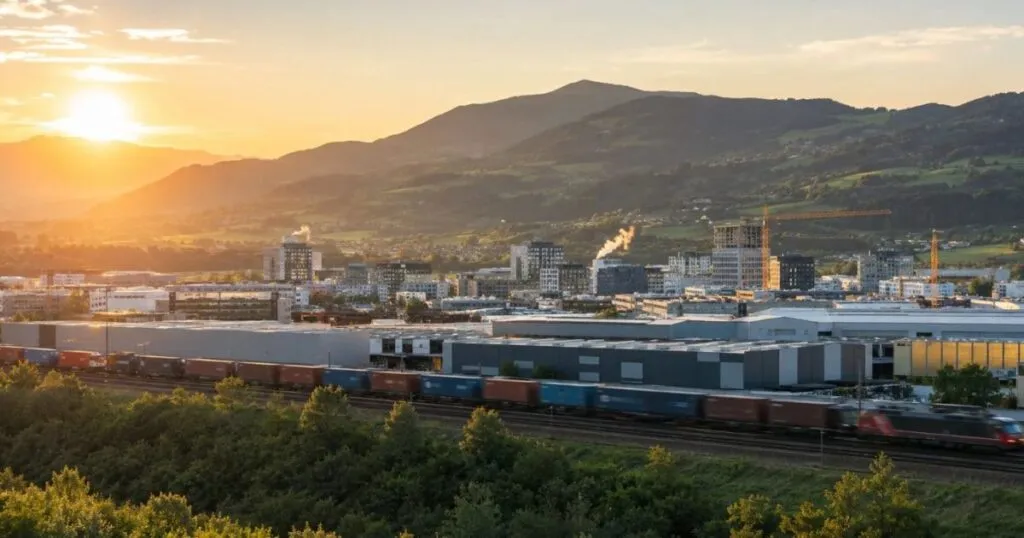
Five percent real annual growth. That is what Slovenia recorded in the second quarter of 2026 - the highest economic growth since the first quarter of 2022, as announced by Martin Bajzhelj of the Slovenian Statistical Office.
For comparison, the entire European Union grew 0.5 percent in the same quarter on a quarterly basis, and the eurozone 0.4 percent.
A warning sign is needed right here, because those two figures are not the same measure. The European 0.5 percent is a quarterly rate, while the Slovenian 5 percent is growth compared with the same quarter a year earlier. Take a comparable seasonally adjusted annual measure and the EU grows 1.2 percent, Slovenia 4.8 percent. The gap remains - roughly four times the pace - but now it is a comparison of like with like.
What exactly is growing, not how much
The percentage on its own says nothing. What is interesting is the composition, and here the Slovenian data is unusually tidy.
Gross fixed capital investment rose 13.2 percent. Investment in buildings and structures - 19 percent, of which other buildings and structures as much as 23.6 percent. Investment in equipment and machinery - 10.1 percent, and in transport equipment 14.7 percent.
So this is not a quarter in which people spent more in shopping centres. It is a quarter in which machines were bought, infrastructure is being built and the transport fleet renewed - things that will still be producing in 2028.
Domestic consumption grew 5.9 percent and household spending 3.4 percent - the highest in the last six quarters, with particularly strong demand for durable goods (10.1 percent). So people are also buying things you plan for, not only things you eat.
Not just a construction cycle
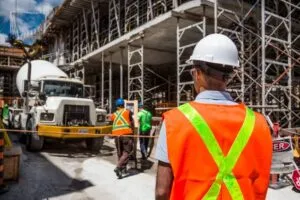
Construction is the most dynamic sector, with value added up 15.9 percent. A construction boom dragging a whole statistic along on its own is a familiar genre - it grows while there are projects, then disappears with the last crane.
But the Slovenian quarter is not that. Trade, transport and hospitality grew 5.2 percent - the highest in four years. Manufacturing 4.3 percent, its strongest rate in a year and a half. When three different sectors move at once, it is no longer a one-crane cycle.
And now the weaknesses, which do exist
Exports rose 6.4 percent - but imports 7.6 percent. So the foreign trade balance reduced GDP growth by 0.5 percentage points. Part of that increased domestic demand simply spills over toward foreign products.
And the second, more interesting one: employment is growing far more modestly than GDP. In the second quarter Slovenia had around 1.101 million employed - an increase of 0.3 percent, roughly 3,500 people year on year. Manufacturing records growth in value added while at the same time reducing headcount.
That can mean higher productivity or technological restructuring. Or, more simply: production is accelerating faster than new jobs are being created. The same holds for the EU, where employment grew only 0.1 percent quarter on quarter.
Why this is interesting from Skopje
Not because Slovenia is a model to be copied. Income, institutions, capital, EU membership, infrastructure and position in European production chains are all different. Every "let us be like Slovenia" is an empty sentence.
Something else is interesting: what makes a 5 percent rate convincing, and what makes it decorative. In this Slovenian quarter the answer is legible from the data itself - investment, machinery, construction, an industrial revival, higher exports.
The question that follows applies wherever you live: when someone announces a good growth rate, is there new equipment, new capacity and stronger exports behind it - or just a good quarter in a table. That is the difference between acceleration and development, and that difference is not read from the headline but from the structure underneath it.
Slovenia, incidentally, achieved 4.1 percent growth in the first half of the year - well above the forecasts of domestic and foreign institutions, which expected around two percent for the whole year. Even the statisticians did not predict their own quarter.
The latest 10 news from this category
Five or six years ago the same grain fetched 19 denars. Farmers are asking for 5 denars per kilo from...
Technicians, metal workers, machine operators and drivers - those are the five most sought-after groups in Europe. Macedonia, in the...
Amazon, Google, Meta и Microsoft градат гасни централи од по неколку гигавати. Аналитичарите сметаат дека цената на гасот ќе прескокне...
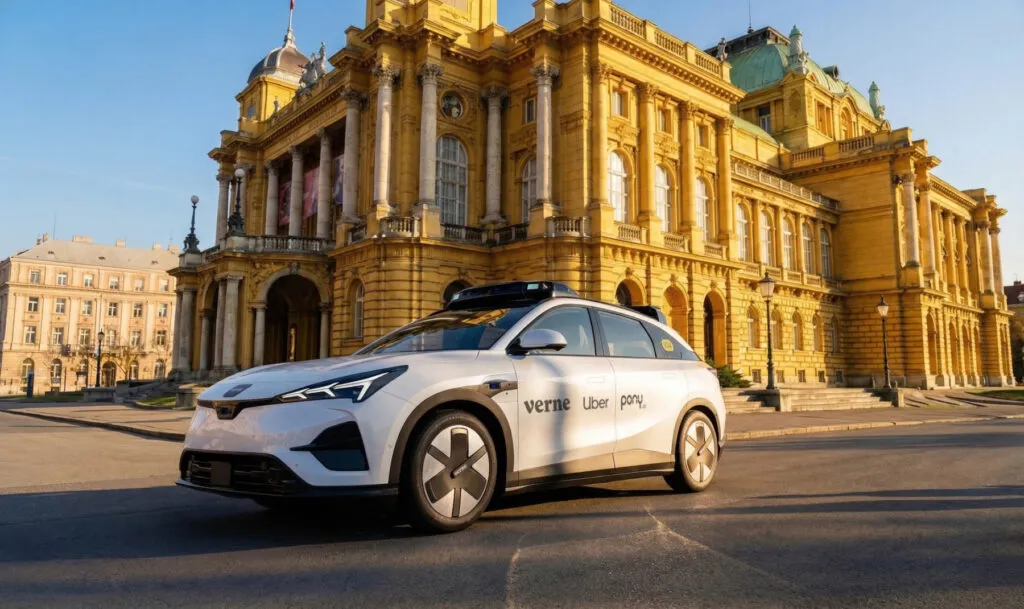
Pony.ai дава технологија, Uber дава корисници, а локален партнер го добива одржувањето, чистењето и полнењето. Четири европски града кои сè...
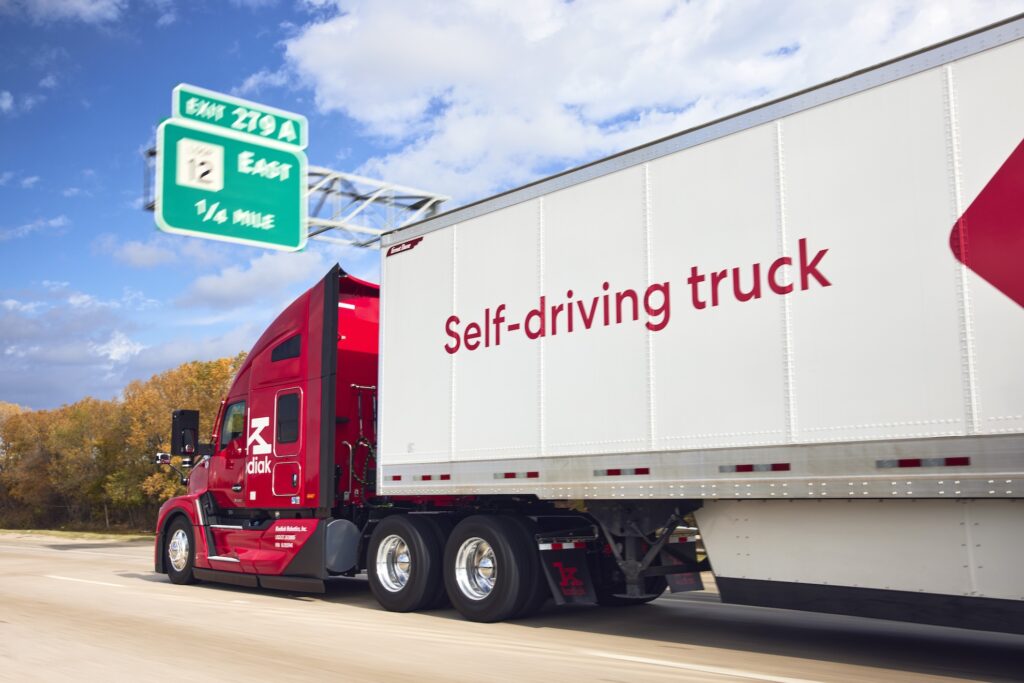
Забраната за автономни камиони над 4.500 килограми падна во април, а Aurora и Kodiak веднаш добија дозволи. Тужбата не тврди...
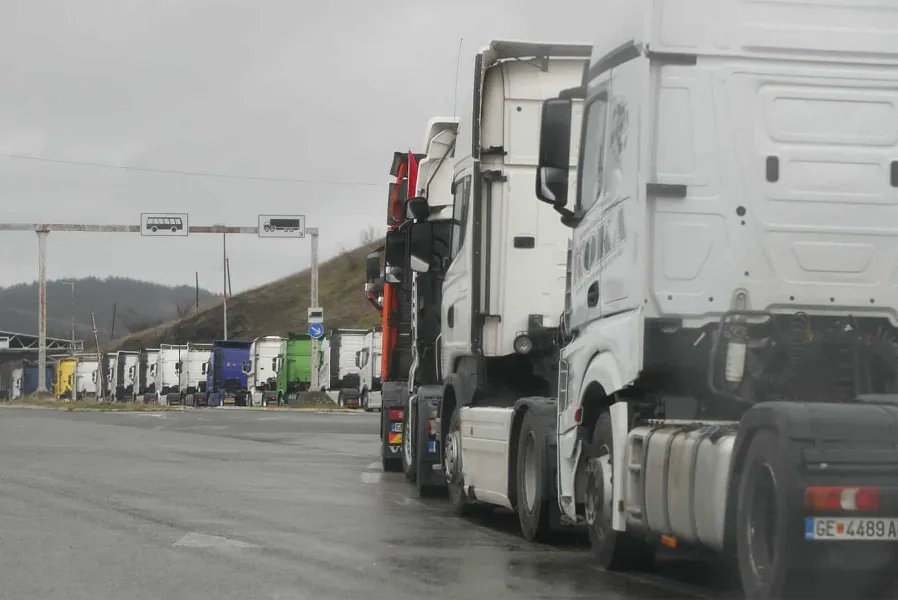
The problem with the 90-day Schengen rule has not changed. What changed is who is protesting. The deadline the hauliers...
4,324 dollars an ounce after a two-month peak of 4,449. Investors are cashing in their gains, and the headline about...

NLB is warning about fake messages carrying the bank's name. The rule is absolute and that is exactly what makes...
The company tried to delay answering until the Supreme Court ruled on something else. It failed - and only then...
200 business enquiries after a single demo on Hacker News. The leap from a small purpose-built model to a genuinely...
This site uses cookies - is that okay? Learn more
Be the first to know when Metla launches something new
Leave your email and we will write when there is a new guide or something new on Metla.