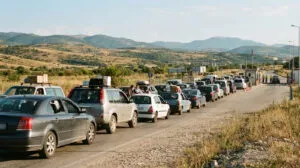
Twenty Fires in One Day, and the Blaze at Bogomila Was Stopped by Villagers and Veles Firefighters
15.08.2026


15.08.2026

15.08.2026
15.08.2026
15.08.2026

15.08.2026
15.08.2026

15.08.2026

14.08.2026
14.08.2026

15.08.2026

15.08.2026

14.08.2026

15.08.2026

15.08.2026

15.08.2026

15.08.2026

14.08.2026

13.08.2026

15.08.2026

15.08.2026

15.08.2026

09.03.2026

27.02.2026

19.02.2026

15.08.2026

14.08.2026

13.08.2026

23.04.2026

23.04.2026

12.04.2026
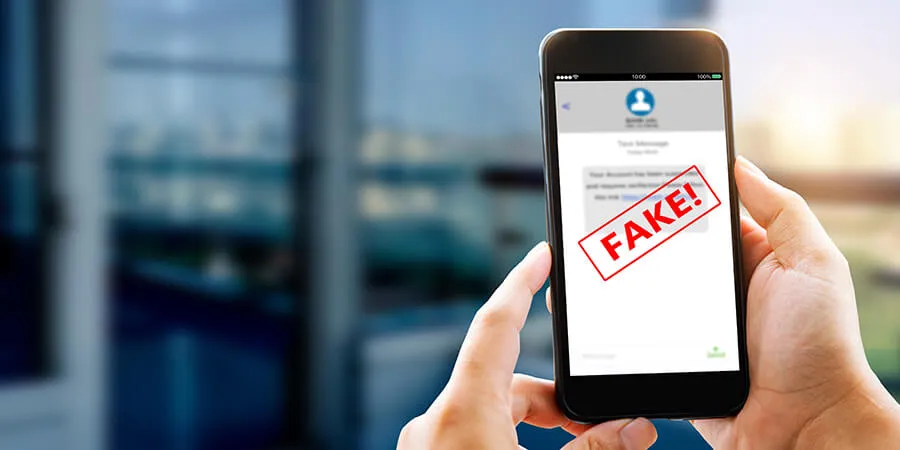
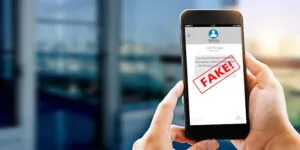
The message arrives like any other. It looks like it is from the bank, it carries the bank's name, and it asks for one thing: click the link and confirm your details.
NLB is warning that precisely these fake SMS messages are circulating, abusing the bank's name and brand to harvest personal and banking data. Recipients are asked to enter or confirm personal details, payment card information, or data linked to their electronic and mobile banking.
One rule that settles everything
The bank has issued a sentence worth memorising: "NLB will never ask you for a password, PIN or other confidential data via an SMS link."
That is not advice with caveats. It is an absolute rule, and that is exactly why it is useful. If a message asks for a password or a PIN via a link - however convincing it looks, whichever logo it carries, however urgent it sounds - that message is not from the bank. Full stop.
What this scam is called
This is what is known as "smishing" - an attempt to reach sensitive data through an SMS and a fake link, data that can then be abused. The same logic as phishing by email, only on a phone, where people read faster and pay less attention.
That is exactly why SMS works better than email for the fraudsters. You open an email on a computer, with time to read the sender's address. You open a text on the bus, in three seconds, while thinking about something else.
What this means in practice
NLB advises people to check every message and its source carefully before sharing any data at all.
The safest approach is simpler than checking: do not click a link in a message, ever. If you think the bank really is contacting you, open the app yourself or call the number you already know - not the number in the message.
This warning is a good thing to have. The question left over is how many people read the warning, and how many only read the message that reached them before it.
The latest 10 news from this category

200 business enquiries after a single demo on Hacker News. The leap from a small purpose-built model to a genuinely...

A business outlet reported the company was preparing a round - and the article fulfilled itself. The CEO's phone blew...

Europe finally has a tech company it calls its own. The infrastructure underneath it is held by Google, and the...
River AI has no product with a track record, but it has an xAI CV and a full bank account....
When the practice stopped, daily revenue visibly fell - so it was not a side effect. The founders knew from...
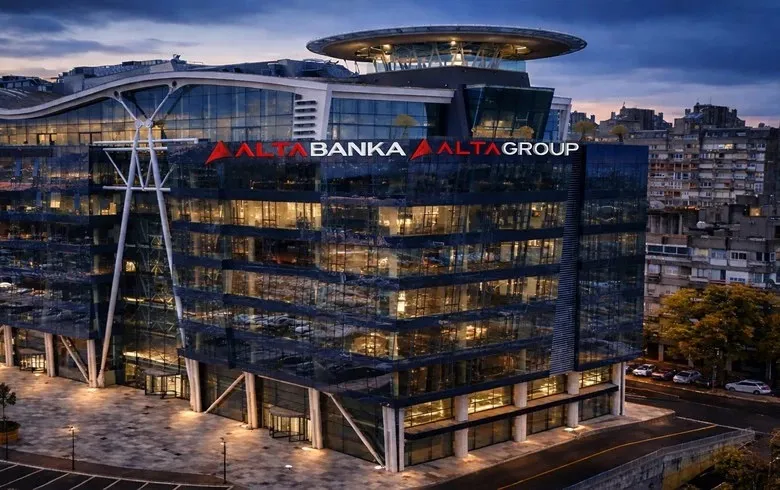
Serbian businessman Davor Macura took 100 percent of the shares through a block transaction, then recapitalised. Another financial brand is...

A billion-dollar lawsuit ended in an exclusive supply deal, and the exclusive deal in an acquisition. The civilian idea attracted...

A London district with 12.1 billion dollars in raised capital is asking itself whether it is a hub or just...

NextSlide turns notes and documents into slides. A company worth more than entire stock exchanges bought it quietly, and is...

Sequoia came in with a billion, the banks added another 200 million. The founder promises thousands of reactors a year...
This site uses cookies - is that okay? Learn more
Be the first to know when Metla launches something new
Leave your email and we will write when there is a new guide or something new on Metla.