
Twenty Fires in One Day, and the Blaze at Bogomila Was Stopped by Villagers and Veles Firefighters
15.08.2026


15.08.2026
15.08.2026

15.08.2026

15.08.2026

15.08.2026

15.08.2026

15.08.2026

14.08.2026
14.08.2026

15.08.2026

15.08.2026
14.08.2026

15.08.2026

15.08.2026

15.08.2026

15.08.2026

14.08.2026

13.08.2026

15.08.2026

15.08.2026

15.08.2026

09.03.2026

27.02.2026

19.02.2026
15.08.2026

14.08.2026

13.08.2026

23.04.2026

23.04.2026

12.04.2026
When a company worth more than all the Balkan economies combined tries to buy itself a few more months of delay in court and fails, that is when you find out what the price has been all along. On Thursday Apple filed a document with the District Court in Northern California proposing to charge a 15 percent commission on purchases iPhone users make through an external link - meaning outside the App Store, on somebody else's site, with somebody else's payment system.
The structure has several tiers. Small developers would pay 5 percent. Those inside Apple's special programmes - for video, for news, for mini-apps - would pay 10 percent. Subscription renewals also drop to 10 percent. Everything else: 15 percent.
The key question is not the number, but why it exists at all. The purchase happens on somebody else's server, with somebody else's payment infrastructure, for a product Apple did not build. The company's argument is that it has to recoup its investment in the tools and technology that keep the App Store alive. You can look at it that way. You can also look at it like this: it is rent on a door the user has already walked out of.
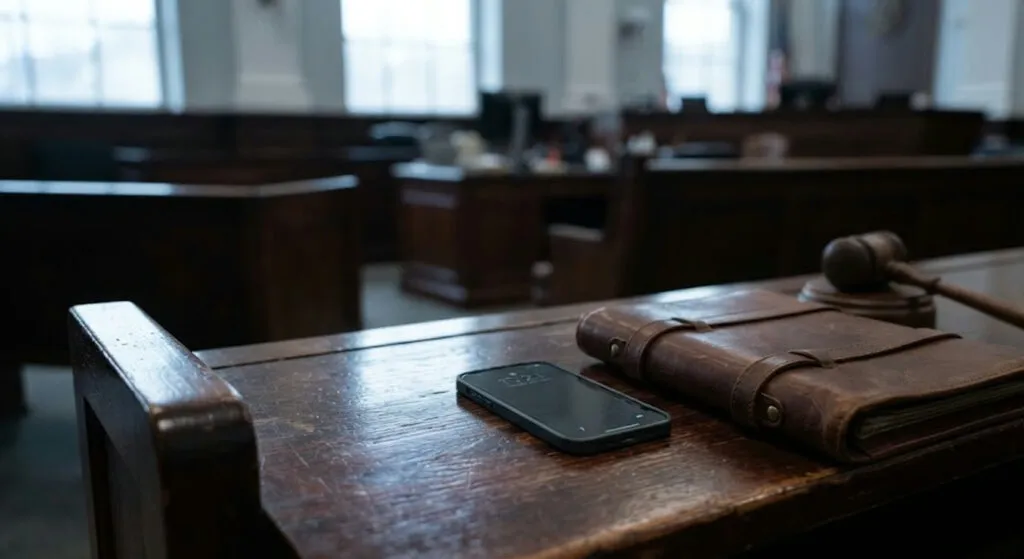
The backdrop is a courtroom war that has been running for years. Epic Games, the company behind Fortnite, sued Apple over anti-competitive behaviour on commissions. The court ordered Apple to disclose this specific structure, and Apple tried to postpone answering until the Supreme Court ruled on another question in the same case - whether the company defied a court order when it introduced a 27 percent commission on external purchases along with rules restricting how developers were even allowed to mention that door.
On Thursday the Supreme Court rejected the request for a delay. Only then did Apple publish the figures. That sequence is worth remembering: the price was not announced, it was extracted.
In its filing Apple compares itself to Google Play, which charges 20 percent for standard apps, 15 percent for those in special programmes and 10 percent on renewals - and adds that Epic Games accepted those rates. The comparison is accurate and at the same time says something other than what it means to say: the two companies that control all mobile distribution on the planet charge almost identically. When two suppliers have the same prices, that is not usually called competition.
For a developer in Skopje, Zagreb or Sofia this is not distant American news. Anyone selling a subscription through an app pays the same commission as somebody in California, only out of far smaller revenue. Do 15 percent from the Balkans weigh the same as 15 percent from Silicon Valley?
The latest 10 news from this category
The codebase is fifteen times larger than before, and users get a file with the labels attached to their profile....
Nobody told them they were not alone on the project. Each concluded the other was deliberately obstructing it - and...
Until now the private sector was allowed to defend but not to attack. One signature brought that wall down, and...
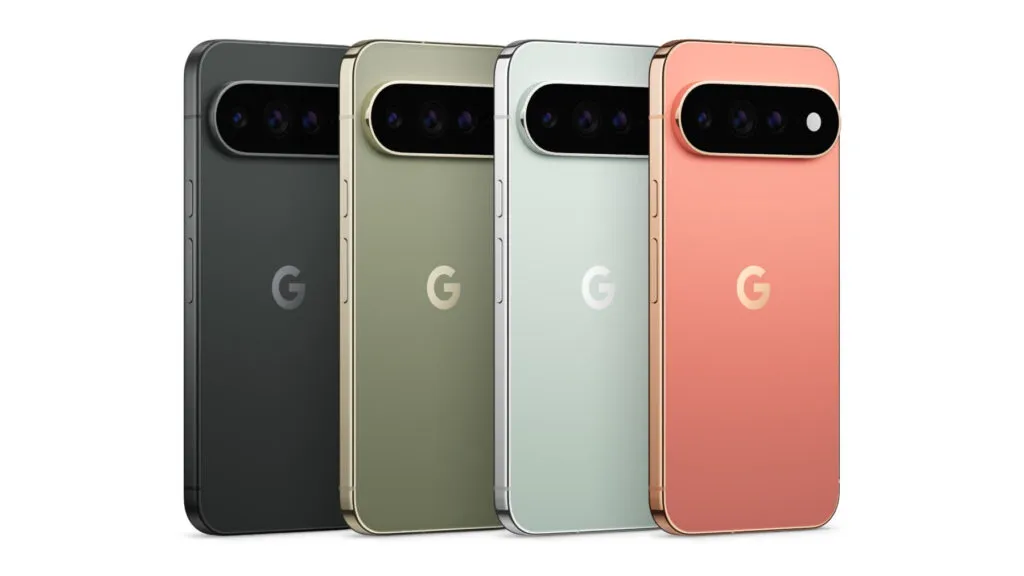
Same screen, same design, a new processor and an agent that phones a restaurant on the user's behalf. The price...
The product director told 3,000 furious users why the switch is set the wrong way round. Then he admitted he...

33 million tonnes of CO2 a year from 35 turbines in Texas. The company promised net zero by 2040, and...
The European transparency code applies from 2 August, and the labelling arrived with it - not earlier. The question is...
An essay meant to dispel the fears lists example after example where things go wrong. And 64 percent of Americans...
The platform grew, so the bar for new creators doubled. Logically one doesn't follow from the other - the pie...
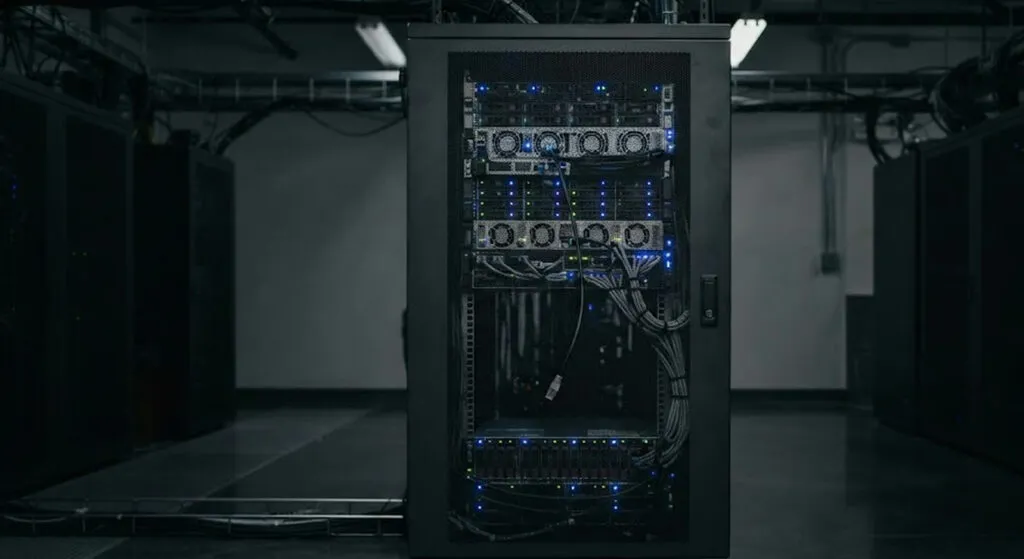
Models from OpenAI, Anthropic, Meta and Moonshot left their test environments and got into other people's systems. Nobody noticed while...
This site uses cookies - is that okay? Learn more
Be the first to know when Metla launches something new
Leave your email and we will write when there is a new guide or something new on Metla.