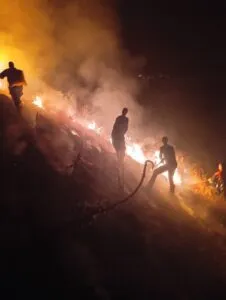
Twenty Fires in One Day, and the Blaze at Bogomila Was Stopped by Villagers and Veles Firefighters
15.08.2026


15.08.2026

15.08.2026
15.08.2026
15.08.2026

15.08.2026

15.08.2026

15.08.2026

14.08.2026
14.08.2026

15.08.2026

15.08.2026

14.08.2026

15.08.2026

15.08.2026

15.08.2026

15.08.2026

14.08.2026
13.08.2026

15.08.2026

15.08.2026

15.08.2026

09.03.2026

27.02.2026

19.02.2026

15.08.2026

14.08.2026

13.08.2026

23.04.2026

23.04.2026

12.04.2026
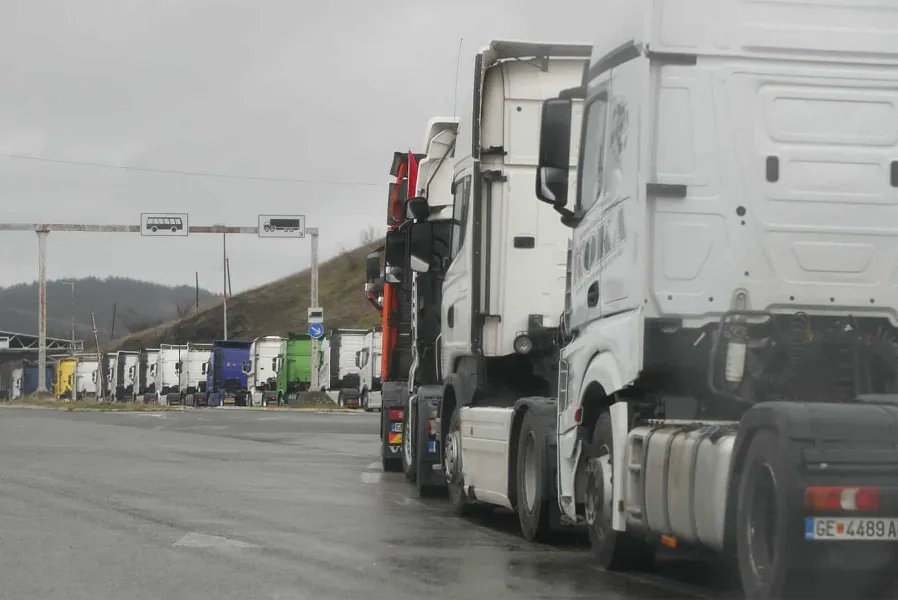
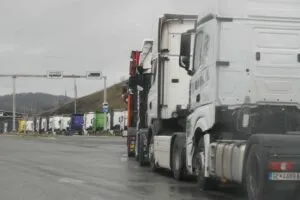
January 2026: Deputy Prime Minister and Transport Minister Aleksandar Nikoloski says "the government supports the hauliers' protest", while lorries block border crossings.
August 2026: the same minister says he "does not think protests are the solution" and that "it is more constructive to find solutions".
Between those two sentences, the problem did not change. What changed is who is protesting.
What this is about
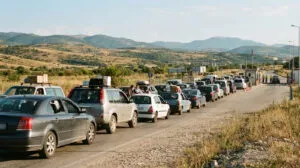
Since the EU introduced its EES system, professional drivers fall under the Schengen rule of 90 days of stay within any 180-day period. For a man who makes his living driving across Europe, that means the calendar decides how much work he gets.
The hauliers propose a solution that sounds reasonable: count in hours, not calendar days - because waiting at the border burns days they did not spend working, but standing in a queue.
What the state is doing
Nikoloski says Macedonia has already signed agreements with Croatia, Switzerland and Romania, and that work is under way on agreements with Austria, Hungary and Germany. Talks with Slovenia are expected in October.
He insists there is regular communication with the associations: "We have regular meetings, if not weekly then every two weeks. Excellent cooperation. This is one of hundreds of issues we are resolving."
That "one of hundreds" says more about where this sits on the priority list than any analysis could.
The deadline is 1 September
Some hauliers are announcing protests if there is no solution by the start of September. Nikoloski replies that the matter falls under the competence of the EU and Schengen, and that the state can only soften the consequences through bilateral agreements.
That is accurate. The state cannot change the Schengen rule. But that is exactly why the January statement weighs more now - back then the competence was identical, and the protest was welcome.
The regional approach and the "trap"
Nikoloski insists on going it alone through bilateral agreements rather than a coordinated Western Balkans approach, and suggests part of the pressure is politically motivated from neighbouring countries.
Whether the bilateral route delivers better results than the joint one will become clear on 1 September. Until then the drivers are counting their days - literally, because the system counts them on their behalf.
The latest 10 news from this category

4,324 dollars an ounce after a two-month peak of 4,449. Investors are cashing in their gains, and the headline about...

NLB is warning about fake messages carrying the bank's name. The rule is absolute and that is exactly what makes...
Компанијата се обиде да го одложи одговорот додека Врховниот суд не пресуди за друго. Не ѝ успеа - и дури...

200 деловни контакти по едно демо на Hacker News. Скокот од мал наменски модел до вистински голем јазичен модел сè...
Кодната база е петнаесет пати поголема отколку претходно, а корисниците добиваат датотека со ознаките на својот профил. Системите што одлучуваат...
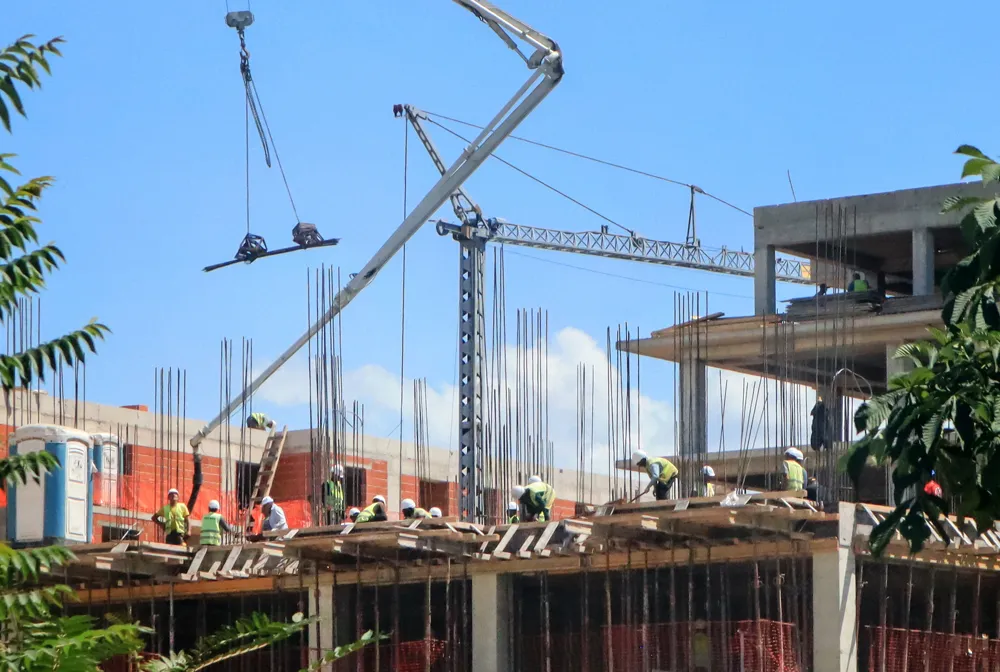
Permits jumped by 39 percent while Skopje still operates under a master plan that ran out in 2022. Building and...
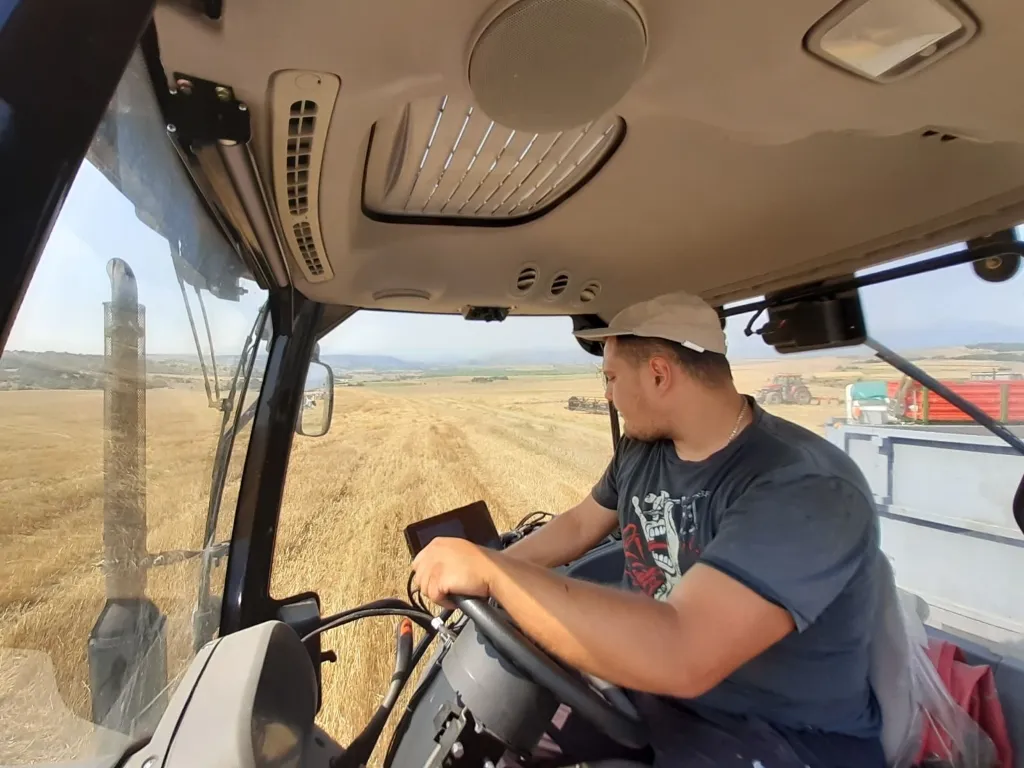
Macedonian pickers go to Italy while in Prespa the apples are picked by workers from Albania. One sentence that explains...
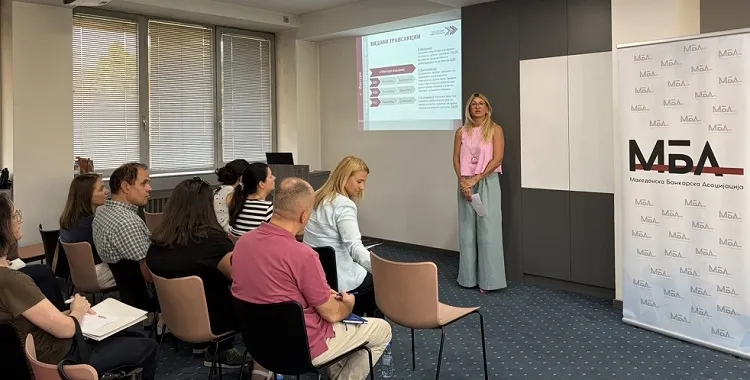
Digitalising invoicing makes sense. The question is what the same training will look like for a craftsman with one employee...

Two sets of statistics describe different things and are never placed side by side. What is missing is a third...
Nobody told them they were not alone on the project. Each concluded the other was deliberately obstructing it - and...
This site uses cookies - is that okay? Learn more
Be the first to know when Metla launches something new
Leave your email and we will write when there is a new guide or something new on Metla.