
Fifty-two fires in a single day: the flames reached houses in Bogomila, and the whole country has three air tractors
14.08.2026


14.08.2026

14.08.2026

14.08.2026

14.08.2026

14.08.2026

14.08.2026

14.08.2026
14.08.2026

14.08.2026

14.08.2026

14.08.2026

13.08.2026
14.08.2026

14.08.2026
14.08.2026
14.08.2026

13.08.2026
12.08.2026

14.08.2026

14.08.2026
14.08.2026

14.08.2026

14.08.2026

13.08.2026

09.03.2026

27.02.2026

19.02.2026

14.08.2026

13.08.2026
12.08.2026

23.04.2026

23.04.2026

12.04.2026
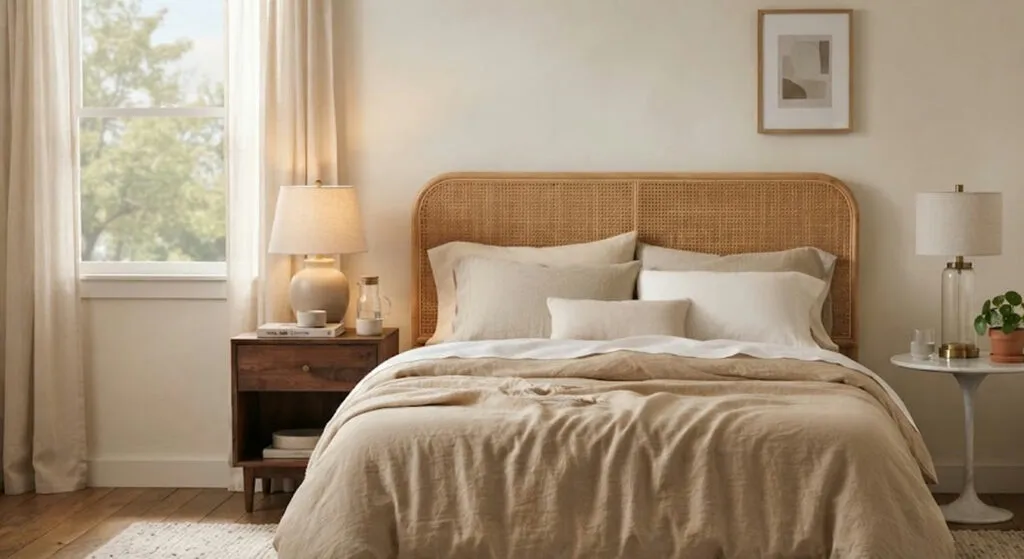
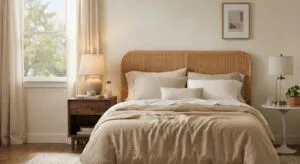
The bedroom set - the bed, two identical nightstands, maybe a chest of drawers from the same range - was the safest way not to get it wrong. And that is exactly why it is now disappearing. Designers this year say that mixing materials, shapes and heights delivers far more than repeating the same model twice.
The starting point is almost always the same: the headboard is chosen first, and the doubts begin when it is the nightstands' turn. Repeat the same wood? Bring in a different material? Go for contrast or for continuity? There is a fourth option that is becoming increasingly common - replacing one nightstand with a chest of drawers, if the space or the storage need calls for it.
There is no universal rule. The link between headboard and nightstands can be built through material, through proportion, through shape or even through the height of the pieces. What matters is not that they look like they came from the same collection, but that they work together and the result feels balanced.
When the nightstand is the main event
One solution is to keep the dramatic effect entirely for the nightstand - the headboard stays calm and neutral, and next to it stands a piece with a pronounced form. Designer Bieke Casteleyn and her „Out of Line” model go exactly in that direction. The logic is simple: if everything is interesting, nothing is.
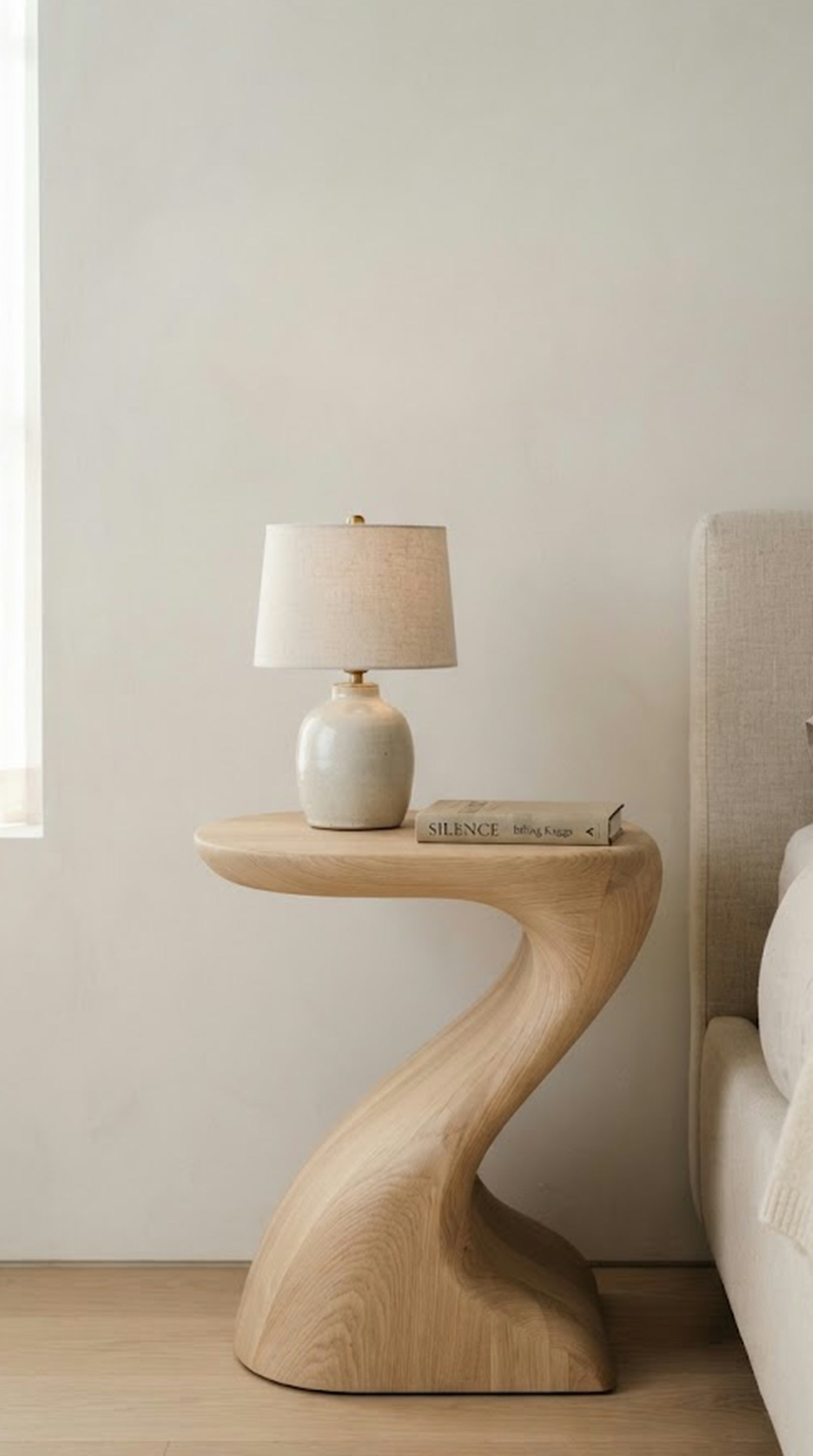
The opposite approach does the same thing through material rather than shape. Natural fibres and wood together - rattan, straw, walnut - create a link that does not require the pieces to match. Interior designer Alberto Torres uses that combination, and it works in a sixty square metre flat as well as in a house.
When there is no headboard at all
There is also a version where the bed goes without a headboard and the whole stage belongs to the nightstand. That solution takes nerve, because a headboard usually hides all the imprecision of the wall behind it - but when it works, the room looks lighter than it is.
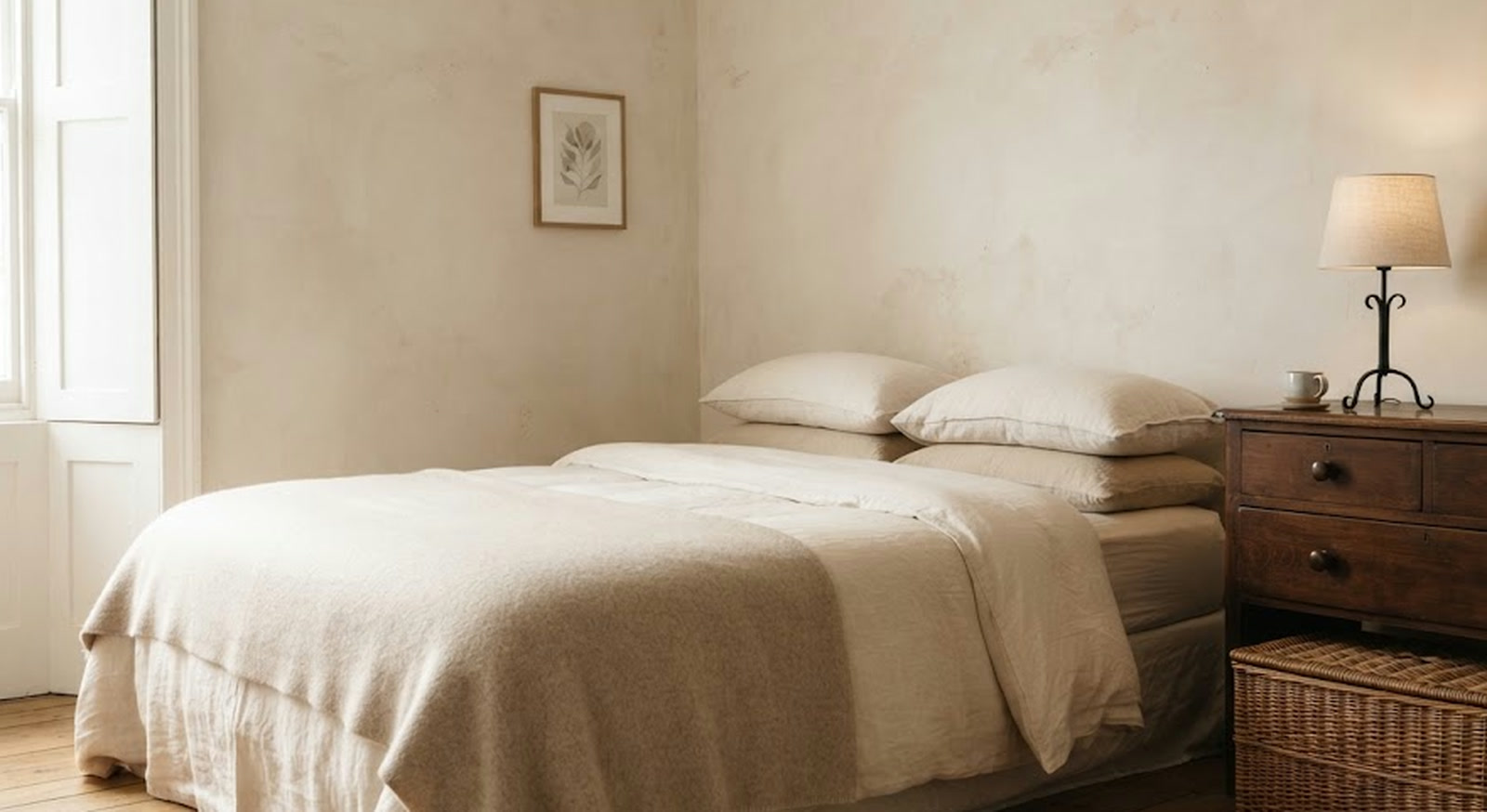
Between those extremes lies a whole spectrum: dark furniture holding the room together, latticework details combined with wood, a nod to the seventies through rounded forms, wrought iron with wood, or an open mix of styles that looks collected over years. The last is the hardest to pull off deliberately and the loveliest when it works.
Why this is good news for our flats
The end of the set is not only an aesthetic trend. Here the set was a solution born of necessity - one purchase, one delivery, a finished room. Mixing means the nightstand inherited from a grandmother does not have to be thrown out to make room for a new bed, and that finding one good piece in a sale does not oblige you to hunt down its twin.
That is the difference between a room that was bought and a room that was assembled. The second usually costs less and almost always looks more interesting.
The latest 10 news from this category
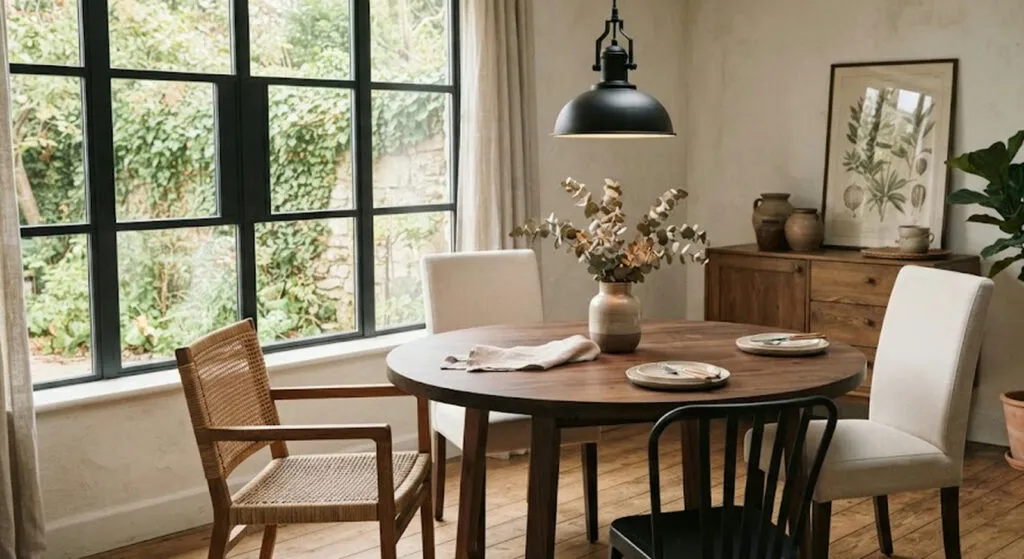
If you like the table but the chairs have fallen apart, you do not have to throw everything out. The...
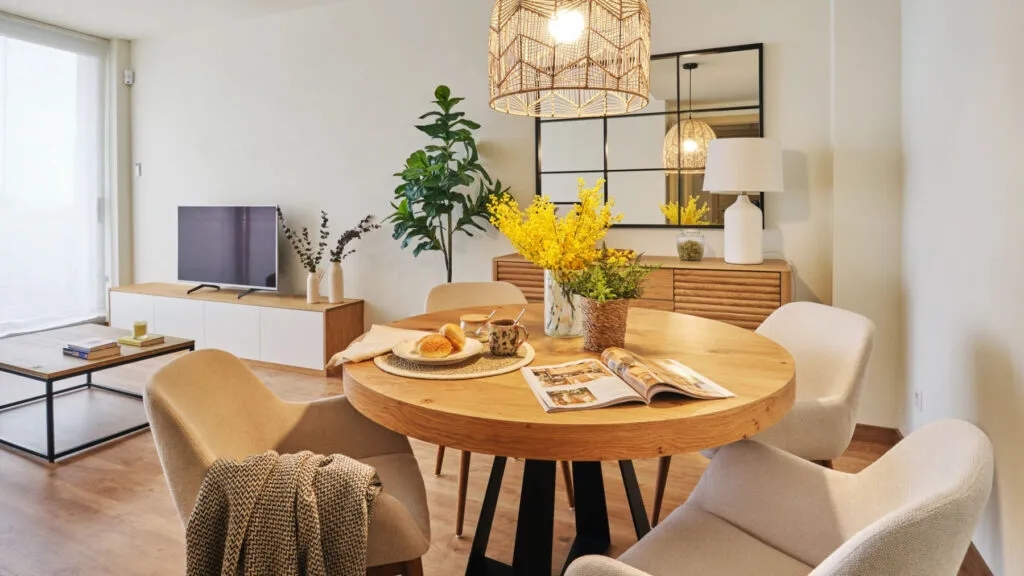
White walls, low furniture and lots of mirrors produce flats that photograph well and live badly. Ten pieces of advice...
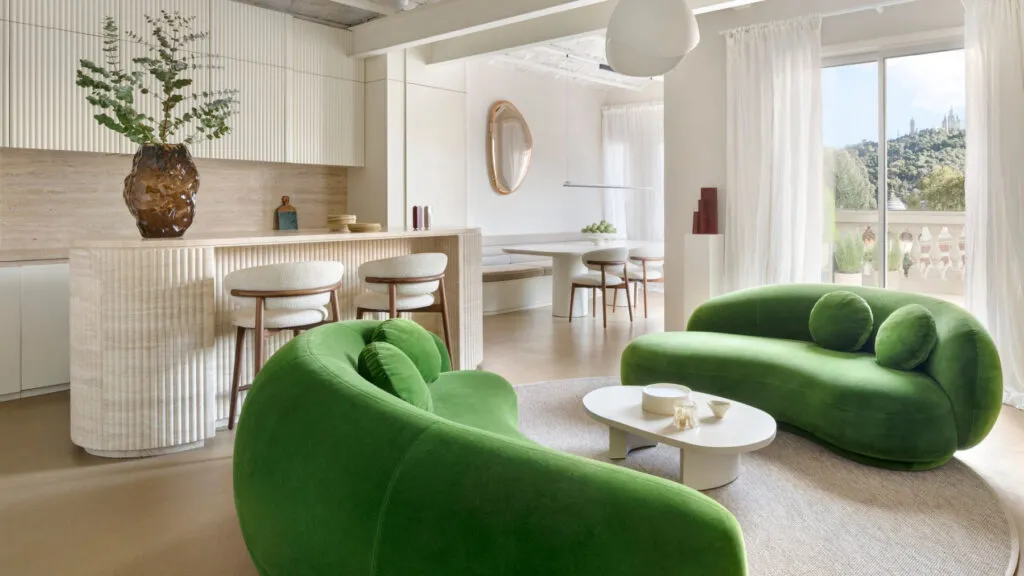
The Catalan vaults stayed, the walnut joinery stayed, and on top of it came an intervention that deliberately does not...
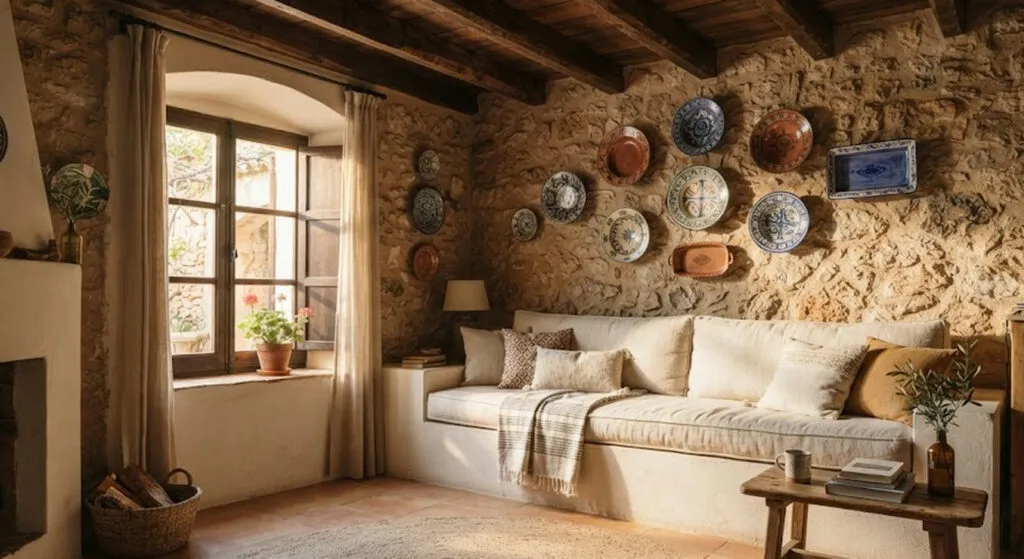
Everyone who walks into an inherited house tells you what should come down. The architect here did the opposite, and...
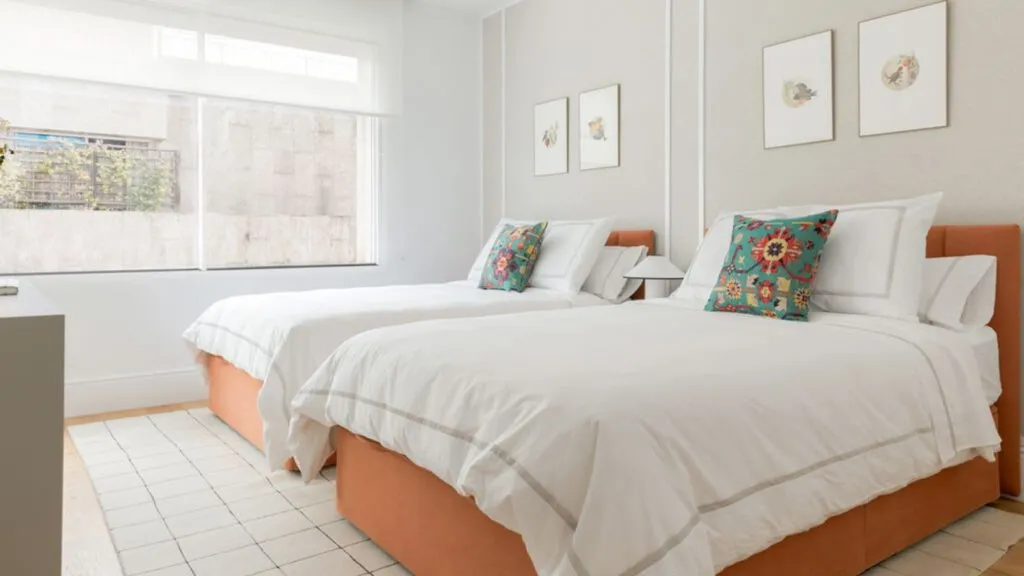
A family that sleeps badly for fifteen years is normal. A family that puts in two beds becomes neighbourhood gossip....
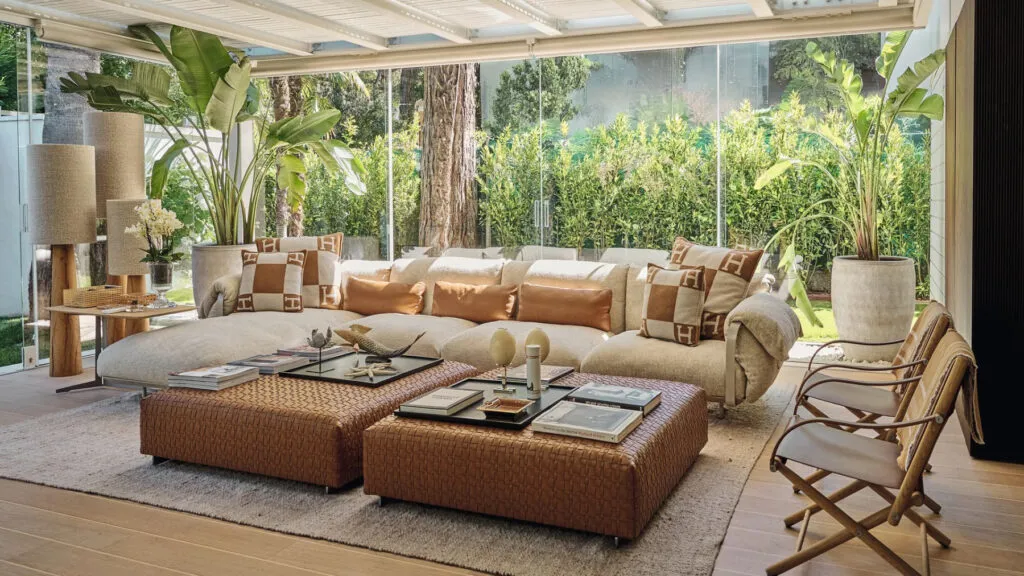
Three floors, each with a clear function, and one black kitchen that deliberately breaks the harmony. The most treasured object...

Seven buildings, a private harbour and vineyards - none of it is applicable. But the principle behind the interior costs...
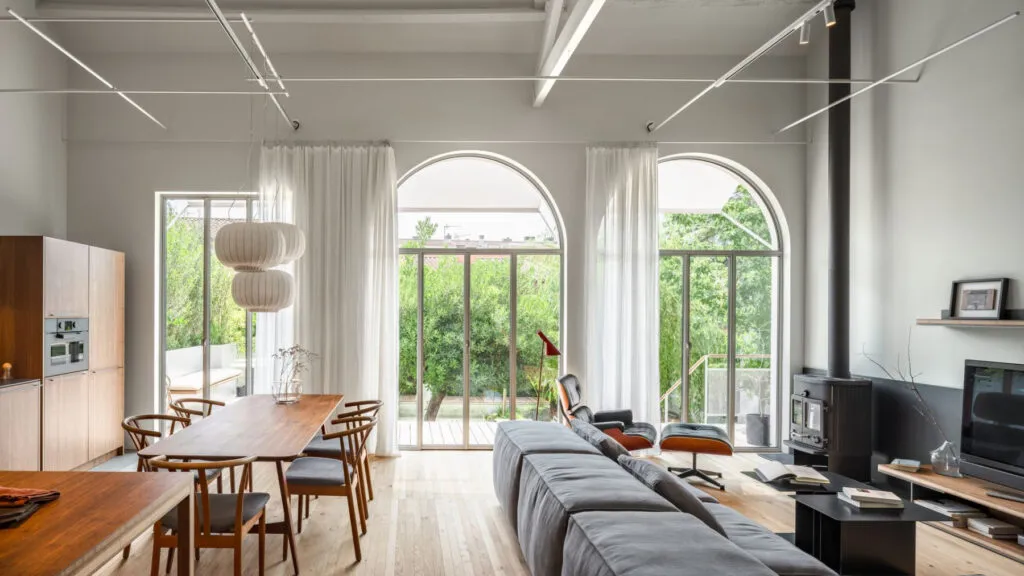
The most expensive decision in the whole renovation was not to touch what already worked. Under the false reed ceiling,...
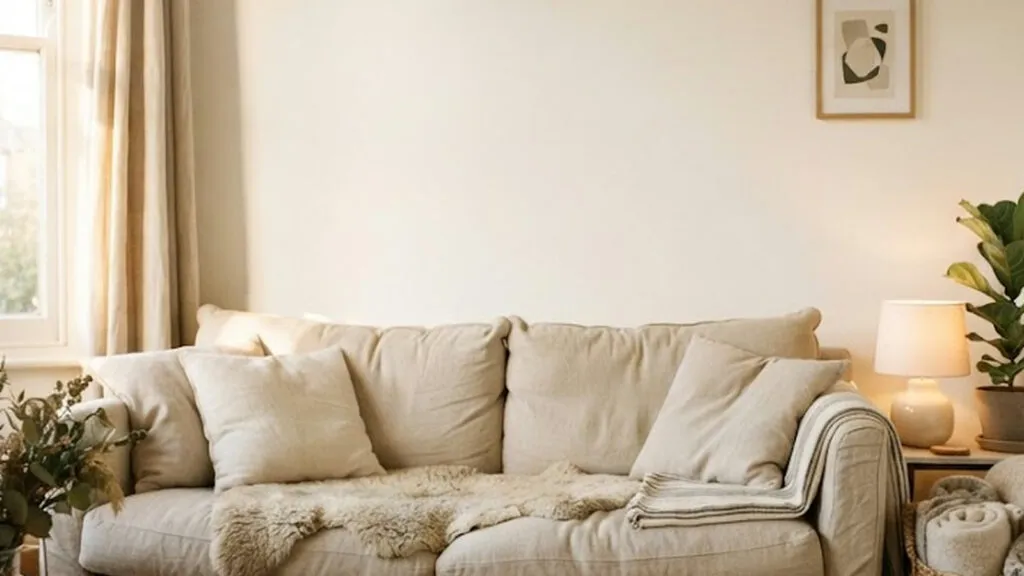
A photo does not show you where the backpacks get dumped when the kids come home from school. You end...
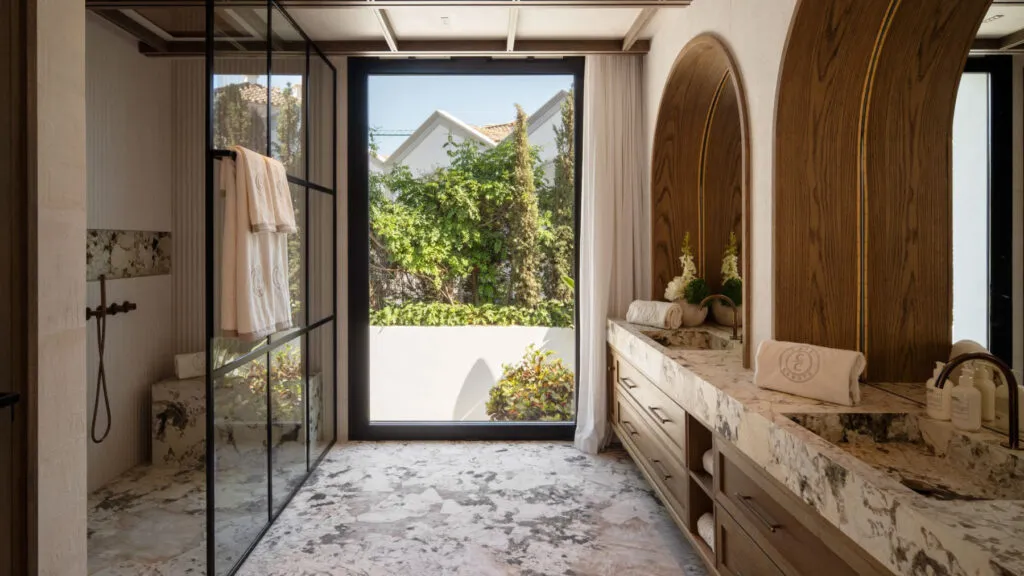
A 1.5 percent floor fall, a shower head at 2.20 metres, a bench at 45 centimetres. Almost nothing on this...
This site uses cookies - is that okay? Learn more
Be the first to know when Metla launches something new
Leave your email and we will write when there is a new guide or something new on Metla.