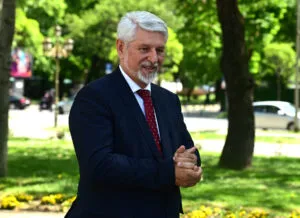
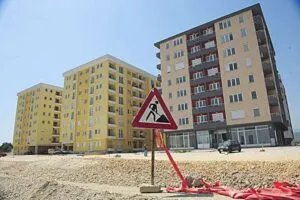
A New Criminal Complaint Against Jakimovski: A Building Permit Based on a Plan Struck Down Back in 2018
16.09.2026


16.09.2026
16.09.2026

16.09.2026
16.09.2026
16.09.2026

16.09.2026

16.09.2026
15.09.2026

14.09.2026

16.09.2026
16.09.2026

15.09.2026

16.09.2026

15.09.2026

14.09.2026

16.09.2026

16.09.2026

16.09.2026

16.09.2026

15.09.2026
15.09.2026

09.03.2026

27.02.2026

19.02.2026
16.09.2026

15.09.2026

14.09.2026

23.04.2026

23.04.2026

12.04.2026

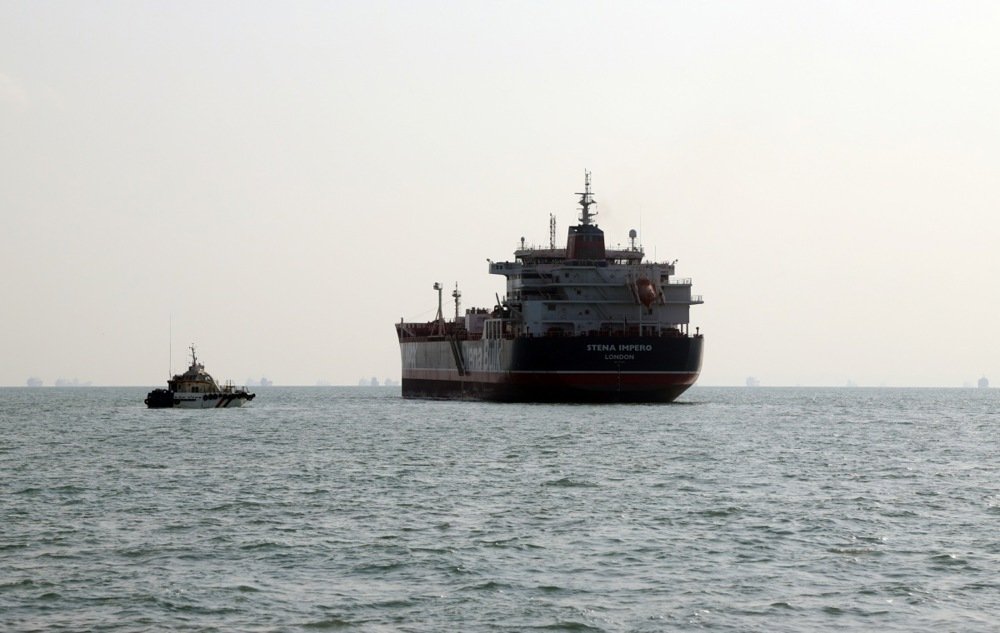
Two million barrels a day. That's how much oil passes through the Strait of Hormuz — and that's how much is now trapped. The American blockade of the planet's most important oil corridor isn't just a military operation, it's an economic atomic bomb with delayed detonation.
Iran responds with rhetoric calibrated for domestic consumption: "American ships will be sunk to the bottom of the sea." Sounds dramatic, but the last time Iran directly confronted the American navy, the result wasn't great for the challengers. The real threat isn't Iranian missiles — it's the global oil market teetering on the edge of collapse.
Ships under sanctions are already passing downstream from the strait as the blockade begins — which means either the blockade is selective, or it's chaotic. Both options are bad. Selective blockade means Washington writes the rules in real time. Chaotic blockade means no one controls the situation.
For ordinary people, from Skopje to Singapore, this means one thing — pricier oil, pricier transport, pricier everything. The global economy, barely recovering from the last shocks, is now absorbing yet another hit. And while generals and diplomats calculate with ships and barrels, the bill lands on the people standing at fuel pumps.
The Strait of Hormuz is narrow — barely more than 40 kilometers at its tightest point. But the consequences of closing it stretch across the entire planet. And for now, neither side shows any intention of backing down.
The latest 10 news from this category

Sanctions imposed over one war are being offered as currency in an entirely different dispute. Most member states are against...
El Nino in the Pacific shifts the currents that decide where snow falls. An area that usually gets a metre...
The easiest way to dismiss an uncomfortable argument is to point at who is making it. But that does not...

The appeals court ruled the entire trial must start over. The son of Norway's queen is waiting for it on...
Trump scaled back the military exercises to ease the tension, and Wonsan answered in the form of projectiles. What does...
The sanctions list got a seven-day extension instead of one measured in months, a move diplomats themselves call unprecedented. Two...
Switzerland offered a table for talks on Ukraine, Moscow replied that the table stopped being neutral once Bern adopted EU...
The will says one thing, a committee of twenty-one men decided another. The queen mother says the army pulled the...
A country that was Europe's byword for stability for decades now has a parliament split into two blocs by a...
Sixteen years in power, defeat at a regular election, five months of quiet - and now the election result is...
This site uses cookies - is that okay? Learn more
Be the first to know when Metla launches something new
Leave your email and we will write when there is a new guide or something new on Metla.