Eye Surgeries Billed Twice, Up to 4,000 Patients Hit: The Violations Were Known, the Fines Never Came
30.10.2026


30.10.2026
30.10.2026
30.10.2026
30.10.2026
30.10.2026
30.10.2026
30.10.2026
29.10.2026

29.10.2026
30.10.2026
30.10.2026

29.10.2026
30.10.2026

30.10.2026

30.10.2026
30.10.2026
29.10.2026

28.10.2026
30.10.2026

30.10.2026

30.10.2026
30.10.2026
30.10.2026

30.10.2026
30.10.2026
29.10.2026
28.10.2026

23.04.2026

23.04.2026

12.04.2026

Serbia has new winners, but still no new prime minister. And now, it seems, there's no clear answer either to the question Brussels has been asking for years: will Belgrade impose sanctions on Russia? Ilija Srdanović, who headed the Student List that won the snap parliamentary election on 25 October, gave this answer in an interview:
"Of course that will be a dialogue within our community. All questions of international relations must be resolved through open dialogue with our citizens. That cannot be decided by one man. We made an effort, and we succeeded, to make sure a system of rule in which one man decides never comes back to life."
Sounds democratic. Except it's not an answer, it's a postponement. Right after the victory, some people from the Student List publicly said there would be no sanctions - Radomir Saičić dismissed the possibility without a second thought. Now what comes from the top of the list isn't "no", but "we'll talk about it". In Serbian politics, a nuance like that is rarely just a nuance.
A warning came from Zagreb too. Arsen Bauk, a member of the Croatian parliament, said the winning group is heterogeneous, with different views on both the future and the past. "We'll see which current prevails and how decisions will be made, because there's no classic political party there, they don't even have a candidate for prime minister. This was obviously an experiment," Bauk said.
That's the core of it. A movement still looking for its prime minister now has to decide on Serbia's toughest foreign policy question. "Dialogue with citizens" is a nice phrase when you're deciding on parking in a neighbourhood. When you're deciding whether a candidate country follows Brussels or stays close to Moscow, it starts to look like running away from an answer.
For Macedonia, this is no distant topic. Skopje adopted the EU sanctions against Russia long ago and ended up on Moscow's list of "unfriendly states". Belgrade spent years balancing between the two sides. Will the new government change that balance - or just give it a nicer name?
Srdanović says the era when one man decided is over. Good. But when everyone decides, someone still has to say what the decision is.
The latest 10 news from this category
A Chinook carrying 15 people went down over Gorice near Brčko, killing four. Three decades after Dayton, peace in Bosnia...
The student list leads by more than 582,000 votes, and 24,438 voters will cast ballots in the rerun - the...
Four days after the election, the defeated Vučić is talking about "revolutionary terror", while the regulator is already opening proceedings...
A Novi Sad professor said out loud what has been true on the ground for 27 years, and media close...
Witnesses claim: 4,000 police officers, groups in black and street lights switched off - and then, at 21:30, a retreat....
During the campaign he was shown in a positive light 96 percent of the time - and still lost. Now...
The new government in Belgrade hasn't even been formed yet, and Brussels has already set the terms: sanctions on Moscow...
Tabloids close to Vučić claim she announced the recognition of Kosovo. Biserko herself says she doesn't know what the new...
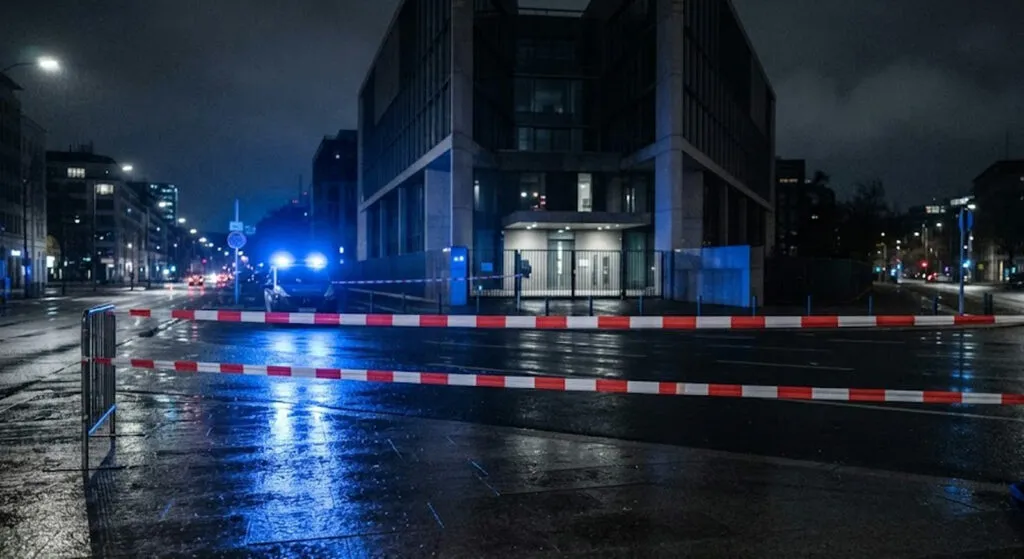
Serbia is on red terror alert after the overnight attack. Minister Dačić says the attacker was an Islamic State supporter...
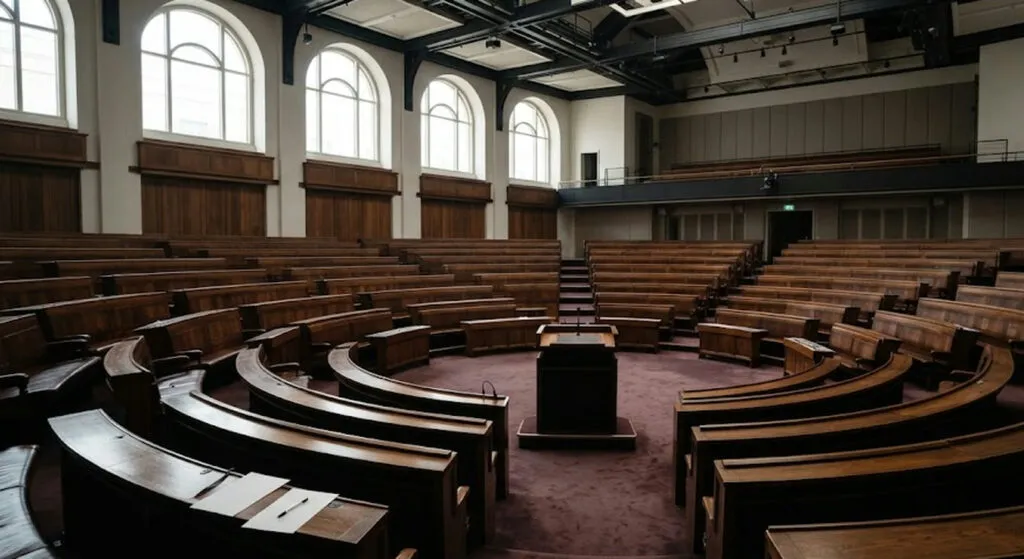
Victory in Serbia came from a single goal - bringing Vučić down. But among the 140 MPs sit people who...
This site uses cookies - is that okay? Learn more
Be the first to know when Metla launches something new
Leave your email and we will write when there is a new guide or something new on Metla.