
Six Years of Fake Licence Categories Issued From an Interior Ministry Desk: Six Charged, 21 More Under Investigation
21.09.2026


21.09.2026

21.09.2026

21.09.2026

21.09.2026

21.09.2026

21.09.2026

21.09.2026

20.09.2026

20.09.2026

21.09.2026

21.09.2026

20.09.2026

21.09.2026
21.09.2026

21.09.2026

21.09.2026

20.09.2026

19.09.2026

21.09.2026

21.09.2026

21.09.2026

21.09.2026

21.09.2026

21.09.2026

09.03.2026

27.02.2026

19.02.2026

21.09.2026

21.09.2026

20.09.2026

23.04.2026

23.04.2026

12.04.2026

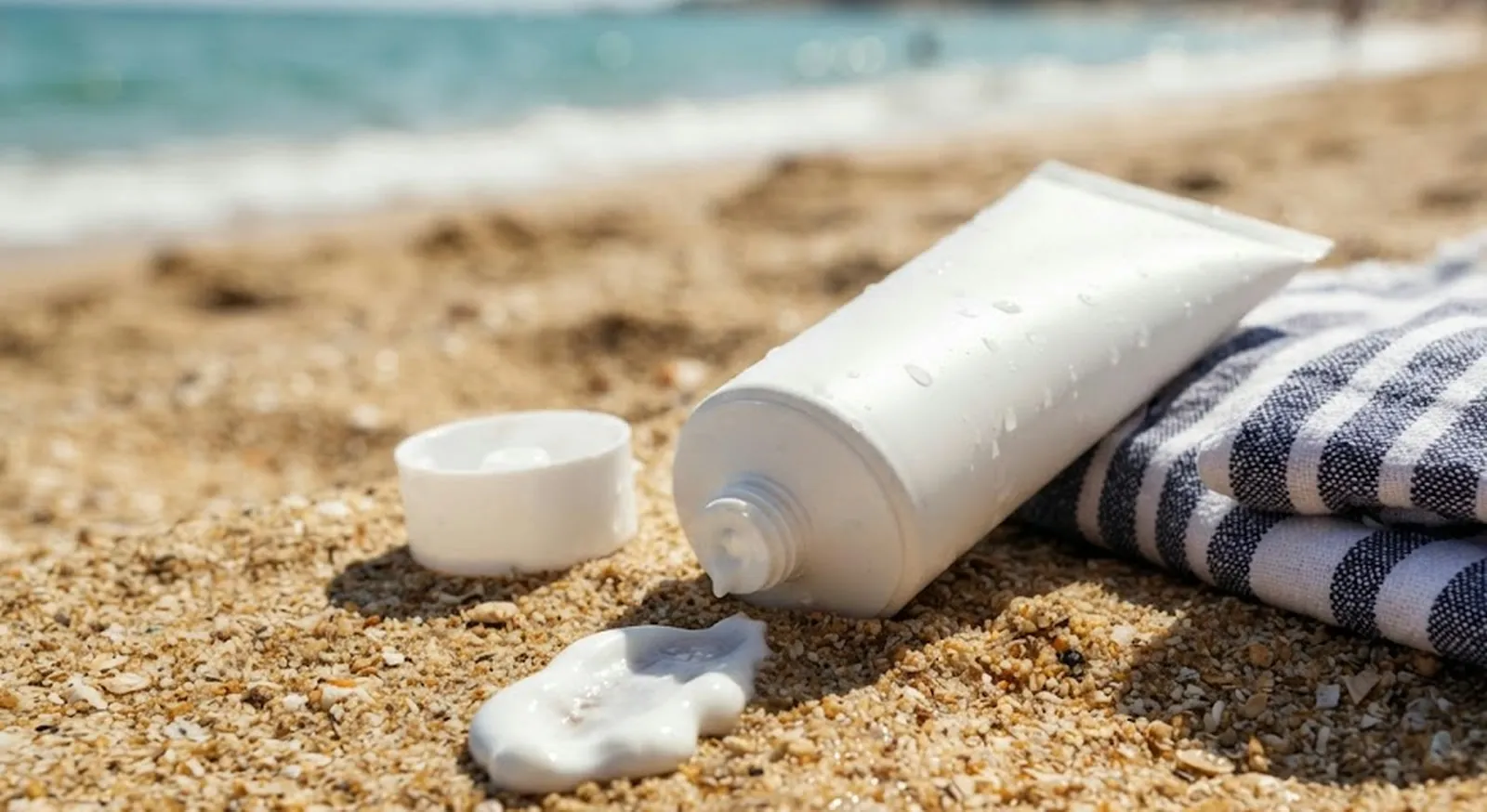
The bottle says „water resistant” and we read it as „no need to do it again”. That is the mistake dermatologists repeat every summer, and every summer somebody comes back from the beach burned and confused because they „put it on in the morning”.
Dr Miguel Sánchez Viera, director of the Institute of Integral Dermatology, puts it very directly: „Water resistant doesn't mean waterproof. These products are formulated to retain part of their effectiveness while you swim, but you always lose some of the product in the water. When you dry yourself with a towel, you remove even more, even if you're careful.”
So that's two losses, not one. First the water, then the towel. And the second is bigger than we think, because friction does precisely what a cream cannot defend itself against.
The mechanism is simpler than it sounds. Sunscreen forms a very thin film on the skin that intercepts ultraviolet radiation. Over hours, that film stops being even - sweat, friction and water strip it unevenly, leaving patches with no protection. On top of that, the filters themselves gradually lose their capacity to absorb or reflect radiation. The cream doesn't stop working all at once; it works worse and worse, and you can't see it happening.
There is another myth about the number on the bottle. SPF shows how much UVB radiation it filters and by how much it multiplies your time without burning - around 300 minutes with SPF 30, around 500 with SPF 50, against ten minutes with nothing. But the key part comes next: both SPF 30 and SPF 50 must be reapplied equally often. The higher number doesn't buy you more time between applications. It buys you higher protection within the same interval.
In practice, three things carry the whole difference. Apply the cream 20 to 30 minutes before going into the sun, so the filters bind and form an even layer. Reapply after every swim, without exception. And where possible, dry the skin before applying, because sunscreen holds better on dry skin.
None of this requires a new product. Which is also why we rarely hear it said out loud - advice that isn't for sale rarely gets an advertising budget.
The latest 10 news from this category

Three days in a lab coat with colorimetry scientists to produce a collection in lime and tangerine. The design director...
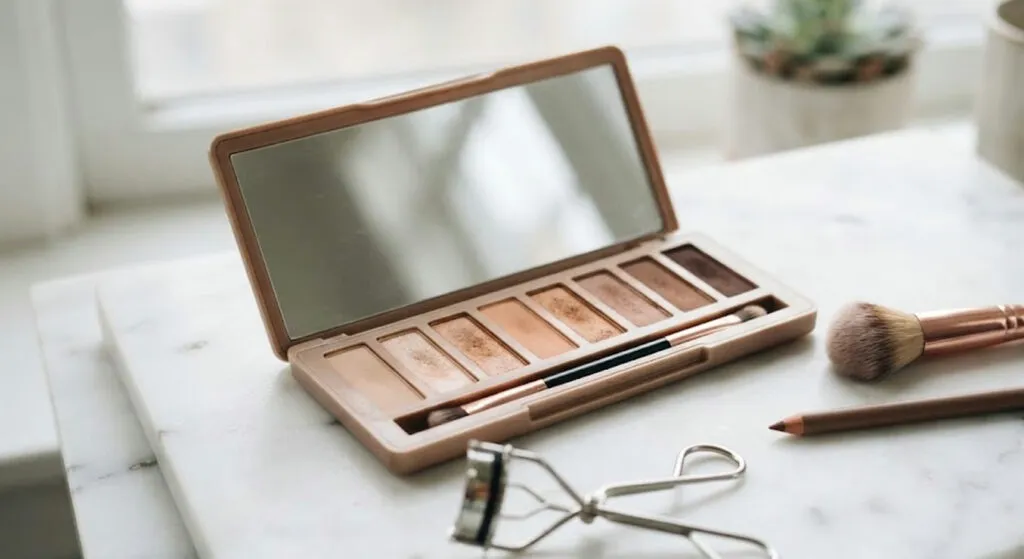
Cream concealer instead of powder, a brown pencil instead of black eyeliner, and a curler before the mascara. Not one...

A boat-neck gown and wildflowers that deliberately refuse to compete with the jewellery. A fourth generation under the same diadem,...

A communications expert says the trouser suit sidesteps sexist readings of hemlines and necklines. The same expert warns that the...

Dermatologists explain why the shedding arrives with a two to three month delay and why iron and vitamins do not...

Silk bambula muslin, a hand-draped waist and a veil of crystal organza. The wedding was held in Cadiz, where the...

An industry that spent decades selling a flawless illusion is suddenly showing the shoot itself. That is not candour -...

The classic bob promised one perfect day. This version works against the salon business model - and that alone is...

The crowns were held by four men who would all later sit on thrones of their own. Nobody in that...

Kate Middleton dropped the beige and the same cut suddenly looked twice as expensive. The industry sells a new silhouette...
This site uses cookies - is that okay? Learn more
Be the first to know when Metla launches something new
Leave your email and we will write when there is a new guide or something new on Metla.