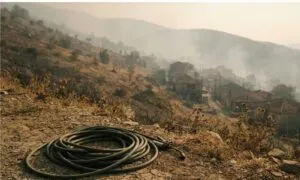
Three planes over Studeničani, crews staying all night: „No danger" is an assessment, not the end of the fire
20.08.2026


20.08.2026

20.08.2026
20.08.2026

20.08.2026

20.08.2026

20.08.2026
20.08.2026
19.08.2026
18.08.2026
20.08.2026
20.08.2026

19.08.2026

20.08.2026

20.08.2026
20.08.2026
20.08.2026
19.08.2026
18.08.2026
20.08.2026

20.08.2026
20.08.2026
20.08.2026

20.08.2026
19.08.2026

09.03.2026

27.02.2026

19.02.2026
20.08.2026
19.08.2026
18.08.2026

23.04.2026

23.04.2026

12.04.2026
Heading to Greece? We have a complete guide - live border, beaches, prices and documents.
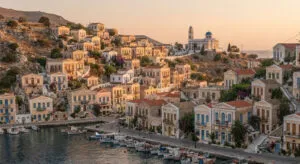
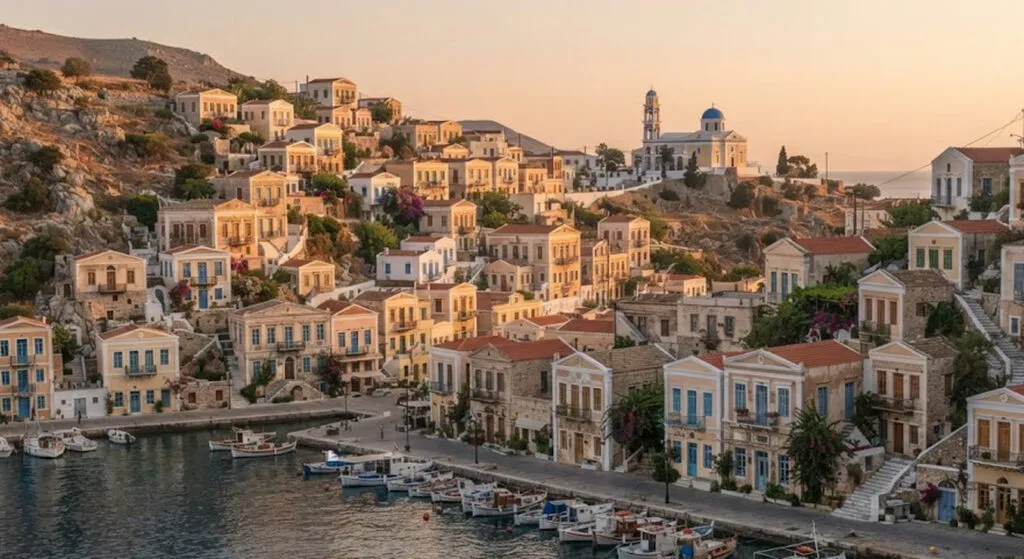
Say „Greek island\" and the same picture lights up instantly: white houses, blue shutters, windmills, a crowd queueing for the same photograph. Syros is not that. And that is exactly why it is worth it.
Syros sits in the heart of the Cyclades, but its architecture is neoclassical and Venetian rather than Cycladic. The capital, Ermoupoli, was founded by refugees during the Greek war of independence - people who arrived with nothing and built a town that today looks grander than many far larger places.
Two peaks stand above the town, each with a church on it: the Orthodox „Saint Nicholas\" and the Catholic „Saint George\". The Catholic one was founded around 1208, after the Venetian settlement, and survived several destructions, among them an Ottoman attack in 1617. Two churches, two rites, the same hill - and centuries without that being a problem. In the Balkans that sentence sounds almost like science fiction.
Medieval Ano Syros was founded by the Venetians in the 13th century after the Fourth Crusade, and the layout of the lanes is no accident - the labyrinth is deliberate, built to defend against pirates. Today it holds workshops, brightly painted doors and tavernas where you eat without a reservation and without an English menu.
The lower part of the town is a story about 19th-century money. Miaouli Square is dominated by the town hall, the work of German architect Ernst Ziller, considered one of the finest public buildings in Greece. Right next to it is the „Apollo\" theatre, opened in 1864 and inspired by La Scala in Milan - and to this day it still hosts performances and concerts. The island with no windmills to photograph has an opera house.
Food is what tells you fastest where you are. On the waterfront they serve kaparosalata - caper salad - then marathopita, fennel pie, fresh Aegean fish and loukoumia scented with rose water and bergamot.
Kini is an old fishing village with a sunset that keeps people longer than they planned. Galissas has a broad bay and shallow water - important information if you are travelling with children. Agathopes offers clear water. And in Posidonia stand neoclassical summer villas with gardens of bougainvillea and palms, left over from the time when merchants from this island had the money to afford taste.
Syros is also the administrative centre of the Cyclades, which means it lives outside the season too - there is work, there are schools, and there are people who stay once the charters stop. That is the difference between an island and a stage set. Anyone who drives south every summer recognises it: a place that is lived in also in September receives you differently from a place that exists only three months a year.
The latest 10 news from this category
The only waterfall in Europe that falls straight into the sea, a dune more than a kilometre long, and a...
In the same hour on 18 August, the gap between the three exits to Greece was more than an hour...
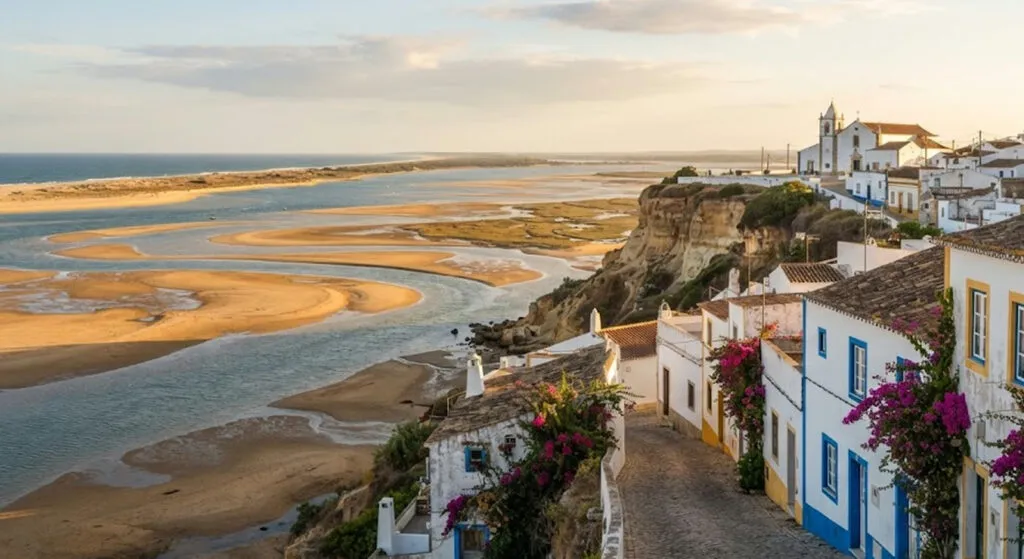
At low tide you walk to the sand. At high tide you either wade the channels with your things over...
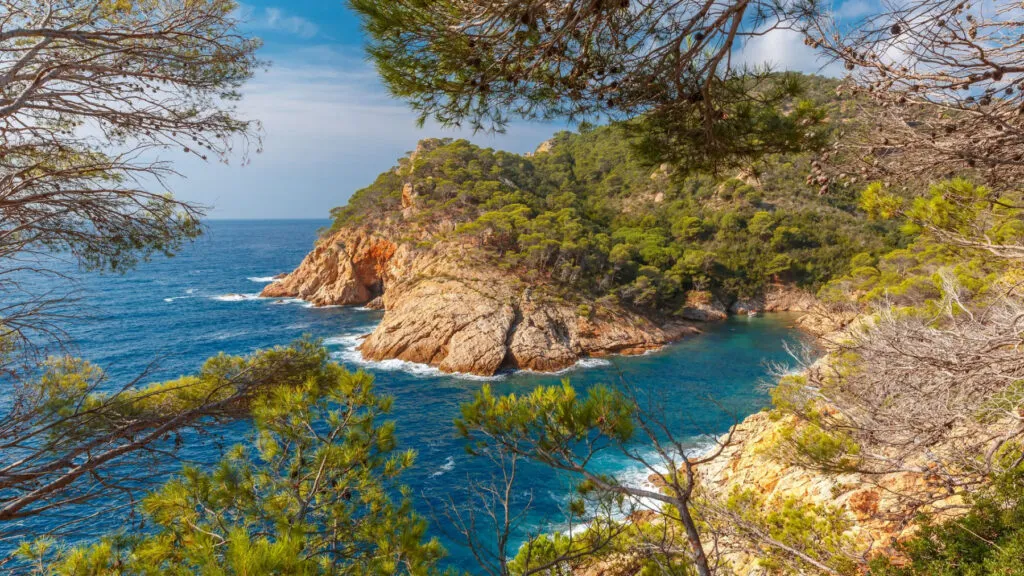
A coastline where the pine forest comes down to the water still looks like itself - but only for those...
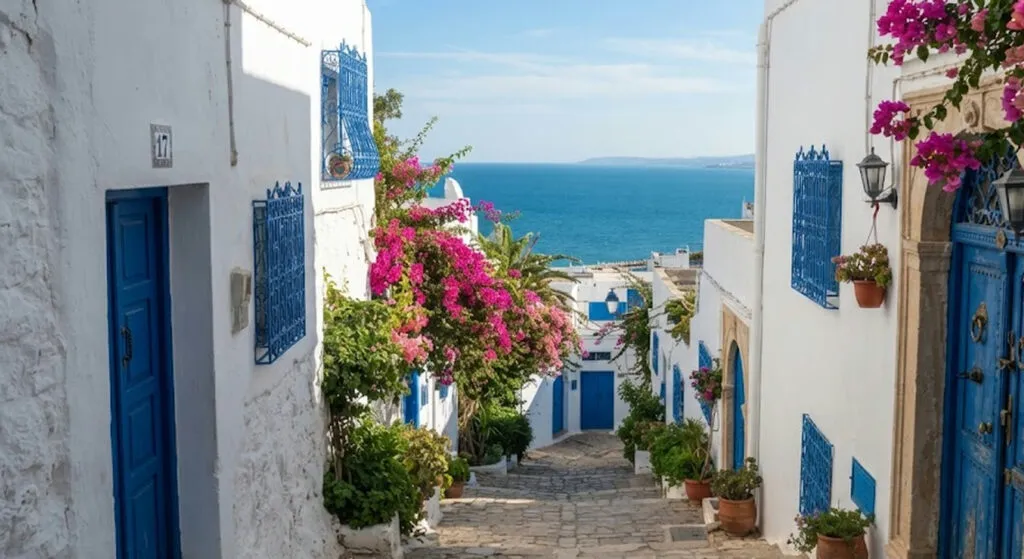
Twenty kilometres from the Tunisian capital, the most photographed village in the country. The aesthetic the world now protects was...
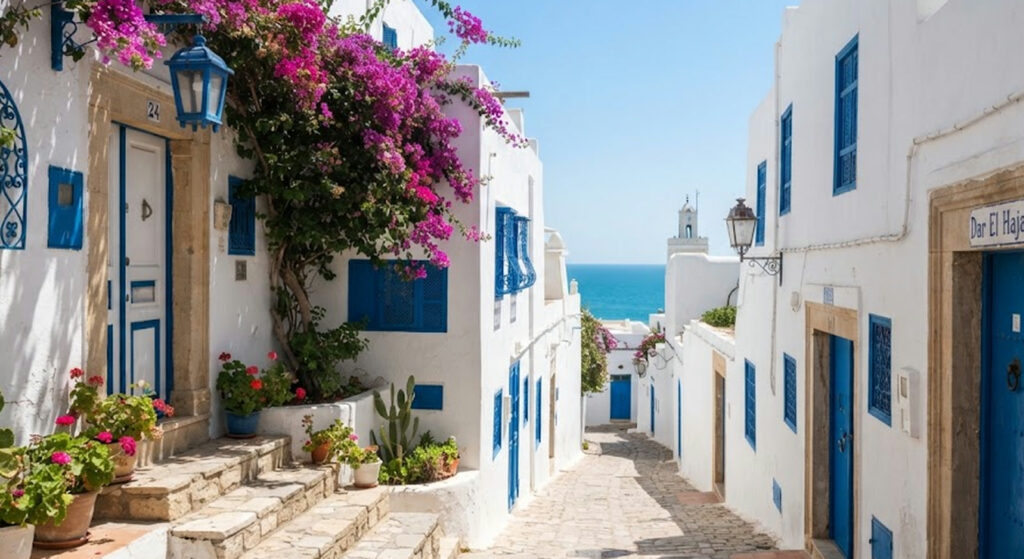
A British baron wrote the rule a century ago: facades white, doors and windows cobalt blue only. Not one owner...
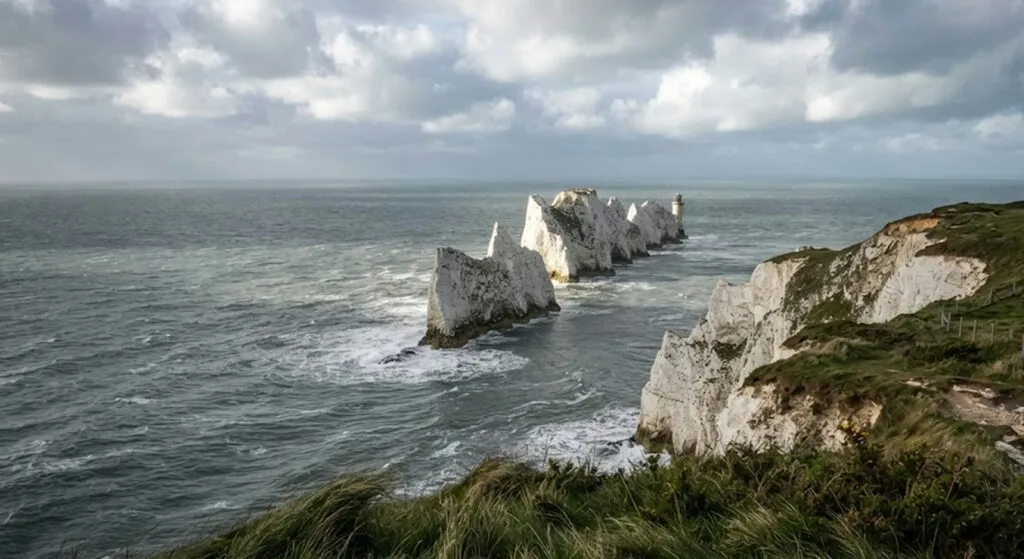
The world's only scheduled hovercraft service still runs there. Victoria called it her little paradise, so did Marx, and in...
Eight days of measurements at the crossing into Macedonia show the hour you leave changes more than anything else. Between...
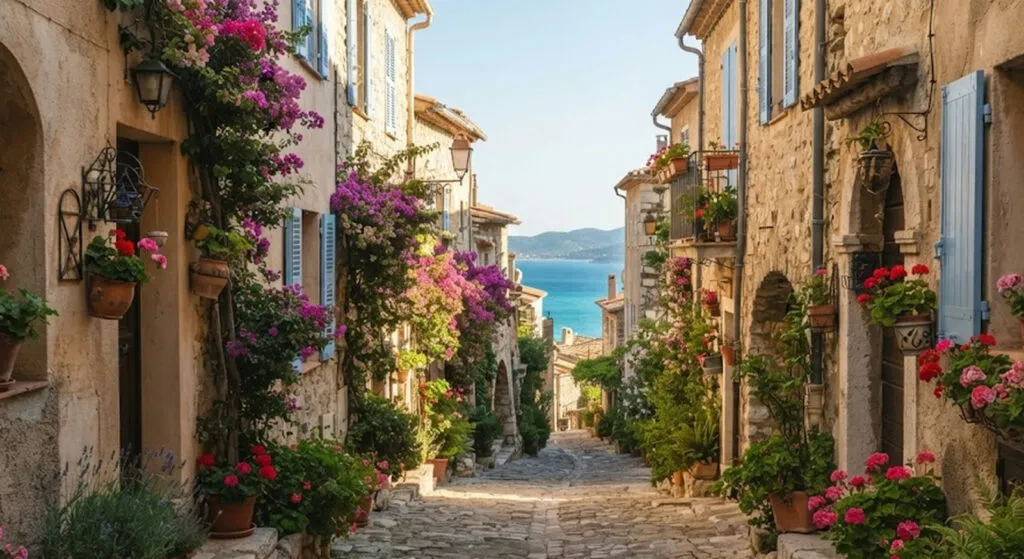
Hemingway, Picasso and Fitzgerald did not come on holiday - they came to live there for a season. Everyone copied...
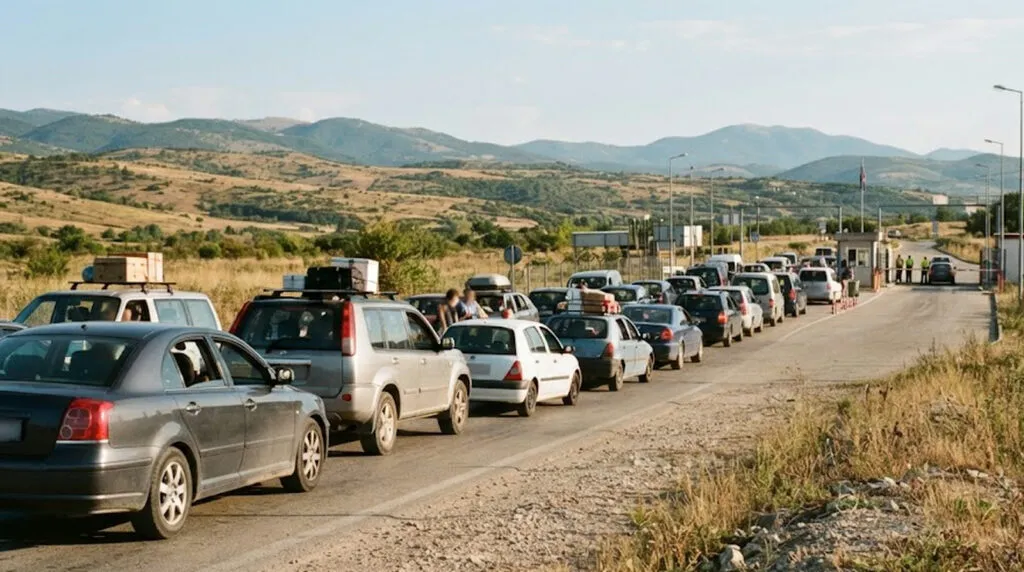
Three cars at midnight, twenty-nine at six in the morning. That same morning Medzitlija was empty, and the hour you...
This site uses cookies - is that okay? Learn more
Be the first to know when Metla launches something new
Leave your email and we will write when there is a new guide or something new on Metla.