

Kratovo man stabs police officer mid-intervention: prosecutors want the 40-year-old detained
15.09.2026


15.09.2026

15.09.2026
15.09.2026
15.09.2026
15.09.2026

15.09.2026
15.09.2026

14.09.2026
13.09.2026

15.09.2026

15.09.2026

14.09.2026

15.09.2026

15.09.2026

15.09.2026

15.09.2026

14.09.2026
13.09.2026

15.09.2026

15.09.2026

15.09.2026

15.09.2026

15.09.2026

14.09.2026

09.03.2026

27.02.2026

19.02.2026

15.09.2026

14.09.2026

14.09.2026

23.04.2026

23.04.2026

12.04.2026

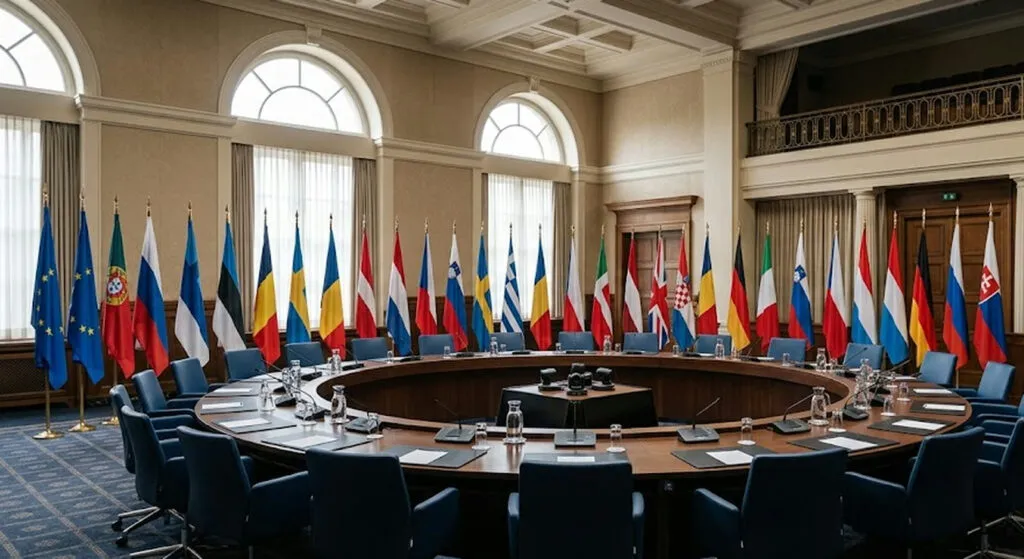
Turkish president Recep Tayyip Erdogan has once again pushed back at the European Union with a message we've heard in various forms over the past 20 years, but with growing bitterness. „You always found an excuse to keep us at the door", he told the EU, in the context of Turkey's stalled membership which now counts over 35 years of failed negotiations.
The arguments repeat themselves - double standards, political capping of ambitions, „Turkey isn't the old Turkey", and one new claim that deserves attention - „the EU cannot be a global factor without Turkey". Erdogan is demanding the EU drop the rhetoric and moves that „undermine Ankara's constructive position" toward the negotiations.
For the Balkans, this question is directly linked. If Turkey, with over 85 million people, NATO's second-largest army, and an economy moving between 17 and 18 billion euros, can't get membership after 35 years - what's the realistic horizon for Macedonia, which has been waiting for over 20 years with 2 million people and far less strategic weight? We're not asking the question to discourage - we're asking it to be honest.
The second thing - the geopolitical moment. Erdogan has economic problems at home - inflation, currency instability, strikes. Anti-EU rhetoric is a party resource used when domestic support needs consolidating. But that doesn't mean he's wrong. The EU genuinely never wanted Turkey inside - and the fact that it never said so out loud is exactly what makes it look hypocritical.
The question that doesn't get asked out loud - what do Balkan candidates gain when Turkey publicly lectures them on Brussels' sincerity? Probably nothing. But it at least offers them a new perspective - the Union isn't an institution that asks to be helped, it's an institution that chooses when to help. And that final choice isn't always honest. Erdogan said it out loud. Balkan politicians rarely dare - because they have less leverage.
The latest 10 news from this category

The domestic regulator found the irregularities first, and then the story stopped. It took crossing a border for the same...
Two million people stood against twenty-seven states and the text never came out. A reminder that EU membership does not...
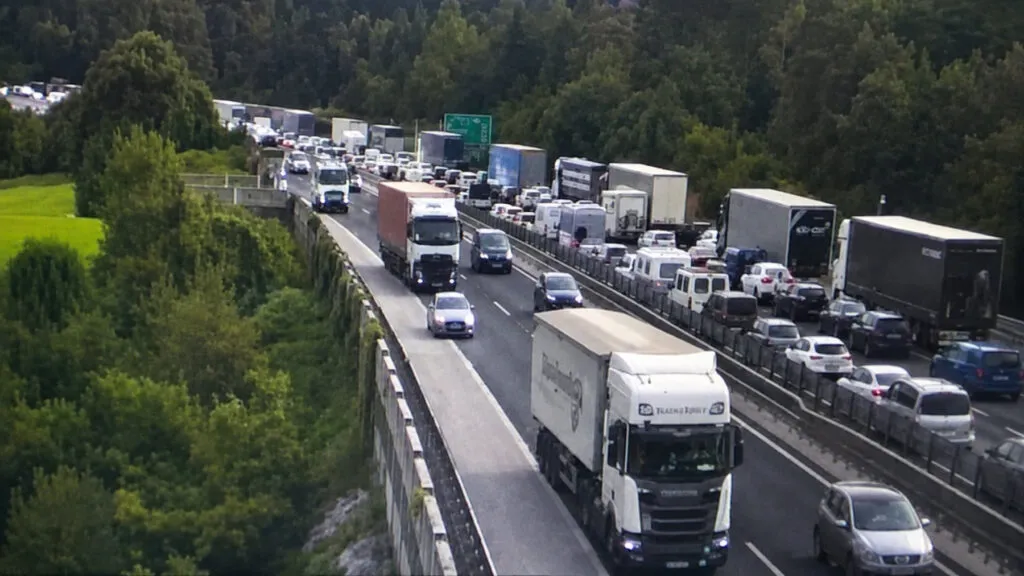
A lorry stopped in the hard shoulder with a breakdown, a car with five passengers and one impact in the...
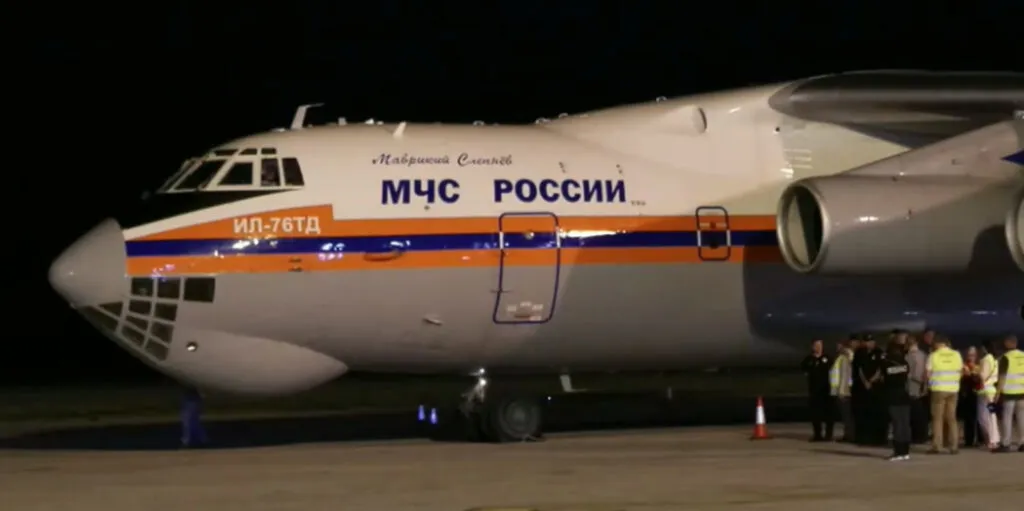
Forty-two tonnes of water per flight and one well-organised welcome on the runway in Niš. The fire in the Deliblato...

Seven times since 2015, and one trip ended less than two months before the invasion of Ukraine. SOVA says it...
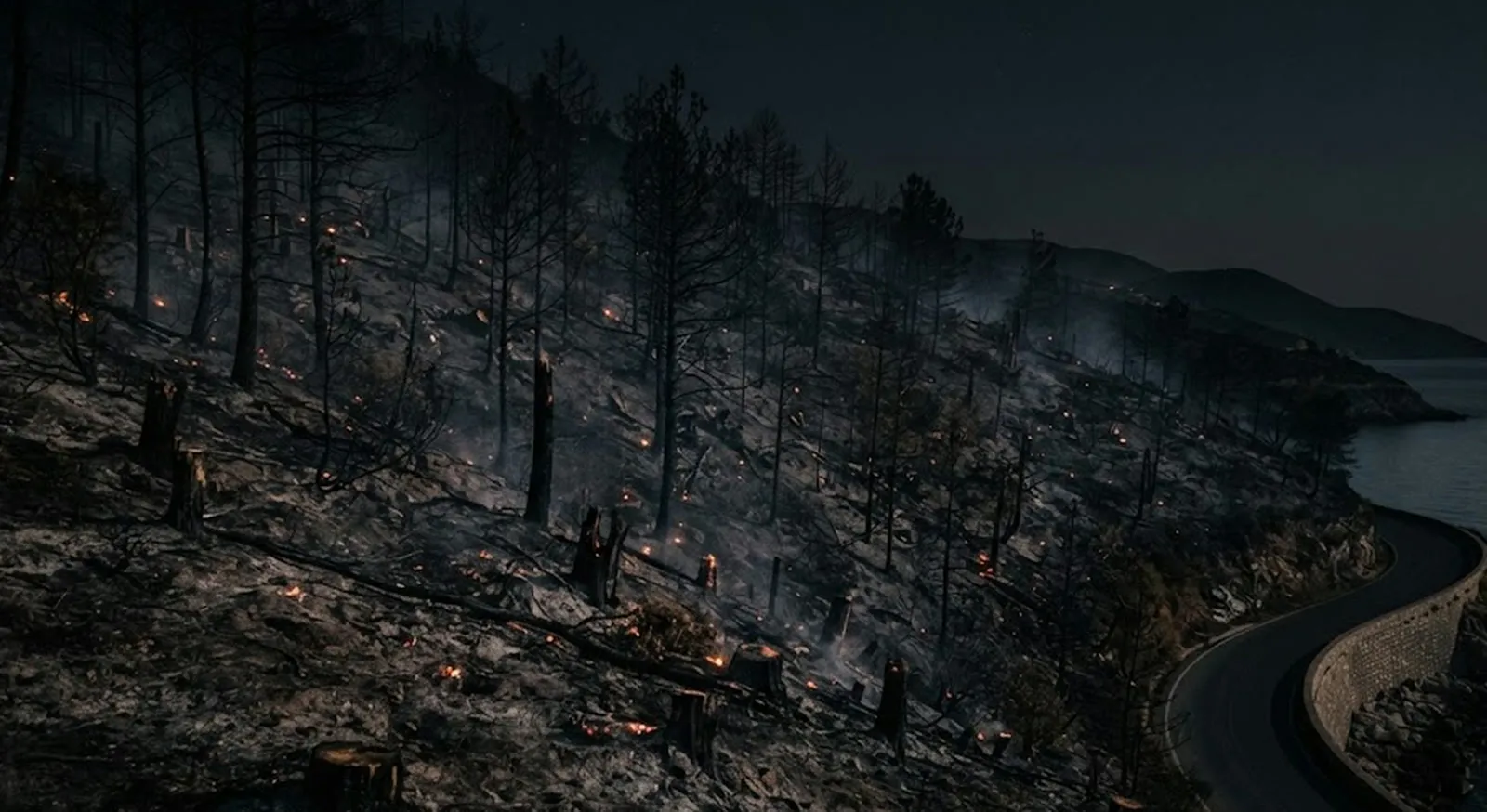
194 people evacuated by boat, 36 injured, one body found in the burnt area. Mobile phones in the zone stayed...
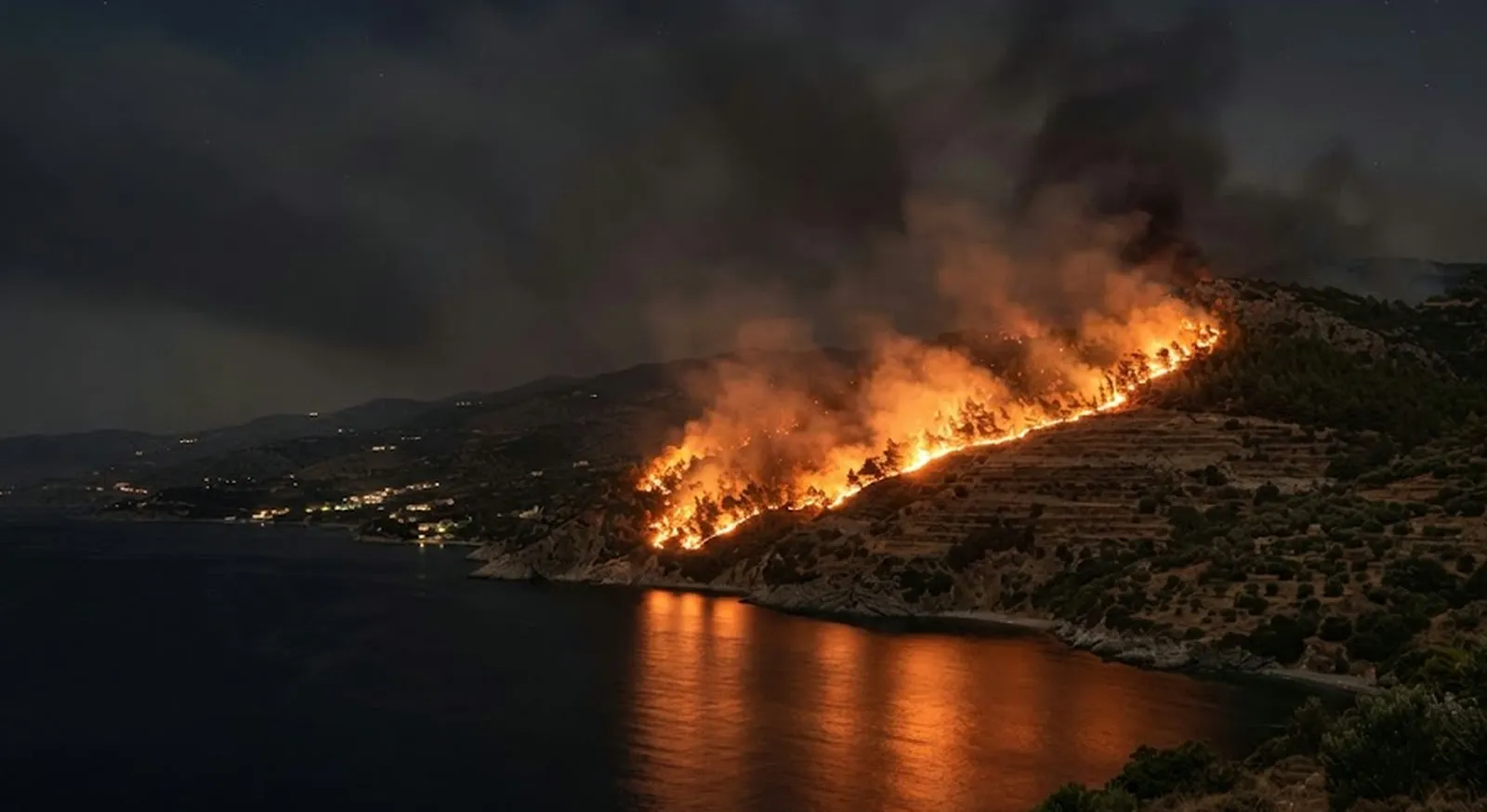
Driven by a strong night wind, the flames covered the distance from Mimice to Omiš in two hours. The question...
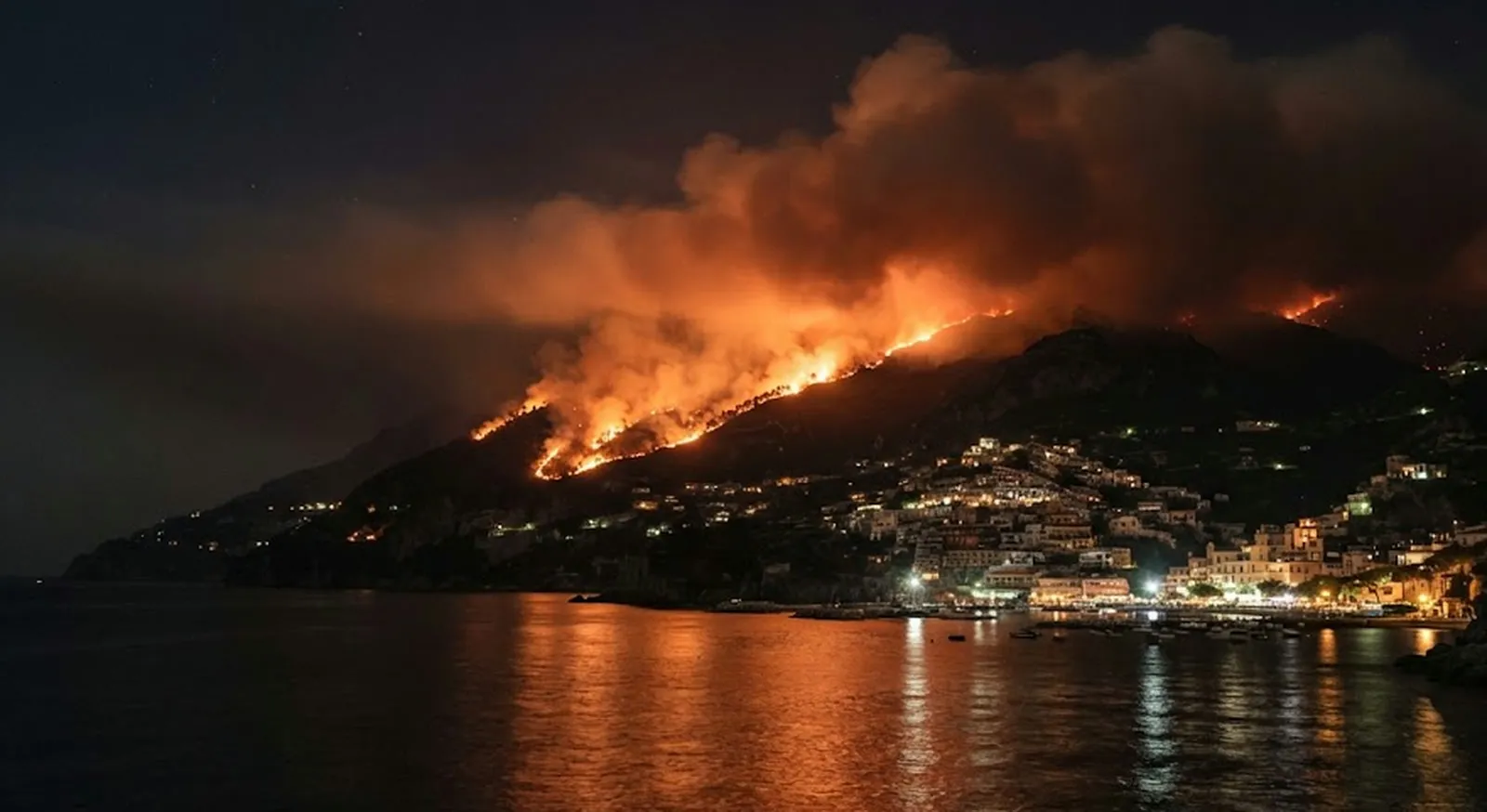
The flames reached fifty metres from the centre and people fled by boat because the coastal road was shut. A...
Croatian statistics record a 6.6 percent drop in June, and nearly a third fewer overnight stays from its most important...
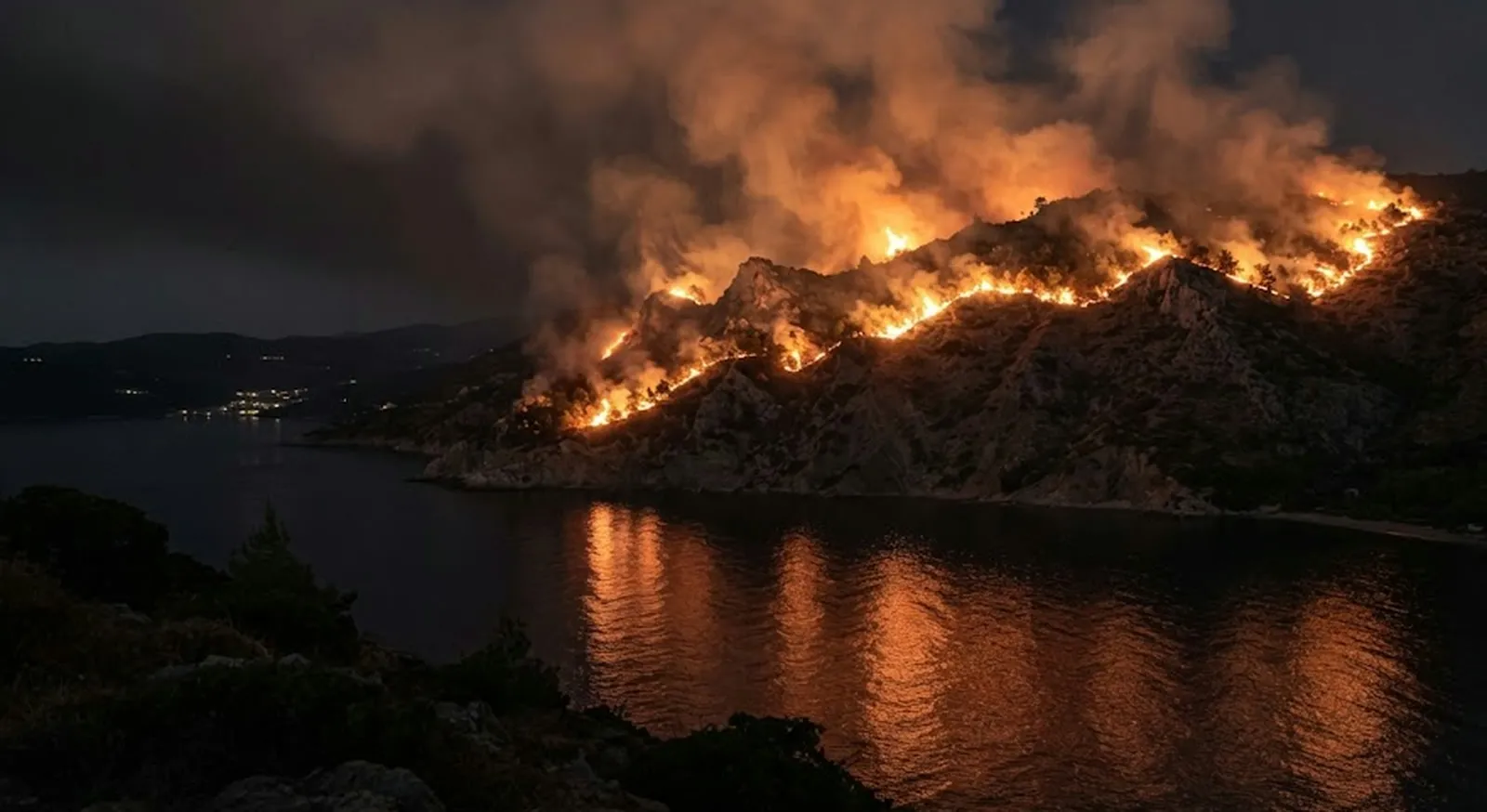
Bijela and Baošići lost power and water while the fire spread along the power line. The number two - that...
This site uses cookies - is that okay? Learn more
Be the first to know when Metla launches something new
Leave your email and we will write when there is a new guide or something new on Metla.
