


Kratovo man stabs police officer mid-intervention: prosecutors want the 40-year-old detained
15.09.2026


15.09.2026

15.09.2026
15.09.2026

15.09.2026
15.09.2026

15.09.2026

15.09.2026

14.09.2026
13.09.2026

15.09.2026

15.09.2026

14.09.2026

15.09.2026

15.09.2026

15.09.2026

15.09.2026

14.09.2026

13.09.2026

15.09.2026

15.09.2026

15.09.2026

15.09.2026

15.09.2026

14.09.2026

09.03.2026

27.02.2026

19.02.2026

15.09.2026

14.09.2026

14.09.2026

23.04.2026

23.04.2026

12.04.2026

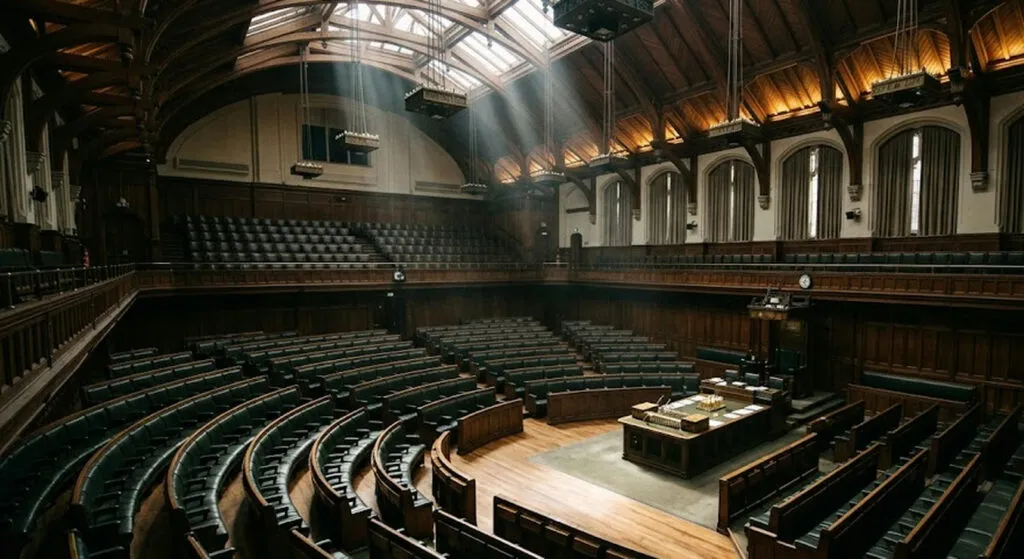
Bulgaria finally has a stable government. The parliament in Sofia, with 124 votes "in favour", voted in the new Council of Ministers headed by Prime Minister Rumen Radev. The party "Progressive Bulgaria" - a newly formed political structure that won the election - is forming a cabinet with four deputy prime ministers and 18 ministers. This ends a political crisis that has held Bulgaria for several years in unstable majorities.
Radev used his speech to parliament to fix the tone: "For ministers we have chosen professionals with proven qualities who will get the work done." A rhetorical move - unlike previous Bulgarian governments that began in fights among coalition partners, the new authority has a mandate backed by 131 parliamentary seats, an absolute majority.
"Citizens expect this constructive spirit to continue and for parliament to produce laws, not scandals," Radev said. Translation: for more than three years Bulgaria lived in a regime where politics was a show, not governance. Now that has to change. The question is whether the promises will be more serious than past ones.
The priorities are simple and pointed: budget, austerity measures, judicial reform with a new Supreme Judicial Council, and fighting high prices and economic crisis. The cabinet will also restructure three existing ministries - common practice when forming a new government, but also a signal that Radev does not intend simply to continue existing routines.
What does this mean for Macedonia? A lot. Bulgaria is a neighbouring country, a main trading partner, and - most important - the country blocking Skopje's European aspirations over identity questions. A stable Bulgarian government means the chance of direct negotiations. Does that mean the problems with Macedonian identity, constitutional changes and historical commissions will be solved? Not necessarily. But it means that on the other side of the table will sit a leadership that stays in power for more than six months.
For a Balkan reader this is also a cautionary tale. Bulgaria came out of its political crisis with the coalition "There Is Such a People" as part of the government - a party that was once anti-establishment. It is a pattern repeating across the region: former rebellious parties become part of the official structure, while anti-establishment energy migrates to new formations. The question is whether that is a natural evolution of democracy - or a sign that every political wave eventually ends up at the same table.
The latest 10 news from this category

The domestic regulator found the irregularities first, and then the story stopped. It took crossing a border for the same...

Two million people stood against twenty-seven states and the text never came out. A reminder that EU membership does not...
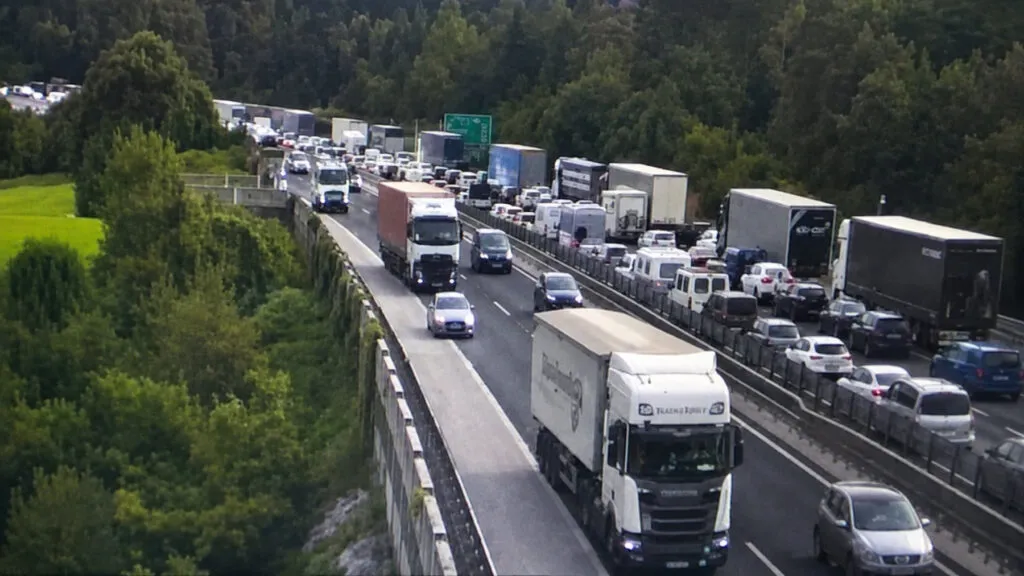
A lorry stopped in the hard shoulder with a breakdown, a car with five passengers and one impact in the...

Forty-two tonnes of water per flight and one well-organised welcome on the runway in Niš. The fire in the Deliblato...

Seven times since 2015, and one trip ended less than two months before the invasion of Ukraine. SOVA says it...
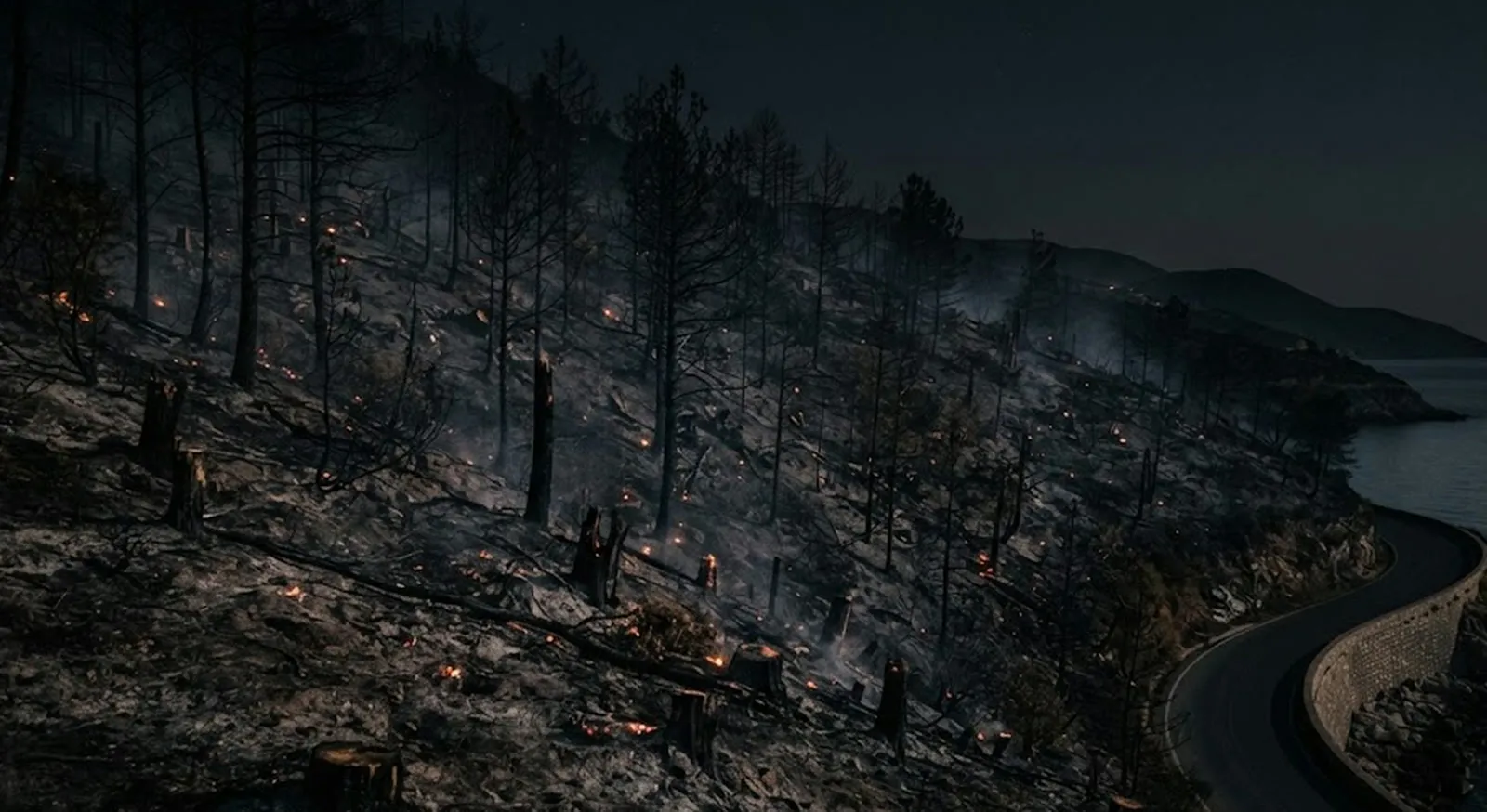
194 people evacuated by boat, 36 injured, one body found in the burnt area. Mobile phones in the zone stayed...
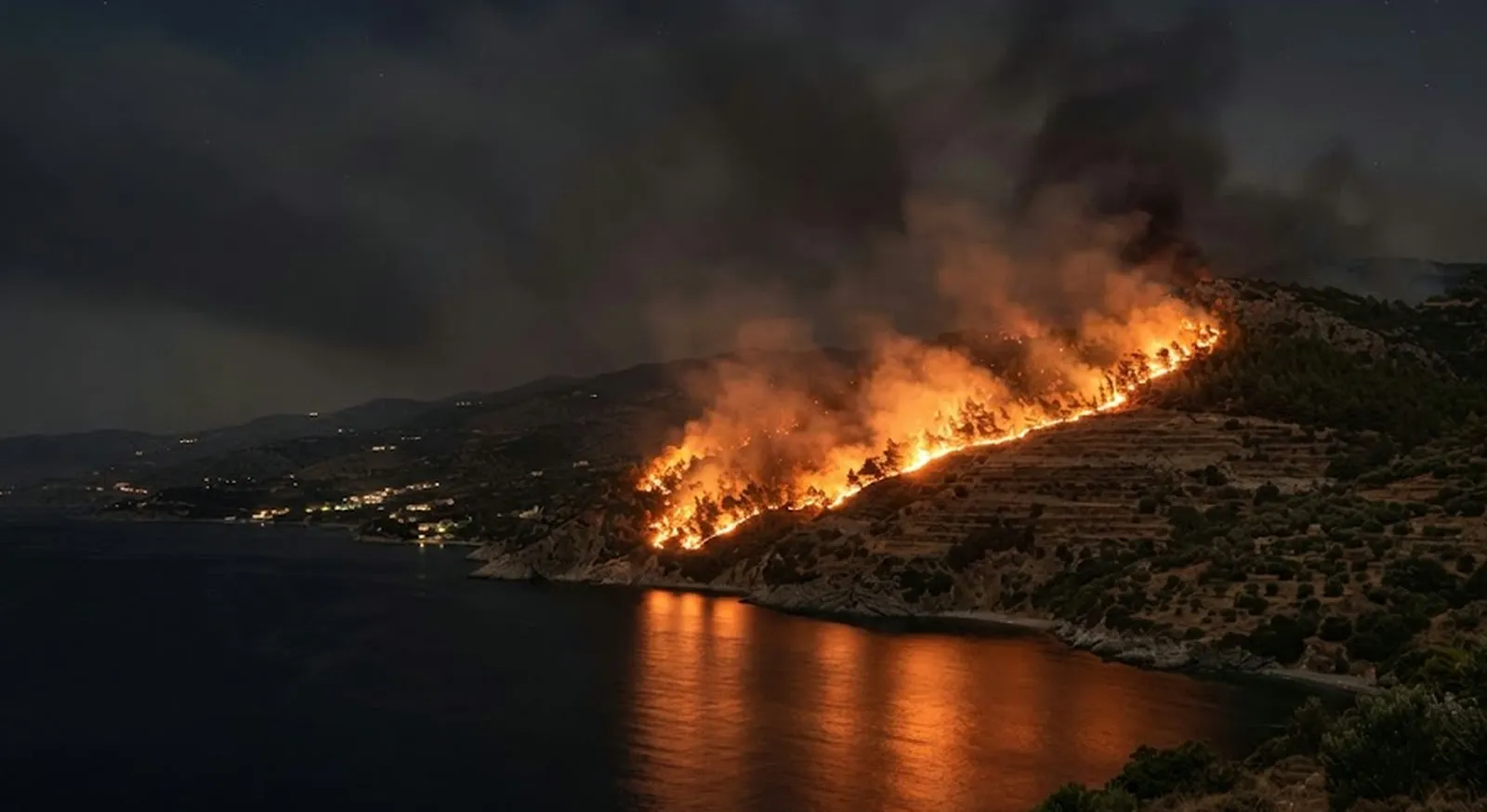
Driven by a strong night wind, the flames covered the distance from Mimice to Omiš in two hours. The question...
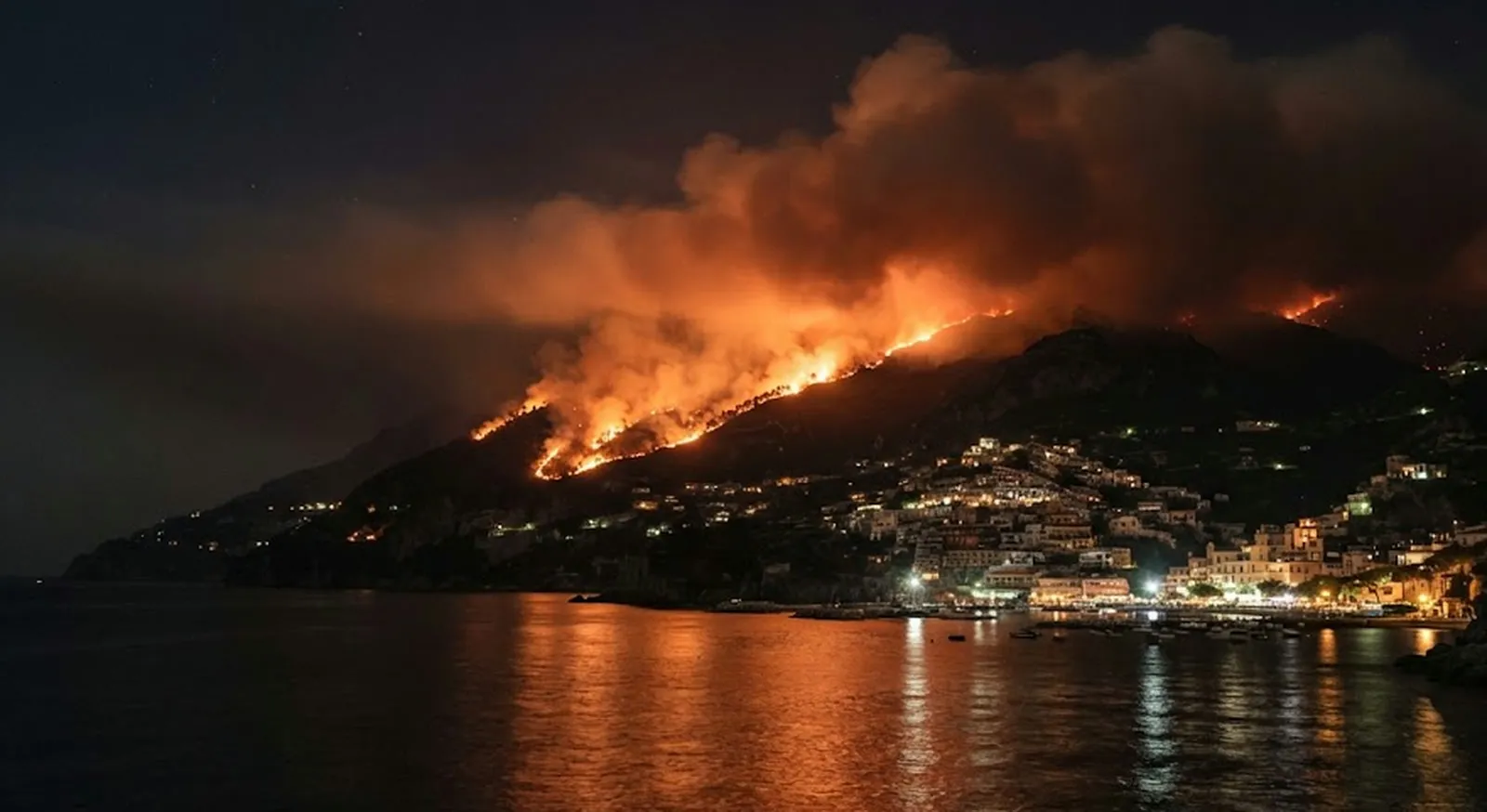
The flames reached fifty metres from the centre and people fled by boat because the coastal road was shut. A...
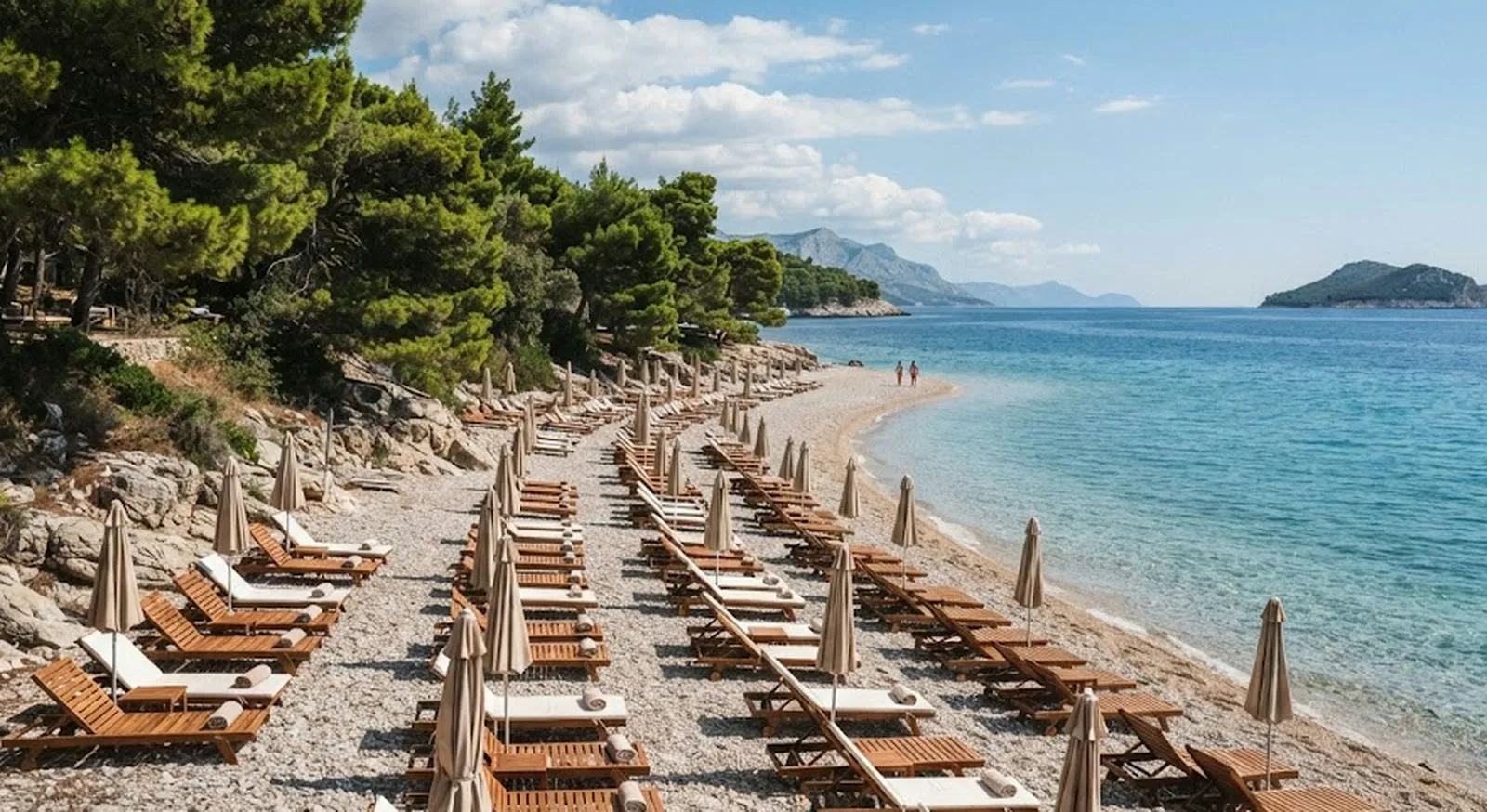
Croatian statistics record a 6.6 percent drop in June, and nearly a third fewer overnight stays from its most important...
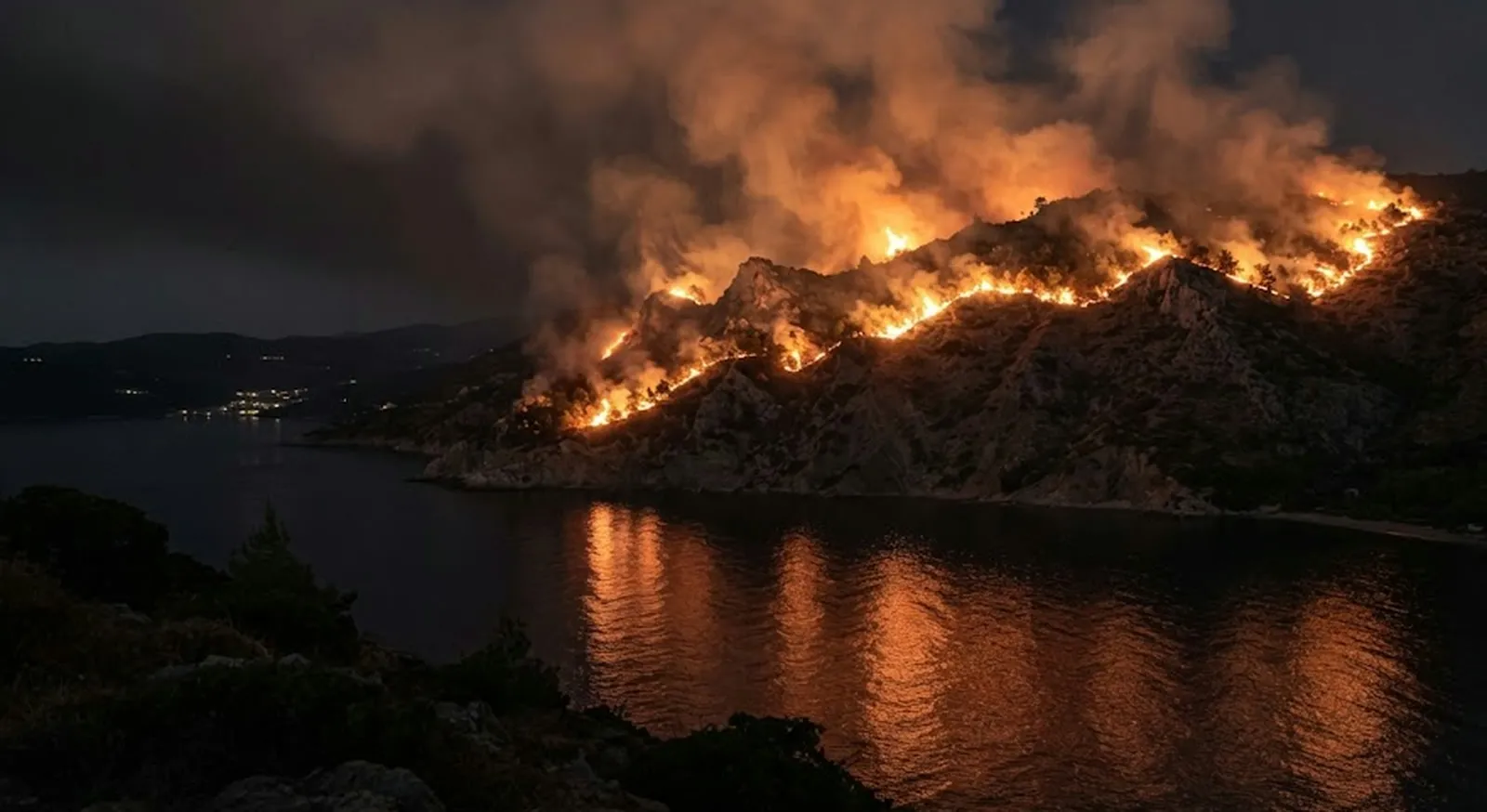
Bijela and Baošići lost power and water while the fire spread along the power line. The number two - that...
This site uses cookies - is that okay? Learn more
Be the first to know when Metla launches something new
Leave your email and we will write when there is a new guide or something new on Metla.
