


Kratovo man stabs police officer mid-intervention: prosecutors want the 40-year-old detained
15.09.2026


15.09.2026

15.09.2026
15.09.2026

15.09.2026

15.09.2026
15.09.2026

15.09.2026

14.09.2026
13.09.2026

15.09.2026

15.09.2026
14.09.2026
15.09.2026
15.09.2026

15.09.2026
15.09.2026

14.09.2026
13.09.2026
15.09.2026
15.09.2026
15.09.2026
15.09.2026

15.09.2026

14.09.2026

09.03.2026

27.02.2026

19.02.2026

15.09.2026
14.09.2026

14.09.2026

23.04.2026

23.04.2026

12.04.2026

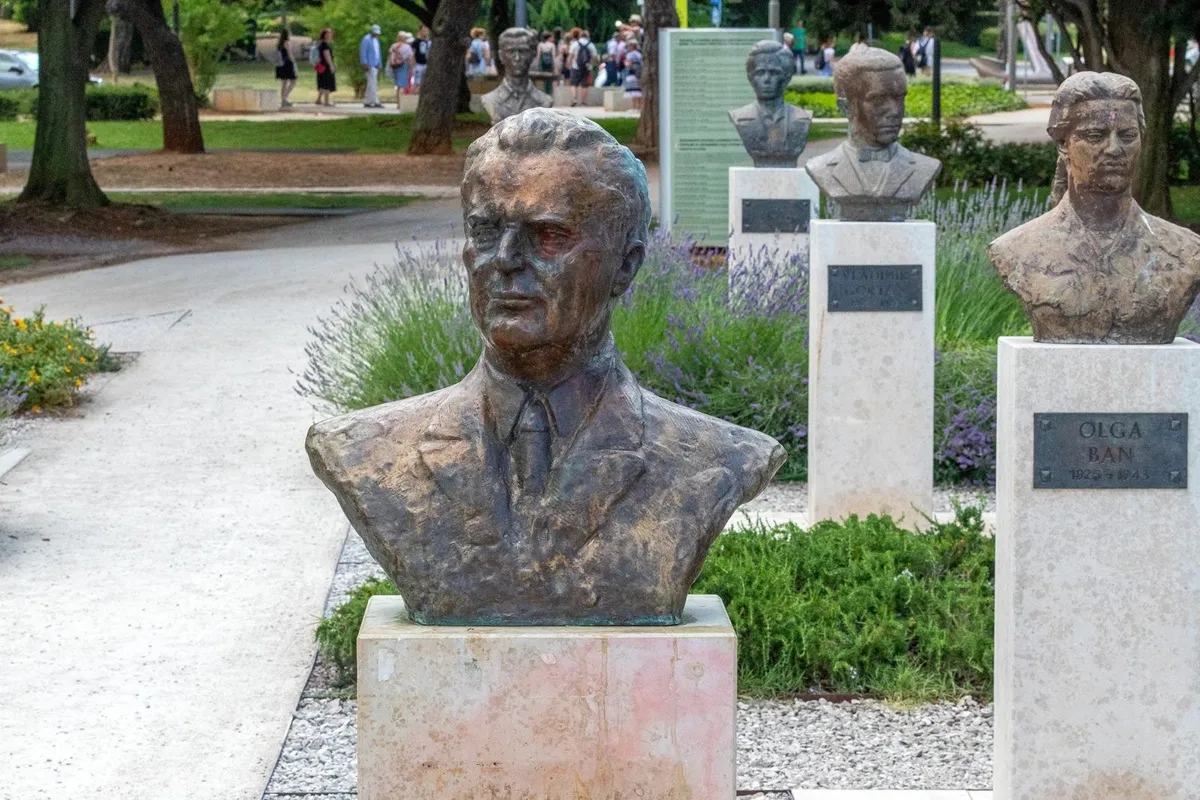
On May 4, 2026, in Pula, a minor in a Yugoslav People's Army (JNA) uniform laid a wreath in "Tito's Park" to mark the anniversary of Josip Broz Tito's death. He wore a cap with a red star on his head. Police in the Croatian city opened proceedings for disturbing public order and peace. The minor will be reported to the competent court - under Article 5 of Croatia's Law on Misdemeanours Against Public Order.
The reasoning is clear. Croatian police argue the JNA was "the army that committed aggression against the Republic of Croatia." By wearing the uniform and the red star, the minor provoked and disturbed the peace. That is the institutional position. But the reality is more complex: in Pula, as in many Croatian cities, there are people who remember Tito differently. "Tito's Park" is still called that, even though there has been a decades-long push to rename anything that smells of Yugoslav.
The minor, whose name has not been published, did not come alone. His presence, in uniform, with the red star, is an act of symbolic political statement. Whether that is his personal conviction or a reflection of family history - that is not a discussion Croatian law recognises. For the state, the JNA uniform is a sign of an aggressor. For some citizens, it is a sign of inheritance.
For the Balkans, this is not an isolated case. In Bosnia and Herzegovina, in Serbia, even in Macedonia, a similar battle plays out over Yugoslav-era symbols. Who has the right to wear them? Which are historic monuments, and which are political provocations? And where does the line between freedom of expression and disturbance of public order run? Croatia's measure is one - but other countries have their own, often less formalised but no less rooted.
The question rarely raised: why do children and young people still reach for the symbols of a system officially finished more than three decades ago? Perhaps because heritage doesn't change by law. It travels through songs, family stories, pictures on the walls of grandparents' apartments. When a state declares that heritage unacceptable, it doesn't disappear. It only migrates to private spaces - until someone again decides to express it publicly.
The latest 10 news from this category

The domestic regulator found the irregularities first, and then the story stopped. It took crossing a border for the same...
Two million people stood against twenty-seven states and the text never came out. A reminder that EU membership does not...
A lorry stopped in the hard shoulder with a breakdown, a car with five passengers and one impact in the...
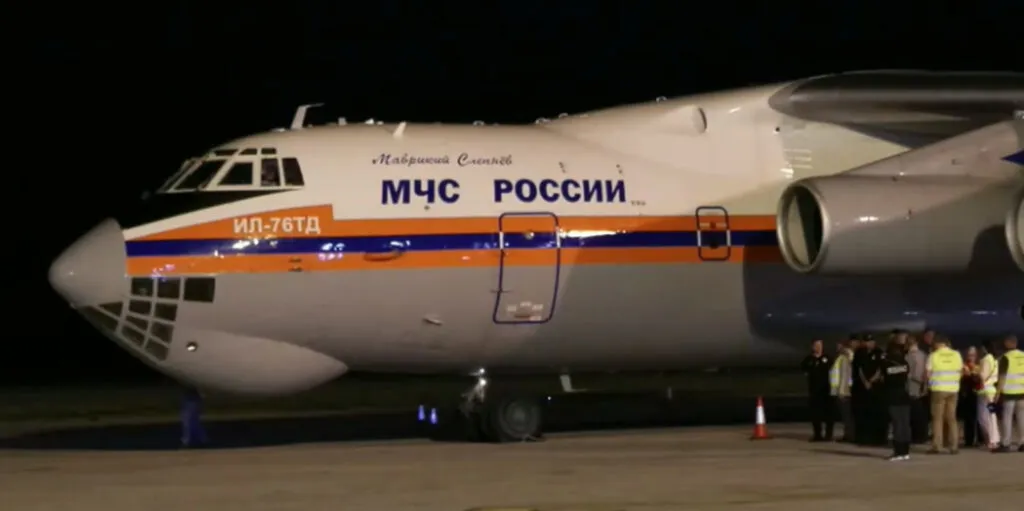
Forty-two tonnes of water per flight and one well-organised welcome on the runway in Niš. The fire in the Deliblato...
Seven times since 2015, and one trip ended less than two months before the invasion of Ukraine. SOVA says it...
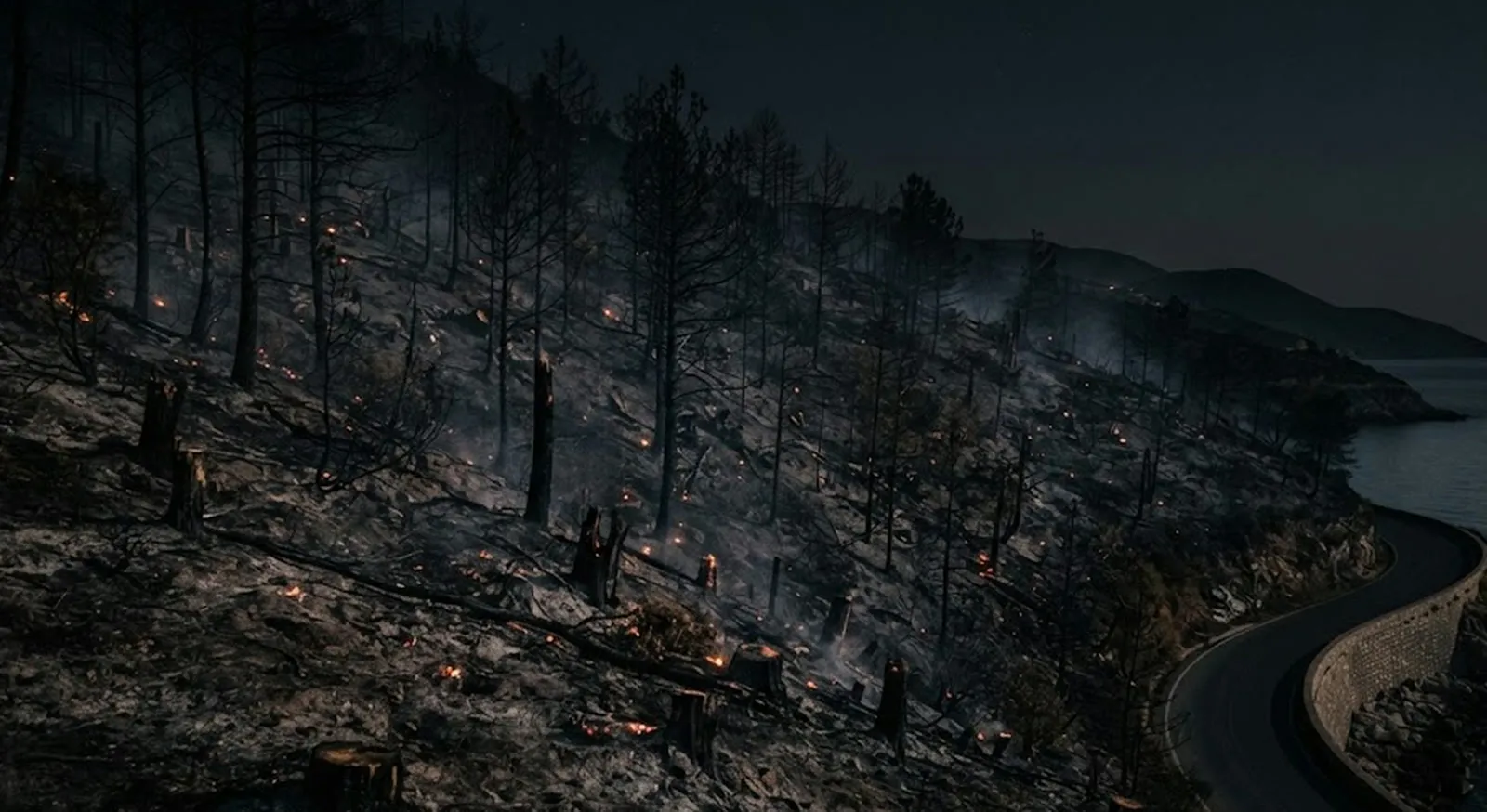
194 people evacuated by boat, 36 injured, one body found in the burnt area. Mobile phones in the zone stayed...
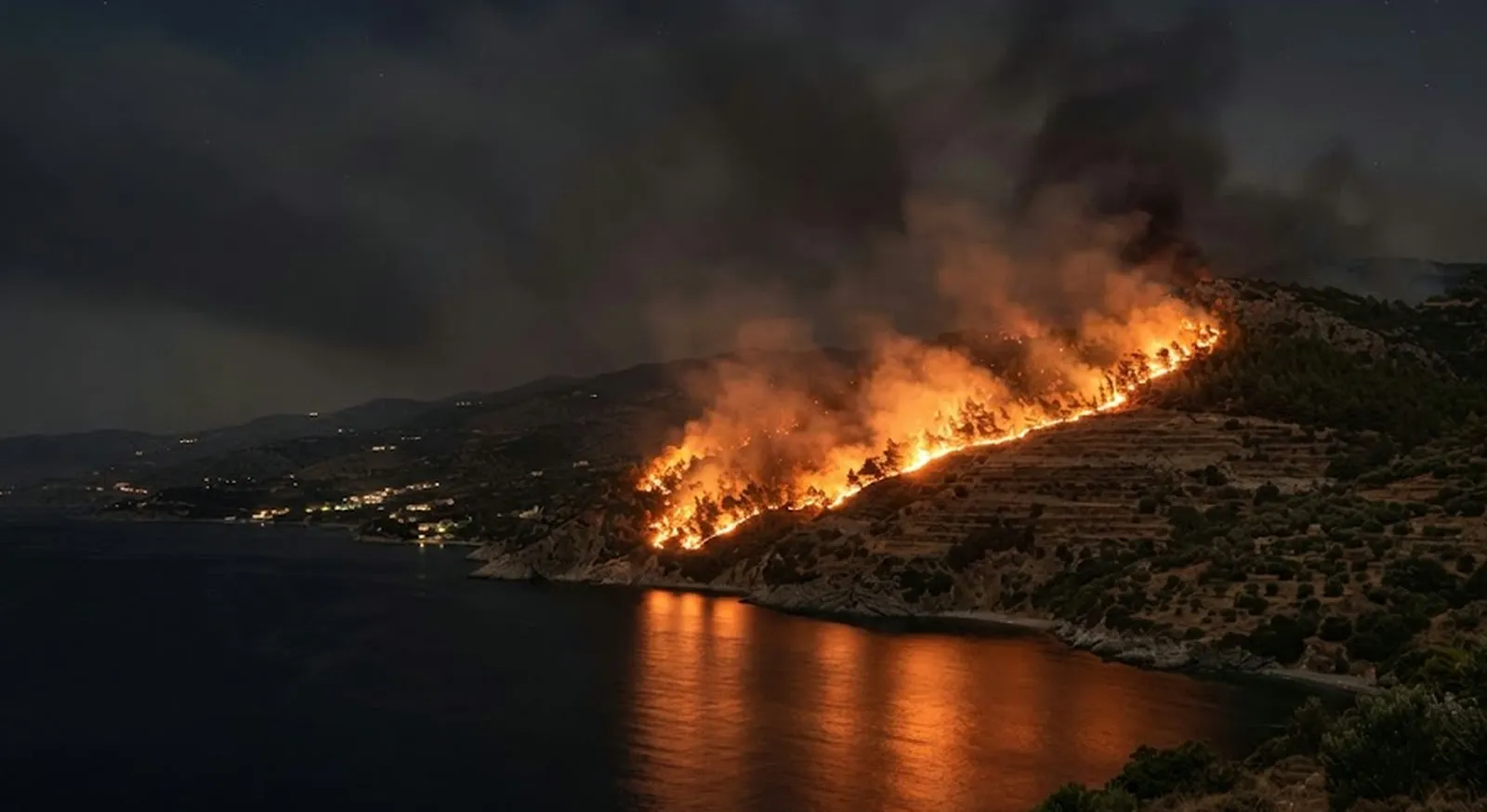
Driven by a strong night wind, the flames covered the distance from Mimice to Omiš in two hours. The question...
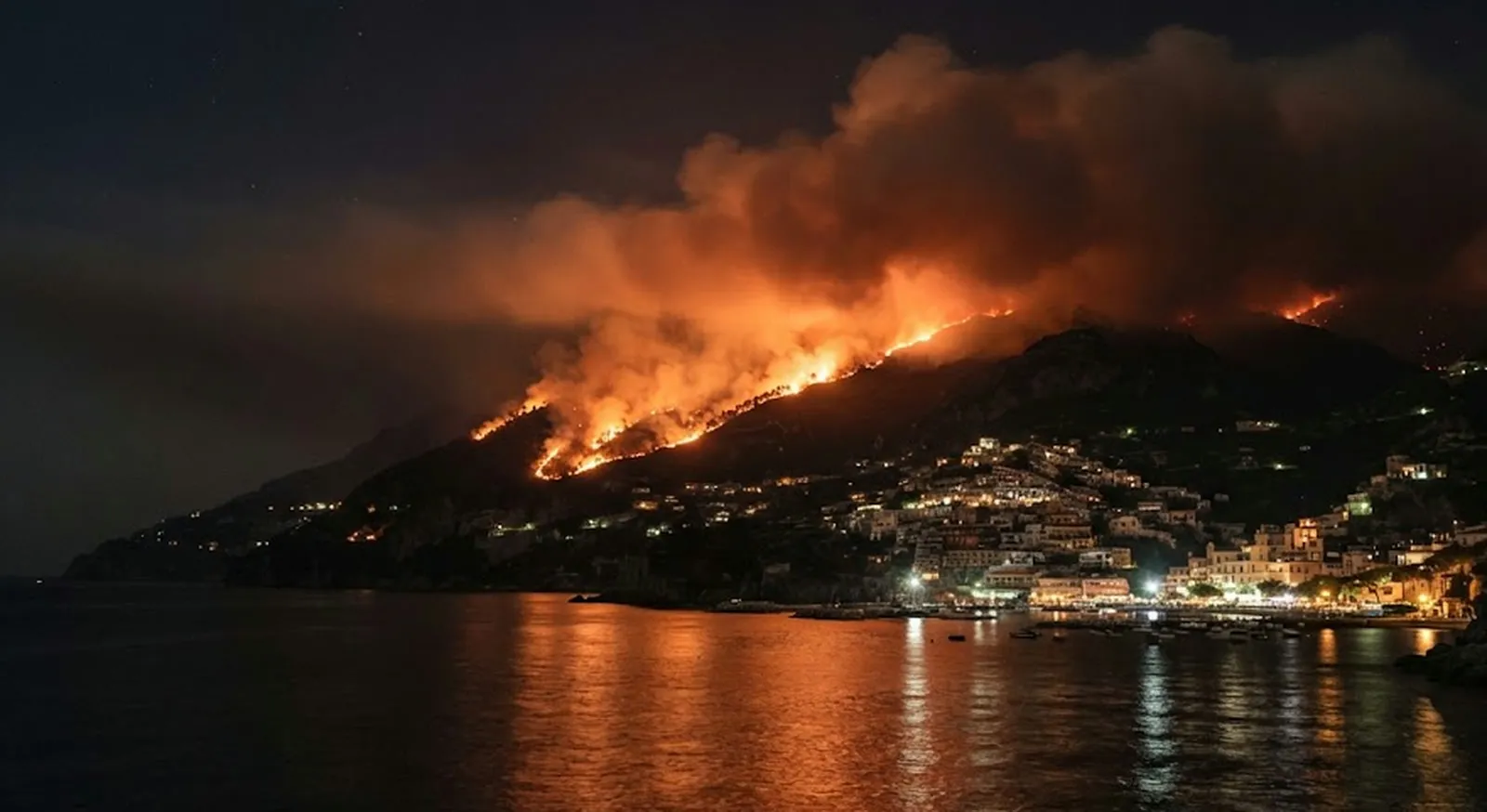
The flames reached fifty metres from the centre and people fled by boat because the coastal road was shut. A...
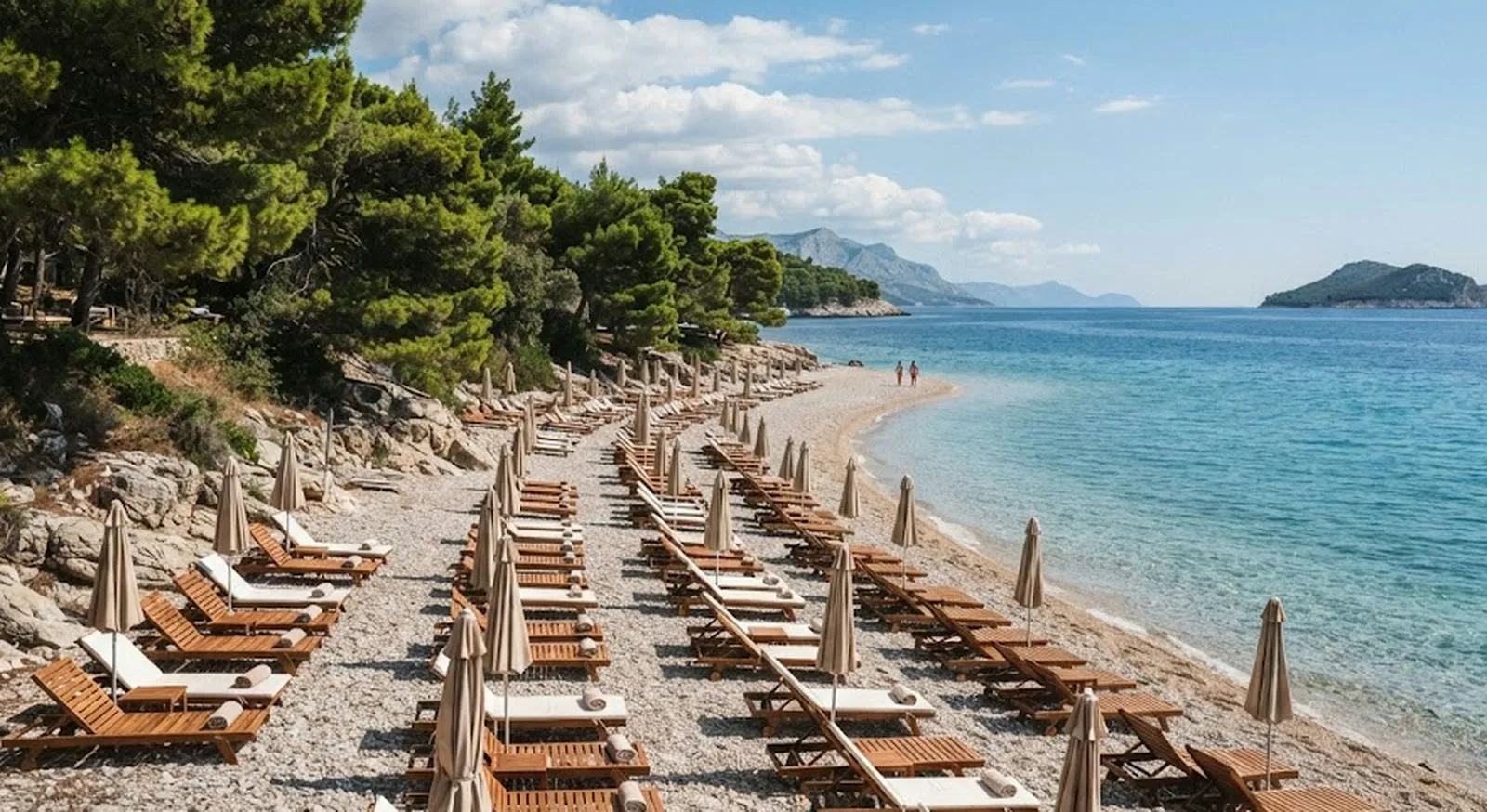
Croatian statistics record a 6.6 percent drop in June, and nearly a third fewer overnight stays from its most important...
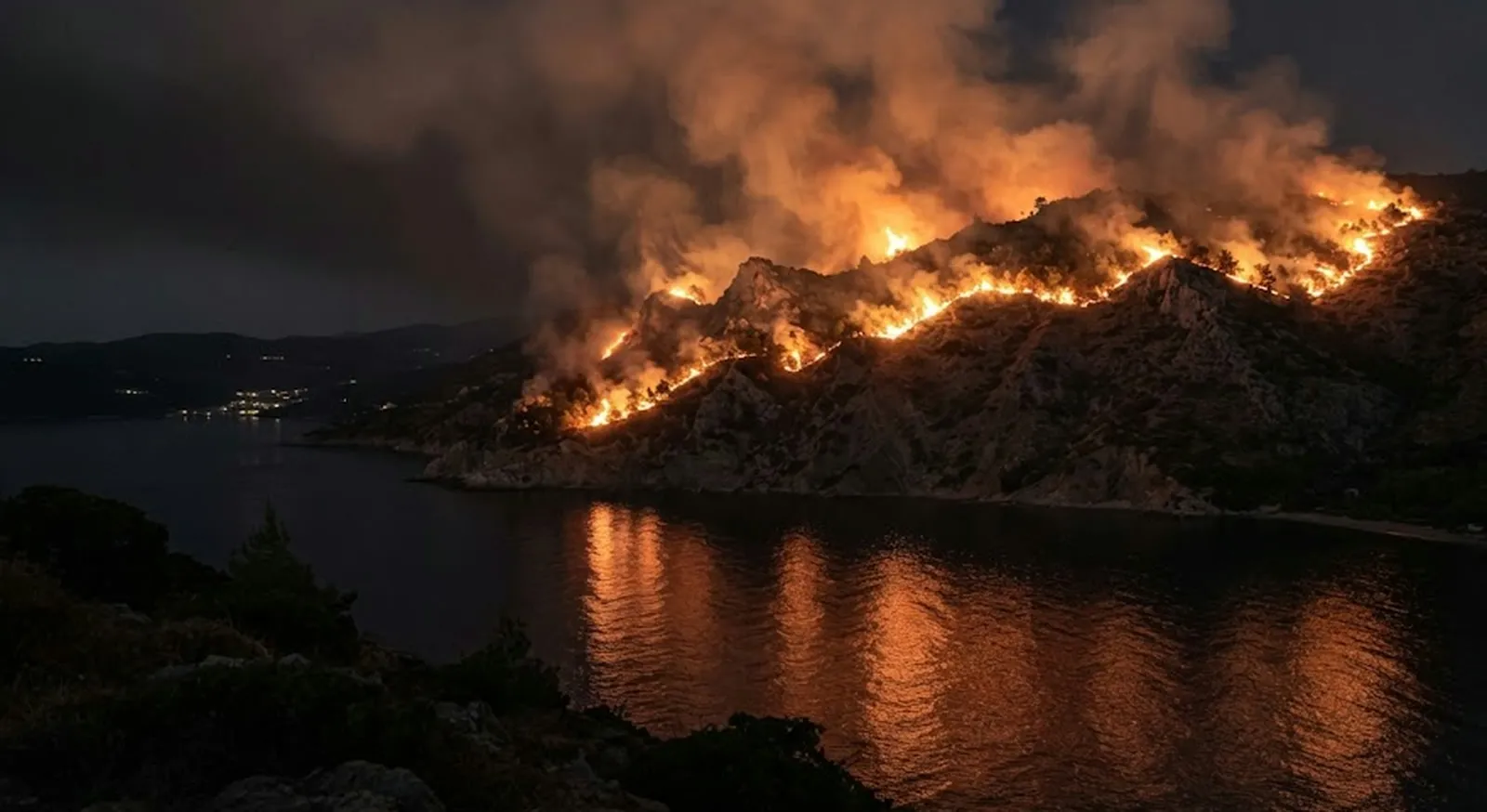
Bijela and Baošići lost power and water while the fire spread along the power line. The number two - that...
This site uses cookies - is that okay? Learn more
Be the first to know when Metla launches something new
Leave your email and we will write when there is a new guide or something new on Metla.
