
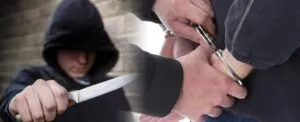
Kratovo man stabs police officer mid-intervention: prosecutors want the 40-year-old detained
15.09.2026


15.09.2026
15.09.2026
15.09.2026
15.09.2026
15.09.2026
15.09.2026
15.09.2026

14.09.2026
13.09.2026

15.09.2026

15.09.2026
14.09.2026
15.09.2026
15.09.2026

15.09.2026
15.09.2026
14.09.2026
13.09.2026

15.09.2026

15.09.2026

15.09.2026

15.09.2026

15.09.2026

14.09.2026

09.03.2026

27.02.2026

19.02.2026

15.09.2026
14.09.2026
14.09.2026

23.04.2026

23.04.2026

12.04.2026

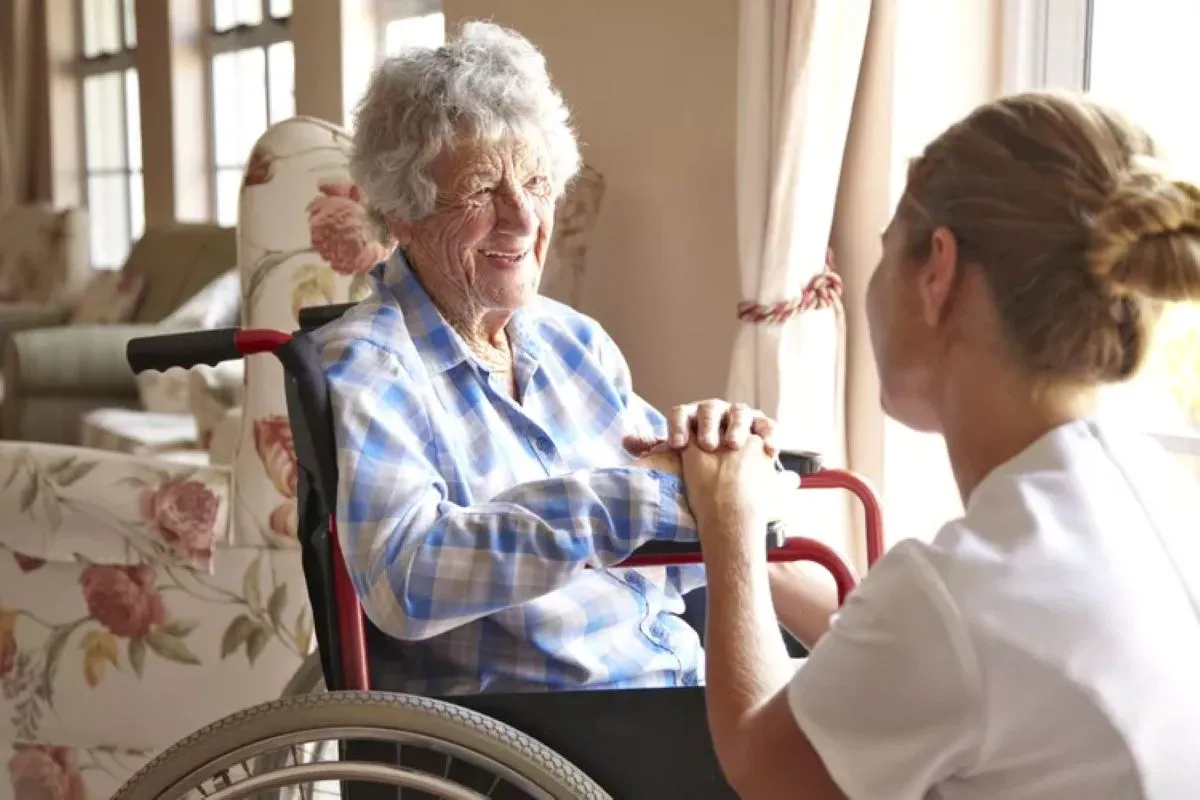
On the Greek island of Chios, a Bulgarian carer has been charged with abusing an 82-year-old woman with dementia. The case - which shocked the Greek public - was uncovered through hidden-camera footage installed by the victim's family after they began to suspect something was wrong.
This isn't an isolated case, even though it's often presented that way. Across Europe, elderly care is a low-margin industry that runs on international labour, minimal background checks and, often, too little oversight of what actually happens inside private homes. A Bulgarian woman in Greece, a Polish woman in Germany, an Albanian woman in Italy. The names change, the model stays the same.
Why? Because families who can't personally care for their elderly usually don't have a choice. A care home is expensive - 2,000-4,000 euros a month in countries like Greece, Italy, Spain. A live-in carer at home is far cheaper, usually 800-1,500 euros. And it's the family that pays that price - while the level of vetting drops to almost nothing.
For Balkan families - more and more of whom are looking for options for their elderly because the children live abroad - this has to be a signal. A hidden camera in the home isn't a breach of trust - it's protection of a vulnerable person. When you can't be there yourself, you need a way to see what's going on. The technology lets you do this for under 50 euros for a system with remote access.
For the woman on Chios, this discovery came late, but not too late. The case has begun proceedings on her behalf. The question we should be asking on the Balkans is the harder one - how many of our parents and grandparents are now living under the same kind of regime, regardless of whether the carer is foreign or local, and with no oversight at all? That question is difficult. Which is why nobody wants to ask it.
The latest 10 news from this category
The domestic regulator found the irregularities first, and then the story stopped. It took crossing a border for the same...
Two million people stood against twenty-seven states and the text never came out. A reminder that EU membership does not...
A lorry stopped in the hard shoulder with a breakdown, a car with five passengers and one impact in the...
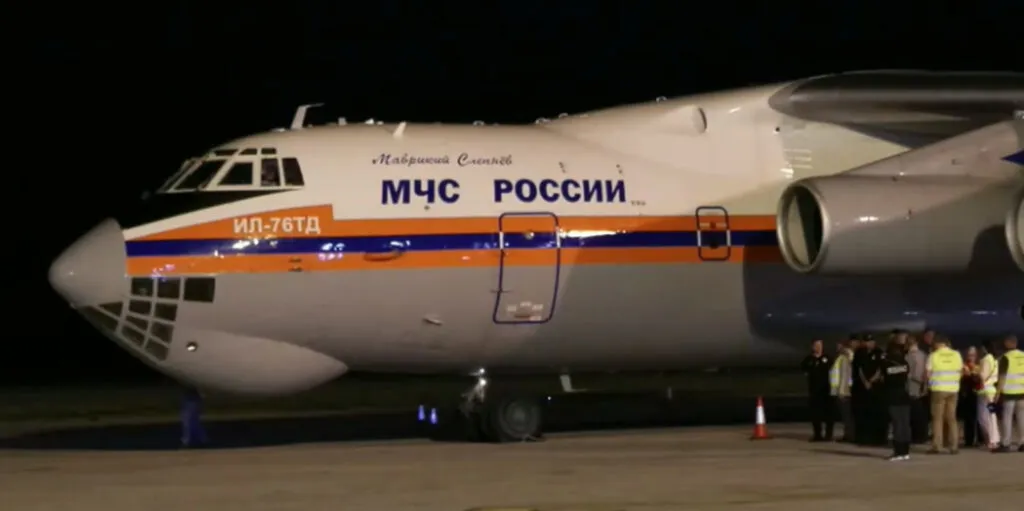
Forty-two tonnes of water per flight and one well-organised welcome on the runway in Niš. The fire in the Deliblato...
Seven times since 2015, and one trip ended less than two months before the invasion of Ukraine. SOVA says it...
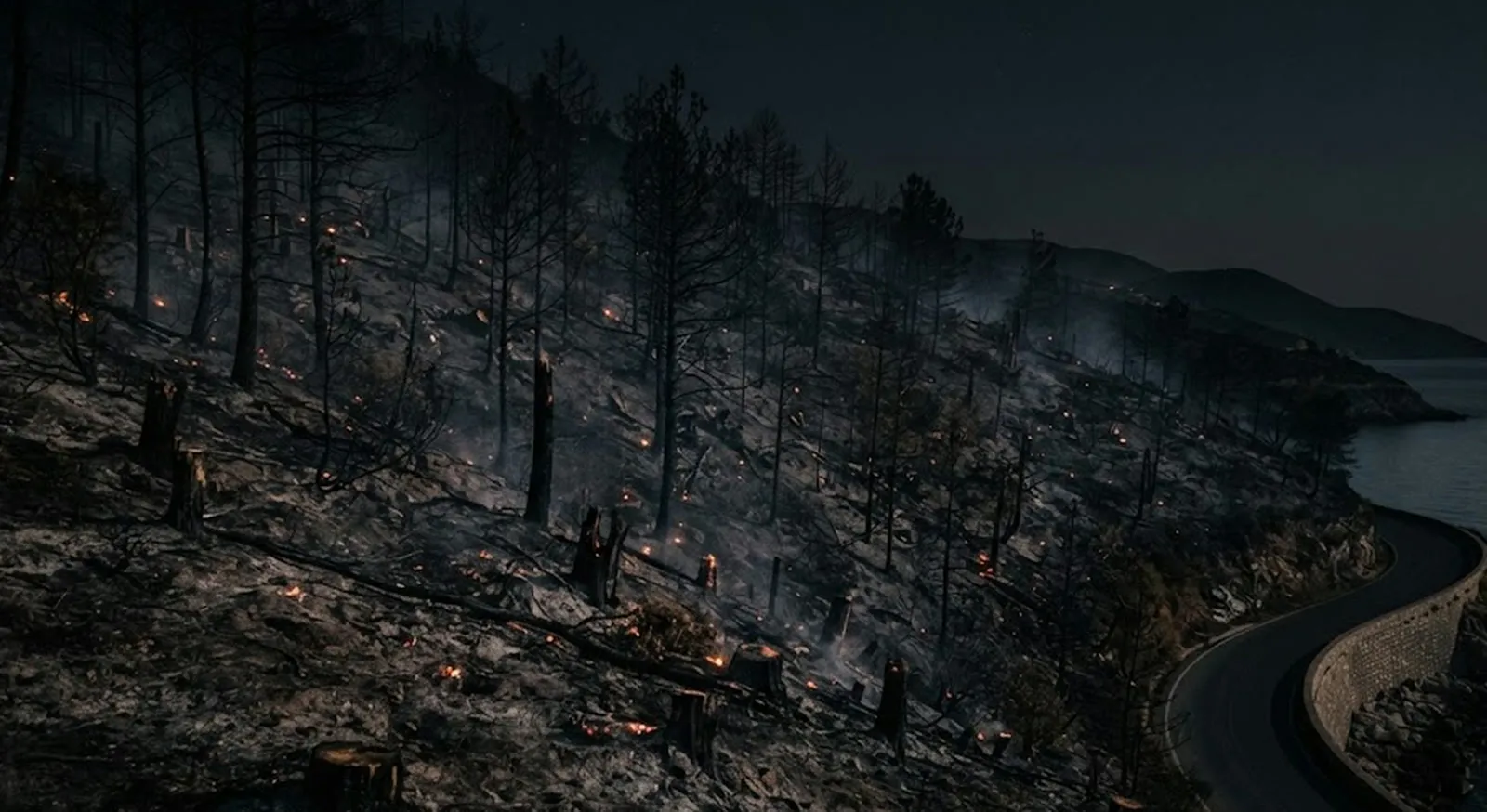
194 people evacuated by boat, 36 injured, one body found in the burnt area. Mobile phones in the zone stayed...
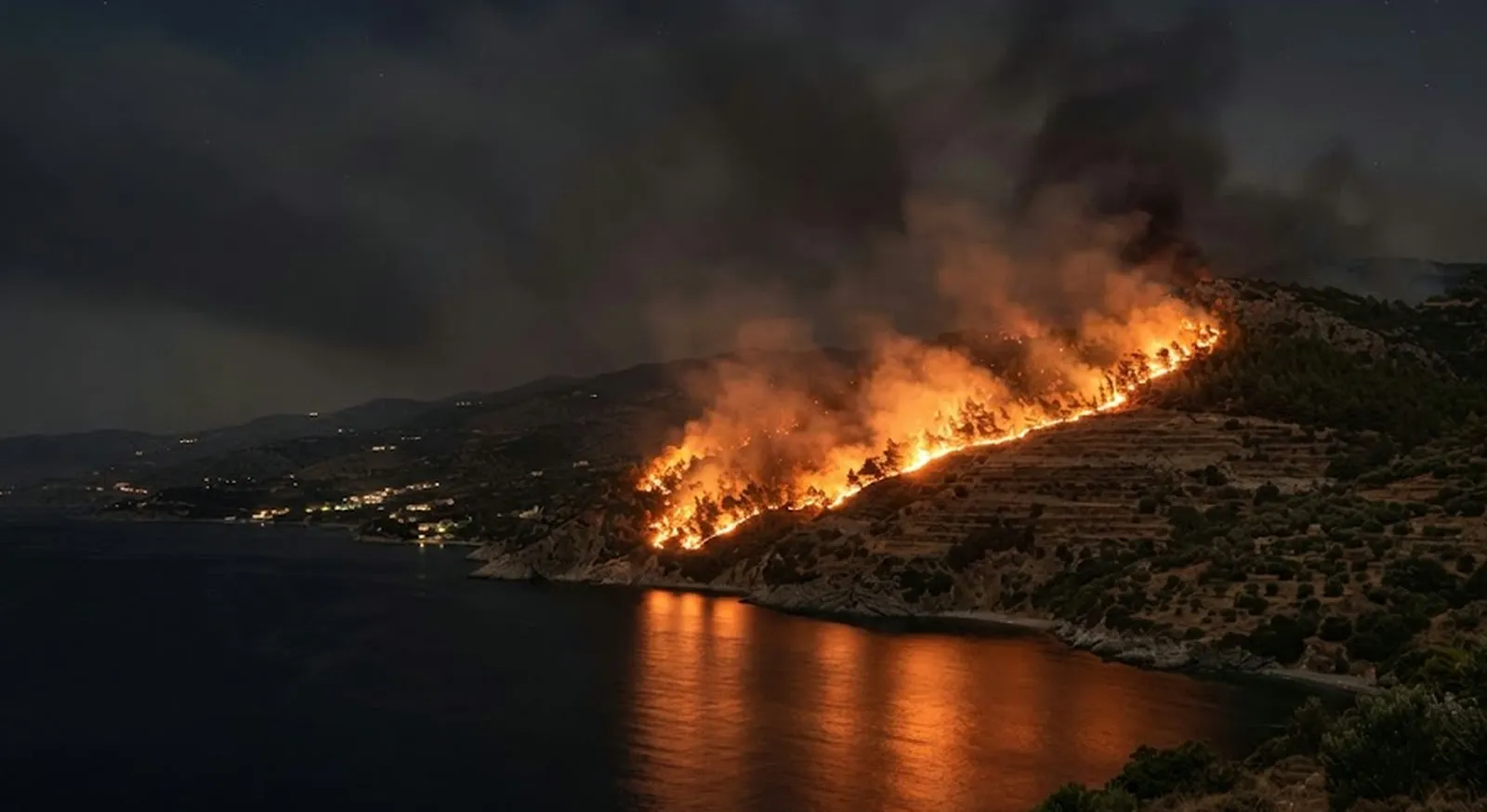
Driven by a strong night wind, the flames covered the distance from Mimice to Omiš in two hours. The question...
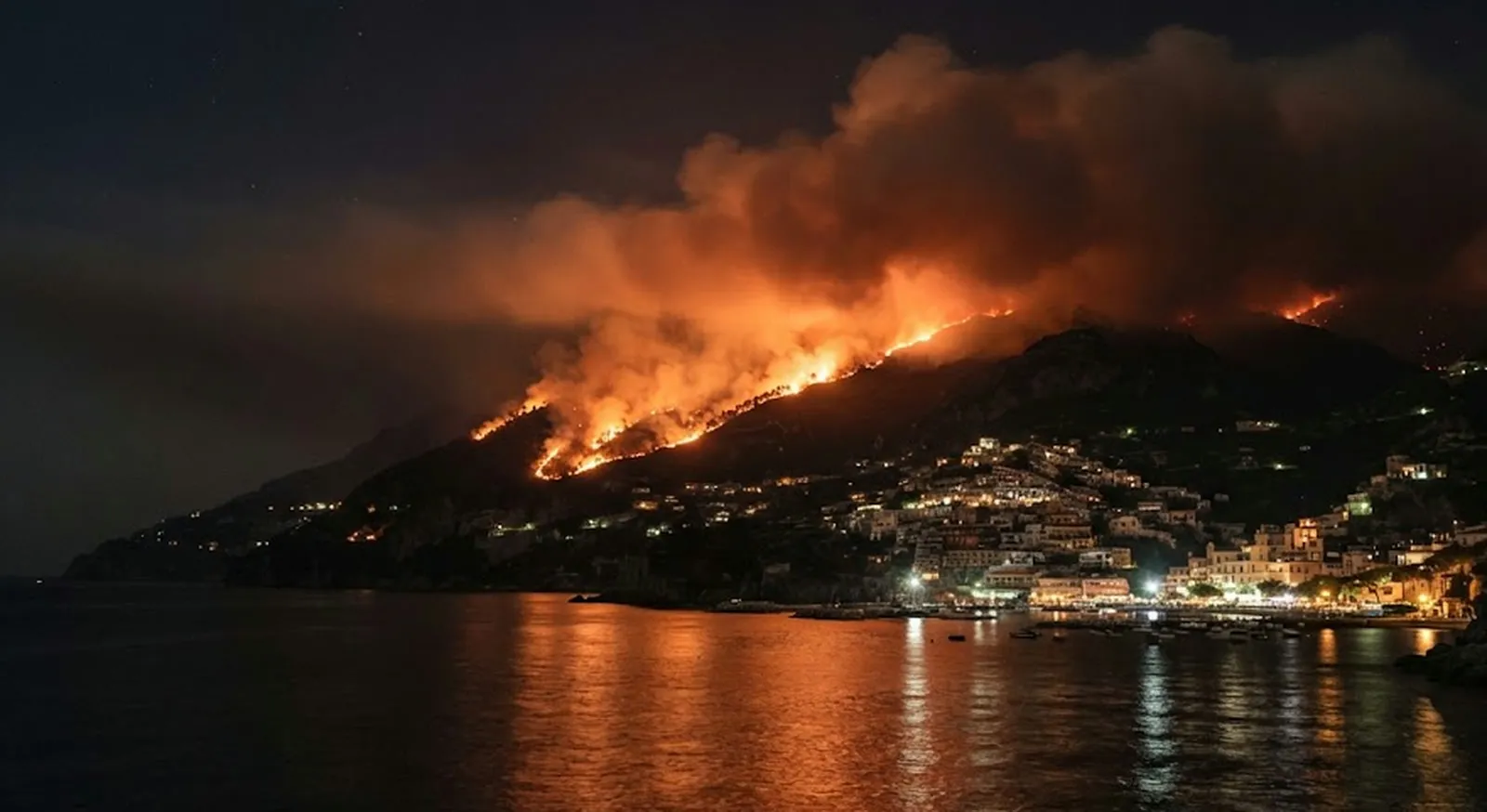
The flames reached fifty metres from the centre and people fled by boat because the coastal road was shut. A...
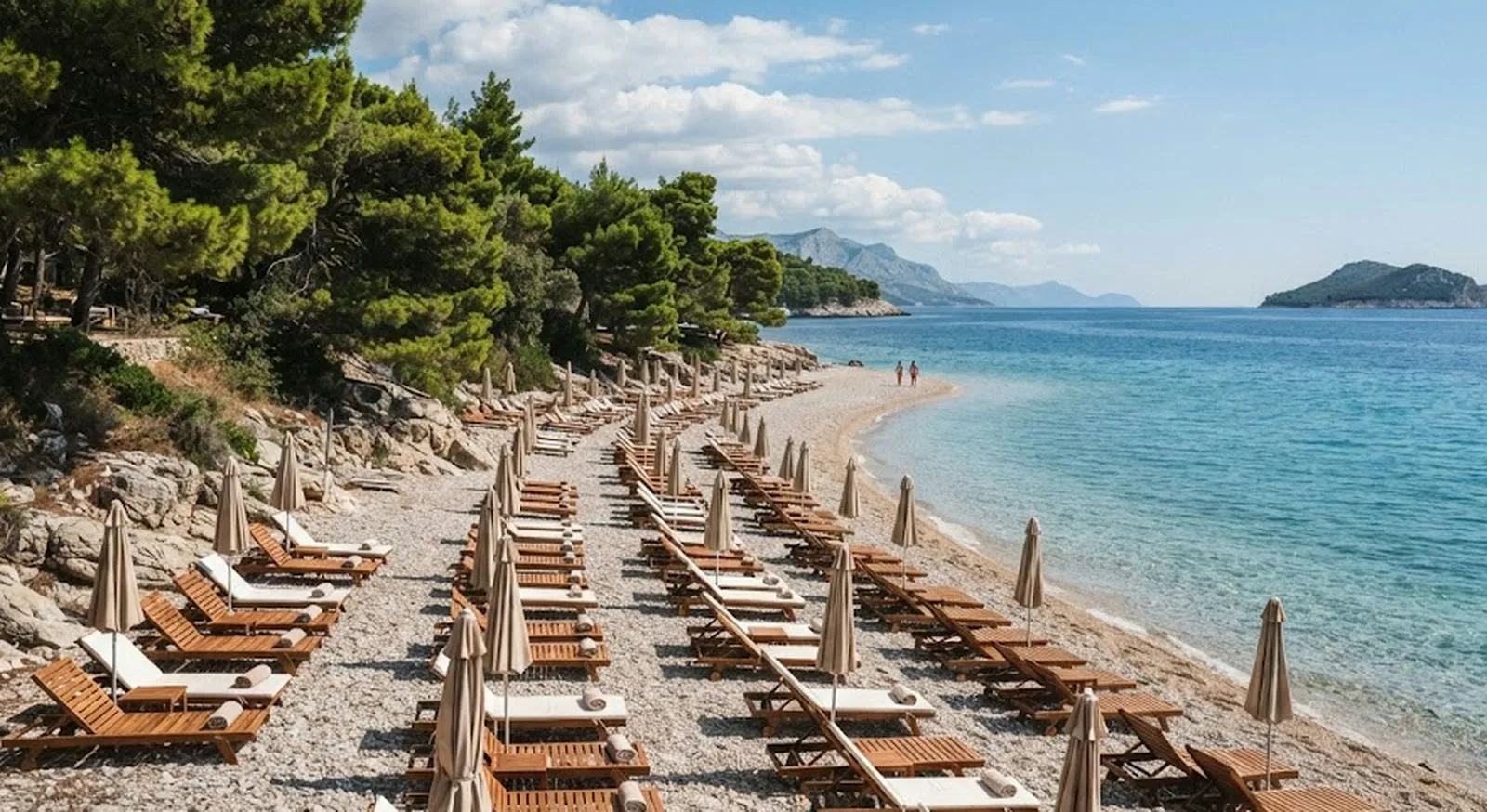
Croatian statistics record a 6.6 percent drop in June, and nearly a third fewer overnight stays from its most important...
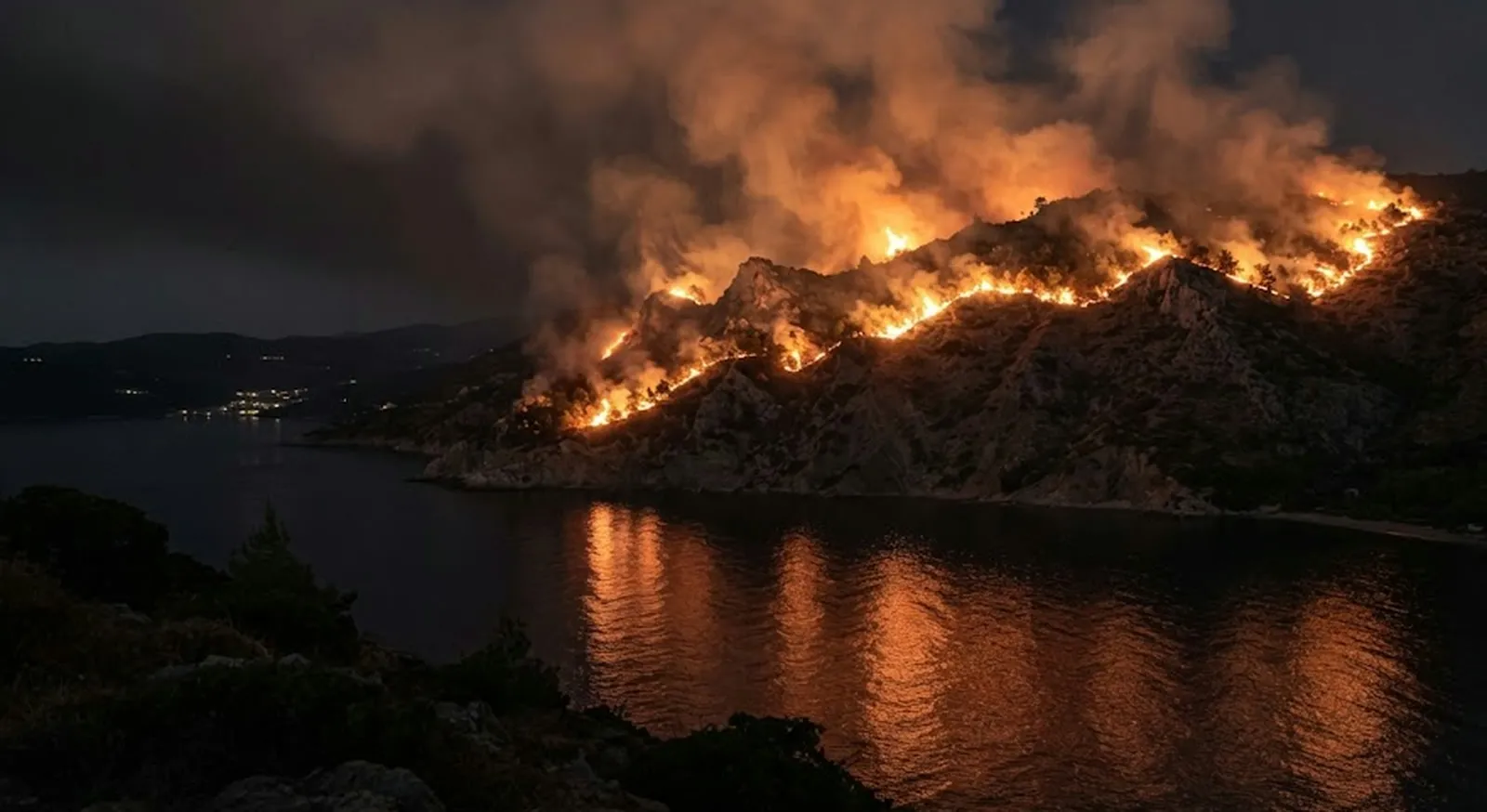
Bijela and Baošići lost power and water while the fire spread along the power line. The number two - that...
This site uses cookies - is that okay? Learn more
Be the first to know when Metla launches something new
Leave your email and we will write when there is a new guide or something new on Metla.
