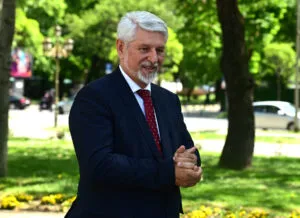
A New Criminal Complaint Against Jakimovski: A Building Permit Based on a Plan Struck Down Back in 2018
16.09.2026


16.09.2026

16.09.2026

16.09.2026

16.09.2026
16.09.2026

16.09.2026

16.09.2026

15.09.2026

14.09.2026

16.09.2026

16.09.2026

15.09.2026

16.09.2026

15.09.2026

14.09.2026

16.09.2026

16.09.2026

16.09.2026

16.09.2026

15.09.2026
15.09.2026

09.03.2026

27.02.2026

19.02.2026

16.09.2026

15.09.2026

14.09.2026

23.04.2026

23.04.2026

12.04.2026

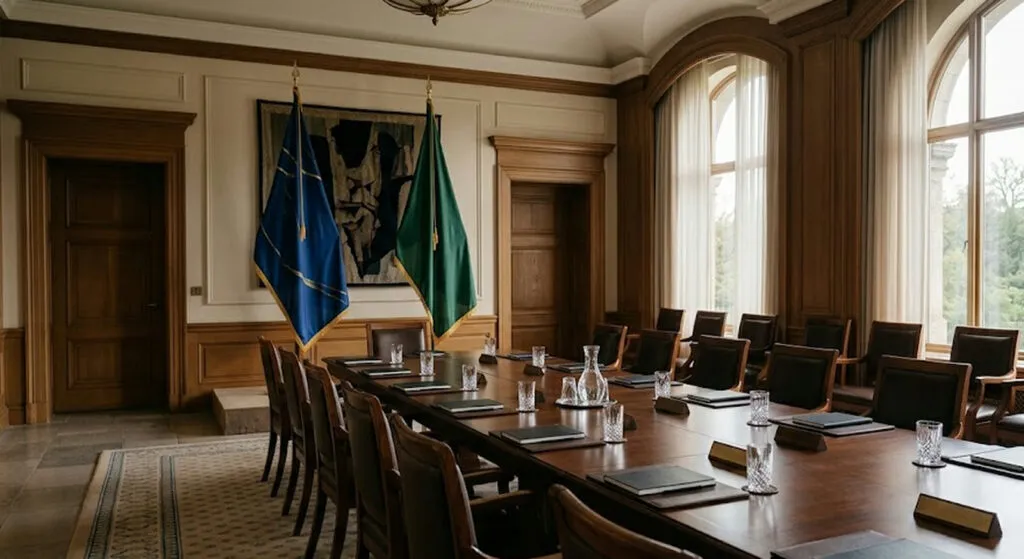
When German chancellor Friedrich Merz said Iran "is humiliating" the US with its negotiating tactics, Donald Trump didn't reply with a diplomatic note. He replied with a post on Truth Social. And with the energy of a man who's just sharpened his knife.
"The German Chancellor should focus more on ending the Russia-Ukraine war, where he has shown complete ineffectiveness, and on repairing his own broken state - particularly on migration and energy - instead of meddling in the fight against the Iranian nuclear threat", Trump wrote.
These sentences aren't accidental. Each carries a sharp edge. First - "complete ineffectiveness" in Ukraine, while Germany is the largest European donor for Kyiv after the US. Second - "broken state", terminology that's rarely used in American political language toward a NATO ally. Third - the jab on migration and energy, two areas where Berlin is politically vulnerable.
Merz responded with discretion. He stressed that the US-Germany alliance is important, that NATO unity is the priority, and that Berlin remains "a trusted American partner". In other words: he swallowed his words.
The transatlantic crisis didn't start with Merz. It started in the first months of the second Trump administration. Germany has a specific mistake - it tried to speak in the same diplomatic tone with which it spoke to Biden. That tone no longer works in Washington.
In the Balkans we see this as a refreshment. For a very long time Berlin was the tone of Europe. Our politicians ran to meetings at the Chancellery as if to an exam. Now, when Trump takes a step on Germany, he takes a step on the EU too. And the question for Skopje and Belgrade is the same: who do we deal with - a Berlin that no longer decides, or a Washington that no longer listens?
The latest 10 news from this category

Sanctions imposed over one war are being offered as currency in an entirely different dispute. Most member states are against...
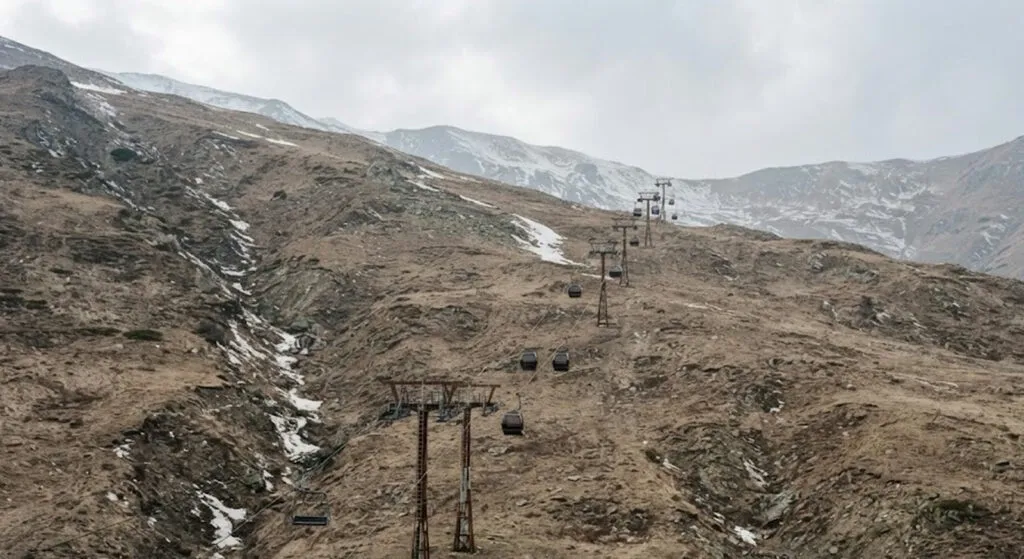
El Nino in the Pacific shifts the currents that decide where snow falls. An area that usually gets a metre...

The easiest way to dismiss an uncomfortable argument is to point at who is making it. But that does not...

The appeals court ruled the entire trial must start over. The son of Norway's queen is waiting for it on...
Trump scaled back the military exercises to ease the tension, and Wonsan answered in the form of projectiles. What does...

The sanctions list got a seven-day extension instead of one measured in months, a move diplomats themselves call unprecedented. Two...
Switzerland offered a table for talks on Ukraine, Moscow replied that the table stopped being neutral once Bern adopted EU...

The will says one thing, a committee of twenty-one men decided another. The queen mother says the army pulled the...
A country that was Europe's byword for stability for decades now has a parliament split into two blocs by a...
Sixteen years in power, defeat at a regular election, five months of quiet - and now the election result is...
This site uses cookies - is that okay? Learn more
Be the first to know when Metla launches something new
Leave your email and we will write when there is a new guide or something new on Metla.