
The Young Men From Saraj Say They Were Beaten After Being Subdued, the Union Claims They Tried to Run Police Over: The Interior Ministry Is Still Just Investigating
11.10.2026


11.10.2026
11.10.2026
11.10.2026
11.10.2026
11.10.2026
11.10.2026

11.10.2026

10.10.2026
10.10.2026

11.10.2026

11.10.2026

10.10.2026
11.10.2026

11.10.2026

11.10.2026

11.10.2026
10.10.2026

09.10.2026
11.10.2026

11.10.2026

11.10.2026
11.10.2026

11.10.2026

10.10.2026
11.10.2026
11.10.2026
09.10.2026
10.10.2026

08.10.2026

06.10.2026

23.04.2026

23.04.2026

12.04.2026

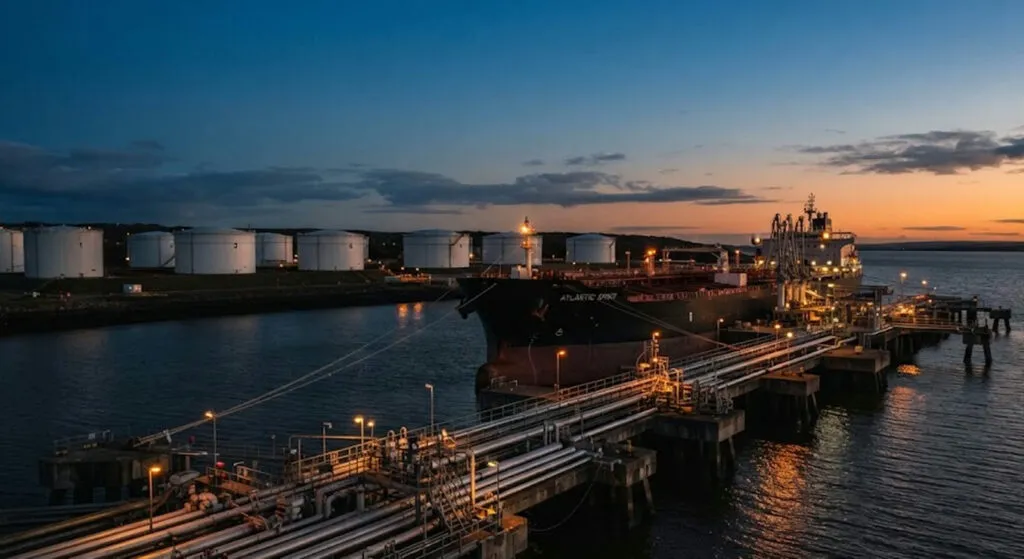
In two days Donald Trump did something Moscow couldn't manage on its own for months: he eased US sanctions on Russian diesel, publicly thanked Vladimir Putin, and then declared that Ukraine needs a new president. All of it without Russia promising to sit down to peace talks.
The deal: millions of tons of diesel for the American and world market
According to Trump's post after his phone call with Putin, Russia is to immediately deliver more than 300,000 tons of diesel to the American and world market, another 500,000 tons in November and a million tons after that. An additional three million tons have been announced, depending on the state of Russian refineries - more than 4.8 million tons in total. The US Treasury immediately issued a temporary license for the deliveries, valid until April 7, 2027.
The motive is no secret. Diesel in the US costs an average of 6.23 dollars a gallon, about 70 percent more than before the start of the war with Iran. Farmers, ranchers and truck drivers are Trump's audience, and the congressional elections are on November 3. "Lowering prices for Americans, especially our farmers, ranchers and truckers, is my top priority," Trump wrote. The irony is that only a month ago he signed a new sanctions law against Russia - with measures against Russian officials, banks and tankers that get around the existing restrictions.
Zelensky: a birthday present for Putin
Kyiv learned of the deal after it had already been made, even though a Ukrainian delegation was negotiating with the Americans in Miami in those very days. Zelensky called the decision "shameful" and "weak", and said in an interview that it looks like a birthday present for Putin, whose birthday was on October 7.
Moscow's answer came with bombs. "Today Russia said thank you for lifting the sanctions on diesel exports with five guided bombs on apartment buildings in Zaporizhzhia," Zelensky wrote. According to Ukrainian authorities, at least 20 people, including three children, were killed in the attacks on Zaporizhzhia.
Six demands, not one Russian obligation
According to a US official familiar with the talks, Trump decided on the deal after Zelensky ignored at least six demands from Washington to stop attacking Russian refineries. Ukrainian drone strikes cut Russian diesel production by about 30 percent and forced Moscow to impose an export ban. Zelensky offered a compromise: Ukraine would stop the attacks if Russia stopped targeting Ukrainian power plants. Washington refused - it demanded a unilateral halt to the strikes on refineries.
In other words, the country under attack is being asked to stop hitting the infrastructure that funds the war against it, with no obligation at all for the one that attacked it. One Ukrainian official claims the Americans in Miami even mentioned suspending intelligence sharing. The American side denies it.
"It's time Ukraine got a new president"
Instead of calming things down, Trump stoked them. Speaking to reporters at the White House, he said: "I suggest they get a new leader who could make a deal. I think it's time Ukraine got a new president." He added that Zelensky had lost 30 percent of his country's territory, that more than two million people had died on both sides, and told him: "He'd better stop, damn it." It is one of Trump's sharpest attacks on Zelensky since their Oval Office clash in February 2025.
What did Trump get in return?
This is the heart of it. According to Putin's adviser Yuri Ushakov, in the 90-minute call Putin did not agree to an immediate resumption of talks with Ukraine - Moscow will still consider when they might continue. Ushakov described the call as friendly: neither leader wanted to hang up first, so they hung up at the same time. Moscow got sanctions relief, and in return there is no publicly confirmed Russian concession in the peace talks.
Europe is not thrilled. EU foreign policy chief Kaja Kallas warned that suspending sanctions on Russian diesel "gives Moscow additional revenue to wage war" and that Europe will not do the same. Germany and Sweden said they are sticking with the sanctions.
The Balkans know this scene by heart: a small country at war, a great power trading over its head, and a deal you find out about on social media. The question is whether Ukraine is still sitting at the table where its fate is decided - or is already on the menu.
The latest 10 news from this category
The last royal visit to Ceuta and Melilla ended in a diplomatic crisis with Morocco. This time the king isn't...
A month ago Trump signed new sanctions against Russia. Now Moscow is supposed to deliver him diesel, and Zelensky warns...
Hasan killed 13 unarmed people at Fort Hood in 2009. Secretary Hegseth wants everyone to be able to watch him...
The Crown Estate is paying him over 360,000 euros for the terminated lease on the Windsor residence - money that...
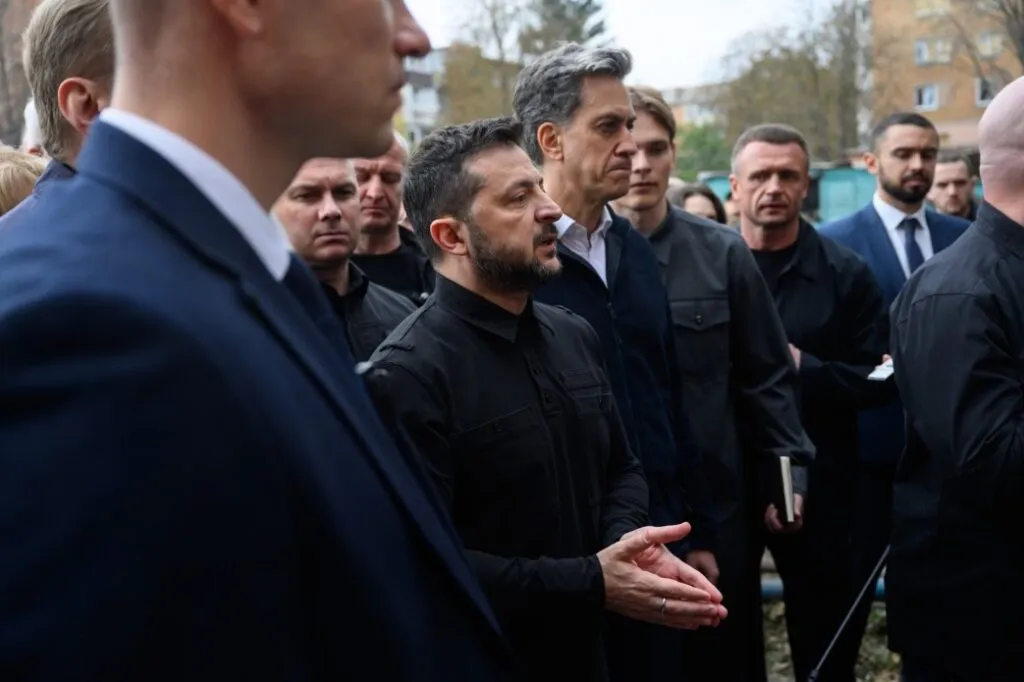
While Rubio talks of a "dangerous stalemate", Ukraine counts 78 dead in two days. Zelensky wants sanctions and Starlink, and...
A 58,000-dollar basketball court, private jets and a 100,000-dollar bill a donor was allegedly supposed to pay. The State Department...
A young lab technician at a Russian plague institute died of "pneumonia of unknown etiology", and 200 people are under...
A routine check on whether guns were properly locked away ended with two dead officials, a village under lockdown and...
For eleven years she looked after the house in Belgravia, and while the princess spent the pandemic outside London, her...
Ambassadors meet without mobile phones and discuss the day sabotage will kill EU citizens. And it's still unclear who will...
This site uses cookies - is that okay? Learn more
Be the first to know when Metla launches something new
Leave your email and we will write when there is a new guide or something new on Metla.