


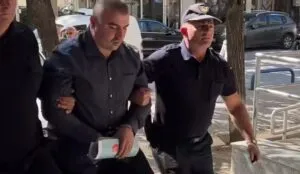
Two young men say police officers beat them while they were tied up: the investigation is being run by the Interior Ministry itself
10.10.2026


10.10.2026
10.10.2026
10.10.2026

10.10.2026

10.10.2026

10.10.2026

10.10.2026

10.10.2026

09.10.2026

10.10.2026

10.10.2026

09.10.2026

10.10.2026

10.10.2026

10.10.2026

10.10.2026

09.10.2026
08.10.2026

10.10.2026

10.10.2026

10.10.2026

10.10.2026

10.10.2026

09.10.2026
09.10.2026

08.10.2026

07.10.2026
10.10.2026

08.10.2026

06.10.2026

23.04.2026

23.04.2026

12.04.2026

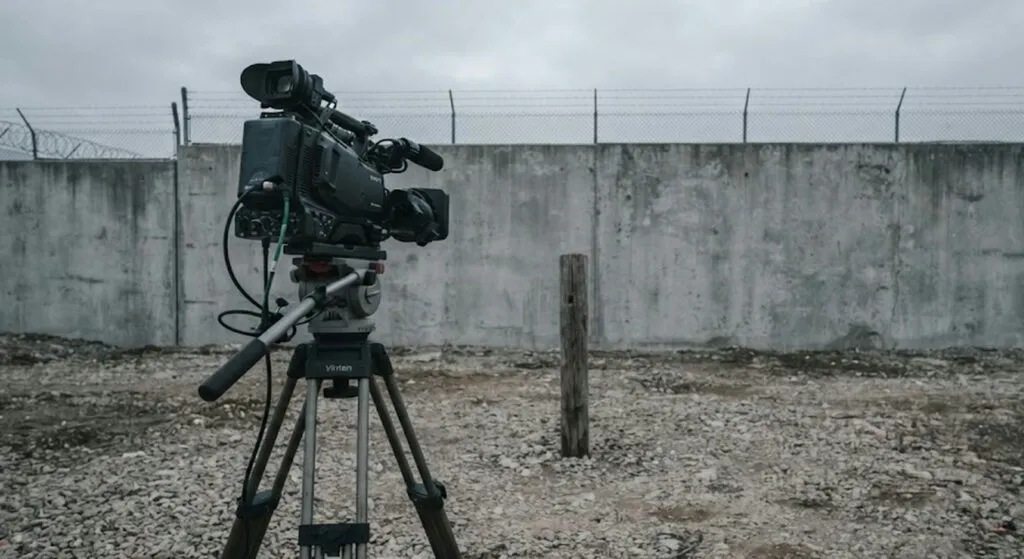
Former US Army major Nidal Hasan will be executed by firing squad on 3 December at the Fort Hood base in Texas. That is the Pentagon's decision, approved by Donald Trump. What is new is that Defence Secretary Pete Hegseth wants everyone to watch. "We'll make sure people can watch it, that it's public," Hegseth said, and then confirmed on X that the execution will be livestreamed online.
If it goes ahead, it will be the first military execution in the US in more than 60 years, the first by firing squad since the end of the Second World War and, according to reports, the first public execution in America in almost a hundred years. The last military execution was carried out in 1961, by hanging. The last firing squad - in 1945, when Private Eddie Slovik was executed for desertion.
The crime is not in dispute
Hasan, an army psychiatrist, opened fire on 5 November 2009 in a medical building at Fort Hood where soldiers were waiting for check-ups before deploying. He killed 13 unarmed people. Before a military court in 2013 he said he believed he was protecting Muslims and the Taliban in Afghanistan. That was his choice and his crime.
But the question Hegseth raises is not whether Hasan is guilty. The question is why one convict's death should be turned into a show. Asked whether Hasan had any last wishes or had appealed to Trump, the secretary replied: "I don't care. See you on December 3." The firing squad will be made up of soldiers - "exactly the way it should be", Hegseth said.
Lawyers: "This belongs to the Middle Ages"
Lawyer John Mills, who represents death row inmates, says a live broadcast has no precedent in modern times and stands on shaky legal ground. Hasan's appeals are not finished, and he will most likely seek review in federal court, which could delay the execution. "The attempt at a livestream and the firing squad are just attention-seeking by the Trump administration," Mills says. Eugene Fidell, a lecturer at Yale Law School, is even harsher: "Livestreaming an execution belongs to the Middle Ages. I thought we had outgrown that as a society."
Professor Deborah Denno of Fordham University sees another angle: more than half of Americans support the death penalty, although the number is falling. A broadcast would confront them with what they support. "If you want the death penalty, we'll show you how it's carried out."
There is also a technical question - where? Meta explicitly bans livestreaming executions, TikTok does not allow disturbing content, and X removes footage of someone's death if the family asks. Truth Social, the platform Trump owns, has no livestreaming option at all.
Trump and public executions
Trump has long supported the death penalty. Back in 1989 he paid for an ad in The New York Times calling for the execution of five teenagers in the "Central Park" case - boys who were later fully exonerated. And before the attack on Iran this year, he condemned public executions in that country. After returning to the White House he lifted Joe Biden's moratorium on federal executions.
Macedonia's 1991 Constitution does not allow the death penalty. In America, meanwhile, the state is preparing to put it on screen. When justice needs an audience to count, who is it really for - the victims of Fort Hood, or the voters?
The latest 10 news from this category
A month ago Trump signed new sanctions against Russia. Now Moscow is supposed to deliver him diesel, and Zelensky warns...

The Crown Estate is paying him over 360,000 euros for the terminated lease on the Windsor residence - money that...
While Rubio talks of a "dangerous stalemate", Ukraine counts 78 dead in two days. Zelensky wants sanctions and Starlink, and...

A 58,000-dollar basketball court, private jets and a 100,000-dollar bill a donor was allegedly supposed to pay. The State Department...
A young lab technician at a Russian plague institute died of "pneumonia of unknown etiology", and 200 people are under...
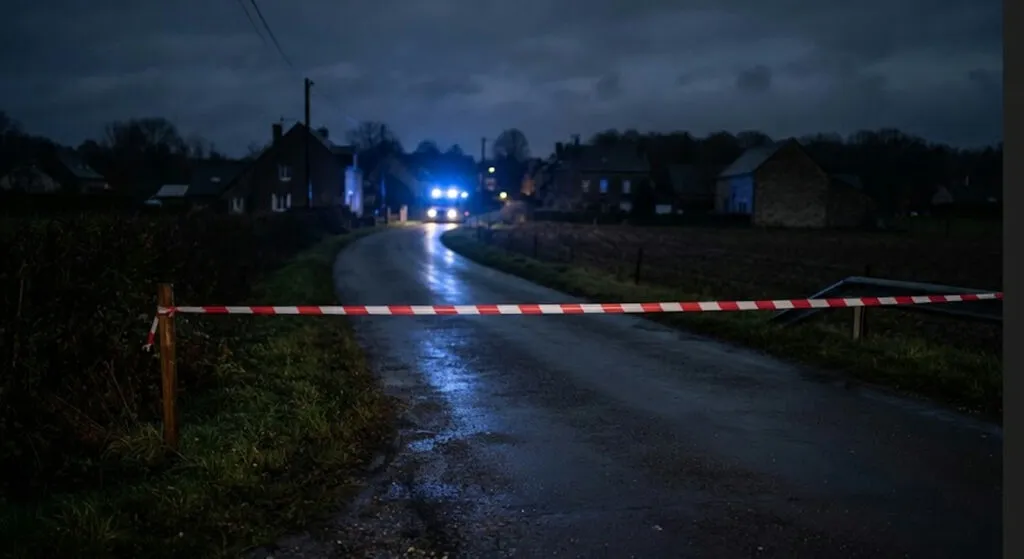
A routine check on whether guns were properly locked away ended with two dead officials, a village under lockdown and...

For eleven years she looked after the house in Belgravia, and while the princess spent the pandemic outside London, her...
Ambassadors meet without mobile phones and discuss the day sabotage will kill EU citizens. And it's still unclear who will...

The cause of death is unknown, yet the Russian authorities are certain it wasn't a lab accident. The world has...

The first royal to challenge legal proceedings since Charles I in 1649 - and Buckingham Palace has said it won't...
This site uses cookies - is that okay? Learn more
Be the first to know when Metla launches something new
Leave your email and we will write when there is a new guide or something new on Metla.

