


Two young men say police officers beat them while they were tied up: the investigation is being run by the Interior Ministry itself
10.10.2026


10.10.2026

10.10.2026
10.10.2026

10.10.2026
10.10.2026

10.10.2026
10.10.2026
10.10.2026

09.10.2026

10.10.2026

10.10.2026

09.10.2026

10.10.2026

10.10.2026

10.10.2026
10.10.2026

09.10.2026
08.10.2026

10.10.2026

10.10.2026

10.10.2026

10.10.2026

10.10.2026

09.10.2026

09.10.2026

08.10.2026

07.10.2026
10.10.2026

08.10.2026

06.10.2026

23.04.2026

23.04.2026

12.04.2026

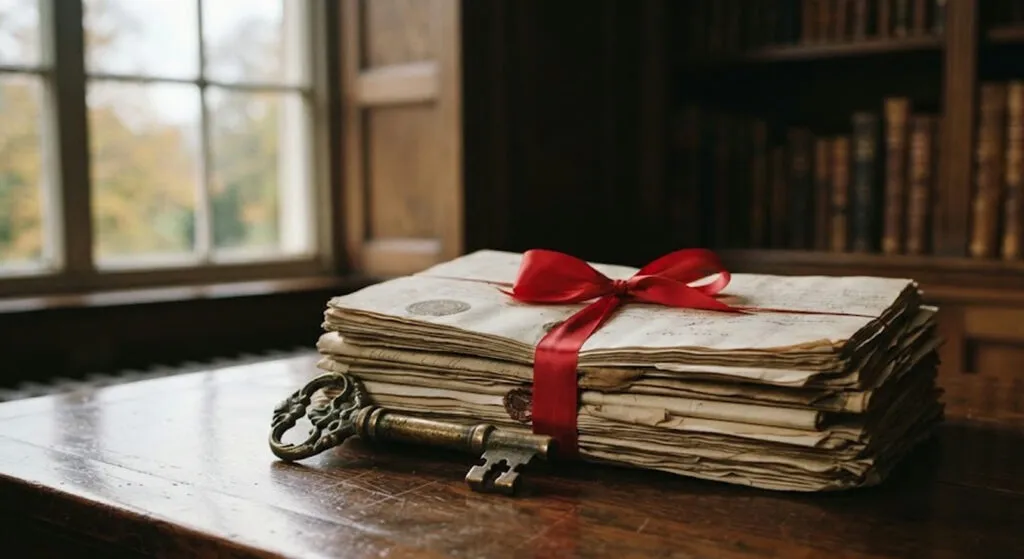
The British Crown will pay former prince Andrew more than 302,000 pounds, or over 360,000 euros. The reason is the lease on Royal Lodge, the Windsor residence he moved out of in February. The lease has now been officially terminated - and terminating it, it turns out, comes with a price. The payment was announced by a Crown spokesperson.
It was a good day for Andrew in court too. A London judge ruled that the warrants to search his homes, issued in February, were unlawful because of a procedural error, and Thames Valley Police admitted the error in court. The man stripped of his princely titles got, in a single day, both an admission that the police got it wrong and a cheque for the house he moved out of.
The numbers behind the deal explain why the Crown is paying. The lease was signed in 2003 for a full 75 years. According to The Times, Andrew paid one million pounds for it plus another 7.5 million pounds for renovation. The rent was symbolic - what the British call a "peppercorn rent" - and according to reports, for 22 years he did not pay even that.
He left Royal Lodge in February, after months of public pressure over his friendship with Jeffrey Epstein, and moved to Marsh Farm, on the Sandringham estate. He left the house back then, but the contract is only legally closing now - and not for free.
Whose money is this? It is not from King Charles III's private pocket, but from the Crown Estate - the portfolio of land and property whose profits go to the British Treasury. Every pound paid to Andrew is a pound less for the budget. Buckingham Palace had earlier given assurances that royal money would not fund his brother's new legal battles. Technically, that promise has been kept. In practice, less money will reach the state.
How many times in the Balkans has an official left under a cloud, with the exit still paid for out of public money? The difference is that the British at least know the exact figure - down to the pound.
The latest 10 news from this category
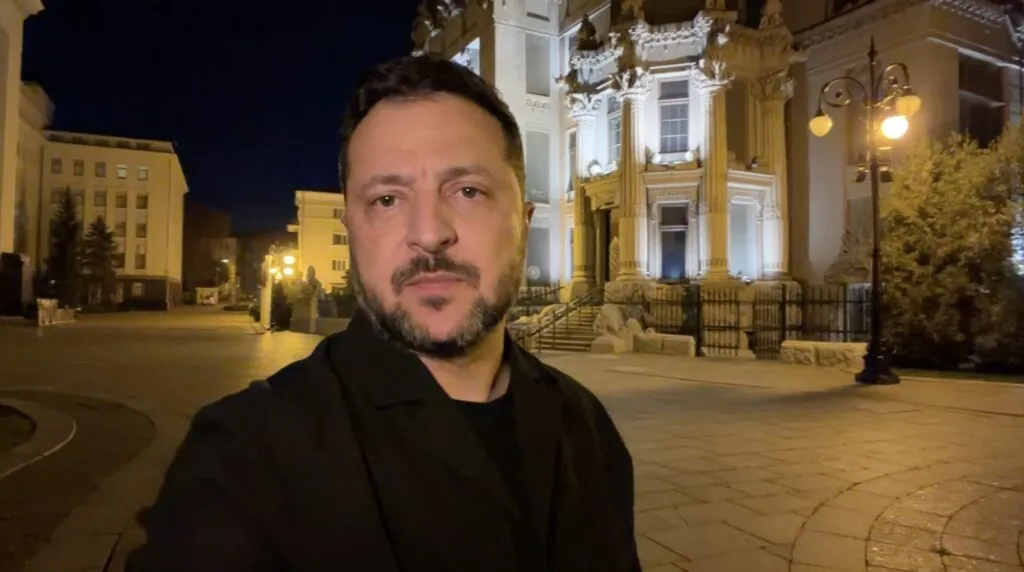
A month ago Trump signed new sanctions against Russia. Now Moscow is supposed to deliver him diesel, and Zelensky warns...
Hasan killed 13 unarmed people at Fort Hood in 2009. Secretary Hegseth wants everyone to be able to watch him...
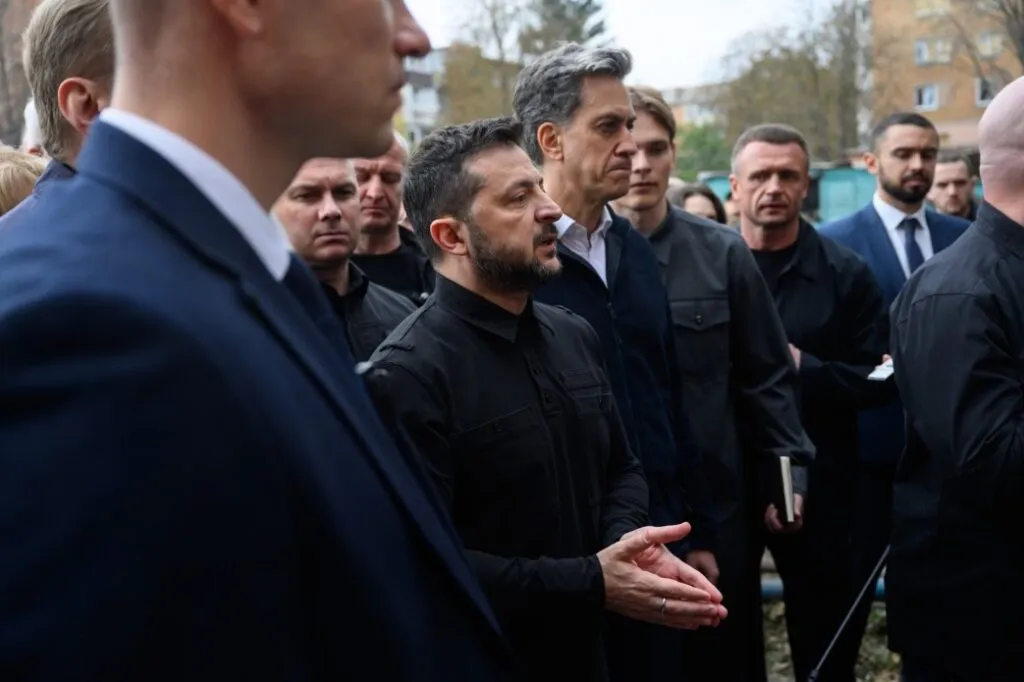
While Rubio talks of a "dangerous stalemate", Ukraine counts 78 dead in two days. Zelensky wants sanctions and Starlink, and...

A 58,000-dollar basketball court, private jets and a 100,000-dollar bill a donor was allegedly supposed to pay. The State Department...

A young lab technician at a Russian plague institute died of "pneumonia of unknown etiology", and 200 people are under...
A routine check on whether guns were properly locked away ended with two dead officials, a village under lockdown and...
For eleven years she looked after the house in Belgravia, and while the princess spent the pandemic outside London, her...
Ambassadors meet without mobile phones and discuss the day sabotage will kill EU citizens. And it's still unclear who will...

The cause of death is unknown, yet the Russian authorities are certain it wasn't a lab accident. The world has...
The first royal to challenge legal proceedings since Charles I in 1649 - and Buckingham Palace has said it won't...
This site uses cookies - is that okay? Learn more
Be the first to know when Metla launches something new
Leave your email and we will write when there is a new guide or something new on Metla.

