

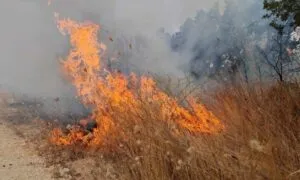
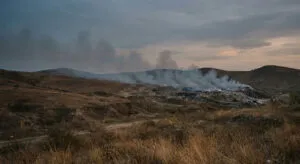
It's October, and Macedonia Is Still Burning: 30 Fires in a Single Day, Five of Them at Landfills and Rubbish Dumps
09.10.2026


09.10.2026

09.10.2026

09.10.2026
09.10.2026

09.10.2026

09.10.2026

09.10.2026

08.10.2026

08.10.2026

09.10.2026

09.10.2026

08.10.2026

09.10.2026

09.10.2026

09.10.2026

09.10.2026

08.10.2026

07.10.2026

09.10.2026

09.10.2026

09.10.2026

09.10.2026

09.10.2026
08.10.2026
09.10.2026

08.10.2026

07.10.2026
08.10.2026

06.10.2026

05.10.2026

23.04.2026

23.04.2026

12.04.2026

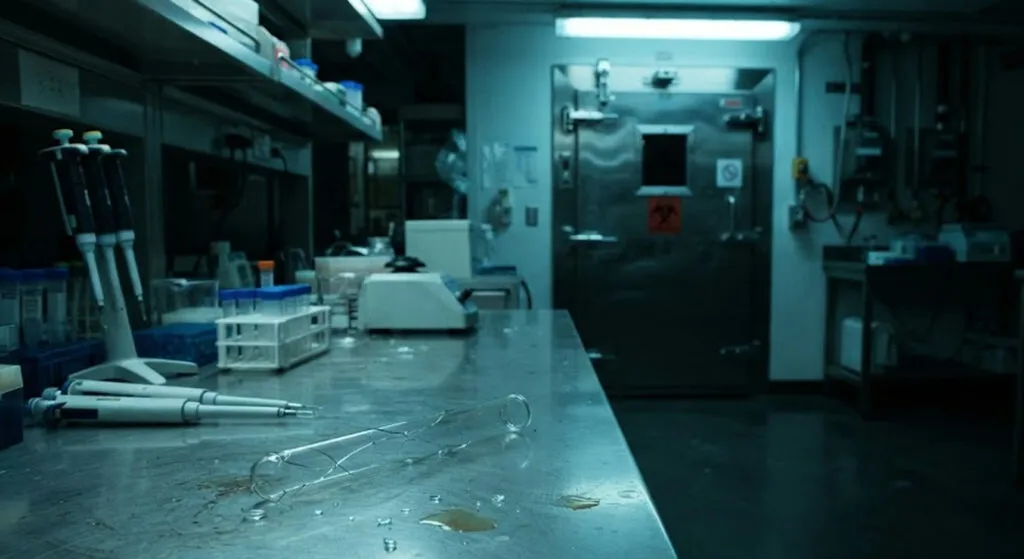
Daria Shipilova was 28 and worked at the Plague Control Research Institute in Irkutsk, in south-eastern Siberia. On September 25, according to local media, she broke a test tube containing the pathogen that causes pneumonic plague. On September 29 she was admitted to hospital with symptoms of severe pneumonia. On the night of October 1 to 2 she died. The official cause: "pneumonia of unknown etiology".
Unknown etiology - at an institute whose only job is plague. That's the sentence that set the rumours alight, and it's hard to blame people for reading it twice.
Russian authorities say they found no evidence that her illness was caused by any of the pathogens she worked with and that the situation is under control. Rospotrebnadzor, the sanitary watchdog, said disinformation about a new plague case was circulating on social media and that the sanitary and epidemiological situation in the Irkutsk region is "stable". At the same time, the hospital where she was treated has been quarantined, and around 200 people who were in contact with her are under strict medical observation.
Quarantining an entire hospital and putting two hundred people under observation are not measures for "nothing". If everything is stable, why does it look like a state of emergency?
Washington wants transparency, the Kremlin "has no information"
US Secretary of State Marco Rubio on October 6 asked Russia for more information about the infection. "We call on Russia to be transparent and give the world more information, so that everyone can respond appropriately," Rubio said. An unnamed State Department official told CNN that US authorities had contacted the Russian government even before that, and The Washington Post reported on October 7 that the US is preparing an official diplomatic note to Moscow. Kremlin spokesman Dmitry Peskov replied that the Kremlin has no information about any such note.
The European Commission and EU member states have also scheduled talks on the suspicion that pneumonic plague has broken out in Siberia. Britain's Daily Mail, citing some Russian media, claims a second person suspected of being infected has also died - a claim nobody has officially confirmed. So Brussels isn't entirely convinced by the word "stable" either.
The Balkans remember Chernobyl
In April 1986 Moscow stayed silent about Chernobyl for days, while the radioactive cloud was already drifting over Europe, the Balkans included. That doesn't mean Irkutsk is a new Chernobyl - pneumonic plague today is treated with antibiotics if caught in time. But the pattern is familiar: first "nothing's happening", then "under control", and the truth arrives last.
A young scientist is dead, 200 people are waiting for results, and the diplomats are the loudest voices. Who will answer for it if the "unknown etiology" turns out to be very well known?
The latest 10 news from this category

While Rubio talks of a "dangerous stalemate", Ukraine counts 78 dead in two days. Zelensky wants sanctions and Starlink, and...

A 58,000-dollar basketball court, private jets and a 100,000-dollar bill a donor was allegedly supposed to pay. The State Department...
A routine check on whether guns were properly locked away ended with two dead officials, a village under lockdown and...
For eleven years she looked after the house in Belgravia, and while the princess spent the pandemic outside London, her...

Ambassadors meet without mobile phones and discuss the day sabotage will kill EU citizens. And it's still unclear who will...
The cause of death is unknown, yet the Russian authorities are certain it wasn't a lab accident. The world has...
The first royal to challenge legal proceedings since Charles I in 1649 - and Buckingham Palace has said it won't...
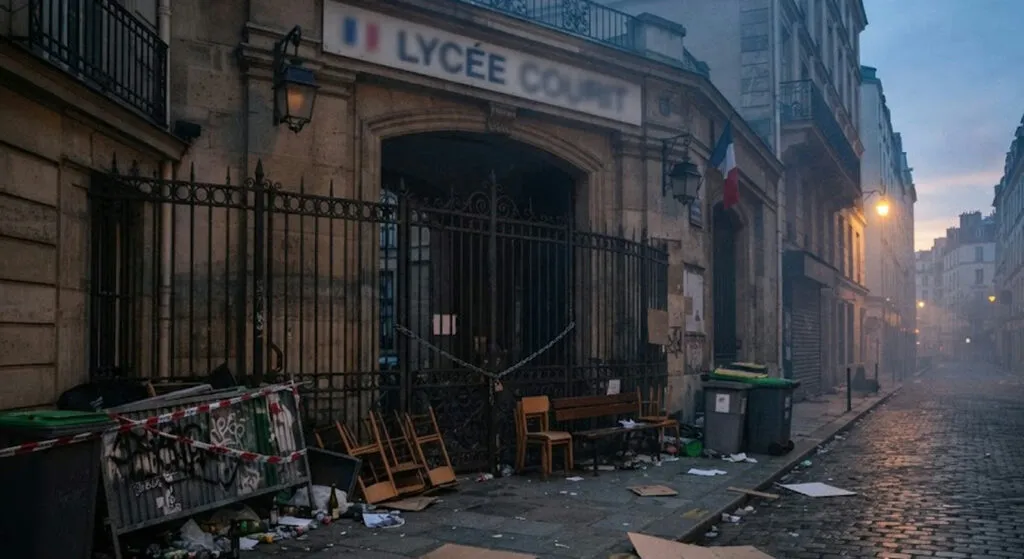
It started with complaints about missing teachers and crumbling classrooms. It has reached tear gas, grenades and over 6,500 detentions,...
In 2009 Nidal Malik Hasan killed 13 unarmed soldiers at a base in Texas. Now the Pentagon is announcing a...
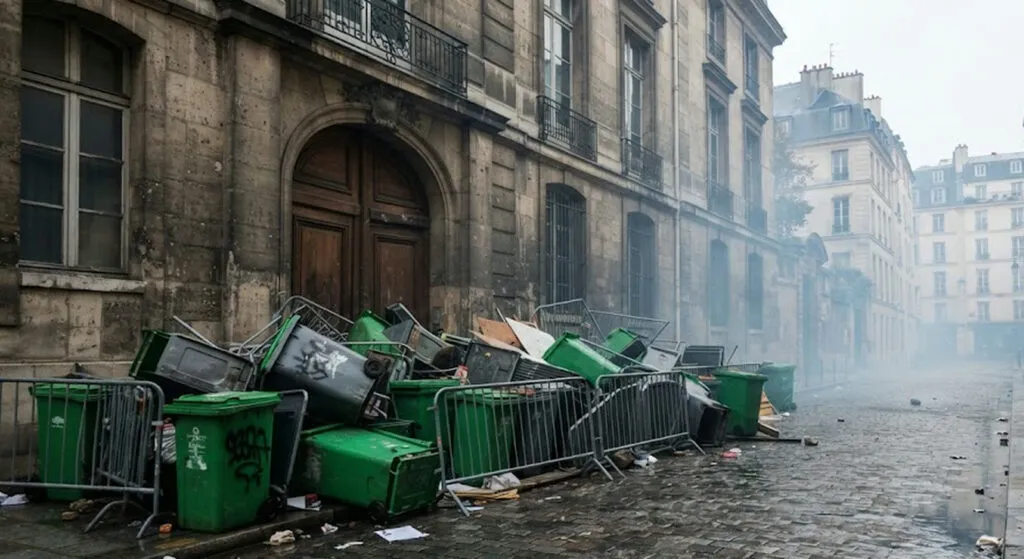
215 pupils injured, over 6,000 arrested and a boy without a hand - and Trump sees only Islam in all...
This site uses cookies - is that okay? Learn more
Be the first to know when Metla launches something new
Leave your email and we will write when there is a new guide or something new on Metla.

