


Head of Bitola's Higher Prosecution Office Loses His Passport: Suspected of Lobbying for Lighter Sentences in at Least Four Cases
08.10.2026


08.10.2026
08.10.2026

08.10.2026
08.10.2026

08.10.2026
08.10.2026

08.10.2026

08.10.2026

07.10.2026

08.10.2026

08.10.2026

07.10.2026

08.10.2026

08.10.2026

08.10.2026

08.10.2026

07.10.2026

06.10.2026

08.10.2026

08.10.2026

08.10.2026

08.10.2026

07.10.2026
07.10.2026

09.03.2026

27.02.2026

19.02.2026

08.10.2026

07.10.2026

06.10.2026
08.10.2026

06.10.2026

05.10.2026

23.04.2026

23.04.2026

12.04.2026

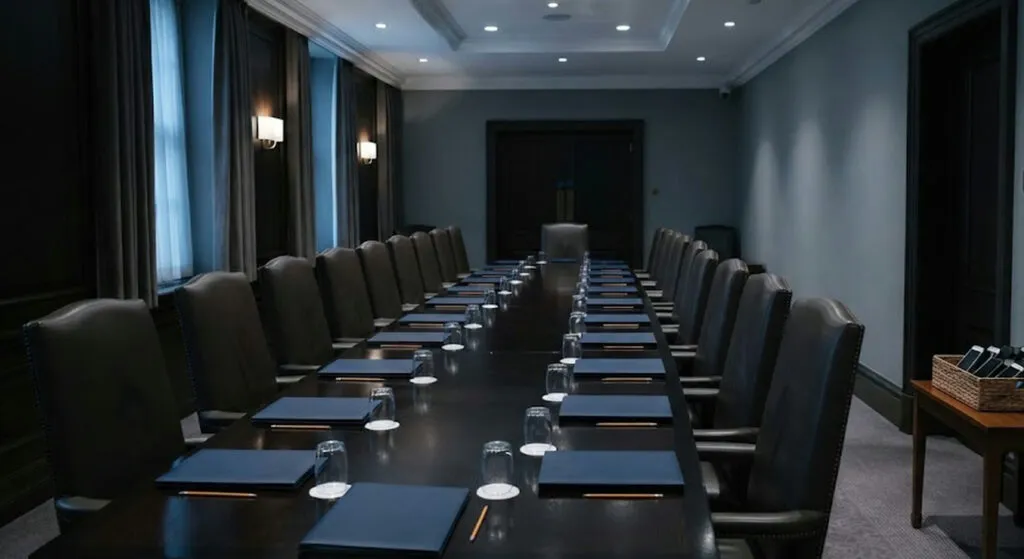
Ambassadors from all 27 EU member states have spent recent weeks meeting in a "restricted format" - no mobile phones, no aides. The topic is a nightmare scenario: a major hybrid attack in which several EU citizens are killed. According to five European diplomats and officials who spoke to Politico on condition of anonymity, that scenario is becoming more and more likely.
The talks intensified after a drone carrying explosives was found at Leipzig airport in August. "We have to be prepared for something serious. Unfortunately, Leipzig showed us that a very serious incident, something that would cause multiple casualties, is not unthinkable," a senior European diplomat admitted. Another official is even more direct: "Given the scale of Russian activity, sooner or later there will certainly be victims. It's sheer luck that there haven't been any so far."
Hybrid war every day
The EU receives reports almost daily of so-called hybrid attacks - sabotage, cyberattacks and covert operations that stay below the threshold of an open act of war. The list is long: the drone in Leipzig, the suspicious fire at the Polish ground station that handles Starlink communications, the plot to plant incendiary devices at transport hubs across the EU and Britain. And most recently - the cargo ship sunk by drones in Bulgaria's economic zone in the Black Sea, whose sailors are listed as missing.
"It's fairly obvious that, as Russia uses increasingly lethal means to test our preparedness, at some point there will be casualties," says Teija Tiilikainen, director of the European Centre of Excellence for Countering Hybrid Threats. A NATO diplomat admits that if citizens of an allied country are killed, the pressure to act will be enormous.
Who decides when it happens?
This is where the problems begin. Some capitals think the Union is overstepping its mandate and duplicating the work of NATO, the alliance that has been the foundation of European security for almost eight decades. "If there is confusion or duplication, it can slow down decision-making, and time is always critical," warned Oana Lungescu, a former NATO spokesperson. Ursula von der Leyen, meanwhile, is pushing an "emergency security protocol" and a European Security Council, which are due to feature in the European Security Strategy at the start of November. Some diplomats respond that the mechanisms already exist and that the integrated political crisis response worked well during the pandemic too.
There's a worse problem - trust. Several diplomats complain that the EU has no secure communication channels. Reports that a former Hungarian foreign minister passed on the content of leaders' conversations to his Russian counterpart have led some capitals to keep the most sensitive information only within NATO. "It either ends up in the media or goes straight to Moscow," says a diplomat from an eastern-flank country.
So the Union is preparing for an attack it considers inevitable, yet it still hasn't agreed who picks up the phone when it happens, or whether everything that's known can be said at the table. The Balkans, with a ship sunk in Bulgarian waters, are much closer to that table than it seems. Does any government in the region even have a plan like this - or will it wait for the first victim before writing one?
The latest 10 news from this category

The cause of death is unknown, yet the Russian authorities are certain it wasn't a lab accident. The world has...

The first royal to challenge legal proceedings since Charles I in 1649 - and Buckingham Palace has said it won't...
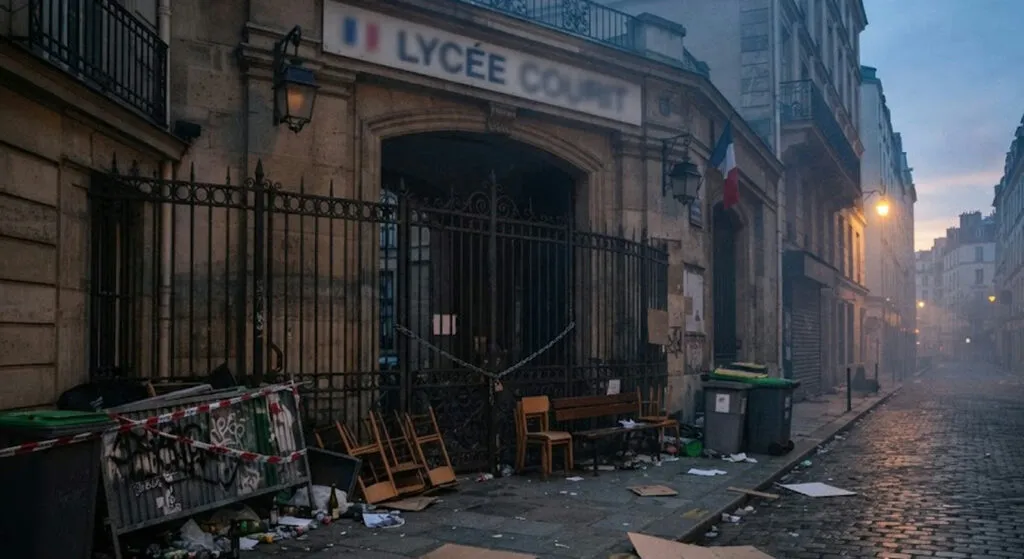
It started with complaints about missing teachers and crumbling classrooms. It has reached tear gas, grenades and over 6,500 detentions,...
In 2009 Nidal Malik Hasan killed 13 unarmed soldiers at a base in Texas. Now the Pentagon is announcing a...
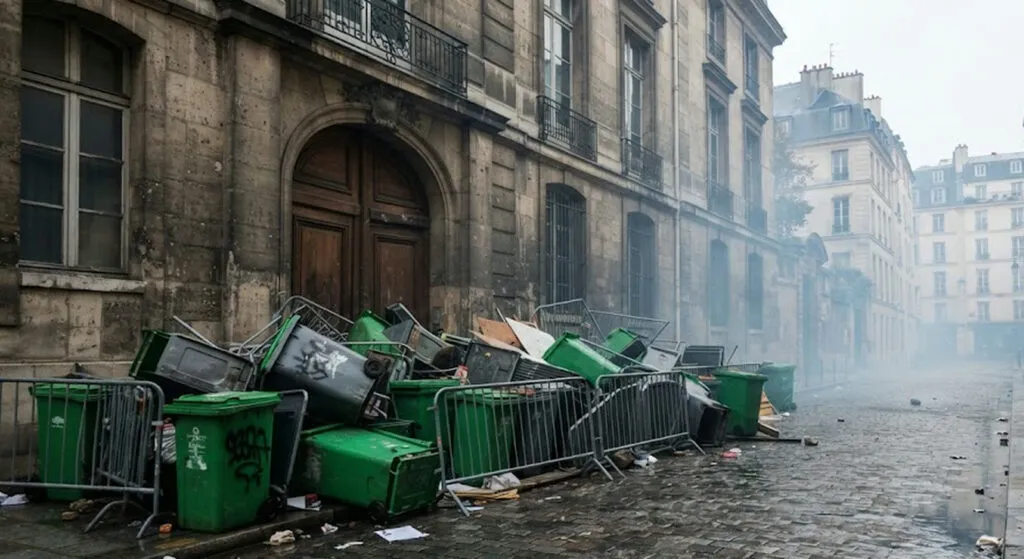
215 pupils injured, over 6,000 arrested and a boy without a hand - and Trump sees only Islam in all...
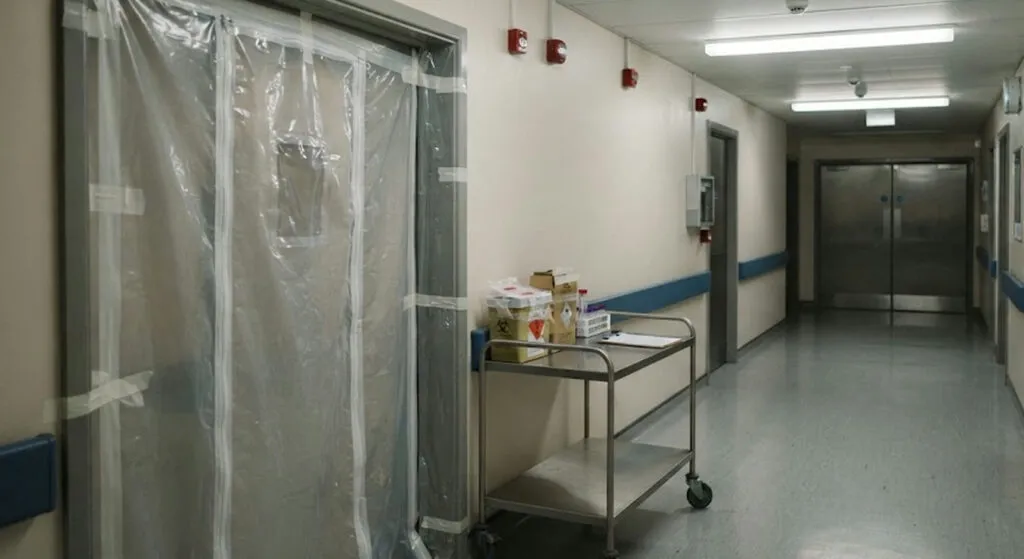
Officially - pneumonia of unknown origin. Unofficially - a broken test tube containing plague bacteria. Eastern Europe remembers Moscow's silence...

Oman Air had grounded him over extremist views, then Flydubai hired him and put him in the cockpit of a...

Iceland, the Netherlands, Finland and Britain are already calculating what it would mean if the ocean pump that keeps Europe...

The King's brother, arrested on his 66th birthday over his Epstein ties, wants a court to rule whether police were...
European diplomats called it blackmail - and then gave in within a day. If Berlin and Paris crack after a...
This site uses cookies - is that okay? Learn more
Be the first to know when Metla launches something new
Leave your email and we will write when there is a new guide or something new on Metla.