

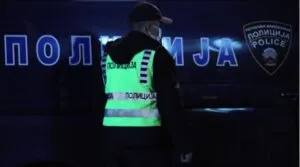
Someone Threw Flammable Liquid at a Shop in Central Skopje - and 17 Hours Passed Before Anyone Reported It
30.08.2026


30.08.2026
30.08.2026

30.08.2026
30.08.2026
30.08.2026
30.08.2026

30.08.2026
29.08.2026

28.08.2026

30.08.2026

30.08.2026

29.08.2026

30.08.2026

30.08.2026

30.08.2026

30.08.2026

29.08.2026

28.08.2026

30.08.2026

30.08.2026
30.08.2026

30.08.2026

30.08.2026

29.08.2026

09.03.2026

27.02.2026

19.02.2026
29.08.2026

28.08.2026
27.08.2026

23.04.2026

23.04.2026

12.04.2026
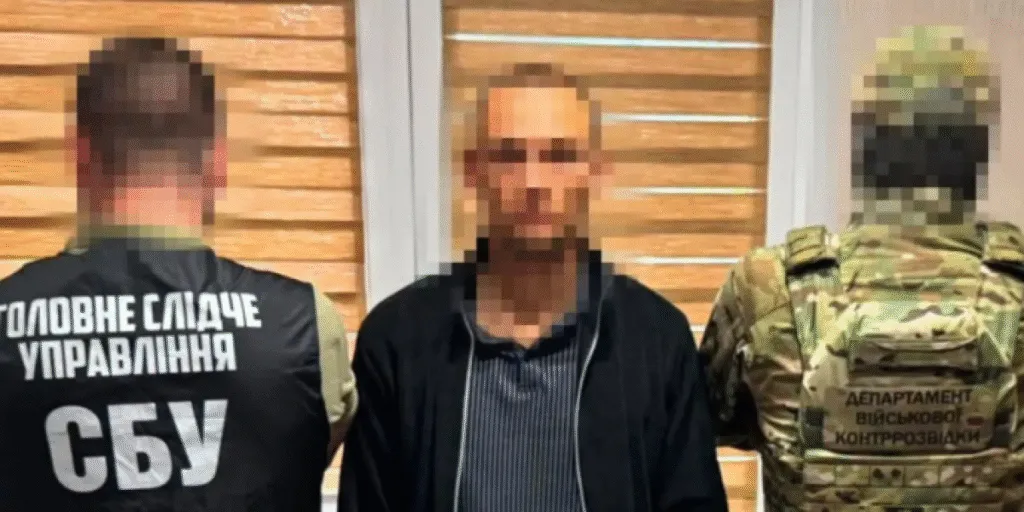
When a state catches a spy, it is usually some marginal figure - a reservist, a guard, someone who photographed a barracks for money. This time it is different. Ukraine's Security Service announced it had arrested in Odesa the commander of a special purpose group of the National Guard, accused of working for Russian military intelligence, the GRU.
This is not a civilian recruited over the internet. According to the Ukrainian service, the suspect was a serving officer with access to the National Guard's closed information network and to data on how the unit operates at the front and behind enemy lines.
He handed over his own access
The accusation is almost banal in its simplicity, and that is exactly what makes it heavy. The officer, the Ukrainian service claims, gave the Russian side the credentials he uses to log in to his own account on the National Guard's official platform.
"The officer gave the Russian special services the personal login details for his own account on the official internet platform", the statement says.
With that, according to the investigation, the GRU was trying to obtain remote access not only to data on the preparation and conduct of combat operations, but also to the algorithms for managing members of the special unit. The difference between a spy who reports a location and a spy holding a key to the system is the difference between a leak and an open door.
From data to a burning vehicle
Then the investigation takes an even more unusual turn. According to the Ukrainian service, the commander did not stop at handing over data - on GRU orders he set fire to a military vehicle in Odesa and filmed the blaze on his phone as proof the task had been carried out.
The next assignment, investigators claim, was meant to be more serious: to build an improvised explosive device and hand it to a "courier", who would then use it for an attack in southern Ukraine. During the search, his phone, laptop and other data carriers were seized. He is charged with high treason committed during a state of war, is being held without the possibility of bail, and if convicted faces life imprisonment with confiscation of property.
How much confidential information actually reached the Russian side has not been specified. Which means either Kyiv does not know, or does not want to say.
Odesa is not the first time
The case is not isolated. In early July, a 45-year-old lecturer at the research centre of the Military Academy was also arrested in Odesa, with access to state secrets and documents marked "secret" and "strictly confidential". According to the investigation, he copied and sent Russian military intelligence design documentation for Ukraine's newest strike drones. He too was charged with high treason.
The two cases differ in something essential. The academic was looking into the system from inside, but from the side. The commander of the special group was the system - he commanded people and held his own key to the closed network. If the charges hold, the GRU did not recruit an observer but a man who made decisions.
The Balkans know this scene. The most expensive betrayals never come from outside - they come from the man with the badge, the one nobody asks to identify himself. The question every service in every country is afraid to ask out loud is the same: how many more are there who have not been caught?
The latest 10 news from this category
Two months ago the same mistake cost eight lives, followed by dismissals and promises of severe punishment. Now the number...
The night Kyiv's air defence ran at ninety percent success and it still was not enough. The tactic has changed:...
Analysts claim that Putin, squeezed by the economy and a shortage of soldiers, is weighing an attack on a NATO...

If a deal stops the shooting but leaves every cause untouched, that is not the end of a war but...
A dozen explosions in waves over Kyiv, ballistic missiles on four more cities, and all of it was set out...
First they would not give missiles, then they gave them with rules on where they could be fired, now they...
Dnipropetrovsk, Kharkiv, Chernihiv and Zaporizhzhia spent the night under drones and missiles. A shopping centre car park and residential blocks...
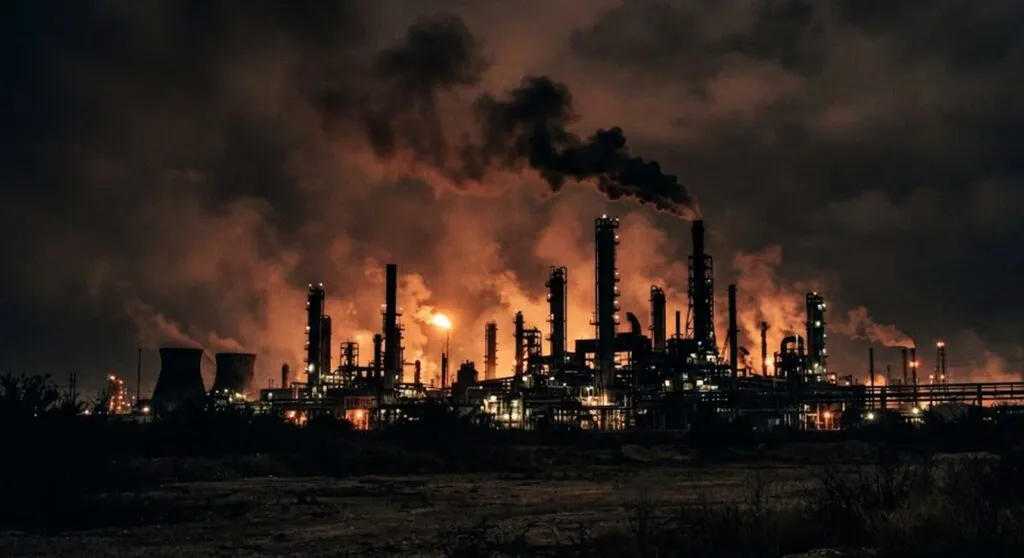
A plant that processes 6.25 million tonnes of oil a year. The war stopped being a line on a map...
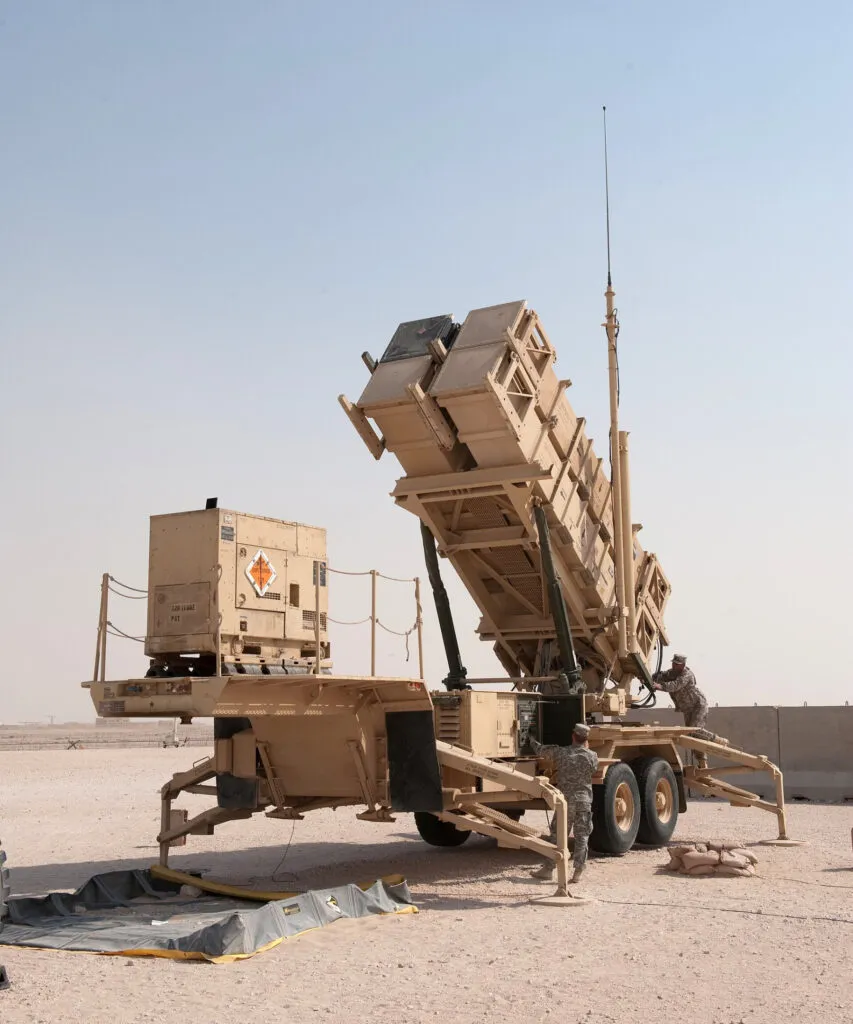
Bezmer in Bulgaria. Akrotiri in Cyprus. Missiles with a range over 2,000 kilometres. This is no longer a distant conflict...
Samara, Orenburg, Krasnodar, Adygea, Stavropol. Hundreds of evacuated workers who never decided anything about any front.
This site uses cookies - is that okay? Learn more
Be the first to know when Metla launches something new
Leave your email and we will write when there is a new guide or something new on Metla.
