

Studeničani: 35-year-old dies after being electrocuted while washing his car with a pressure washer
18.09.2026


18.09.2026
18.09.2026
18.09.2026
18.09.2026
18.09.2026
18.09.2026
18.09.2026

17.09.2026
16.09.2026
18.09.2026
18.09.2026

17.09.2026

18.09.2026
18.09.2026

18.09.2026

18.09.2026

17.09.2026

16.09.2026
18.09.2026
18.09.2026
18.09.2026

18.09.2026

17.09.2026

17.09.2026

09.03.2026

27.02.2026

19.02.2026
18.09.2026
17.09.2026
16.09.2026

23.04.2026

23.04.2026

12.04.2026

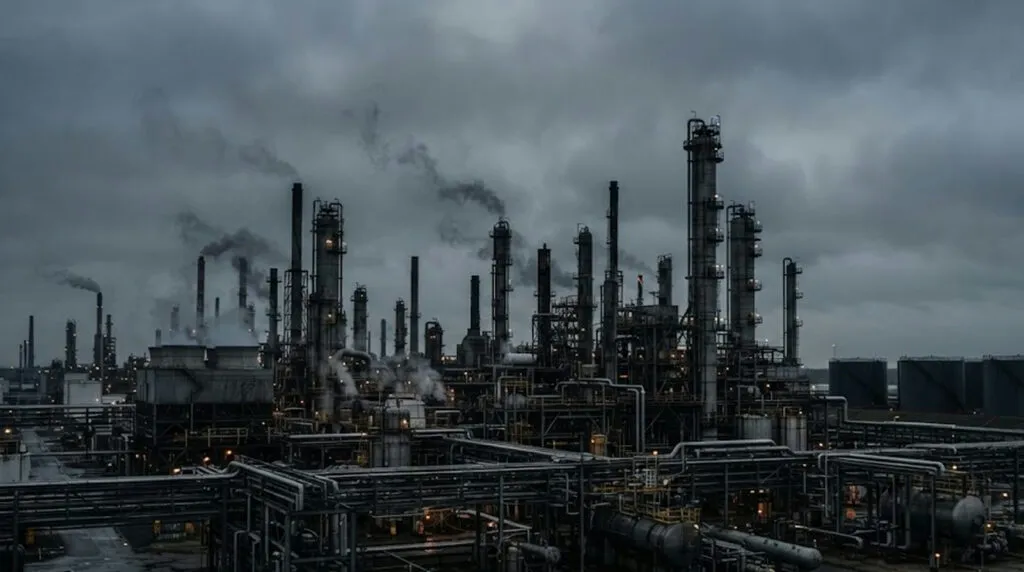
The House of Representatives passed the bill with 262 votes in favour and 159 against. The Senate had already backed it. All that remains is Donald Trump's signature, and the White House has confirmed he intends to give it.
What does the American president get with that signature? The authority to impose tariffs of up to 100 percent on countries that buy Russian energy. The same law also extends sanctions against Iran to 2031.
The figure that explains the whole operation comes from Senator Jeanne Shaheen: China is the largest importer of Russian fossil fuels and accounts for around 51 percent of Moscow's revenue from those sales. So this is not a law about Russia. This is a law about the people financing it.
Winter as the deadline
Republican Michael McCaul, who tabled it, insisted the bill pass before winter - to put pressure on Putin before Russia strikes civilian infrastructure again, the power grids and the water systems. "This will hit them where it hurts most," he said, adding that it will also push China to lean on Moscow, since it too will bear the consequences of the tariffs.
The logic is clear. The question is whether it works.
Even the supporters have doubts
Gregory Meeks, the ranking Democrat on the Foreign Affairs Committee, does not believe the law will achieve its aim. His objection is sharp: Trump gets broad new powers, and at the same time he can bypass the very sanctions this law is meant to impose. "He could have acted earlier, but he did not do it for 19 months," Meeks said.
Thomas Wright of Brookings warns of the same thing from another angle - in his second term Trump has shown great enthusiasm for tariffs as an instrument of pressure, so expanded powers carry a risk of overuse. Many are celebrating this as a Ukrainian victory, he says, but it remains an open question whether the symbolic success is worth the new tariff risks.
In other words: the law was written for Putin, and the key was handed to a man who has already shown what he does with keys like that.
The reaction from the Kremlin
Dmitry Peskov did not wait long. "We are following the development of this document. This constitutes a hostile act, and the introduction of additional American sanctions will certainly complicate efforts to find a peaceful solution for Ukraine," the Kremlin spokesman said.
Meanwhile Senator Richard Blumenthal sent a message to the Ukrainian address: "You are not alone," and then addressed Putin directly - your economy is buckling, we will dismantle your war machine.
What this means for us
In the background runs a quiet diplomacy that rarely reaches the headlines. Envoys Jared Kushner and Steve Witkoff were in Moscow and Kyiv this month. CIA Director John Ratcliffe spent hours in talks with Russian counterparts at the end of August. Zelensky came to Capitol Hill in July and met dozens of senators before the vote.
So while hundred-percent tariffs are being voted on in public, talking is going on in private. That is not a contradiction - it is how power works. The Balkans know this scene by heart: it is called pressure at the table, while the real conversation happens in the next room.
The war is entering its fifth year. Moscow strikes civilian targets, Ukraine hits back at Russian refineries, and in Washington they are counting whether they will make it before winter. Which of these three clocks stops first - that is the only question that really matters.
The latest 10 news from this category
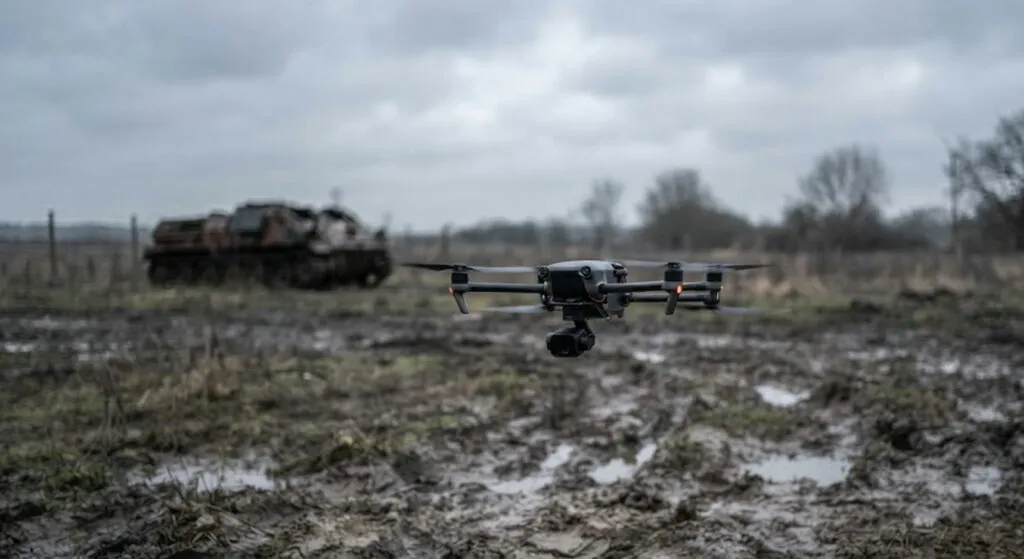
Ukraine adapts in weeks, the Alliance in decades. Europe is paying for Patriot systems from 1991 and is only now...
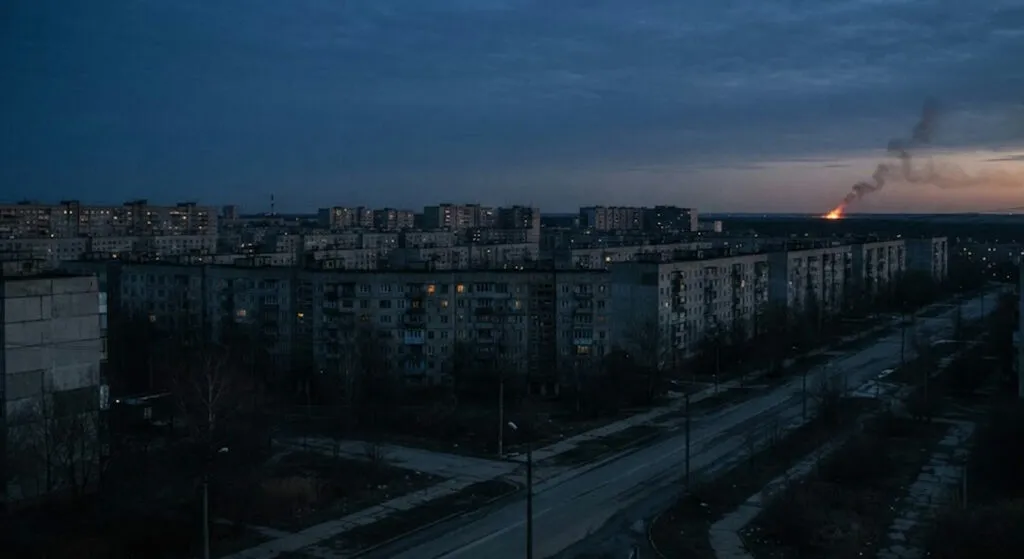
Missiles and drones on the Ukrainian capital, damaged water mains and residential buildings. The same night, Ukrainian drones set the...
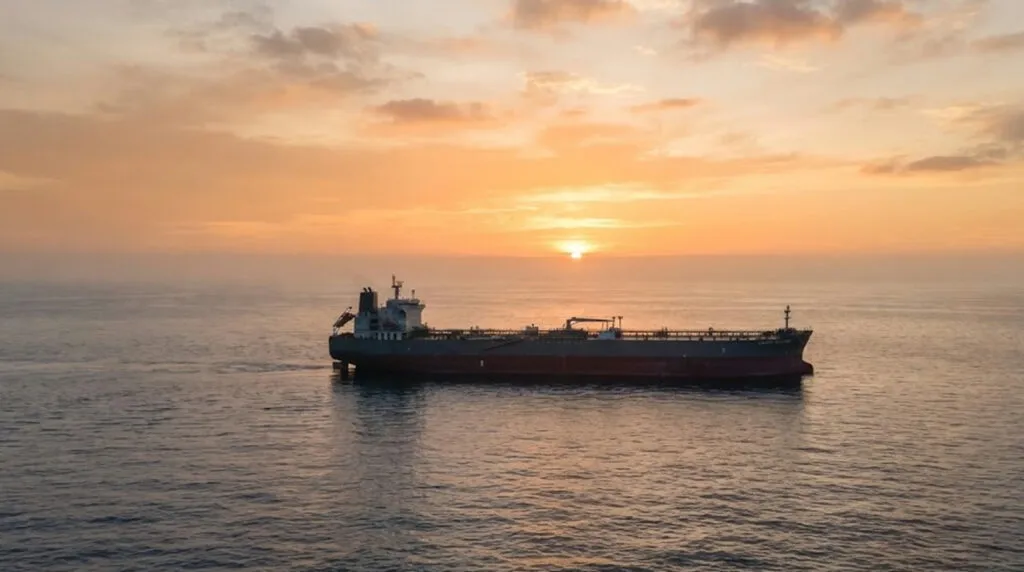
Trump hopes the war is ending and is preparing to gather the Gulf leaders. Oil prices have jumped, and the...
Ukraine says when, where and which unit did it. Russia's defence ministry has not a single sentence about the circumstances....
Norway's prime minister talks about a plane a drone "almost hit". Moldova, the only party holding the figures, reported that...
Ukraine was shooting down nine out of ten of the old drones. Then Russia changed the drone - and in...
It was shot down a few minutes after midnight, and all of Vilnius got a warning on their phones. Two...
The entire story comes from one side, and the headlines turn it into a turning point. The difference between the...
Between 2,300 and 3,000 North Korean soldiers have died in Kursk so far. Kim Jong Un has found an export...
A NATO fighter jet downed an unmanned aircraft over Lithuania minutes after midnight, and citizens got the warning on their...
This site uses cookies - is that okay? Learn more
Be the first to know when Metla launches something new
Leave your email and we will write when there is a new guide or something new on Metla.
