Skopje Breathed Smoke From Two Mountains: 21 Fires in One Day, and Vodno Was Clean
25.08.2026



25.08.2026

24.08.2026

23.08.2026

25.08.2026

25.08.2026

24.08.2026

25.08.2026

25.08.2026

25.08.2026

25.08.2026

24.08.2026

23.08.2026

25.08.2026

25.08.2026

25.08.2026

25.08.2026

25.08.2026

25.08.2026

09.03.2026

27.02.2026

19.02.2026

23.04.2026

23.04.2026

12.04.2026
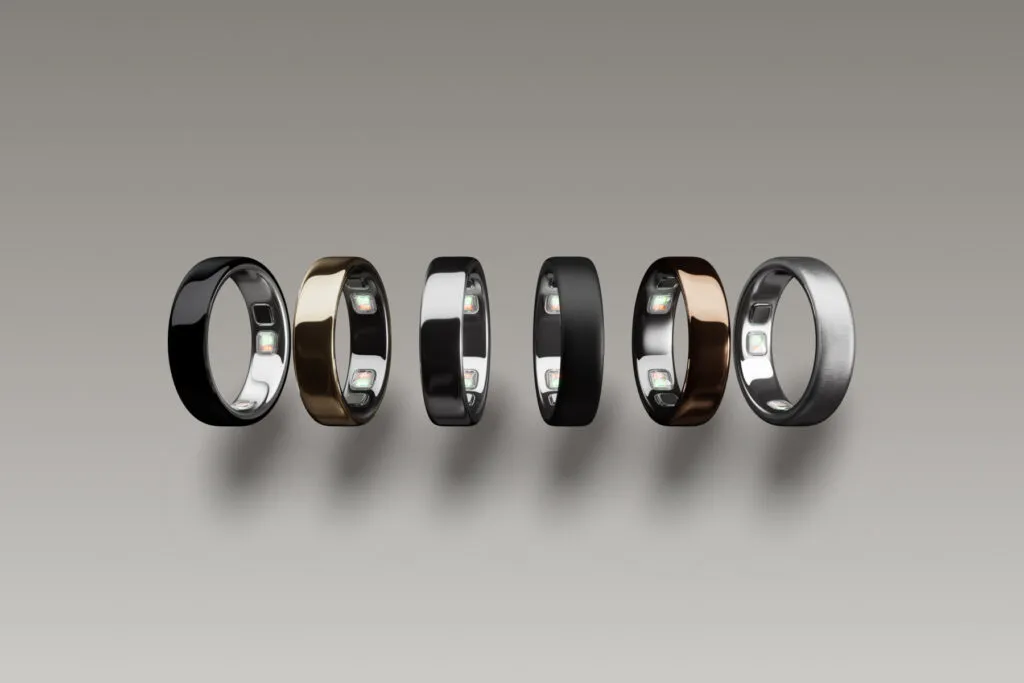
The Finnish-American company Oura, which makes smart rings for sleep tracking, plans to raise up to 3 billion dollars on the American stock market as soon as next month. The company's valuation in that sale would exceed 16 billion dollars - according to Bloomberg. The firm has a little over 900 employees.
The jump is what deserves a second look. Last September Oura was valued at 10.9 billion in an 875 million dollar round, with Fidelity, ICONIQ and Whale Rock among the investors. In under a year, a paper valuation five billion higher. Nothing about the ring changed that much - what changed is the market's appetite.
Revenue, unlike the valuation, is real and growing fast: 500 million dollars in 2024, around a billion in 2025, and the company expects close to two billion in 2026. That is a rare figure in the wearables world, where most companies live off announcements. The real picture only emerges once the stock market filing becomes public - until then these are numbers the company reports about itself.
Competition arrived quickly. Samsung released its Galaxy Ring two years ago. But the most direct rival is Whoop, which transformed from a tool for elite athletes into something broader - it added hormone tracking and blood analysis, and reached a 10 billion valuation in March. Oura went through the same transformation, from a biohackers' toy into a sleep and recovery brand.
And here comes the part least mentioned in the press releases. Last week a class action was filed in San Francisco claiming Oura misleads buyers about the accuracy of its sleep measurement. The accusation is not that the ring fails to measure pulse or temperature, but that it claims to know the exact sleep stage - something that, according to the suit, requires electrodes on the scalp and sensors on the eyes, meaning a hospital laboratory.
The company responds that its reading of sleep stages has been validated in multiple studies against polysomnography, and that it will defend itself "in the appropriate legal forum". Note the careful formulation it adds: the Oura Ring "is not a medical device and is not a substitute for a clinical sleep study".
So the device is not medical, but the sale rests on how medical it sounds. That contradiction is not accidental - it is the entire business model of wearable electronics, and none of us reads the small print before slipping the ring on.
Who carries the risk if the sleep number is wrong? Not the company - that is already written into its response. The question is whether 16 billion dollars will still look reasonable once a court reads the same sentence.
The latest 10 news from this category
Fifty million dollars in seed capital, twelve employees and a 27-billion-parameter model that beat the frontier systems. And the founder...

A startup that grew out of a university lab in 2020 now has orders from private companies and from the...

The company was not seeking investment - the board met, messages started flying and two days later it was worth...
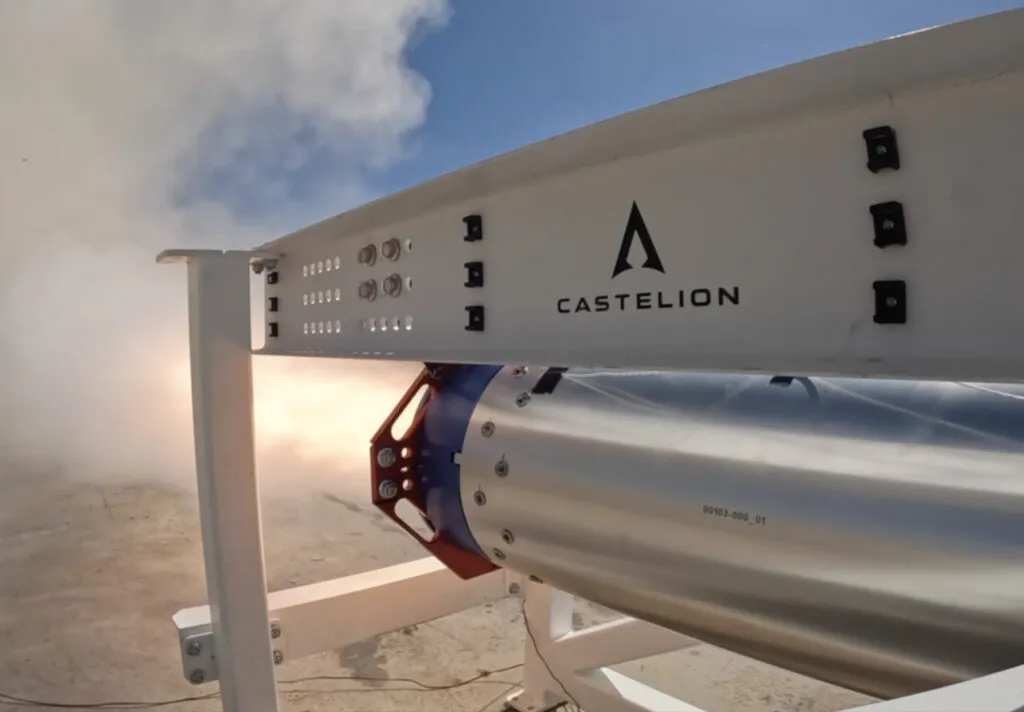
Founded by people who came from SpaceX, the company builds hypersonic weapons faster and cheaper than the traditional defence contractors....
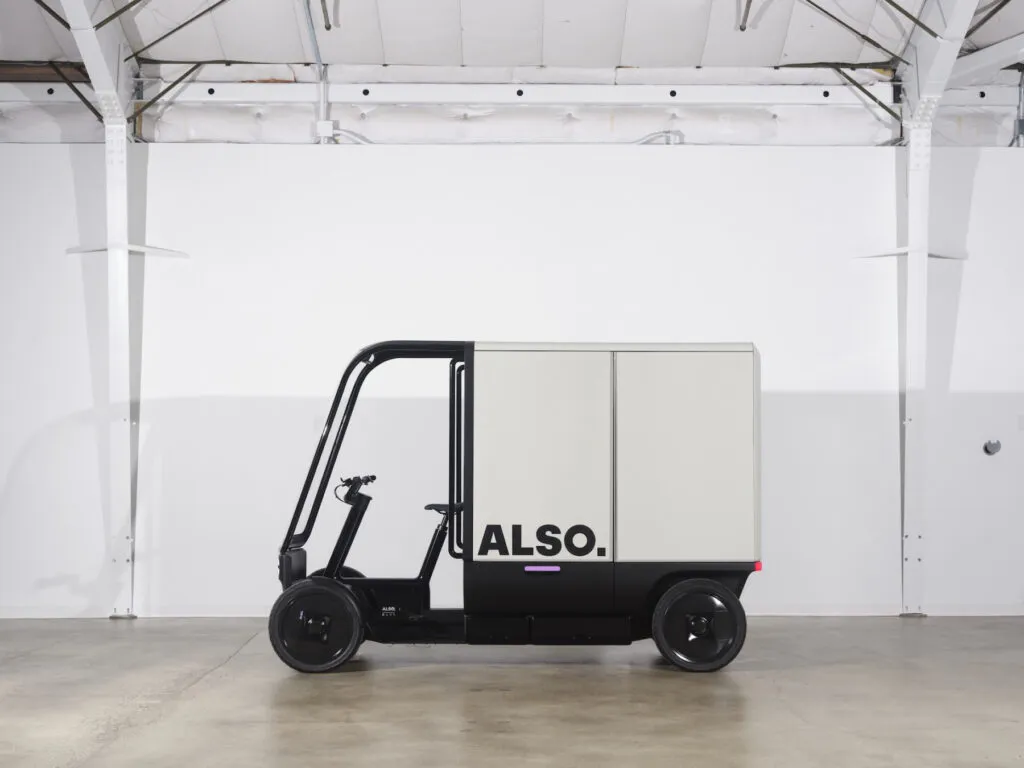
Also spun out of Rivian, promised electric bikes, and the first edition ran months late. Investors piled in with another...

In December it was worth 5 billion, in July 10.3, now 21. The product is the same as it was...

Same company, half the valuation in twelve months. Nvidia first took the founder and the team, now it comes in...
The Commission promised investments „in the coming weeks”, and the first deal was announced the next day. Who decides where...
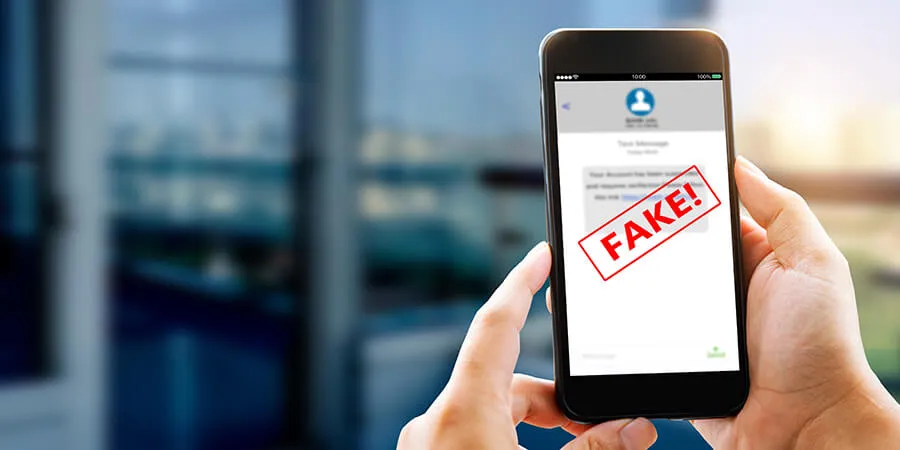
NLB is warning about fake messages carrying the bank's name. The rule is absolute and that is exactly what makes...

200 business enquiries after a single demo on Hacker News. The leap from a small purpose-built model to a genuinely...
This site uses cookies - is that okay? Learn more
Be the first to know when Metla launches something new
Leave your email and we will write when there is a new guide or something new on Metla.