
Five Fires Still Burning, at Čanište the Blaze Has Split Into Four Fronts: For the First Time This Summer, the Army Deploys Before the Disaster
21.08.2026


21.08.2026

21.08.2026
21.08.2026

21.08.2026

21.08.2026

21.08.2026

21.08.2026

20.08.2026

20.08.2026

21.08.2026

21.08.2026

20.08.2026

21.08.2026

21.08.2026

21.08.2026

21.08.2026

20.08.2026

19.08.2026

21.08.2026

21.08.2026

21.08.2026

21.08.2026

21.08.2026

21.08.2026

09.03.2026

27.02.2026

19.02.2026

21.08.2026

20.08.2026

19.08.2026

23.04.2026

23.04.2026

12.04.2026
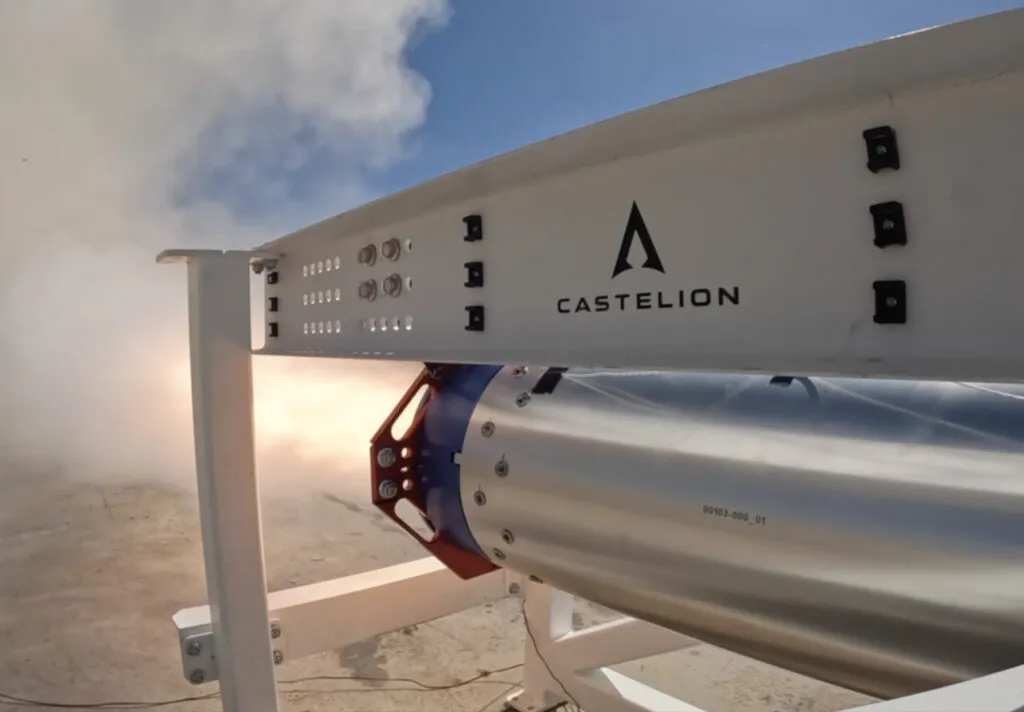
The company Castelion, founded in 2022 by former SpaceX executives, raised one billion dollars in a Series C, at an estimated valuation of 13 billion dollars (around 11.9 billion euros). The round was co-led by Andreessen Horowitz, Carlyle and JPMorgan Chase. The product is not an app and not a chip. It is hypersonic missiles.
The company's idea was different from that of the big defence contractors from the very start: the same weapons, but produced faster and cheaper. In four years of existence it has already collected over 500 million dollars in contracts with the US military. The fresh capital goes into producing the Blackbeard missiles, named after the English pirate, at the factory in New Mexico.
Why now
The timing is not accidental. The Pentagon wants more of this weaponry because American stocks of hypersonic missiles, the ones flying at over five times the speed of sound, lag behind China's. Castelion is selling a solution to that gap, and investors are buying exactly that promise. Of the billion, 800 million is equity and 250 million a revolving credit line.
It is worth pausing at that figure. Thirteen billion dollars is the valuation of a four-year-old company making weapons not yet deployed in serial use. That is not a production number but an expectation that the orders will keep coming. Andreessen Horowitz, Carlyle and JPMorgan did not buy a factory, they bought a position that the next decade will pay a great deal for fast weapons.
Once venture capital from Silicon Valley starts financing missiles rather than delivery apps, that says something about where investors expect the world to go. Defence was for decades a closed club of a few enormous contractors with slow contracts. Now it is being entered by people who came from the satellite-launch rocket industry, with the same logic: produce faster, sell more.
The Balkans know this scene from the other side of the table: for decades the region has been a buyer of other people's military systems, not a producer. Which is why the thing that looks like an ordinary business plan from Torrance, California is best seen from here. The question is not whether hypersonic missiles will be produced faster and cheaper. That is already decided, with a billion dollars and three banking names beneath it. The question is what it means when stockpiles are being filled before anyone explains which war they are meant for.
The latest 10 news from this category
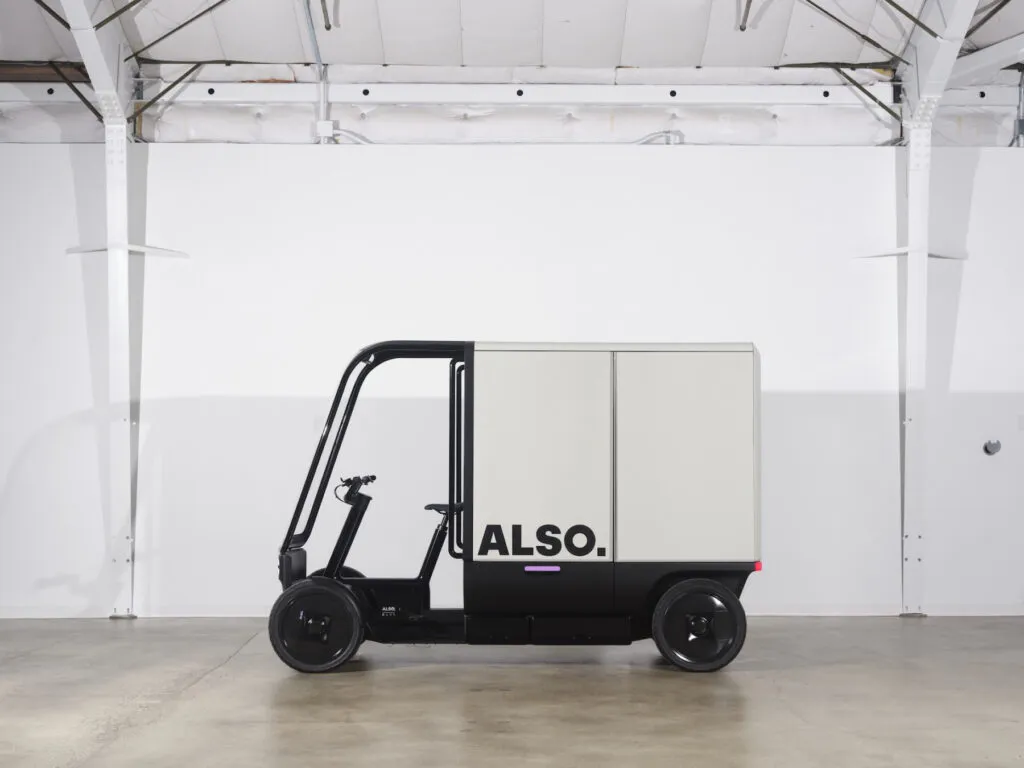
Also spun out of Rivian, promised electric bikes, and the first edition ran months late. Investors piled in with another...

In December it was worth 5 billion, in July 10.3, now 21. The product is the same as it was...
Same company, half the valuation in twelve months. Nvidia first took the founder and the team, now it comes in...
The Commission promised investments „in the coming weeks”, and the first deal was announced the next day. Who decides where...

NLB is warning about fake messages carrying the bank's name. The rule is absolute and that is exactly what makes...
200 business enquiries after a single demo on Hacker News. The leap from a small purpose-built model to a genuinely...
A business outlet reported the company was preparing a round - and the article fulfilled itself. The CEO's phone blew...
Europe finally has a tech company it calls its own. The infrastructure underneath it is held by Google, and the...
River AI has no product with a track record, but it has an xAI CV and a full bank account....

When the practice stopped, daily revenue visibly fell - so it was not a side effect. The founders knew from...
This site uses cookies - is that okay? Learn more
Be the first to know when Metla launches something new
Leave your email and we will write when there is a new guide or something new on Metla.