
A Pole Drove 164 km/h Where the Limit Is 80: The Camera Caught Him, the Border Stopped Him
23.08.2026


23.08.2026

23.08.2026

23.08.2026

23.08.2026
22.08.2026

22.08.2026

23.08.2026

23.08.2026

22.08.2026

23.08.2026

23.08.2026

23.08.2026

23.08.2026

22.08.2026

21.08.2026

23.08.2026

23.08.2026

23.08.2026

23.08.2026

23.08.2026

22.08.2026

09.03.2026

27.02.2026

19.02.2026

23.08.2026

23.08.2026

22.08.2026

23.04.2026

23.04.2026

12.04.2026
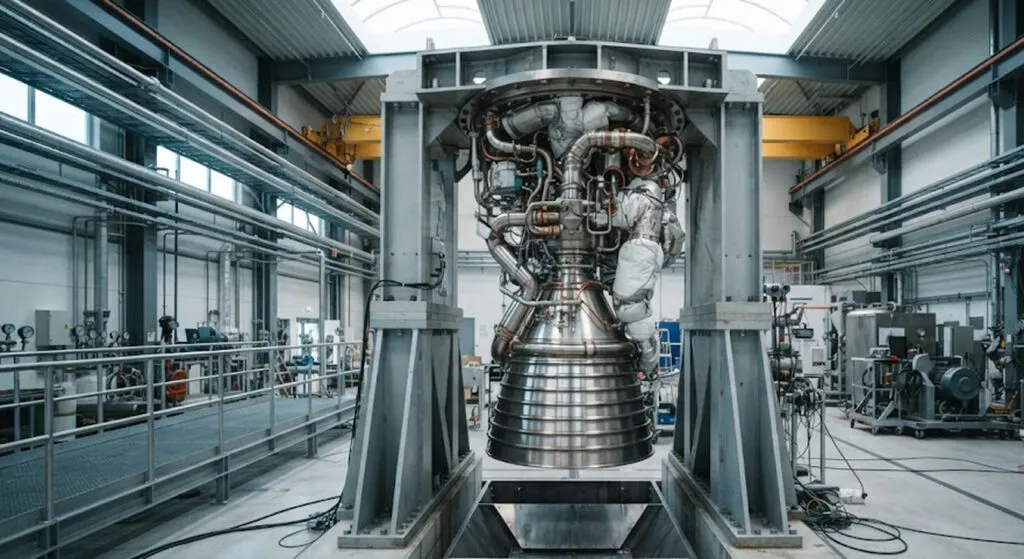
Japan is pouring billions into its space industry while simultaneously loosening restrictions on military equipment exports. Those two things are not connected by accident - and one small company from Sapporo is positioning itself right now exactly where they meet.
Letara, a startup that grew out of Hokkaido University, has raised 2.6 billion yen, around 16 million dollars (14.7 million euros). Until now it worked on hybrid thrusters for small satellites. With the new money, the plan is different: large rocket systems for space, defence and security applications.
"With this round we are going beyond proving that the thruster works in space," says Shota Hirai, co-chief executive of the company. "We plan to explore a much broader set of applications in both the space and the defence and security domains."
The round was led by Headline Asia, JIC Venture Growth Investment and Incubate Fund. Among the investors are strategic names too - Toyoda Gosei, a supplier from the Toyota group, and Frontier Innovations, a fund backed by the Japanese space agency JAXA. When a state space agency buys into a private rocket firm that talks openly about the defence market, that is not a financial investment, it is industrial policy.
Why a hybrid engine rather than a conventional one
Letara's technology keeps the solid fuel separate from the liquid oxidiser needed for combustion. Instead of expensive paraffin wax, it uses cheap and readily available materials - plastic and rubber. The firm has its own manufacturing process that mixes, shapes and compresses those materials so they ignite reliably and burn evenly.
The problems hybrid engines historically failed to solve are three: sufficient thrust, sustained performance and combustion control. Letara claims to solve all three. Whether that is really so will be shown by the next test - an in-orbit firing with a foreign partner, which the company considers a key step towards commercialisation.
The market driving all of this is projected to grow from 848 million dollars in 2024 to 2.6 billion dollars by 2032. Growth of around 15 per cent a year. That is a figure that attracts capital - and it explains why Letara is not alone on the field.
The competition is long and international: Japan's Interstellar Technologies, China's Galactic Energy, South Korea's InnoSpace, Singapore's Equatorial Space. From Europe - the German startup HyImpulse. From Australia - Gilmour Space. All working on the same technology, all looking at the same growing budget.
What is worth noticing from a Balkan perspective is not the rocket, but the structure behind it. The idea originated in a university laboratory in 2020, spun out of the faculty as a company, took on a state fund as an investor and today holds orders from private firms and from the Japanese government - which, incidentally, did not disclose what those contracts are worth.
That is a chain from campus to state order that took five years. How many such chains exist in this region - and what is missing for them to exist?
The latest 10 news from this category

The company was not seeking investment - the board met, messages started flying and two days later it was worth...
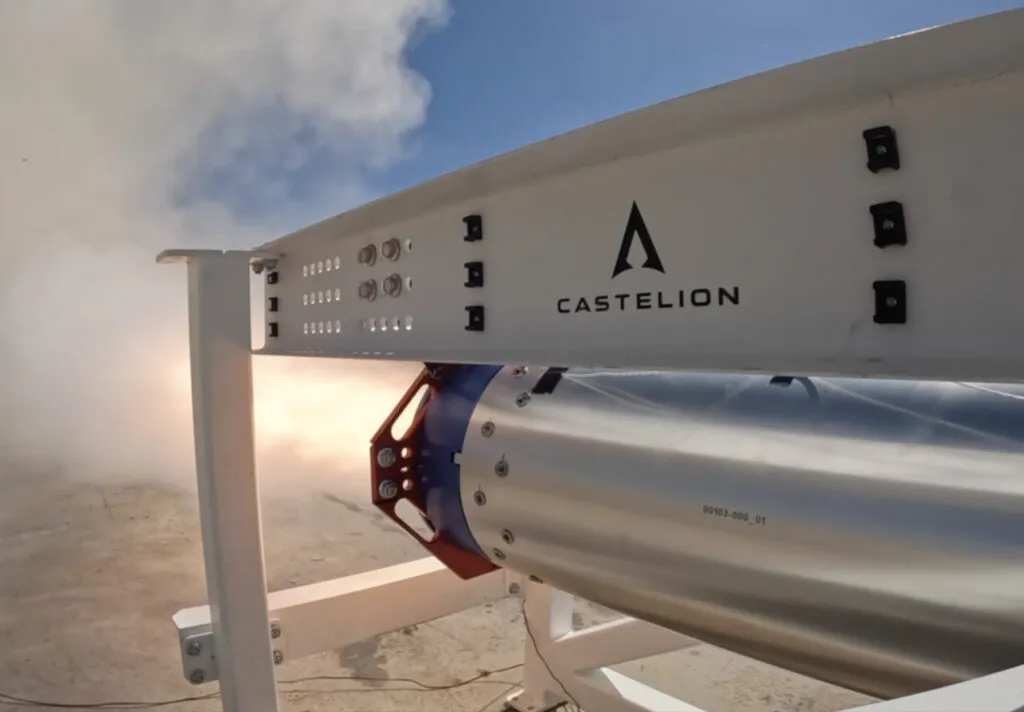
Founded by people who came from SpaceX, the company builds hypersonic weapons faster and cheaper than the traditional defence contractors....
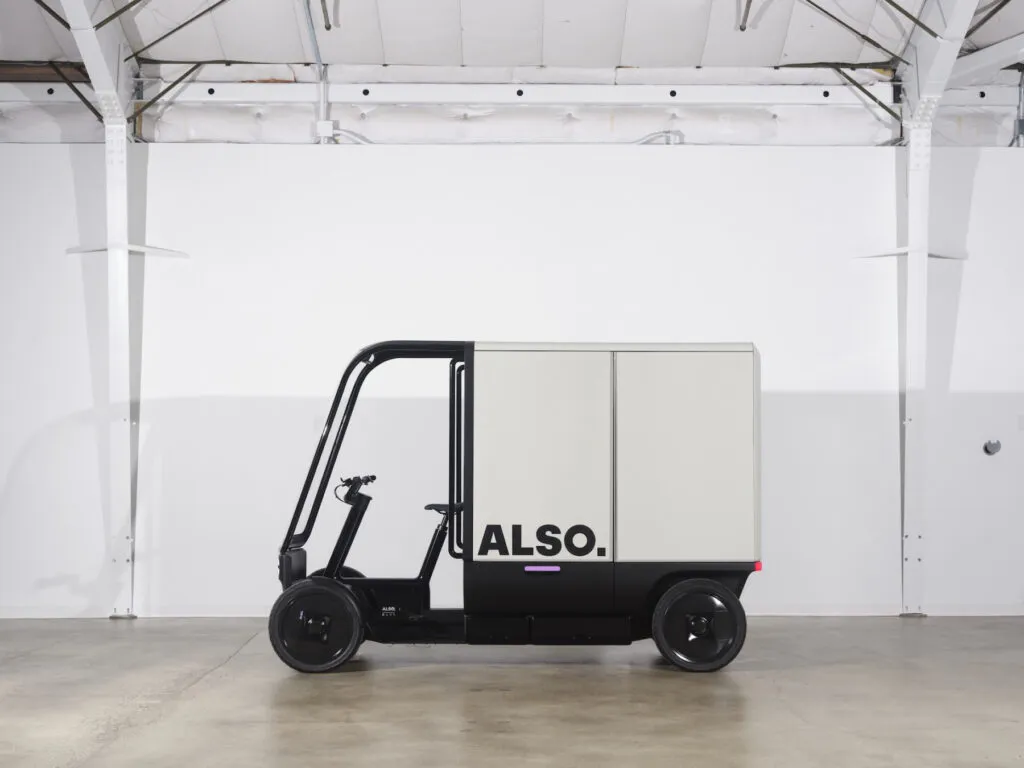
Also spun out of Rivian, promised electric bikes, and the first edition ran months late. Investors piled in with another...

In December it was worth 5 billion, in July 10.3, now 21. The product is the same as it was...

Same company, half the valuation in twelve months. Nvidia first took the founder and the team, now it comes in...
The Commission promised investments „in the coming weeks”, and the first deal was announced the next day. Who decides where...

NLB is warning about fake messages carrying the bank's name. The rule is absolute and that is exactly what makes...

200 business enquiries after a single demo on Hacker News. The leap from a small purpose-built model to a genuinely...

A business outlet reported the company was preparing a round - and the article fulfilled itself. The CEO's phone blew...

Europe finally has a tech company it calls its own. The infrastructure underneath it is held by Google, and the...
This site uses cookies - is that okay? Learn more
Be the first to know when Metla launches something new
Leave your email and we will write when there is a new guide or something new on Metla.