


Someone Threw Flammable Liquid at a Shop in Central Skopje - and 17 Hours Passed Before Anyone Reported It
30.08.2026


30.08.2026

30.08.2026

30.08.2026

30.08.2026

30.08.2026

30.08.2026

30.08.2026
29.08.2026
28.08.2026

30.08.2026

30.08.2026

29.08.2026

30.08.2026

30.08.2026

30.08.2026

30.08.2026

29.08.2026

28.08.2026

30.08.2026

30.08.2026

30.08.2026

30.08.2026

30.08.2026

29.08.2026

09.03.2026

27.02.2026

19.02.2026

29.08.2026

28.08.2026

27.08.2026

23.04.2026

23.04.2026

12.04.2026
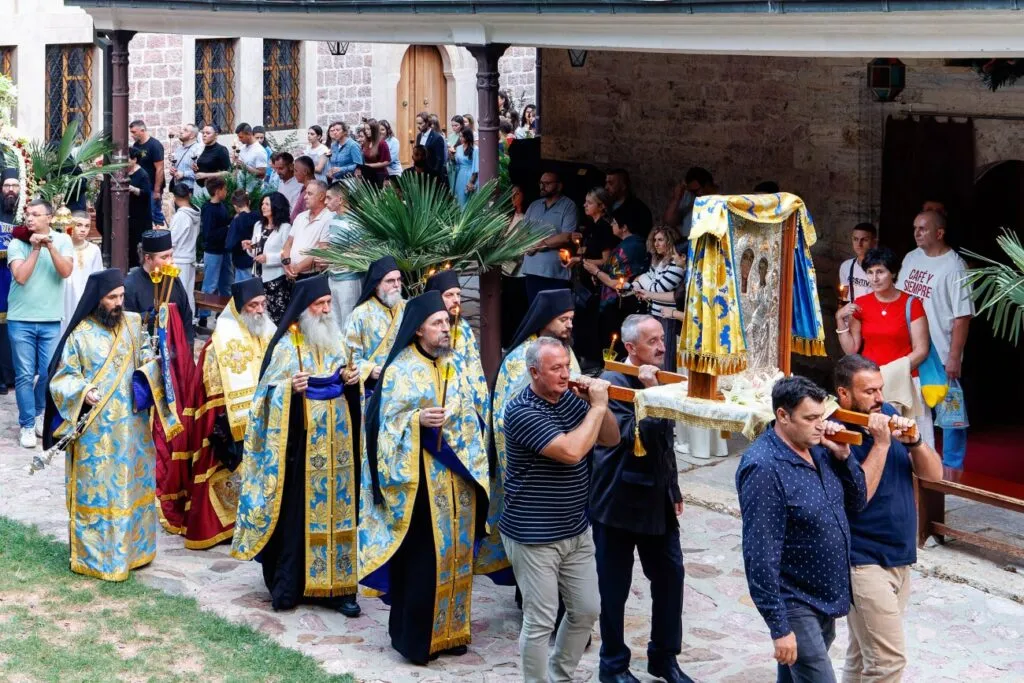
The vigil at the "Most Holy Mother of God - Prechista" monastery near Kichevo began on 27 August at 21:30 and lasted almost fourteen hours. Not a full hour, not two. Fourteen - until the midday hours of the following day.
The service for the feast of the Dormition of the Mother of God was led by Bishop Parteni of Antania, abbot of the Bigorski monastery. The seven-century-old sanctuary drew the monastic communities of Bigorski, Rajchica and Prechista, together with worshippers from several parts of the country. The monastery says the number of young people who stayed in the church all night was particularly high.
The choir that sang at a coronation in London, now in Kichevo
The biggest mark of this year's celebration was the visit of the Greek choir for Eastern Orthodox church chant "Tropos", led by choirmaster and professor Konstantinos Angelidis. For the first time its members filled the vaults of the Prechista church with Byzantine psalmody - together with the chanters of the Kichevo choir "Metropolitan Kozma of Prechista" and with the Bigorski choir.
This is a choir that, according to reports from the event, also sang at the coronation of the King of England. There is no campaign here, no budget line, no press conference with a minister. Just one monastery near Kichevo that managed to bring them in.
During Matins the shroud of the Mother of God was brought out, followed by a procession around the church with a blessing of the waters. This year's feast carried one more mark - the restored iconostasis in the church, made with the help of benefactor Goran Mojsoski. After the Liturgy, Bishop Parteni thanked him for his contribution to the restoration of the sanctuary.
In his sermon, Parteni spoke of the Dormition not as a sorrowful end but as a passage to heavenly glory. "Through her Dormition she did not withdraw from the Church, but in a mysterious and gracious way became even more present in its life," he said.
The story here is not a theological one. It is about a seven-century-old monastery in the Kichevo region - an area that appears in public discourse almost exclusively through politics, party score-settling and local disputes - filling a church for a night, with three choirs and people from across the country. No ministry organised any of it.
The latest 10 news from this category
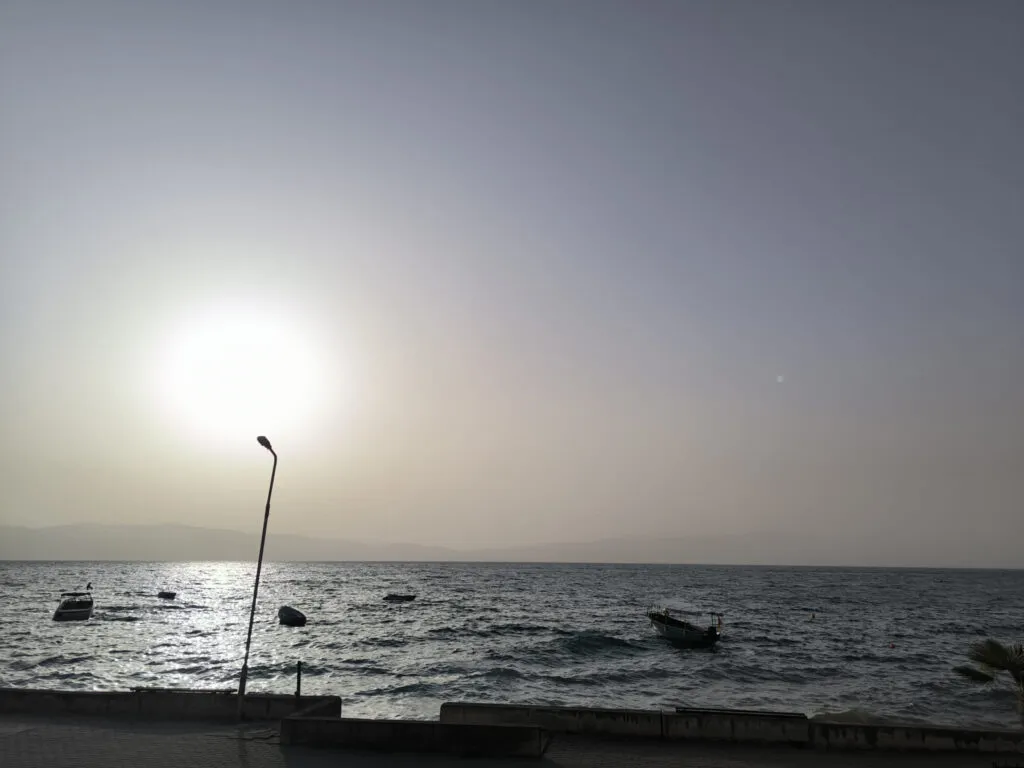
Ohrid under a yellowish layer of dust, a maximum of 35.3 degrees. Institutions again advise against going out between 11...
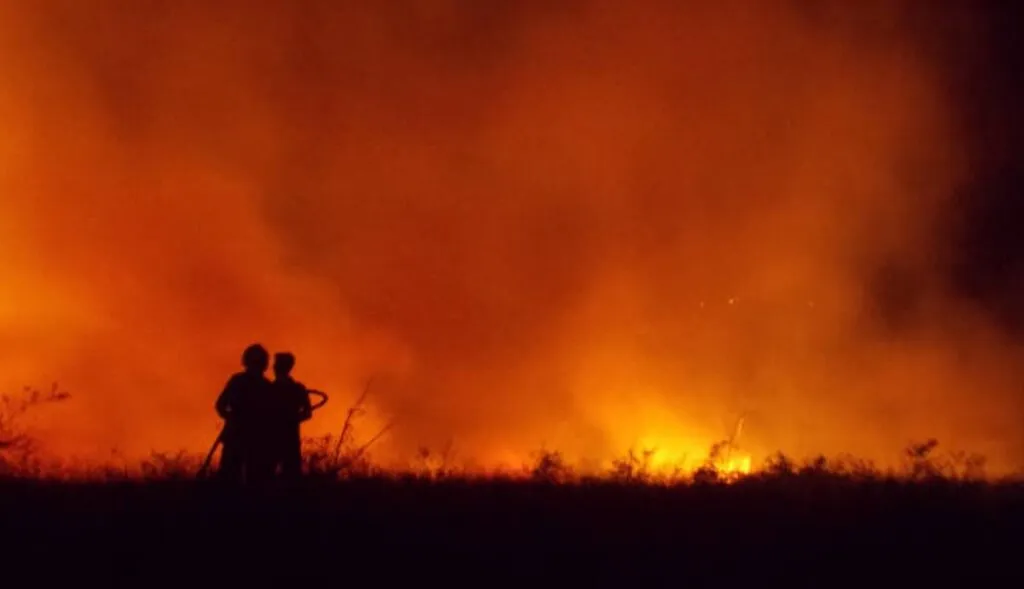
The fire from Makazi crossed the national park boundary and burned part of the pine plantations. The head of the...

Twelve kept in for treatment. Director Elezi says there is neither an epidemic nor poisoning and that the figures match...

Eight departures a day in each direction, timetable running to 31 December. The first practical phase of the project -...

Six reinforced concrete sections, a drainage layer and a 300-millimetre pipe. The municipality responded correctly - and the question of...
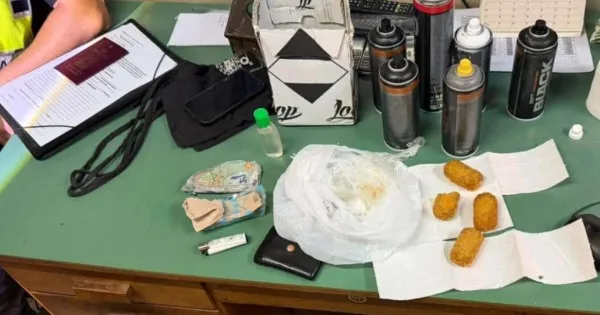
Security at ZRSM Transport caught them on the spot. Enhanced video surveillance is now being announced - after the carriages...
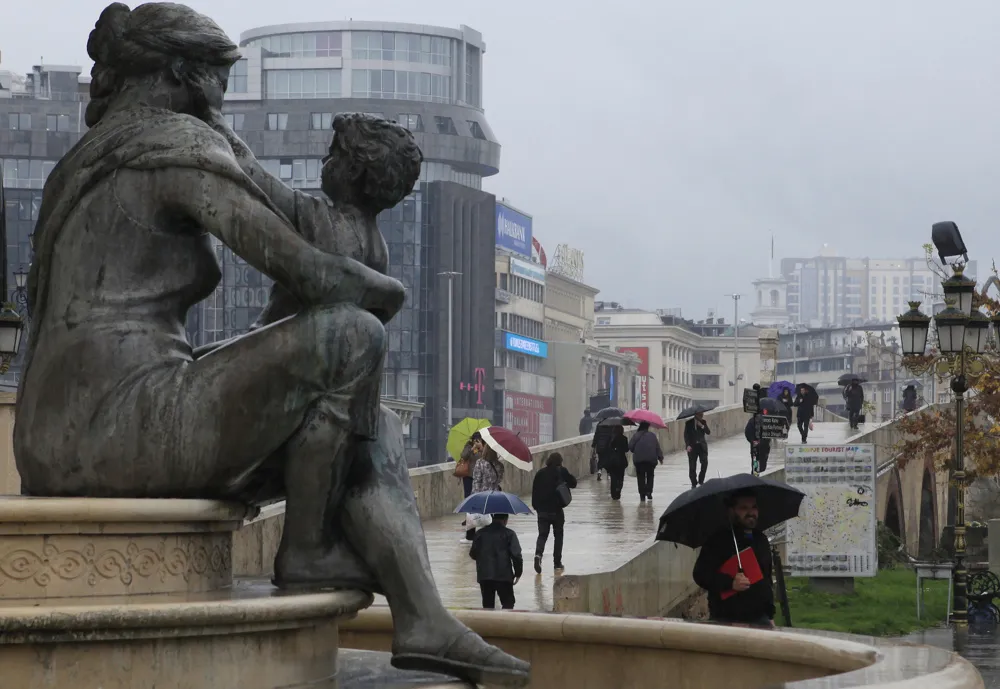
The first two days bring 37 degrees, and real autumn only arrives in the last ten days or so. For...

In front of the churches it really was washed, documented and worth the credit. The problem is the translation from...

The rule makes no distinction between someone who parked for 40 minutes and someone who dropped a passenger in three....

Novaci gives 10,000, Mogila 9,000, Demir Hisar 7,000, Zrnovci 5,000. The gap between neighbouring municipalities says this is a decision,...
This site uses cookies - is that okay? Learn more
Be the first to know when Metla launches something new
Leave your email and we will write when there is a new guide or something new on Metla.
