
The "Lottery" Trial: 231 Pieces of Evidence, and So Far Not a Single Message Between Grubi and Bajrami
24.09.2026


24.09.2026

24.09.2026
24.09.2026

24.09.2026

24.09.2026

24.09.2026

24.09.2026

23.09.2026

22.09.2026

24.09.2026

24.09.2026

23.09.2026

24.09.2026

24.09.2026

24.09.2026

24.09.2026

23.09.2026

22.09.2026

24.09.2026

24.09.2026

24.09.2026

24.09.2026

23.09.2026

23.09.2026

09.03.2026

27.02.2026

19.02.2026
24.09.2026

23.09.2026

22.09.2026

23.04.2026

23.04.2026

12.04.2026


The Pentagon and Trump administration significantly underestimated Iran's willingness to close the Strait of Hormuz in response to US-Israeli military strikes. Several sources familiar with the situation indicate this represents the "worst-case scenario" that US authorities are now dealing with.
Key decision-makers insufficiently considered the potential economic consequences. Although representatives from the Departments of Energy and Treasury participated in some planning meetings, their analyses were marginalized. Trump's tendency to consult with a narrow circle of advisers resulted in neglect of inter-agency discussions about economic risks.
Iran's actual response surprised diplomatic partners and former American officials. "Planning to prevent exactly this scenario - regardless of how unlikely it seemed - is a fundamental principle of US national security policy for decades," stated a former official, adding: "I'm stunned."
Shipping company executives repeatedly requested military escorts for oil tankers through the strait, but all requests were denied. American military representatives consistently stated they have no orders to escort and that the risks are extremely high.
Treasury Secretary Bessent stated that escorts will begin "when militarily feasible," while officials acknowledged in classified meetings with legislators that they had not planned for the strait closure as Iran's response. The administration believed that closure would hurt Iran more than America - an assessment based on previous Iranian hollow threats in the past.
The latest 10 news from this category
One dead, eight injured, two major providers offline and the city railway halted. The Balkans knows what a city preparing...
99 MPs voted in favour, and a threat arrived from Moscow right away. Is a small country on the line...
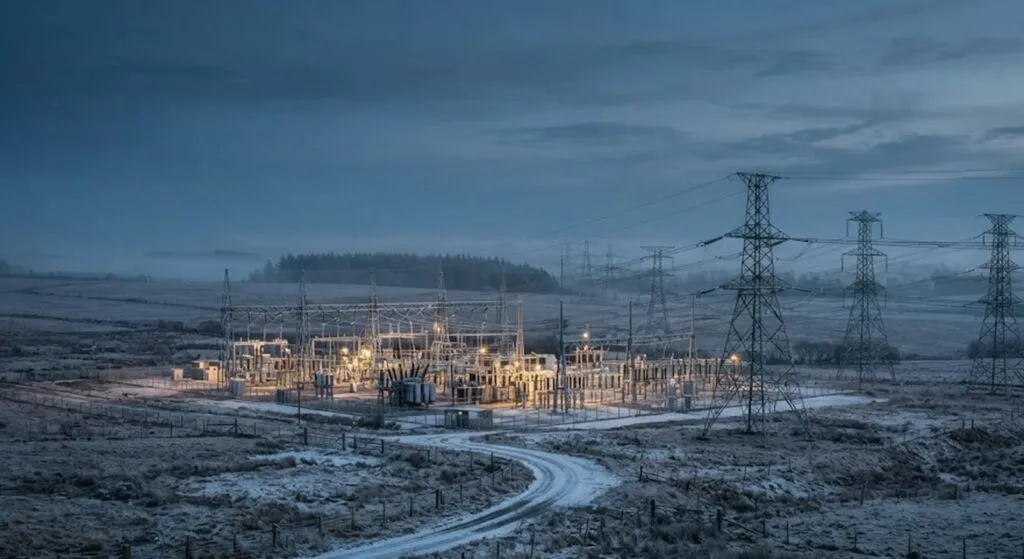
The offer is deliberately narrow - energy only, with a deadline before winter. When a power line goes down in...
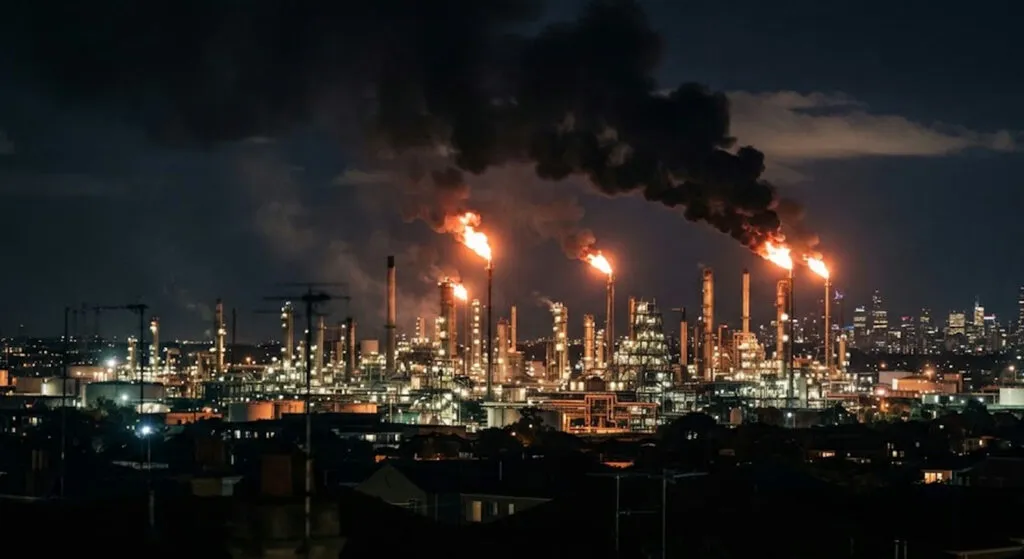
On the night Russia was closing its parliamentary elections, Ukrainian drones reached the refinery at Kapotnya and residential blocks in...
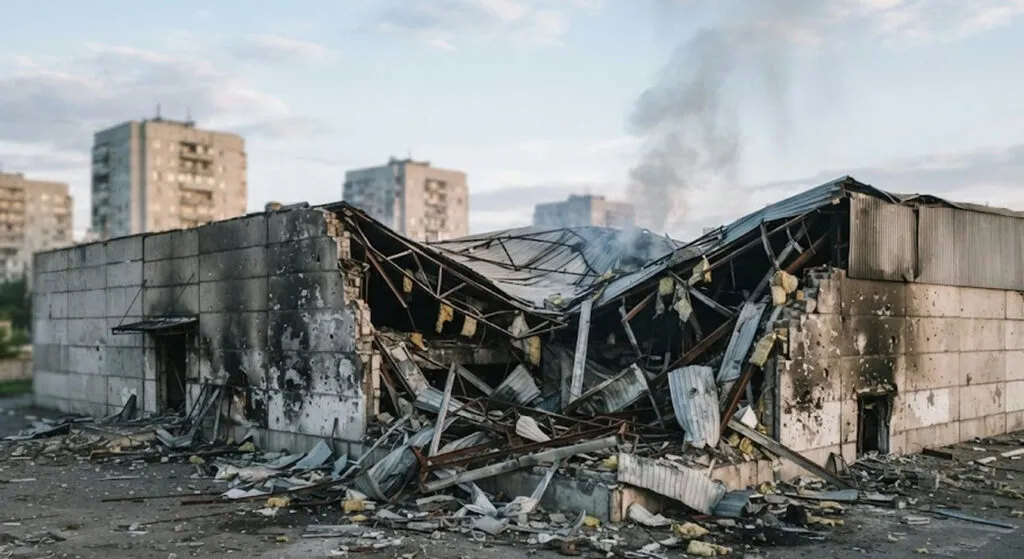
Every sentence about last night's offensive has the same author - the Russian Ministry of Defence. There is smoke over...
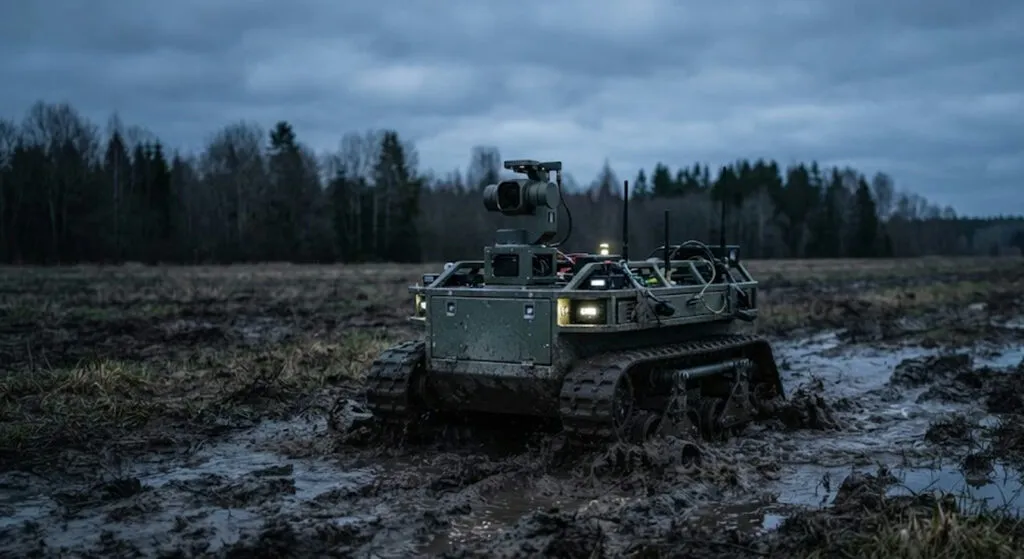
The Telegram statement reads like a trailer: drones that blind drones, robots dropped from the air behind enemy lines, and...
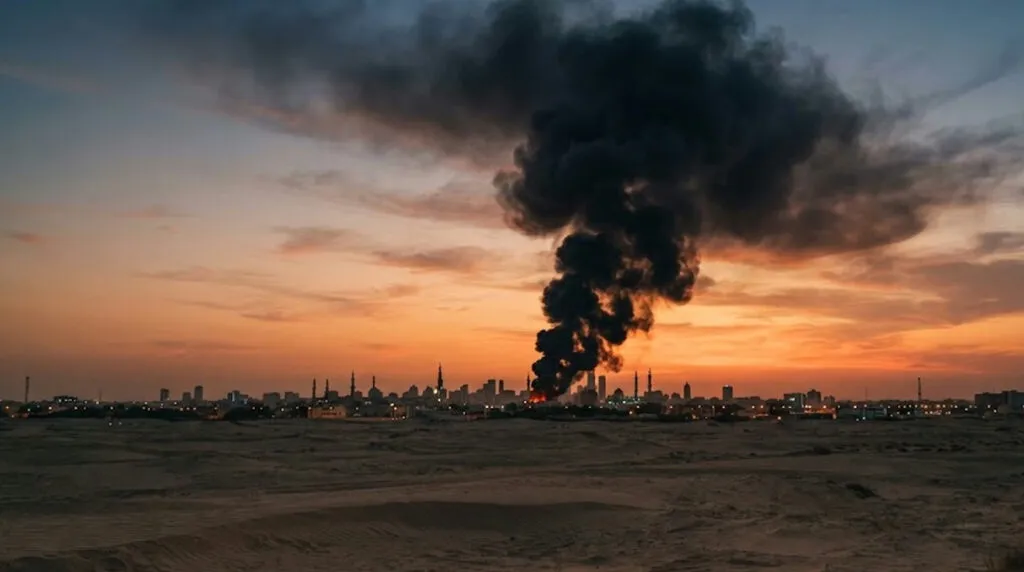
Black smoke over the main airport, sirens in the middle of the night and a state that will not say...
Western agencies say no decision has been taken - only preparations that would let it all happen overnight. In the...
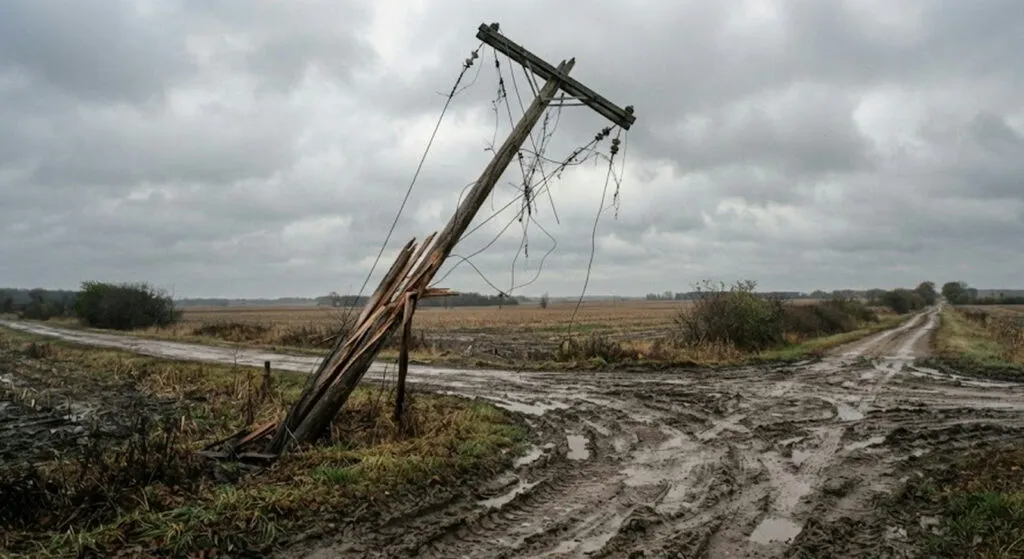
A Russian commander promised to cut the Kharkiv encirclement "like a pie". Every number comes from the camp running the...
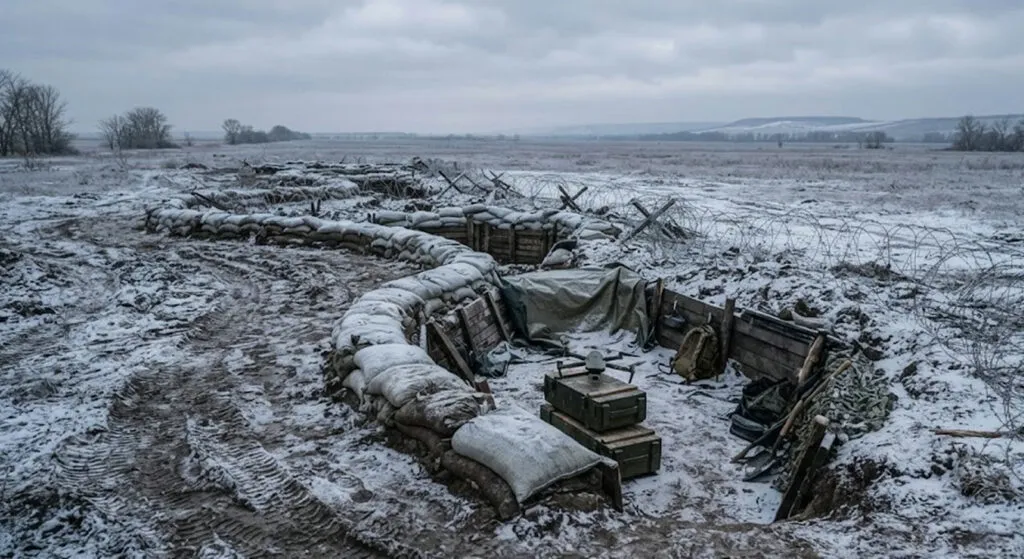
Around 8,500 North Korean soldiers are still in Russia, among them 1,000 engineers and 400 drone operators. Estimates point to...
This site uses cookies - is that okay? Learn more
Be the first to know when Metla launches something new
Leave your email and we will write when there is a new guide or something new on Metla.