A Pole Drove 164 km/h Where the Limit Is 80: The Camera Caught Him, the Border Stopped Him
23.08.2026


23.08.2026
23.08.2026
23.08.2026
23.08.2026
22.08.2026
22.08.2026

23.08.2026

23.08.2026

22.08.2026

23.08.2026

23.08.2026

23.08.2026
23.08.2026

22.08.2026

21.08.2026
23.08.2026

23.08.2026

23.08.2026

23.08.2026

23.08.2026

22.08.2026

09.03.2026

27.02.2026

19.02.2026
23.08.2026
23.08.2026
22.08.2026

23.04.2026

23.04.2026

12.04.2026
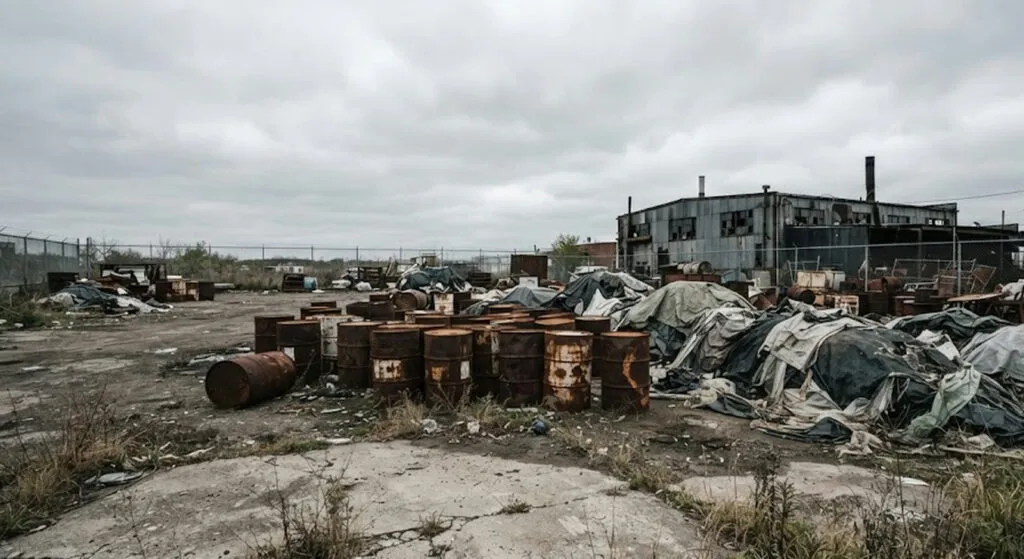
When Croatian Prime Minister Andrej Plenkovic had to answer for the illegally dumped waste near Gospic, he did not start with the waste. He started with the opposition - and ended up in Serbia.
In his address, Plenkovic directly invoked Serbia and the canopy case, claiming Croatia's opposition is copying a similar political model. "Copying the scenario of canopies or some others, which is obviously the political motive of most of the actors doing this, is also very easy to see through. In that sense we saw through it politically from the start," he said.
What exactly is the scenario he mentioned
It is worth recalling what canopy he is talking about. On 1 November the canopy of the railway station in Novi Sad collapsed and took 16 lives. Out of that grew the largest protest movement in Serbia in recent decades, and its central demand was simple: that somebody be held accountable. That demand still stands.
That is the definition of the scenario which, according to the Croatian prime minister, his opposition is copying. When citizens demand accountability for something institutions failed to prevent, that now has a name in the political vocabulary - and the name is being used as an accusation.
Against that, what is actually sitting in Gospic
The case near Gospic is not rhetorical. At the site of the former industrial complex there are around 37,000 tonnes of waste, nearly 33,000 tonnes of it buried. Part of the waste is classified as hazardous, and elevated concentrations of heavy metals and ecotoxic properties have been detected in the soil. The investigation covers the organised bringing in and import of large quantities of waste from other EU countries and from Croatian companies, with suspicion that it was then illegally dumped at several locations.
Against those figures, the prime minister's answer reads like this: everyone following the topic and hoping for some kind of destabilisation should be aware that the topic will last a while, after which, first, the waste will be remediated and, second, as he put it, the political attempt to disinform citizens, fabricate a state of emergency and create political hysteria in the media and on social networks will simply disappear.
Notice the order in that sentence. First comes what others are doing with the topic, then the clean-up. The heavy metals in the soil are the middle of the sentence; the political hysteria is its end and its point.
The mechanism is familiar from closer to home too
This move has a precise name and a precise shape. The number is not denied, the finding is not disputed, no specific decision by a specific institution is defended. Instead the subject of conversation is changed - from "what is in the ground near Gospic" to "who are the people asking and what are they trying to achieve".
It does not take much imagination to recognise that mechanism outside Croatia as well. Whenever a question is uncomfortable and documented, the fastest way out is to discuss the motives of whoever is asking instead of the answer. It works for a while, because it shifts the focus. It does not work long-term, because 37,000 tonnes of waste are not an argument - they are simply there.
Plenkovic insists the waste will be remediated. That is a promise with a deadline, and promises with deadlines have one good property: they can be checked. The question is not whether the opposition has a political motive - of course it does, that is its job. The question is how many tonnes will be lifted out of that ground by the end of the year, and who will announce that number.
The latest 10 news from this category
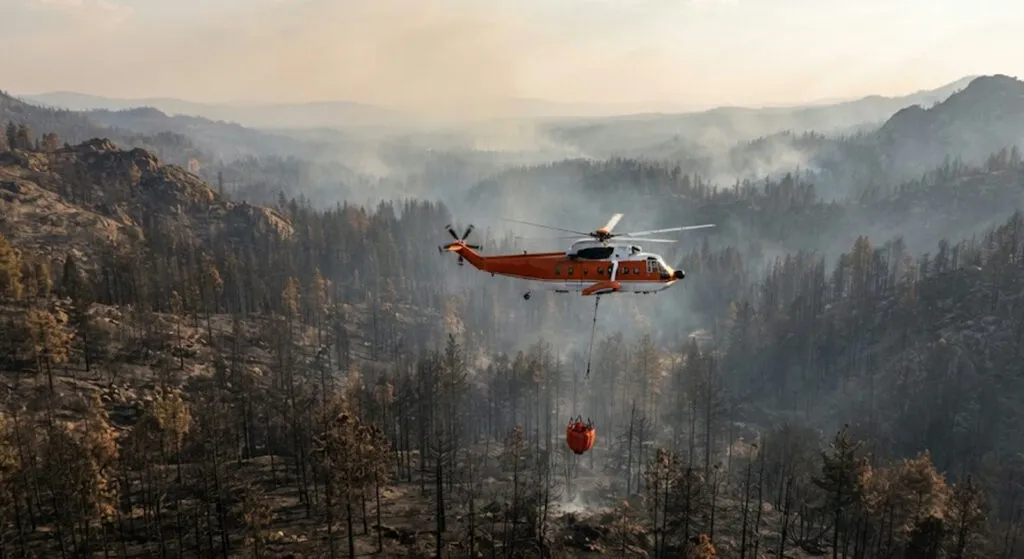
One portable toilet burned down, along with 3,960 hectares, and the helicopters are arriving from Czechia, Slovakia, Romania and Russia....
Four suspects, two of them minors. One admitted he was hired by a man with a record known for recruiting...
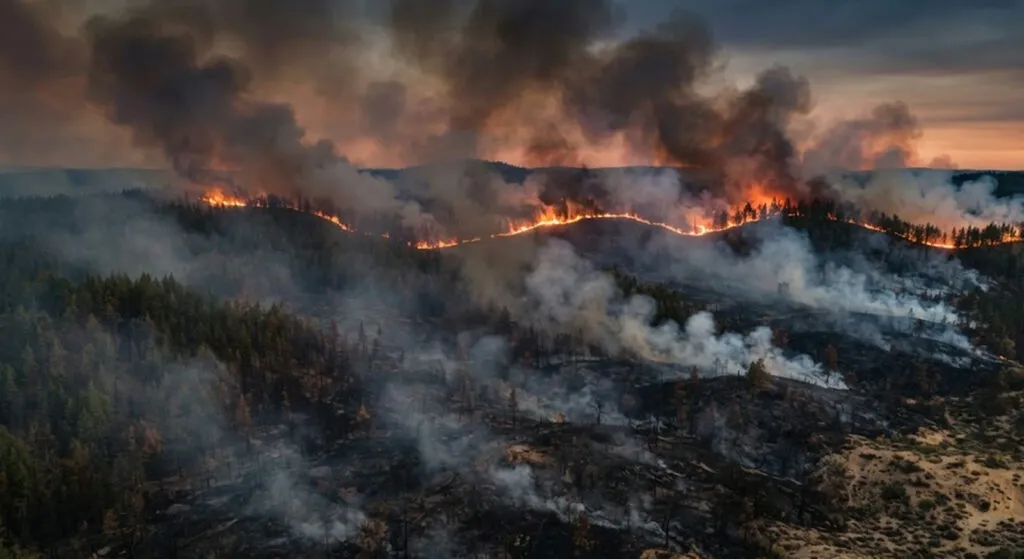
Dacic activated the European civil protection mechanism. The humus is burning below the surface, so areas declared extinguished flare up...
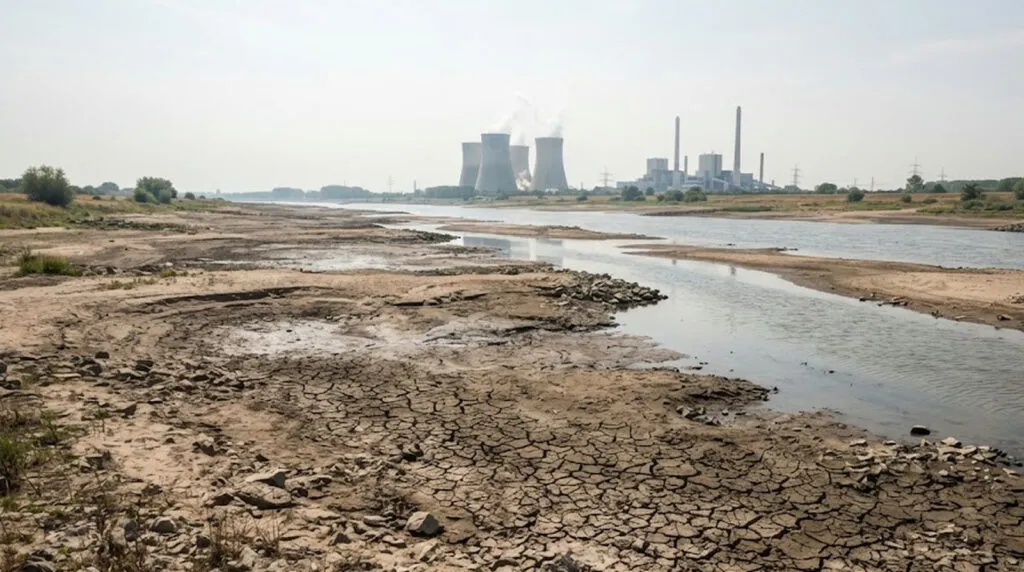
Not a fault, not a sanction - a drought. Kozloduy is cutting 120 megawatts, Paks and Cernavoda already reduced output....
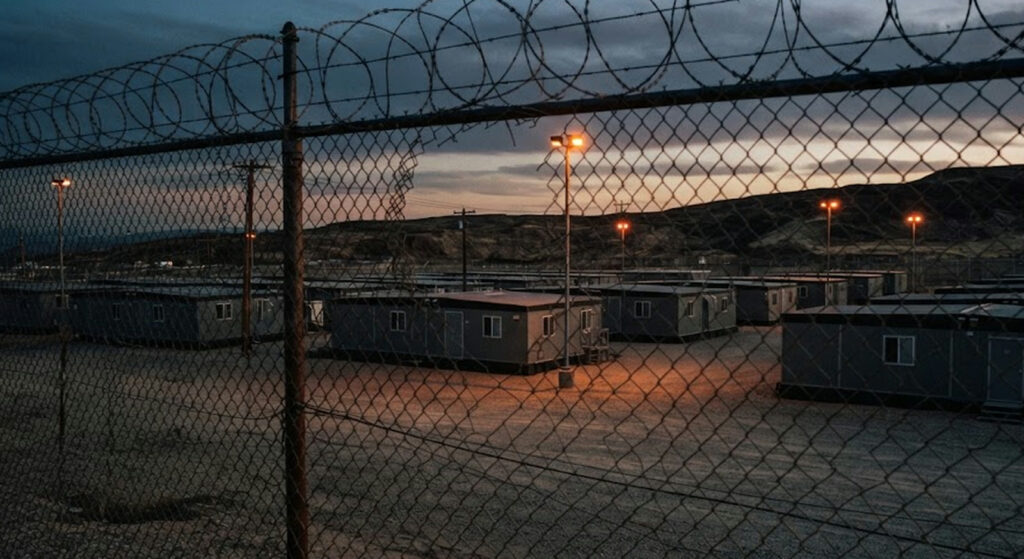
Two attempted hangings and self-harm at Gjader, Amnesty says. Tajani is already calling for similar centres in transit countries -...
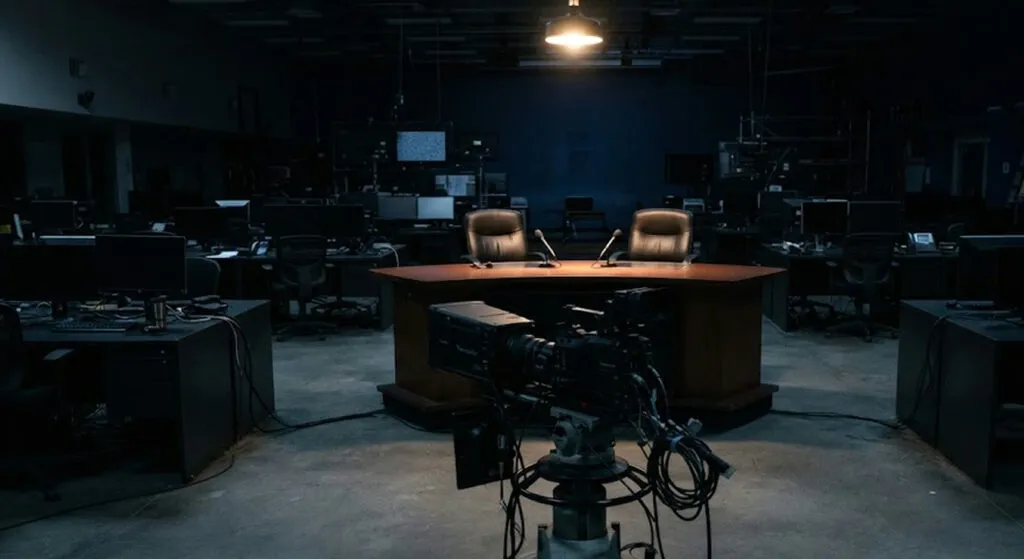
A Portuguese fund has taken over Serbia's loudest critical newsrooms, and the management fell before Luxembourg approved the transaction. In...
The mechanism is worth a billion euros and stands open to everyone. Bosnia has not submitted a single project, and...
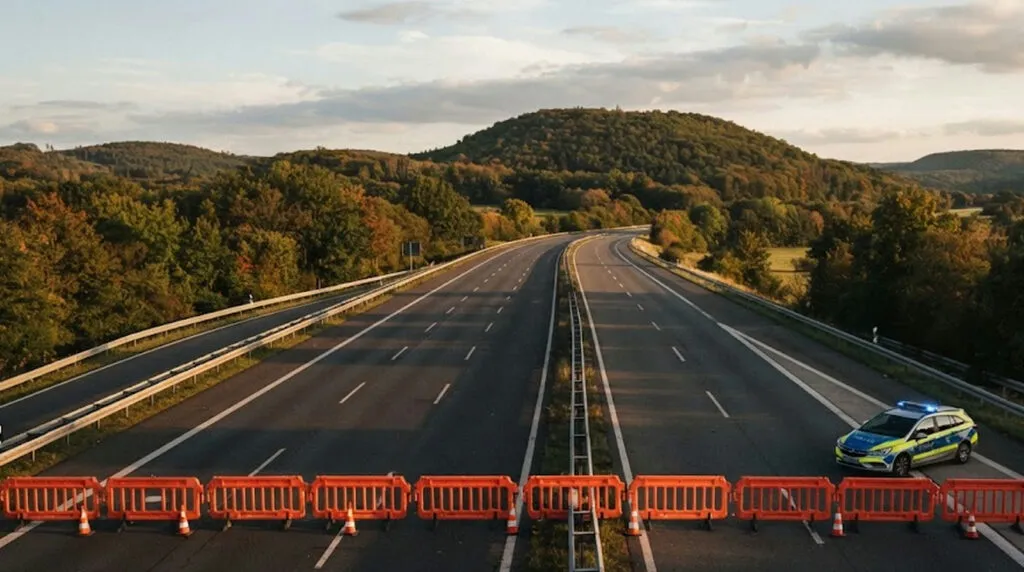
Police shut part of Croatia's most important motorway because a clash between football fans was expected at a service area....
Milanovic joked about Serbia's "water pistols". Today Zagreb is hoping the Chinese CM-400 missiles stay in storage, and the Croatian...

Three countries buying equipment together are a „quasi-bloc”, and two of them have been in NATO for fifteen years. The...
This site uses cookies - is that okay? Learn more
Be the first to know when Metla launches something new
Leave your email and we will write when there is a new guide or something new on Metla.