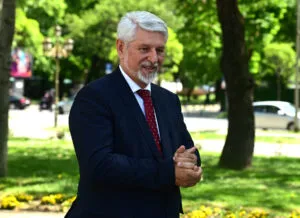
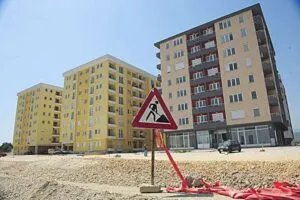
A New Criminal Complaint Against Jakimovski: A Building Permit Based on a Plan Struck Down Back in 2018
16.09.2026


16.09.2026
16.09.2026
16.09.2026
16.09.2026
16.09.2026
16.09.2026

16.09.2026
15.09.2026

14.09.2026

16.09.2026

16.09.2026

15.09.2026

16.09.2026

15.09.2026

14.09.2026

16.09.2026

16.09.2026

16.09.2026

09.03.2026

27.02.2026

19.02.2026

16.09.2026

15.09.2026

14.09.2026

23.04.2026

23.04.2026

12.04.2026

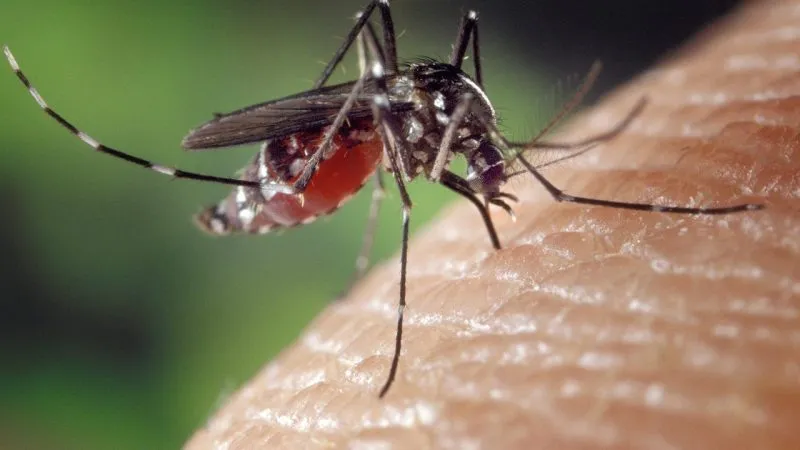
The number of registered West Nile fever cases in Macedonia has risen to 11. Nine people are hospitalised at the Infectious Diseases Clinic, and one 75-year-old patient is on a ventilator. The rest are stable, but most are over 60.
Health minister Sašo Klekovski said the three new patients have been hospitalised - two at Infectious Diseases, one at Neurology. They are being tested by several methods and epidemiological surveys are being conducted immediately.
The key detail is where they live. Beyond the cases linked to travel to Greece, there are patients who definitively did not leave the country and live in the Skopje valley. That means the virus is circulating here, in our mosquitoes, and is not something somebody brought back from holiday.
Eight cases is not eight infections
Epidemiologist Prof. Dr Dragan Danilovski has the line that explains the whole picture: the registered cases are „the visible tip of an epidemiological iceberg”.
The numbers behind that sentence are well known. Around 80 percent of those infected have no symptoms at all. Roughly 20 percent develop a milder form - fever, headache, muscle pain. Fewer than one percent develop the severe neuroinvasive form with meningitis or encephalitis, which usually requires hospital treatment.
So: every patient in the infectious diseases ward belongs to that one percent. The arithmetic from there is unpleasant but clear.
Incubation usually lasts two to 14 days after the bite. The virus is transmitted by the bite of an infected mosquito of the Culex genus, which was itself infected by feeding on infected wild birds. Humans are an accidental host in that cycle - and, importantly, the virus does not pass from person to person.
What the institutions are doing
Standard measures are being taken - disinfection within a 200-metre radius of the homes of confirmed cases. The Institute of Public Health and the Commission for Infectious Diseases are working on mapping the cases. The head of Infectious Diseases, Fadil Cana, confirmed that one patient is in serious condition.
According to the European Centre for Disease Prevention and Control, cases have been registered this year in Italy, Greece, Romania, Spain, France and here. Italy and Greece have the most. We are not an isolated case - we are part of a regional trend tied to hotter summers and a longer mosquito season.
The measures that actually depend on you
The recommendations are simple and boring, which is why hardly anyone follows them: repellents, clothing that covers arms and legs when outside in the evening, screens on windows and, most importantly, removing standing water around the house. That is where mosquitoes breed - in the saucer under the flowerpot, in the old container, in the covered barrel.
Disinfection within a 200-metre radius is a reaction after someone has already ended up in hospital. Emptying the standing water is what happens before that.
The latest 10 news from this category

The World Bank dropped out over misalignment with EU requirements. Construction will take two and a half years, and the...
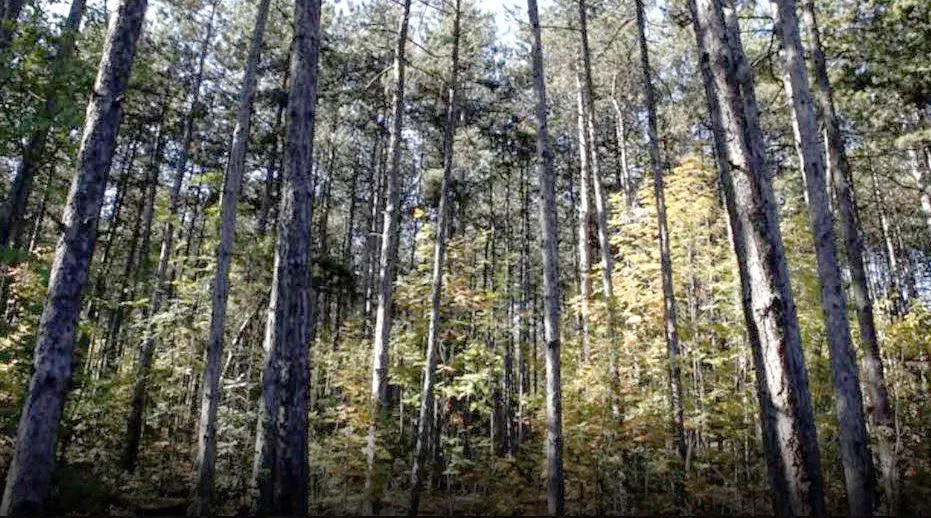
Of 9,500 square metres of greenery, 268 remain. Terrain with an 80-metre height difference, no erosion study and no opinion...
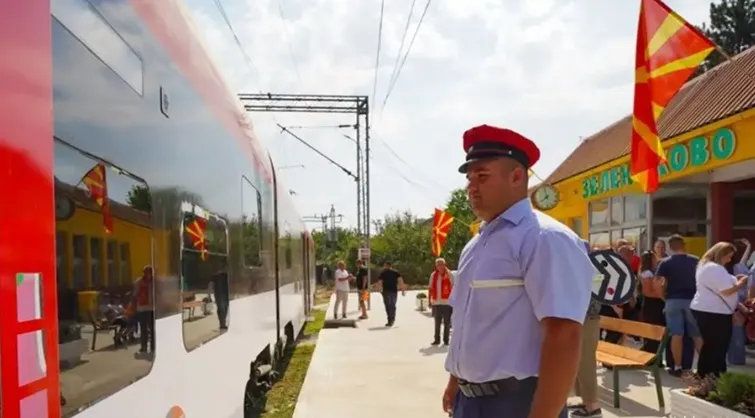
Gjorgjievski says the system should be ready by the middle of next year. The BRT tender is announced for the...
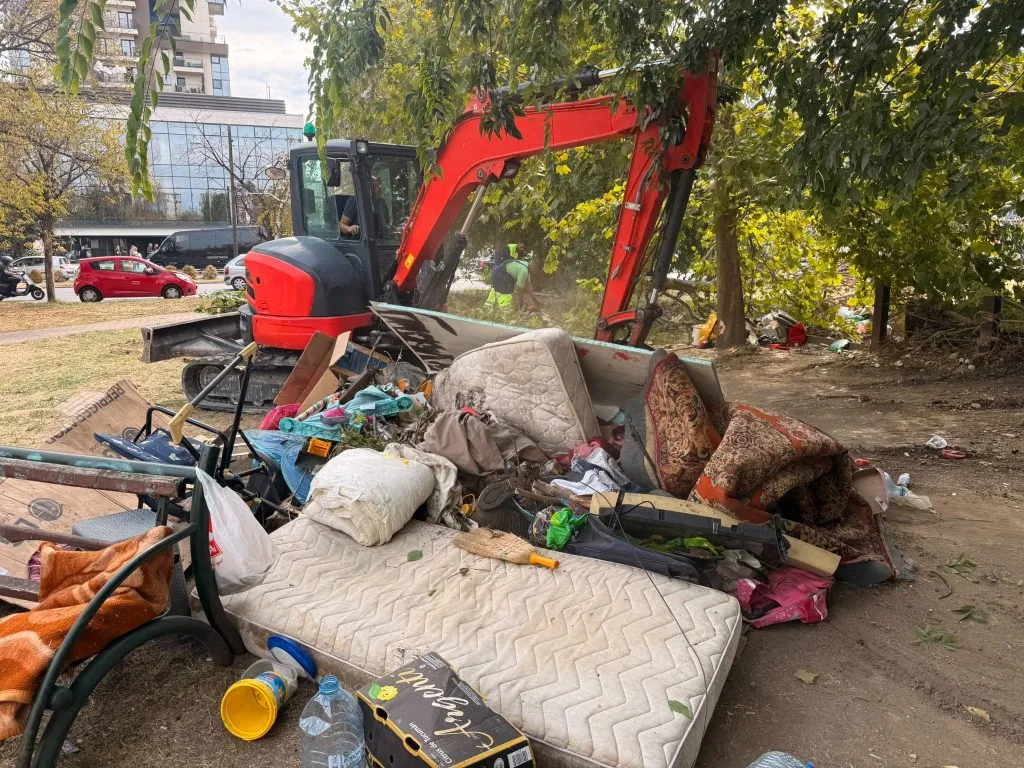
The second operation at the same site within a year. Gerasimovski himself is appealing to the Labour Ministry - because...
A prosumer scheme, a solar oven and electricity generated by bicycle on Magnolija square. The city that has paid the...
Stefanija Dimovska won two medals at IESO 2026, working in mixed international teams. Before that she was also national champion...
Out of nearly 4.7 million denars, the municipality is putting in around 180,000. The rest comes through the Bureau for...
Ten years working inside the health system - and she still had to pull strings to be admitted. The clinic...
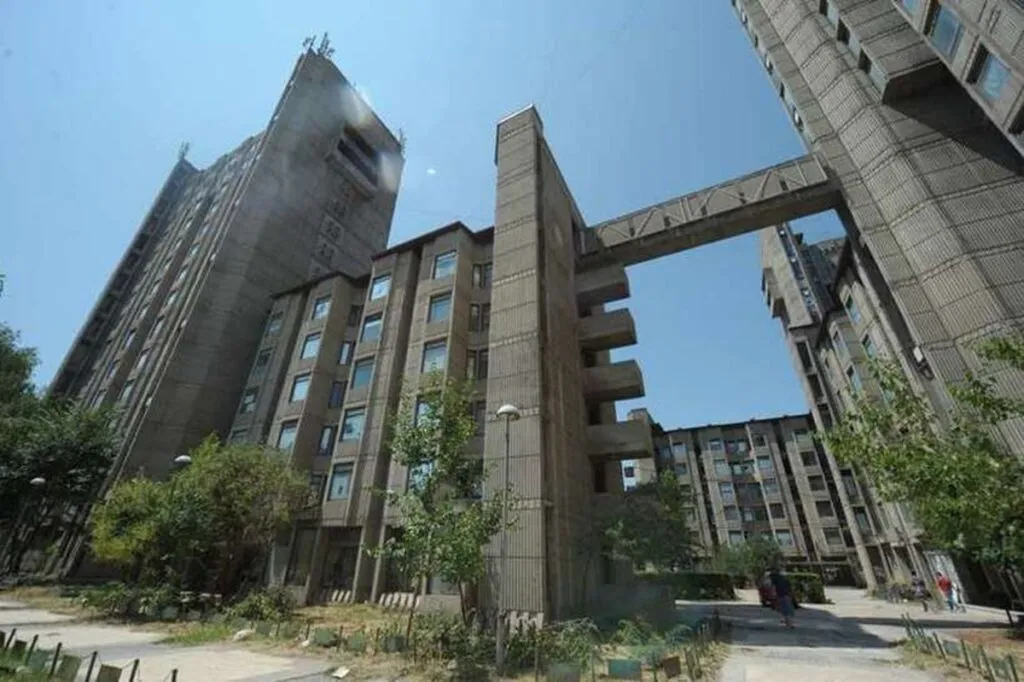
Appeals run from 15 to 25 September. There is not enough space at Goce Delčev, so students go to Stiv...
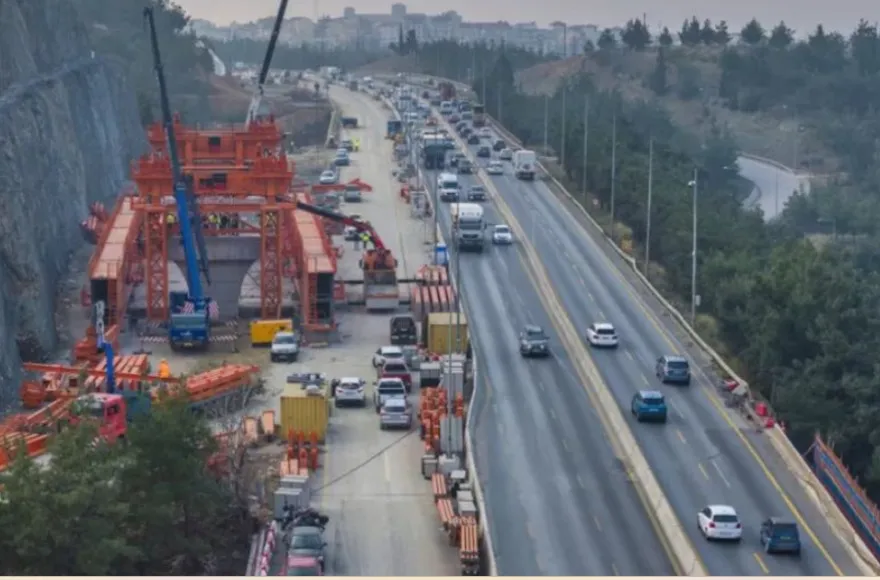
From 23:00 to 05:00 there is no getting through towards Evzoni. Towards Halkidiki - business as usual. Those heading on...
This site uses cookies - is that okay? Learn more
Be the first to know when Metla launches something new
Leave your email and we will write when there is a new guide or something new on Metla.