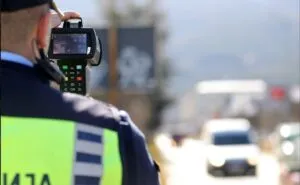
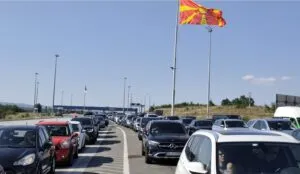
A Pole Drove 164 km/h Where the Limit Is 80: The Camera Caught Him, the Border Stopped Him
23.08.2026


23.08.2026
23.08.2026
23.08.2026
23.08.2026
22.08.2026

22.08.2026

23.08.2026

23.08.2026

22.08.2026

23.08.2026

23.08.2026

23.08.2026

23.08.2026

22.08.2026

21.08.2026

23.08.2026

23.08.2026

23.08.2026

23.08.2026

23.08.2026

22.08.2026

09.03.2026

27.02.2026

19.02.2026
23.08.2026
23.08.2026
22.08.2026

23.04.2026

23.04.2026

12.04.2026
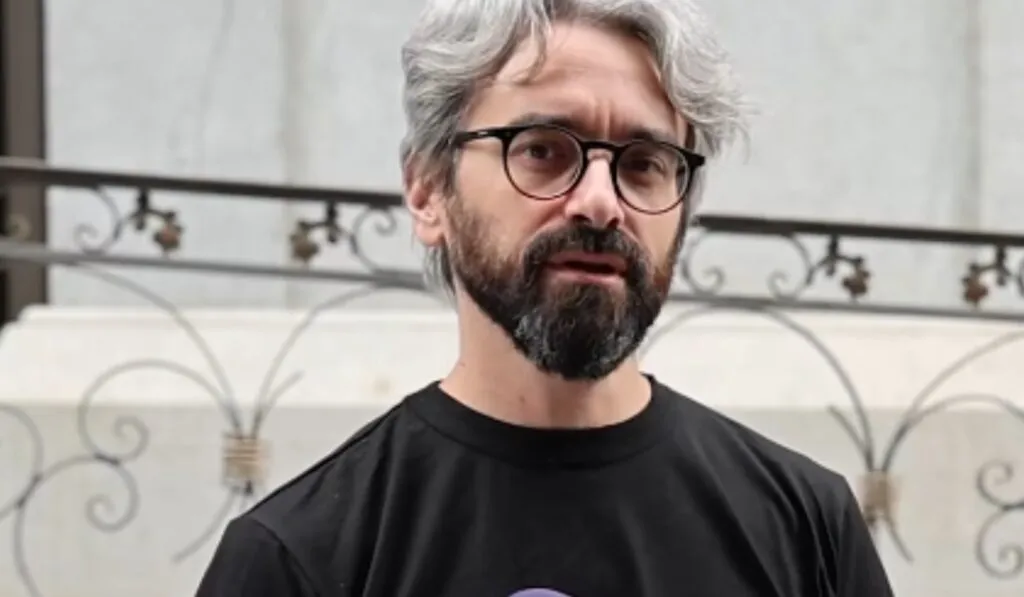
43 registered cases. Four deaths. And a forecast that the peak is still ahead - in September.
The forecast came from Dimitar Apasiev, leader of Levica, in a Facebook post accusing the authorities of being late with mosquito spraying and of failing to clear the places where the insects breed.
"How come they didn't spray for mosquitoes in Skopje on time and were a month late, how come they're spraying with an unlicensed product for aerial spraying, how come they didn't clean the canals, ponds and silted marshes where the mosquitoes swarm," Apasiev wrote.
The city's paperwork
The documents sound harsher than the political rhetoric. Levica councillor Darja Mustafaoglu claims that the City of Skopje's own paperwork contradicts mayor Orce Gjorgjievski.
According to her, the 2026 annual programme for preventive pest control contains no treatment schedule, no season start date, no list of the products used, no measurable intervention criteria and no success indicators. The contract with the Skopje Public Health Centre for ground-level pest control was signed on 10 June, even though the technical specification calls for treatments starting earlier. The contract with the Skopje Aero Club dates from 23 April - and the larval season begins in March.
The most awkward part: according to Mustafaoglu, the documentation mostly counts hectares flown over. Not which product was used, in what quantity, at what dose per hectare, by what method, or to what effect. Levica has filed a freedom-of-information request with 14 questions about exactly those figures.
The numbers we do have
According to the latest weekly report from the Institute of Public Health, as of 18 August the country had registered 38 cases - 36 confirmed and two probable - along with four deaths. On 21 August, Health Minister Klekovski said the number had risen to 43.
Five new cases in three days. The European Centre for Disease Prevention and Control notes that West Nile virus transmission in Europe usually peaks in August and early September. So neither is Apasiev's forecast extreme, nor is 43 the final figure.
West Nile fever is transmitted by the bite of an infected mosquito. You don't vote against a mosquito - you spray, and you clean out the places where the eggs are laid. One of those is photogenic and gets counted in hectares. The other is filthy work in a drainage canal and never makes it into a press release.
Four families have already paid the difference between the two.
The latest 10 news from this category
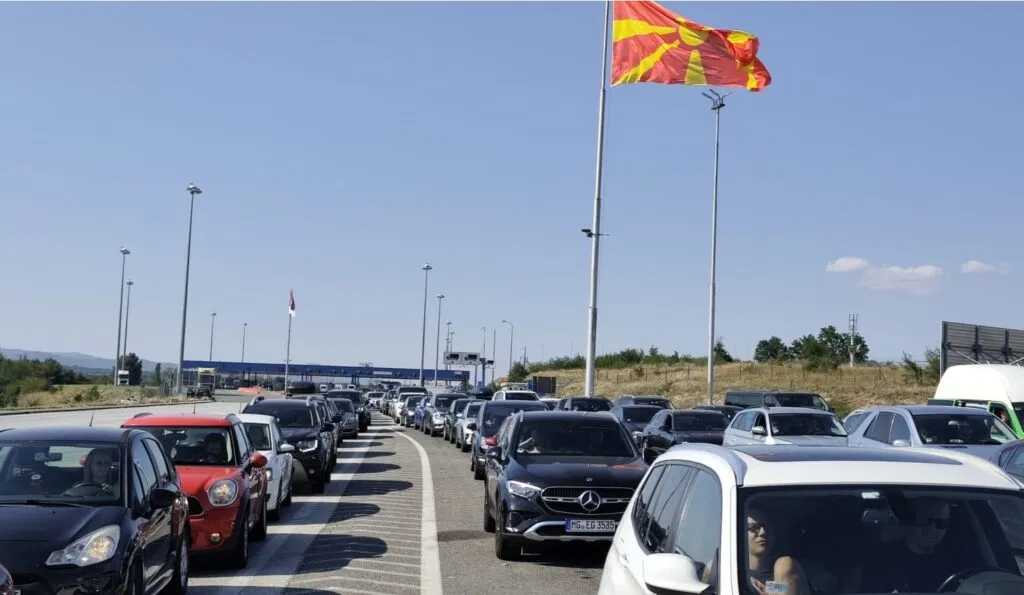
The auto club is timing the border queues, and the Sunday afternoon rush hasn't even started. Plus the summer truck...
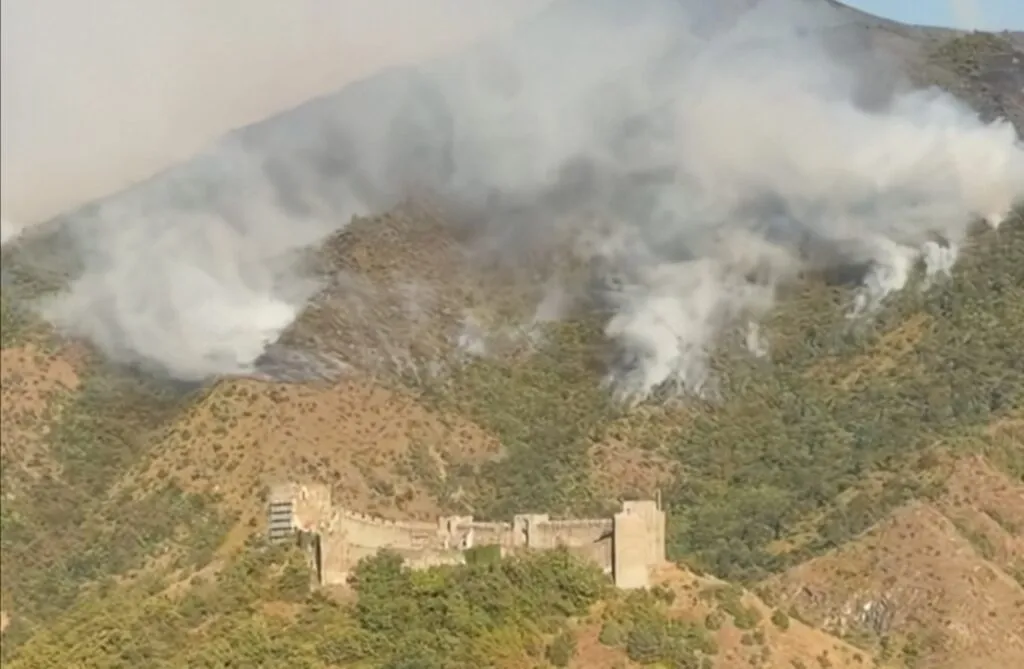
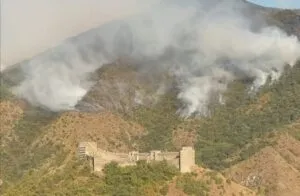
The blaze is moving from Trnava towards Straza, above Tabanovce. The appeal has been made - but the fire burns...
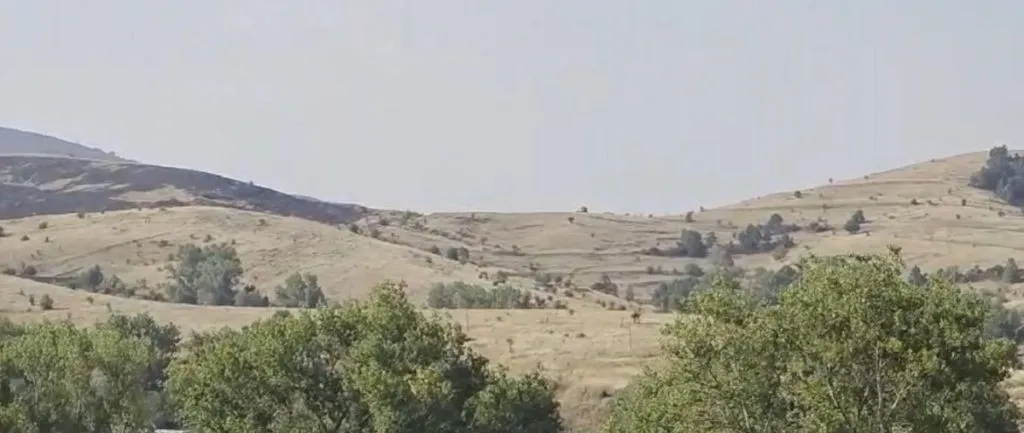
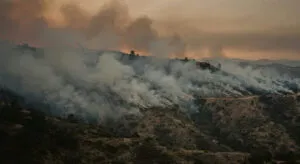
31 fires in 24 hours, 23 put out, eight still burning. The crisis chief warns no rain is forecast -...
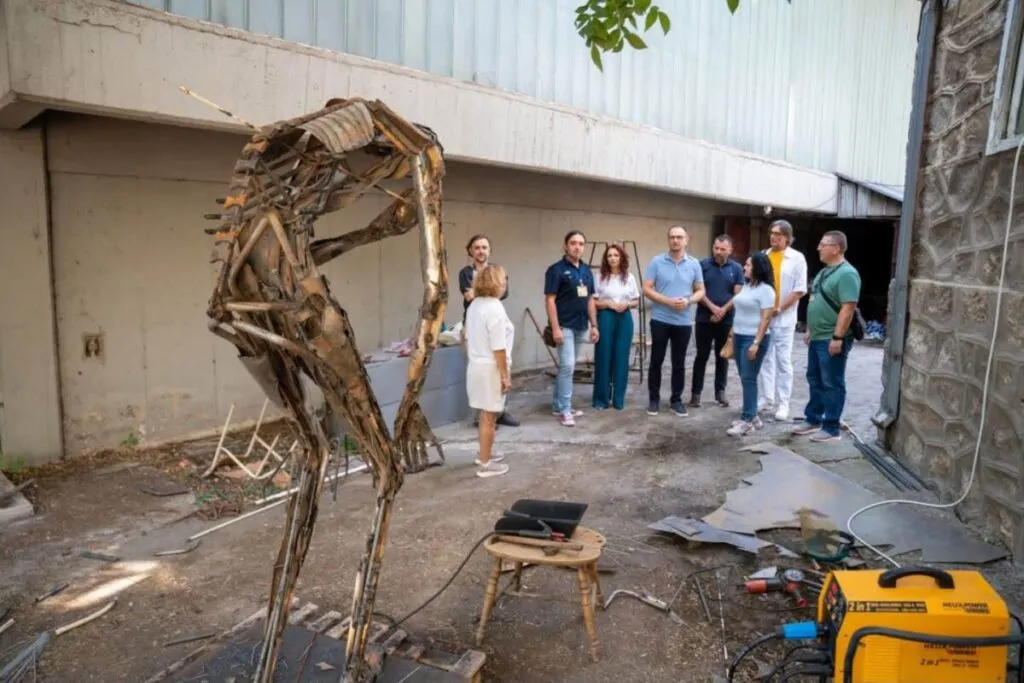
This year the "Marko Cepenkov" art colony is making work for public space, and the municipality is funding it for...
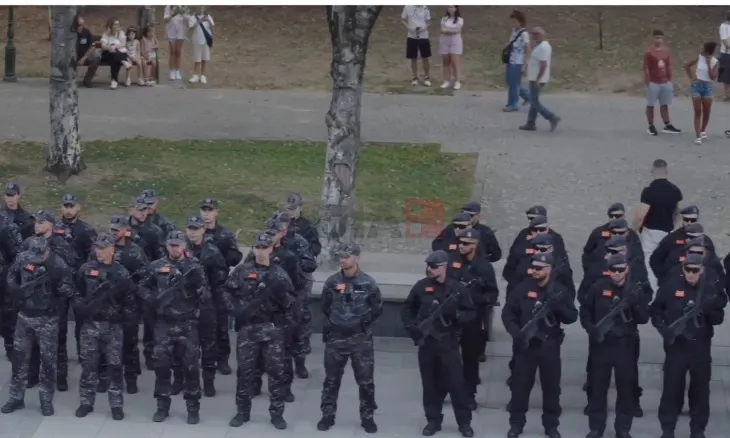
The interior minister says crime has grown more sophisticated and modern equipment is needed. The drill demonstrates capability - but...
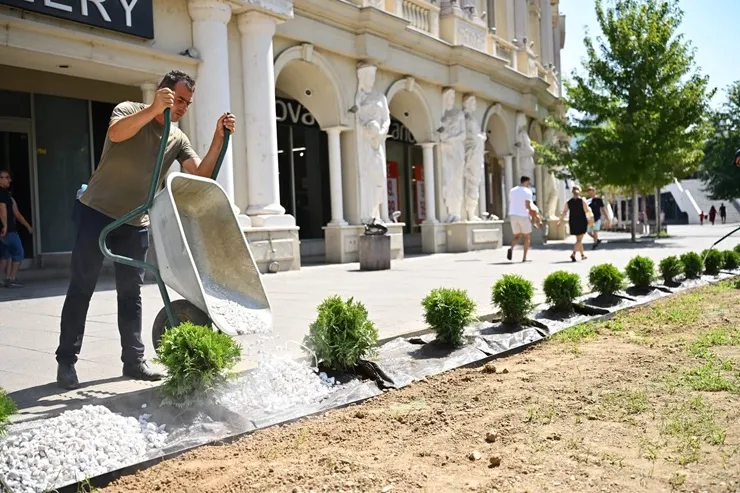
The mayor promises a green oasis where Skopje residents spent years looking at a meadow. But the same patch was...
The ranger service is working harder and the animals are showing up more often. That is not a coincidence -...
Six locations in one weekend, most of them outside its own territory. Dimitrievski said out loud what ZELS has been...
The fire split into two arms, one heading for the monastery above Matejce. And the villages burning near Prilep are...

Kolefski asked in advance for the Albanian anthem to be played. He was ignored - and then apologised for a...
This site uses cookies - is that okay? Learn more
Be the first to know when Metla launches something new
Leave your email and we will write when there is a new guide or something new on Metla.