

Two Reports in One Day: an 80-Year-Old Beaten in Her Own Yard in Tearce, an 82-Year-Old from Veles Detained for Years of Beating His Wife
22.08.2026


22.08.2026

22.08.2026
22.08.2026

22.08.2026

22.08.2026

22.08.2026
22.08.2026
22.08.2026
21.08.2026

22.08.2026

22.08.2026

21.08.2026

22.08.2026

22.08.2026

22.08.2026

22.08.2026

21.08.2026

20.08.2026

22.08.2026

22.08.2026

22.08.2026

22.08.2026

22.08.2026
21.08.2026

09.03.2026

27.02.2026

19.02.2026
22.08.2026
21.08.2026
20.08.2026

23.04.2026

23.04.2026

12.04.2026
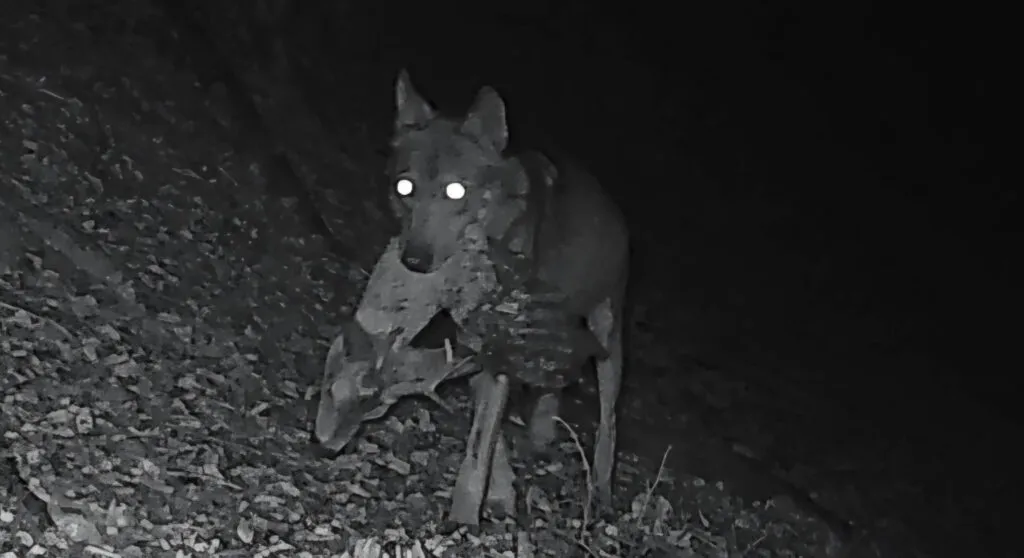
A wolf carrying a roe deer in its mouth in the middle of the night, caught by a camera trap. A chamois that, after a long period of intensive monitoring, finally appeared in front of the lens again. A group of wild boar on the move. A wildcat that visitors regularly mistake for a Balkan lynx. All of it was recorded in the Pelister National Park and published in recent days.
The park says wildlife is being spotted in its habitats more and more often since the ranger service stepped up its activities - both in the active management zone and in the strict protection zone. It is a sentence that sounds administrative, but it means something very concrete: when someone is there to guard, the animals come back.
Camera traps are not decoration. They track where wildlife moves, how many animals there are, what condition they are in and how they function within the food chain. That is data, not a postcard - and data is the basis of every serious conservation decision.
The photograph of the wolf with its prey is the most direct evidence of that. The presence of an apex predator means there is enough food beneath it, and that means a functioning ecosystem, not just pretty scenery to photograph.
The chamois is its own story. Rupicapra rupicapra is the species that disappears first under pressure - from hunting, from noise, from human presence in the wrong places. Its reappearance on the footage after all this time is more than an anecdote.
The open question is how long the ranger service that delivered these results will keep being funded. Macedonia's national parks are not collapsing for lack of laws - they are collapsing for lack of people on the ground. Pelister is now showing what the opposite looks like.
The latest 10 news from this category

Six locations in one weekend, most of them outside its own territory. Dimitrievski said out loud what ZELS has been...
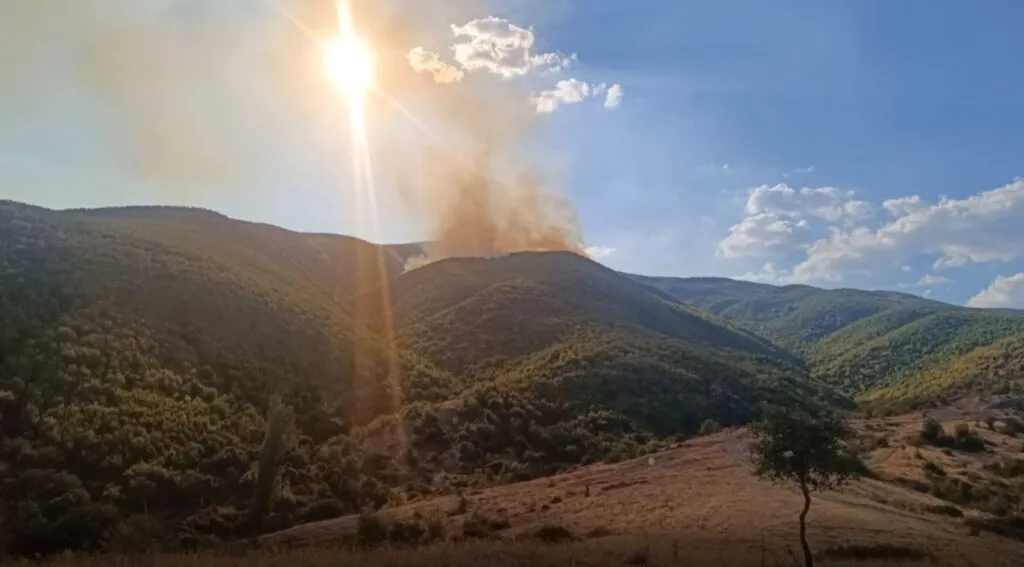
The fire split into two arms, one heading for the monastery above Matejce. And the villages burning near Prilep are...

Kolefski asked in advance for the Albanian anthem to be played. He was ignored - and then apologised for a...
A fuel probe is not technology from the future, and a GPS unit is not an innovation. So the difference...

An hour at a bus stop is not a technical fault, it is an attitude towards people's time. And a...
A solution that needs no new building and works faster than any investment. But 650 children in one facility is...
An access road in a village needs no expropriation, no tender, no study. If it took years, the reason was...
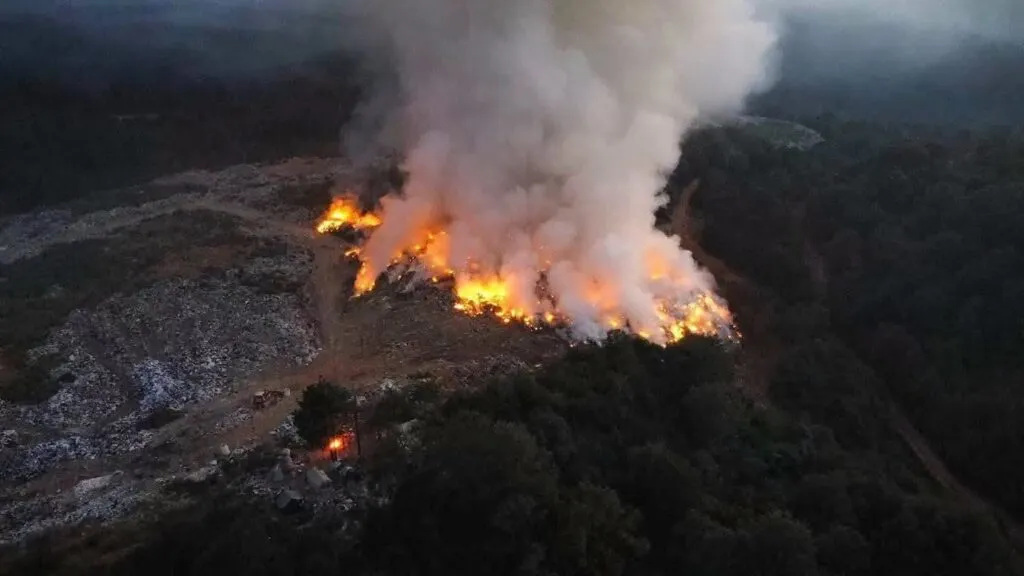
The institutions' answer to a burning landfill stays the same - more soil on top of the fire. Permanent closure...

An investigation opened two days after the Tetovo fire has ended with a finding of insufficient evidence. A closed case...
The city is counting treatments since 7 May, the opposition is counting patients. What is missing is an independent check...
This site uses cookies - is that okay? Learn more
Be the first to know when Metla launches something new
Leave your email and we will write when there is a new guide or something new on Metla.
