
A Pole Drove 164 km/h Where the Limit Is 80: The Camera Caught Him, the Border Stopped Him
23.08.2026


23.08.2026

23.08.2026

23.08.2026

23.08.2026
22.08.2026

22.08.2026

23.08.2026

23.08.2026

22.08.2026
23.08.2026
23.08.2026

23.08.2026
23.08.2026
22.08.2026
21.08.2026

23.08.2026

23.08.2026

23.08.2026
23.08.2026

23.08.2026
22.08.2026

09.03.2026

27.02.2026

19.02.2026

23.08.2026
23.08.2026

22.08.2026

23.04.2026

23.04.2026

12.04.2026
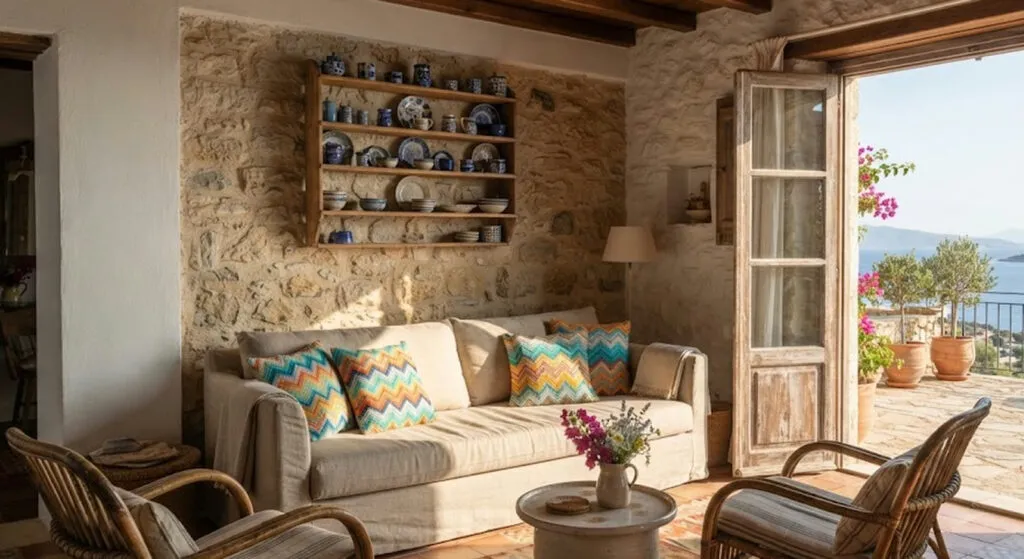
The house was not planned. Rosita Missoni was in a taxi crossing north-eastern Sardinia, spotted a land sales office through the window, told the driver to stop - and within a week had bought two small houses. The main villa came a decade later.
That is the beginning of the story told today by her daughter Angela Missoni and her granddaughter Teresa Maccapani, in the villa in Puntaldia that is still a family house rather than a residence. The difference shows in every room.
The entrance is stone, and the view is the sea
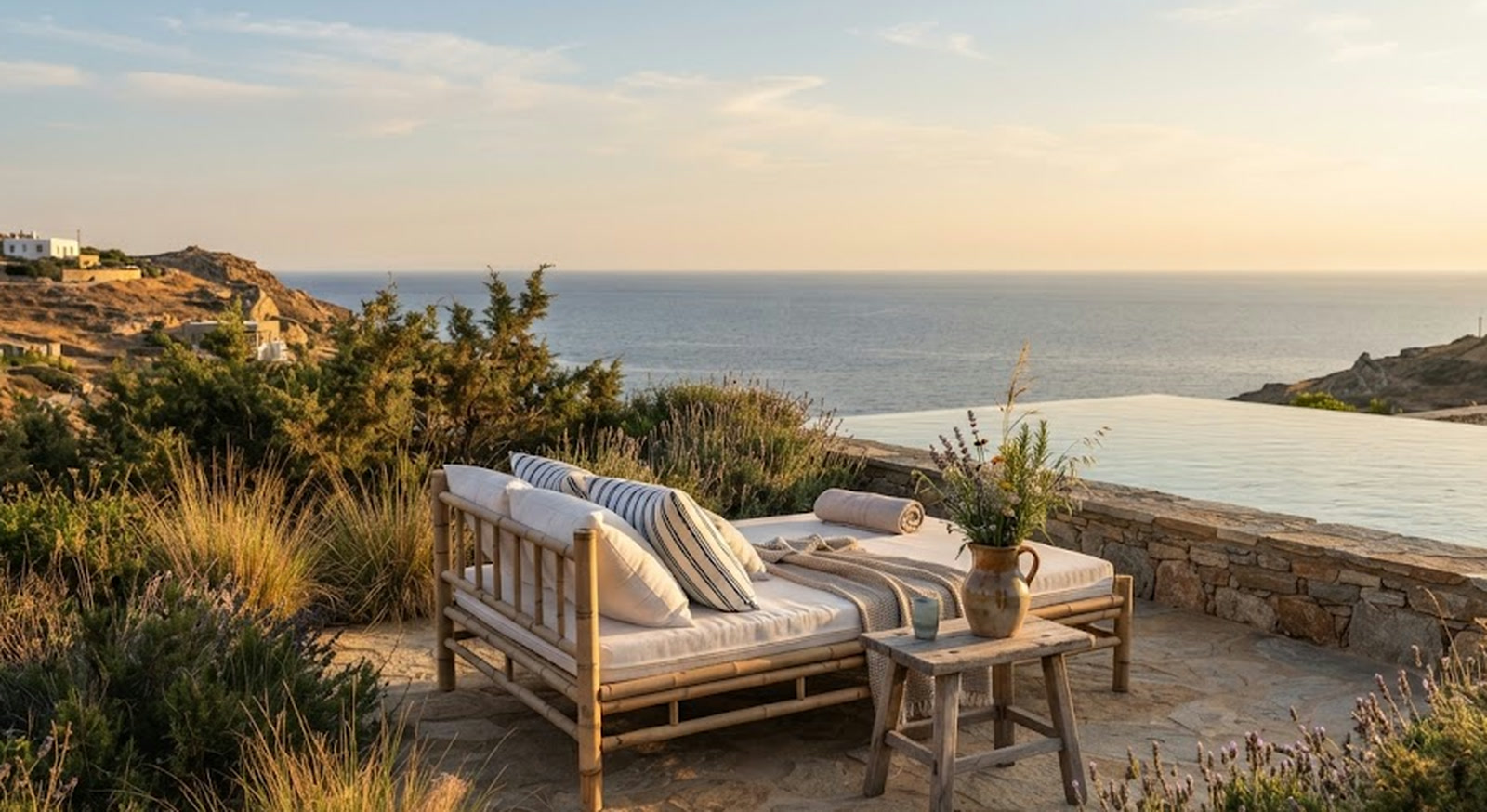
The facade is stone, terraces and garden descend towards the Mediterranean, and the pool is set so that its edge meets the horizon. On one of the terraces sits an Indonesian bamboo sofa. Beside the pool are loungers by Patricia Urquiola for Moroso and Missoni Home poufs - and that is almost the only place where the brand appears openly.
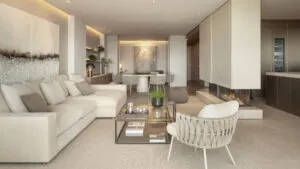
The living room is proof that taste is not bought as a set
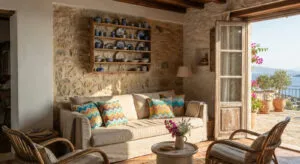
The large sofa is Cappellini, but the textile over it is vintage Pierre Frey, and the cushions are Missoni Home. The table is ceramic. The armchairs are woven rattan from the fifties. Nothing is from the same set and nothing is trying to be.
On the walls there is Italian ceramic from Vietri and French pieces, while the console is the work of Mauro Mori - beside it stand traditional Sardinian baskets. It is a combination that would never pass in a catalogue, and works in a room, because each piece entered it in a different year and for a different reason.
The collection that explains the whole house
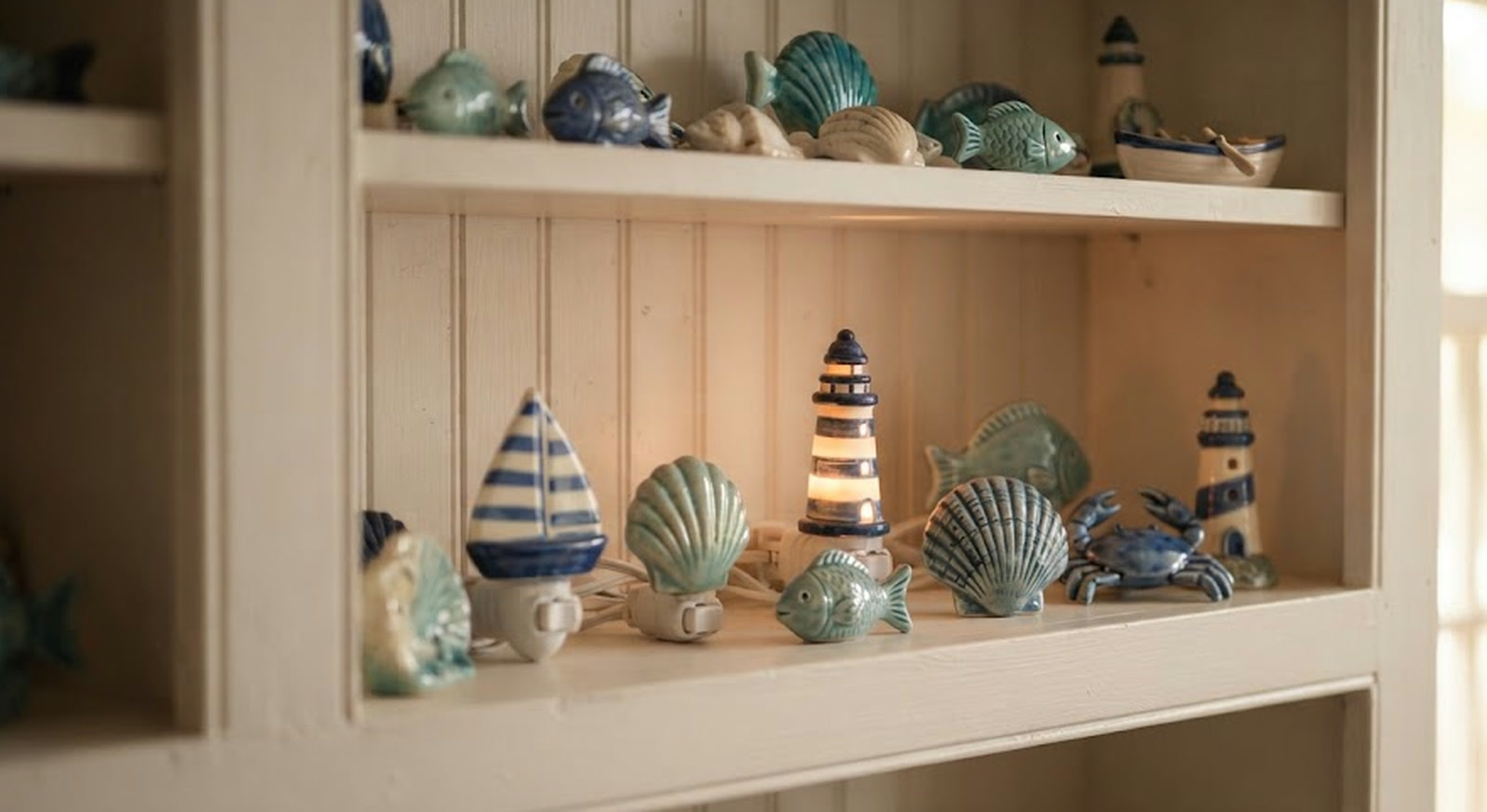
In the living room there is a shelf built for one single thing - a collection of ceramic bedside lamps from Vallauris, with sea motifs. It is not decoration bought to fill a gap. The shelf was made for the collection, not the other way round. That is the difference that makes a house somebody's, rather than a house out of a magazine.
The bedroom has a television from the eighties
Exactly that: a vintage Saba television in recycled wood, designed by Philippe Starck in the eighties, still in use as an object. The room has a porch facing the Mediterranean. The kitchen is modest and functional, without a single gesture aimed at a photograph. Above the dining table hangs a work by Maggie Cardelus for Cappellini.
What the two of them say
Angela says she inherited her aesthetic sensibility from her mother Rosita, and from her father Ottavio "a way of looking at life based on freedom, curiosity and independence of thought". Of the house itself she says that "beyond its undeniable beauty and extraordinary setting, this place is deeply connected to the moments we have built here over time".
Teresa, for her part, remembers the summer her mother collected empty plastic bottles and made a raft out of them. Today she says her rhythm here "moves wonderfully slowly, and that is what I love most". Of vintage objects and flea markets she says it is a passion she has shared with her grandmother and her mother for as long as she can remember.
What can actually be taken from this
Not the villa, obviously. Not the pool, not Urquiola, not Starck. What carries over is the method: one shelf built for something you already own, three different chairs instead of one matching set, ceramics bought over twenty years instead of six identical pieces bought in a single day.
This is both the most expensive family in the story and the cheapest lesson from it. In houses where everything was bought at once, the years are nowhere to be seen - and the years are precisely the one thing money does not solve.
The latest 10 news from this category
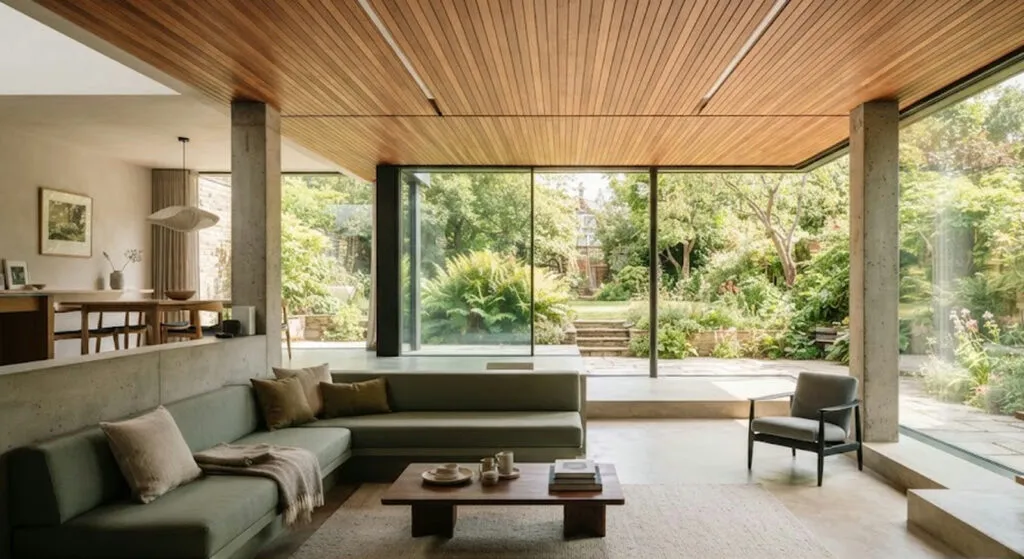
330 square metres in Biscay, a living room on two levels and a red staircase deliberately left untouched. The idea...
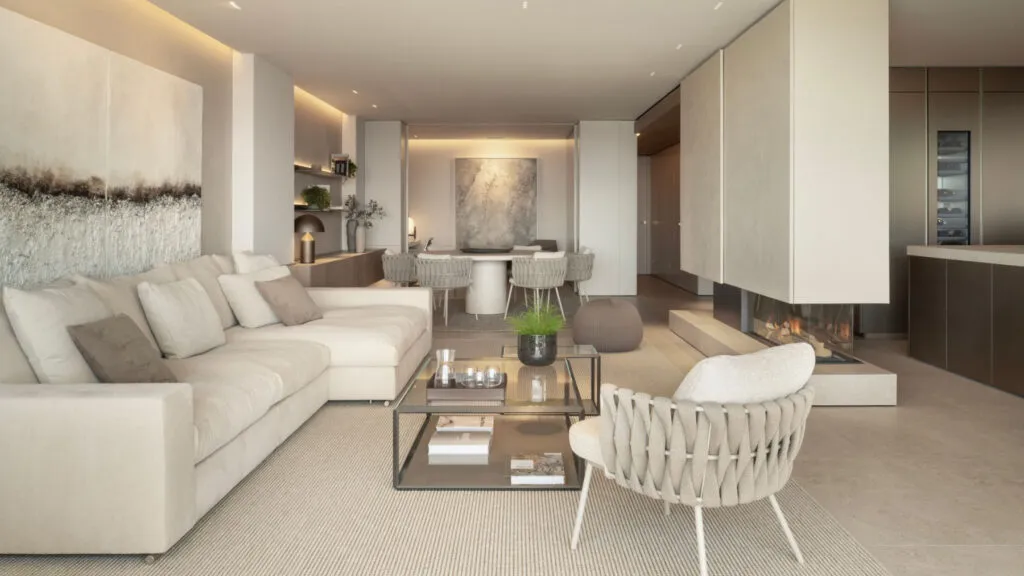
If the same tone and the same finish go literally everywhere, the space does not become calm - it becomes...
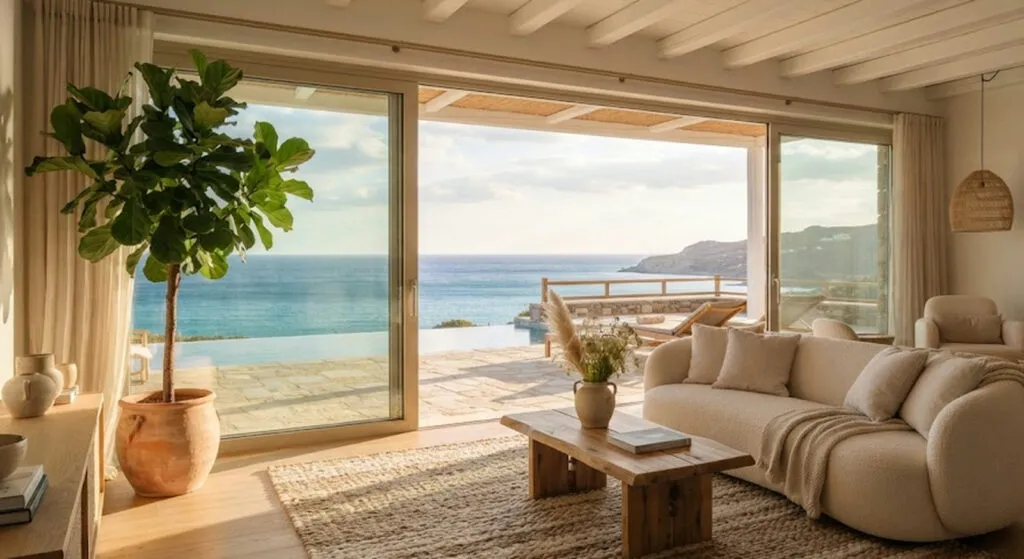
From Malibu to Mijas and Como. Some are real properties you can stay the night in, some are a set...
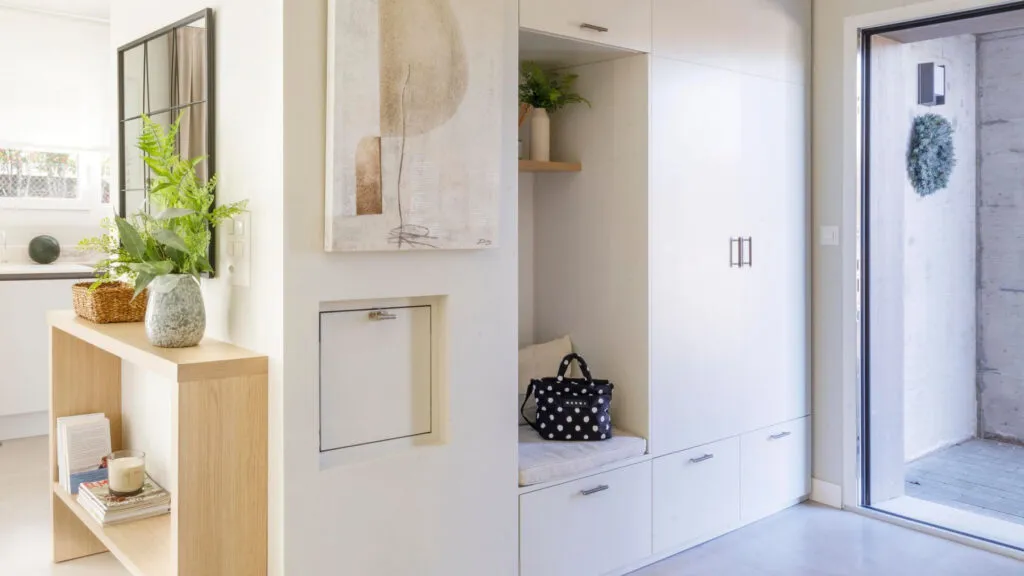
A twenty-centimetre shelf, a bench that hides shoes and one tray for the keys. The biggest enemy is not mess...
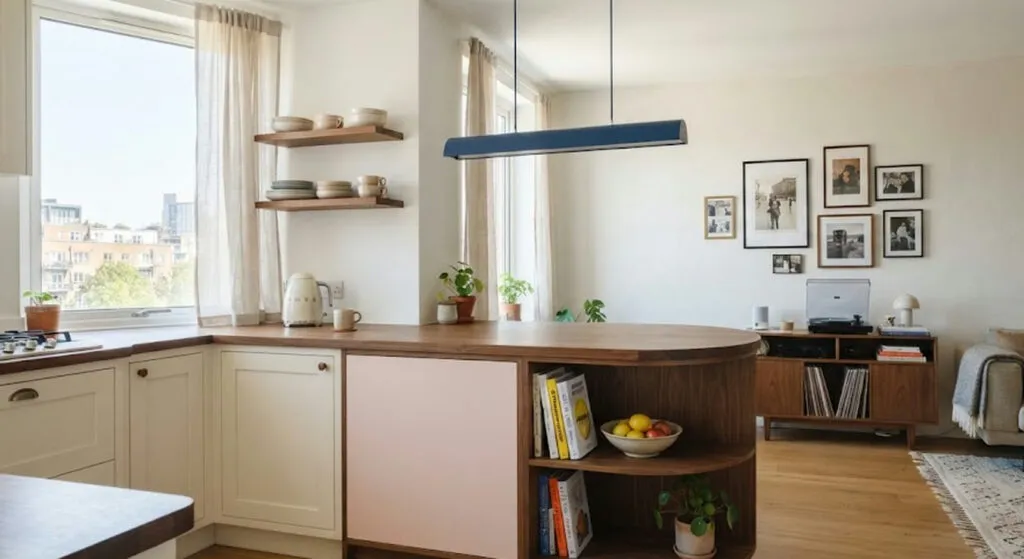
Colour here is not decoration but layout. The curved counter with a built-in bookshelf, the coral corridor and the wardrobes...
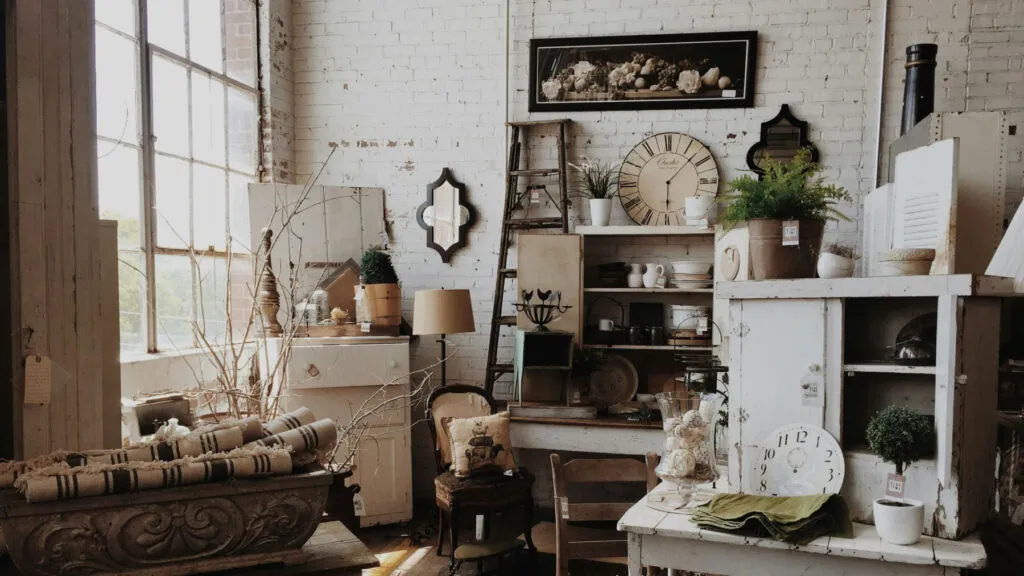
The trend is back, but not out of nostalgia - those pieces are solid wood, not chipboard with foil. Three...
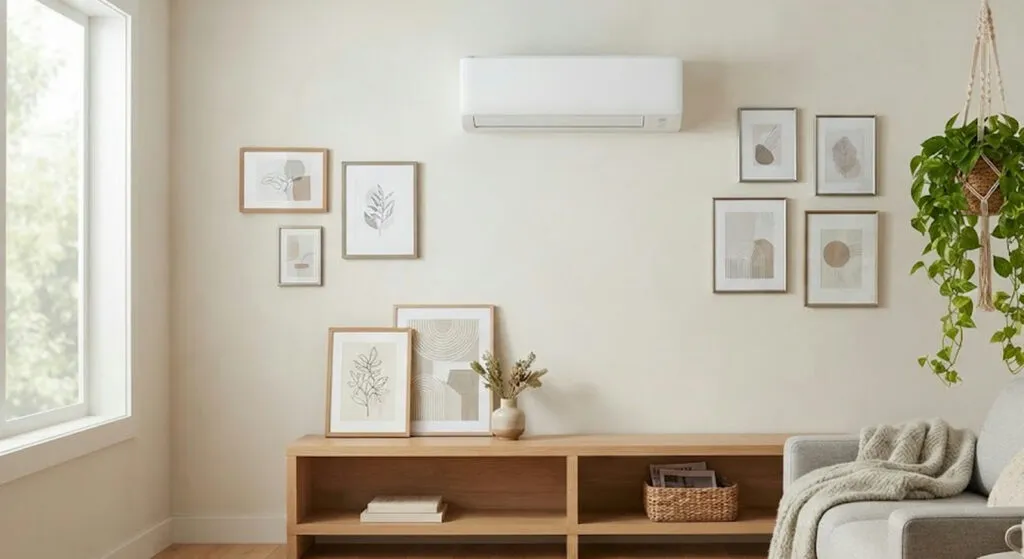
The object bought to hide one white rectangle ends up taking more space than it does. And it makes the...
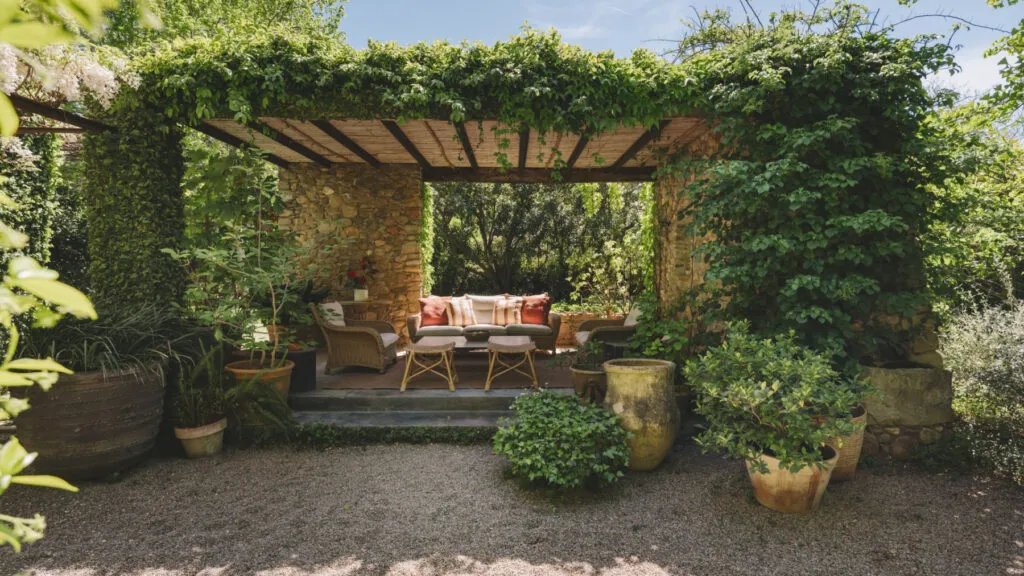
350 square metres without a single corridor, five bedrooms and a pool that does not beg for a photograph. Not...
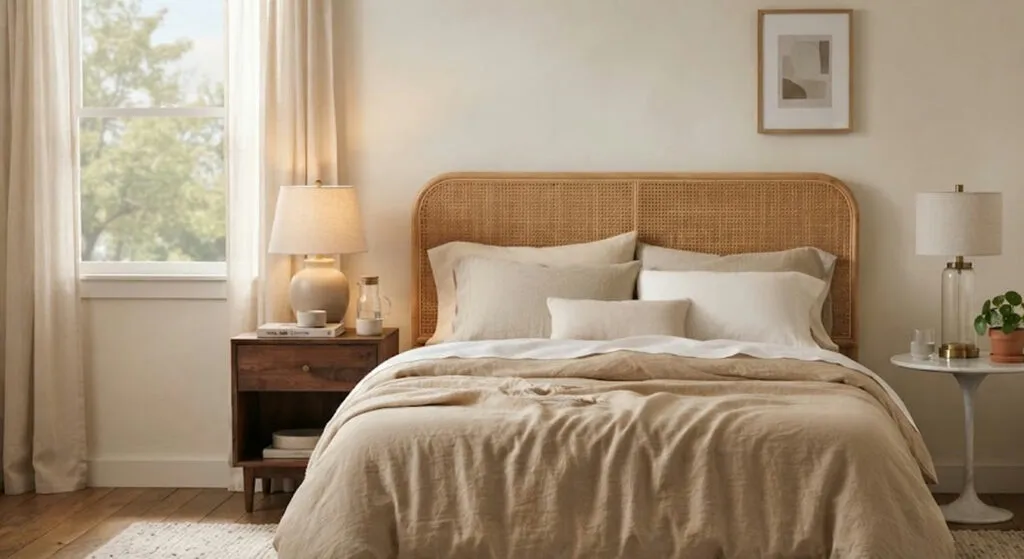
Mixing materials and shapes gives you more than repeating the same model twice. Here it also means the inherited nightstand...
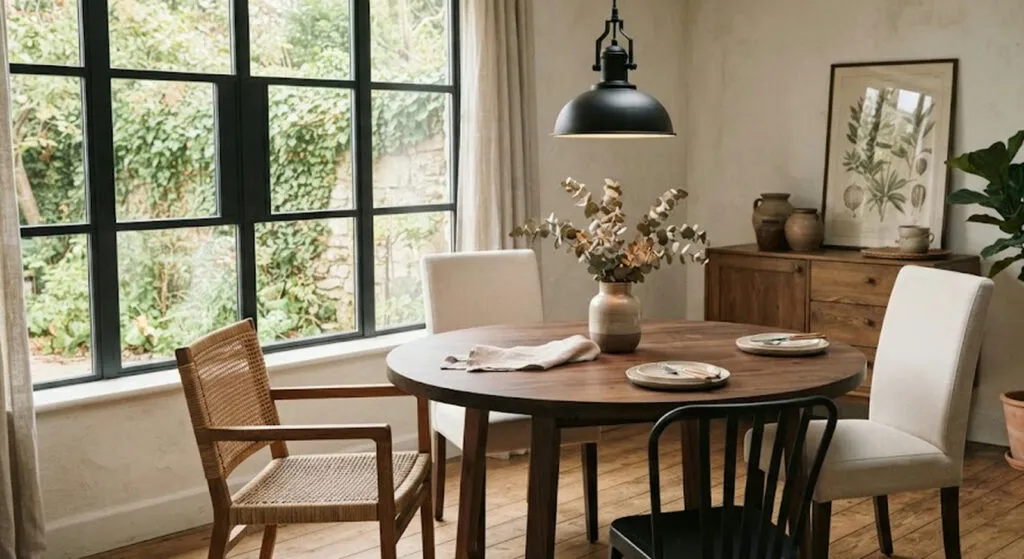
If you like the table but the chairs have fallen apart, you do not have to throw everything out. The...
This site uses cookies - is that okay? Learn more
Be the first to know when Metla launches something new
Leave your email and we will write when there is a new guide or something new on Metla.