

Two Reports in One Day: an 80-Year-Old Beaten in Her Own Yard in Tearce, an 82-Year-Old from Veles Detained for Years of Beating His Wife
22.08.2026


22.08.2026

22.08.2026
22.08.2026

22.08.2026

22.08.2026

22.08.2026
22.08.2026

22.08.2026
21.08.2026

22.08.2026

22.08.2026

21.08.2026

22.08.2026

22.08.2026

22.08.2026

22.08.2026

21.08.2026

20.08.2026

22.08.2026

22.08.2026
22.08.2026

22.08.2026

22.08.2026
21.08.2026

09.03.2026

27.02.2026

19.02.2026
22.08.2026
21.08.2026
20.08.2026

23.04.2026

23.04.2026

12.04.2026
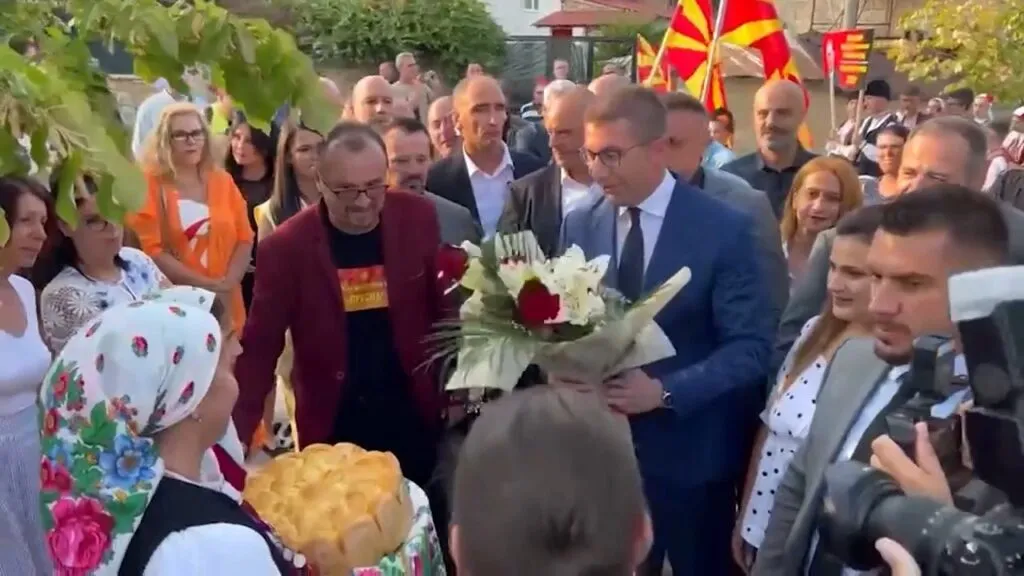
The folk festival "Prespa 2026" in Pustec was meant to be exactly what its name says - an event dedicated to Macedonian culture, language and tradition in Mala Prespa. Instead, one unplayed anthem turned it into a regional political story, and Albanian Prime Minister Edi Rama used it to deliver a lecture to the entire Balkans.
The facts are simple. At the festival, attended by Prime Minister Hristijan Mickoski, the Macedonian anthem was played but the Albanian one was not. Albania's Ministry for Europe and Foreign Affairs called this a serious failure with respect to national symbols and institutional protocol.
The mayor asks for the anthem - and then apologises
This is where the story gets interesting. The mayor of Pustec, Pali Kolefski, said the municipality was not the organiser at all but an invited guest, and that the organiser was the association "VMRO-DPMNE Albania". He stated that before the event even began he had asked for the Albanian anthem to be played too.
Rama confirmed the same thing: "The mayor of Pustec, Pali Kolefski, asked in advance for the Albanian anthem to be played. He was ignored, and then apologised for a mistake that was not his."
So the man who asked for the right thing is the one ending up apologising. And the people who ignored him are nowhere in the story.
From protocol to "circus troupes"
Had Rama stopped there, this would have remained what it actually is: an organisational failure at an event that gained institutional weight because a senior official attended. But he went further.
"This occasional arrival on our territory of circus troupes of Balkan national-folklorism, sometimes from one country and sometimes from another, does not in itself worry us about the sovereignty of Albania," Rama wrote, adding that European Albania has already passed its adolescence as a democratic state.
The phrasing is carefully chosen, which is why it is worth unpacking. First, "circus troupes" - for a minority's folk festival. Second, the hedge "sometimes from one country and sometimes from another", which lets him look impartial while responding to a specific event attended by a specific prime minister. Third, "adolescence" - the word with which a neighbour placed himself one step higher.
What remains beneath the rhetoric
Rama says that for Albania minorities are not statistics but national wealth, and that Pustec was given special status as a separate municipality precisely for that reason. That is true and worth saying.
But none of it changes the basic point: the Macedonian community in Mala Prespa has the right to publicly celebrate its culture and its identity, and that right does not become more questionable because somebody forgot to play a recording. Both things can stand together - the host country's anthem is played, the community's festival goes ahead - and nobody loses anything.
The problem begins the moment somebody tries to turn them into opposing choices. Kolefski did not do that, nor did the organisers with their oversight. The vocabulary that came afterwards did.
The latest 10 news from this category
The ranger service is working harder and the animals are showing up more often. That is not a coincidence -...
Six locations in one weekend, most of them outside its own territory. Dimitrievski said out loud what ZELS has been...
The fire split into two arms, one heading for the monastery above Matejce. And the villages burning near Prilep are...
A fuel probe is not technology from the future, and a GPS unit is not an innovation. So the difference...
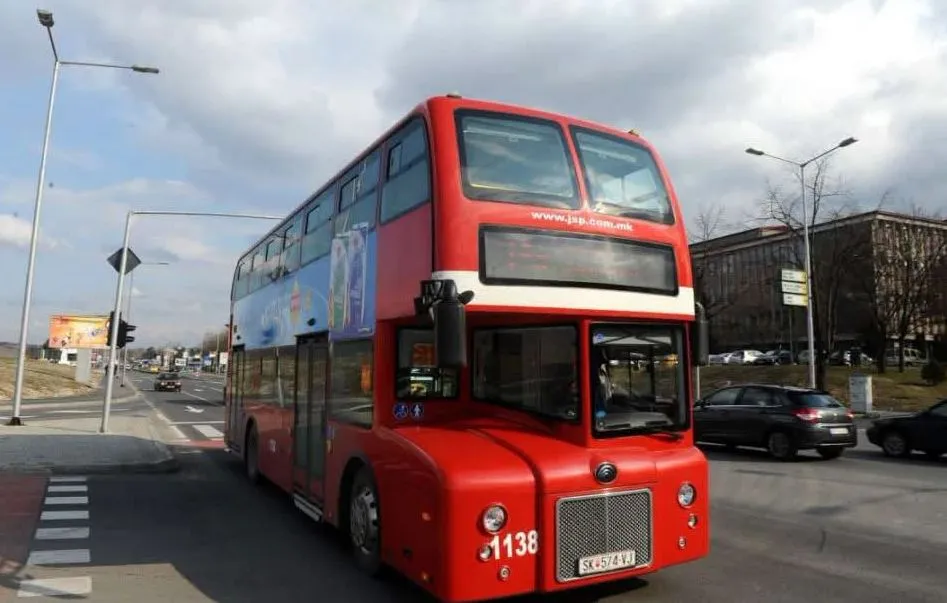
An hour at a bus stop is not a technical fault, it is an attitude towards people's time. And a...
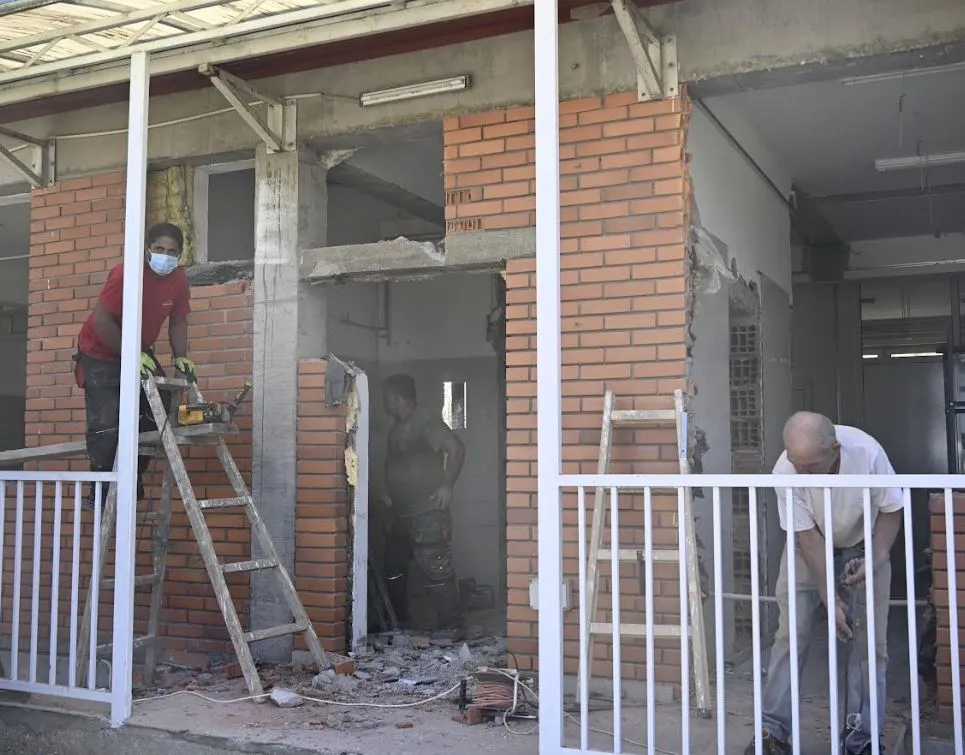
A solution that needs no new building and works faster than any investment. But 650 children in one facility is...
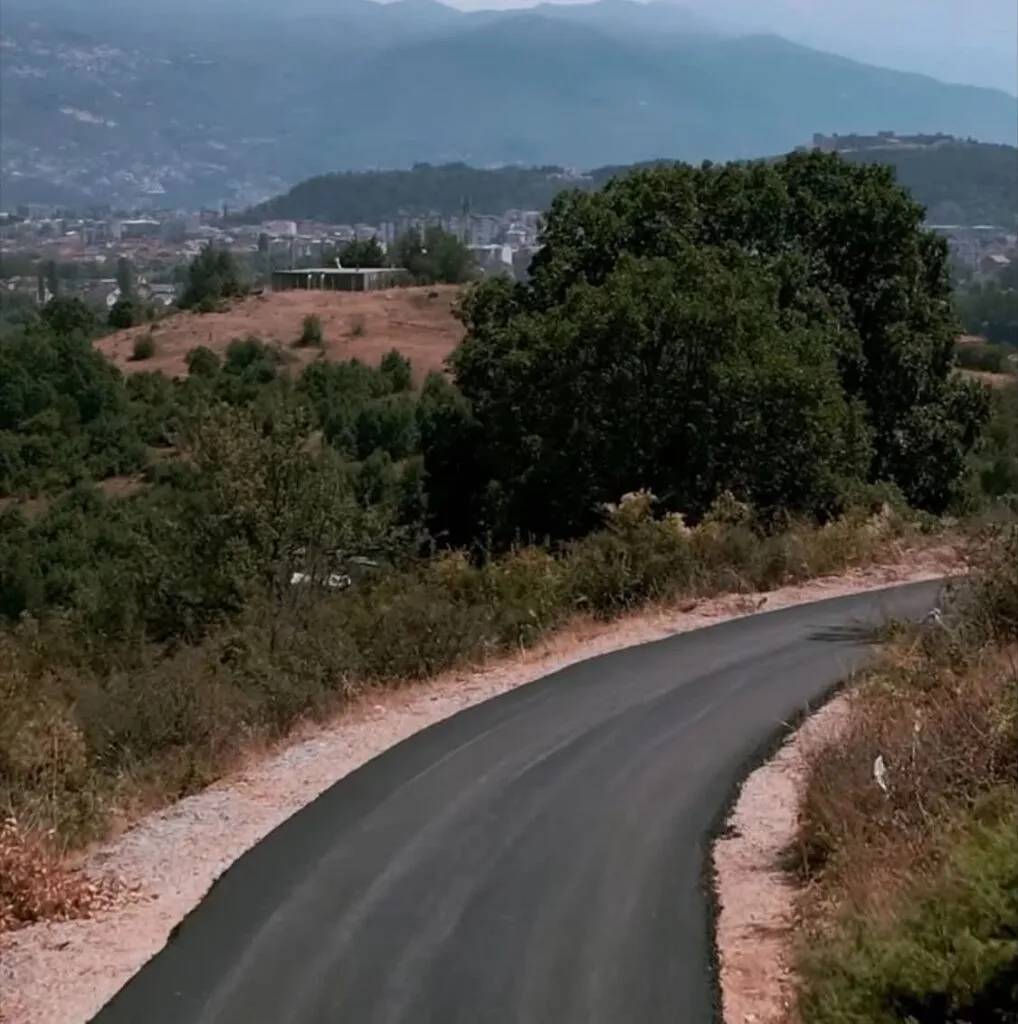
An access road in a village needs no expropriation, no tender, no study. If it took years, the reason was...
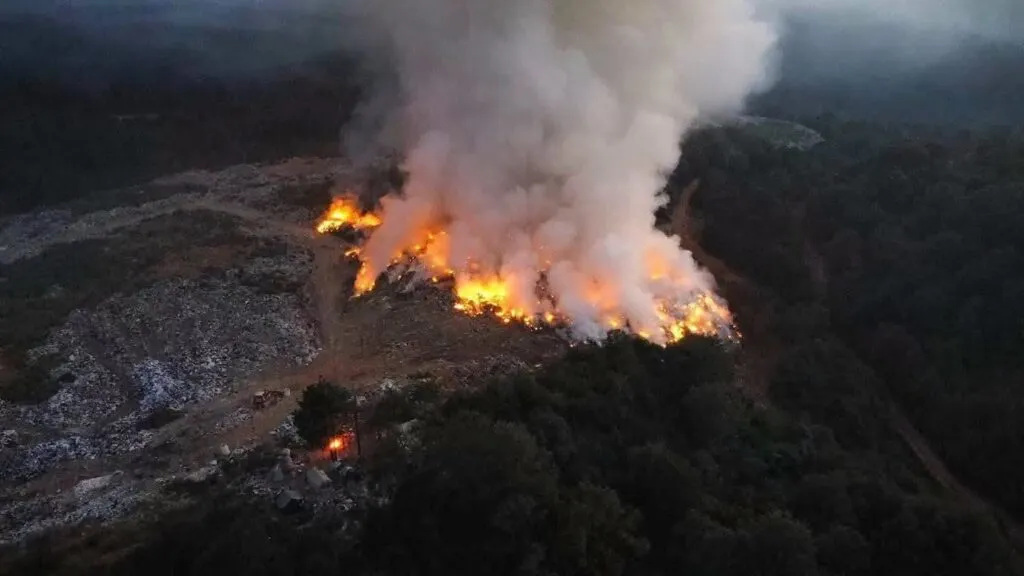
The institutions' answer to a burning landfill stays the same - more soil on top of the fire. Permanent closure...
An investigation opened two days after the Tetovo fire has ended with a finding of insufficient evidence. A closed case...
The city is counting treatments since 7 May, the opposition is counting patients. What is missing is an independent check...
This site uses cookies - is that okay? Learn more
Be the first to know when Metla launches something new
Leave your email and we will write when there is a new guide or something new on Metla.
