

The Young Men From Saraj Say They Were Beaten After Being Subdued, the Union Claims They Tried to Run Police Over: The Interior Ministry Is Still Just Investigating
11.10.2026


11.10.2026

11.10.2026
11.10.2026
11.10.2026
11.10.2026
11.10.2026

11.10.2026

11.10.2026

11.10.2026

11.10.2026

11.10.2026

10.10.2026

11.10.2026

11.10.2026

11.10.2026

11.10.2026
10.10.2026

09.10.2026
11.10.2026

11.10.2026

11.10.2026
11.10.2026

11.10.2026

10.10.2026
11.10.2026
11.10.2026
09.10.2026
10.10.2026

08.10.2026
06.10.2026

23.04.2026

23.04.2026

12.04.2026

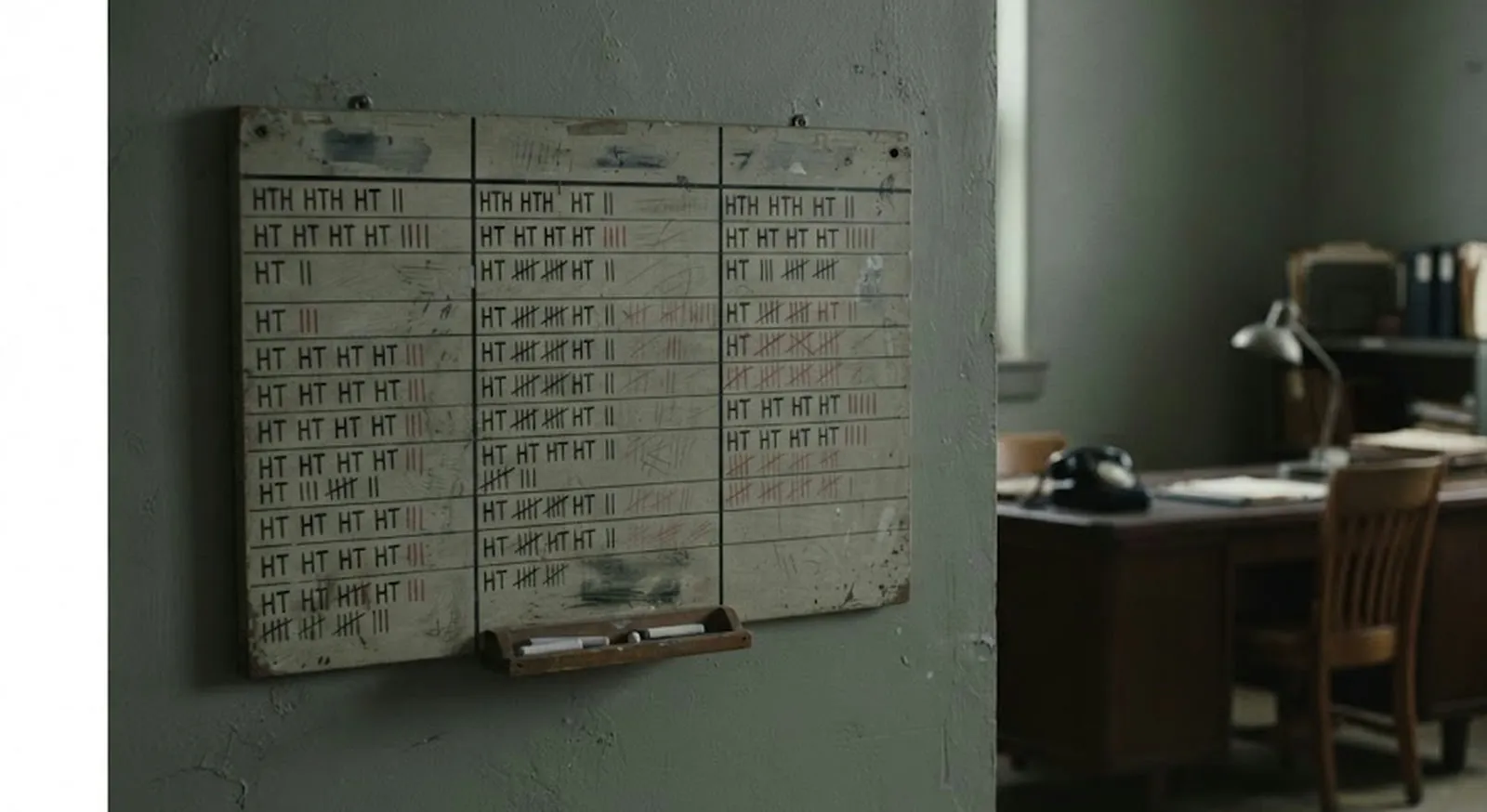
The City of Skopje has been counting treatments since 7 May, and the opposition has been counting patients. This week the West Nile death toll reached four, and what used to be fewer than one case a week became twelve in seven days. Meanwhile, the thirteenth round of spraying in Skopje went ahead while patients were already lying in the infectious diseases ward, with another twenty sprayings planned before the season ends.
The entire argument collapsed into a calendar - who sprayed when, how many times, under which report. What is missing is the only thing worth measuring: what actually changed on the ground after any of those sprayings. The inspectorate is now checking whether municipalities really sprayed the way the paperwork says they did, and testing jumped from forty a year to eight a day once the disease was already here. A count of treatments is not proof of effect. It is proof of activity.
The most convincing inspection of the week was not carried out by a single one of our institutions. A Bulgarian laboratory found formetanate above the legal limit in 11.6 tonnes of Macedonian peppers - the third European alert since 2023. The question nobody in charge wants to open is not who pays to destroy the shipment, but what happened to the rest of that harvest, the part that never went for export.
In the same week, Tabanovce revealed 33,722 fines that were never collected, because a foreign licence plate was a way out of the system. When that exit closed, the first arrest was made by a plate-reading camera, not by a patrol car. The mechanism works. It just was not ours - not the lab, and until a few days ago, not the habit of checking either.
The City of Skopje mapped the three spots that flood after every heavy rain and drew up technical solutions. Drew up - did not build. The distance between those two verbs is the whole story of this week.
The same pattern shows up everywhere. Bus line 37 came back on a new route, but with four departures and a six-hour gap in the middle of the day - a timetable for high-school students, not for a neighbourhood. The e-application for the university exists and is filled in online, after which the student walks it over in person in forty-degree heat. Every one of these has a finished document standing in for an unfinished job.
This week the Army deployed preventively for the first time this summer - but only after thirty-seven fires were reported in twenty-four hours and the blaze near Čanište split into four fronts. Prevention that arrives in the third month of the season is still a reaction, just with a better name.
The clearest picture came from Kumanovo, which puts out its neighbours' fires without receiving a single denar from them. The crews go out, the work gets done, and the bill stays with whoever moved first. That is not a system - that is goodwill holding the place where a system should be.
After five years, three prosecutors and not one indictment, the modular hospitals case has been closed for lack of evidence. A closed case is not an acquittal, but for the fourteen families from Tetovo the difference is purely theoretical.
The same week we learned that 1.6 million euros' worth of granite tiles are going down on a car park for MPs, on land a company bought at public auction for 333,000 euros before the law stopped it from building there. Compensation is not mentioned in a single statement. And an 82-year-old man in Veles was detained for beating his wife for years - the system responded, but it responded last.
What ties these stories together is not idleness. There was plenty of work. The problem is that what got measured everywhere was the institution's own motion - how many sprayings, how many solutions drawn up, how many investigations opened - while the number that actually means something, the one counting the sick, the flooded and the families still without a verdict, moved the other way. The average wage fell to 48,381 denars, another figure nobody counts out loud. Measurement became a substitute for the result, and it is a comfortable substitute precisely because it can be verified - while the result cannot.
The latest 10 news from this category
Every announcement this week came with a date and a photo op. What was missing was the last line: how...
A network "untouchable" for more than 15 years, a hospital under construction since the eighties, accession talks Skopje and Tirana...
The state announces inspections, and an inspector gets detained. Oil falls, diesel climbs. A week in which almost every official...

Two inspections of the same cable car with opposite findings, a climate plan contradicting its own urban plan, and a...

A week in which oversight had a price, the celebration cost nothing from the Budget, and deadlines expired faster for...

The motive behind the fires was said out loud, the payments were logged, the births were counted, the sleepers had...

The map of which municipalities never sprayed came out after the epidemic, spraying in Resen began only after the raven...
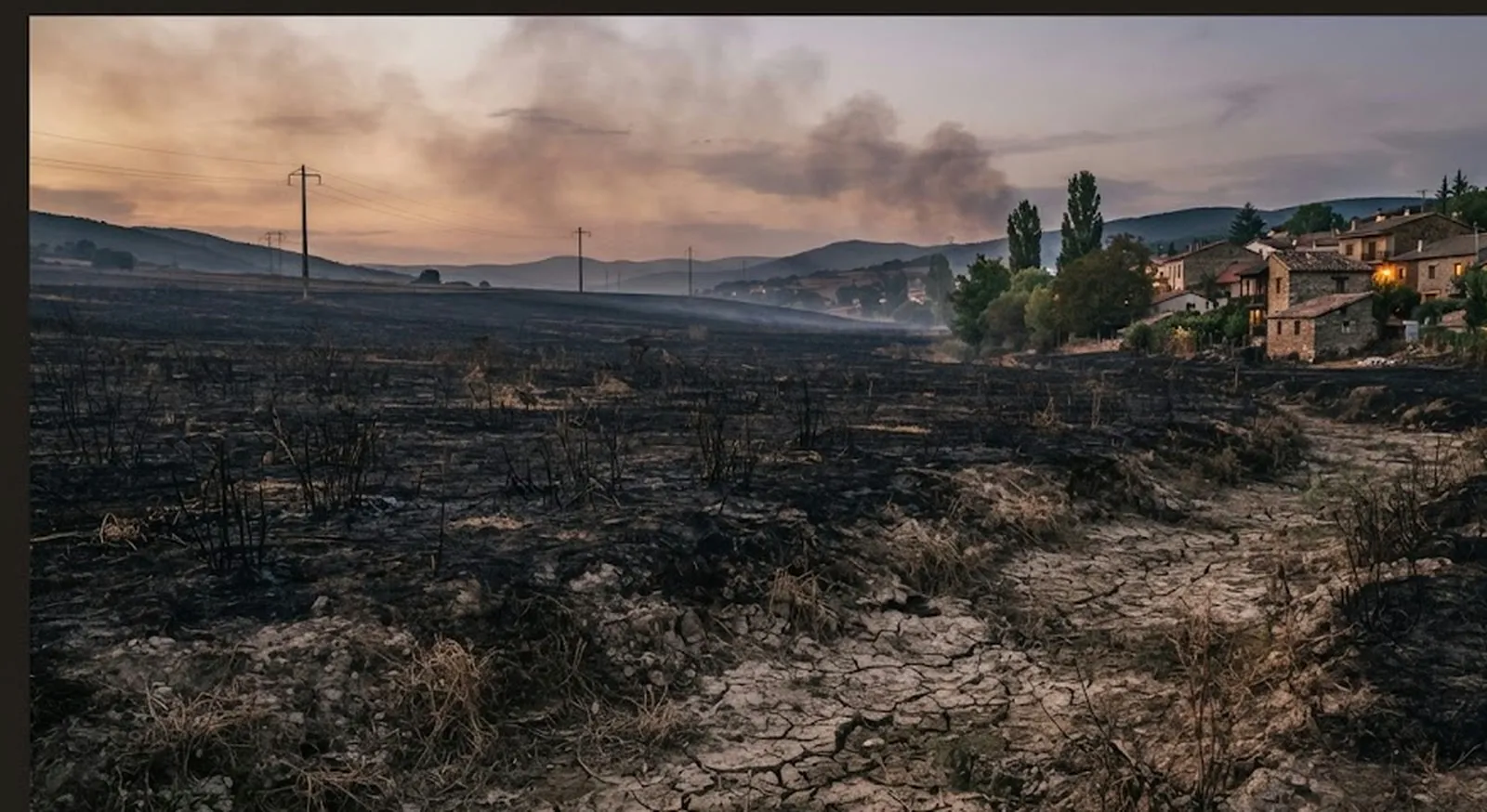
Fifty-two fires in one day stopped by villagers, a crisis closed with a glass of water in front of the...

Not one of these things required anybody to break a law this week. The tests existed, the votes were counted,...
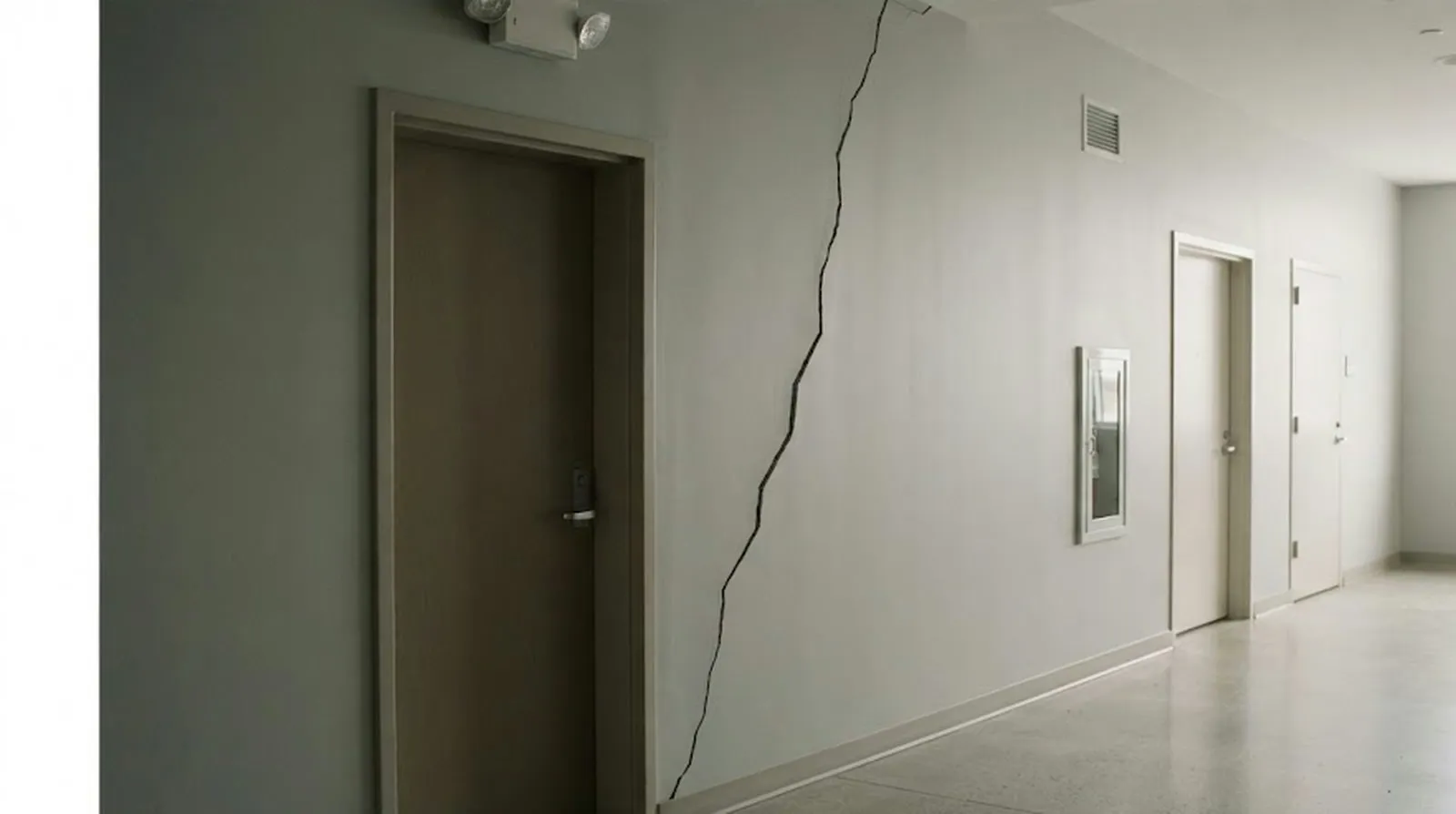
Gostivar residents sick from Vardar water in the mains, Bitola under water again, diesel going up just as the neighbours...
This site uses cookies - is that okay? Learn more
Be the first to know when Metla launches something new
Leave your email and we will write when there is a new guide or something new on Metla.