


State Lottery: Two Arrests Over an 80-Million-Denar Embezzlement, While the Star Witness in Court Changed His Story
06.10.2026


06.10.2026

06.10.2026

06.10.2026

06.10.2026
06.10.2026

06.10.2026

06.10.2026

06.10.2026

05.10.2026

06.10.2026

06.10.2026

05.10.2026

06.10.2026

06.10.2026

06.10.2026

06.10.2026

05.10.2026

04.10.2026

06.10.2026

06.10.2026

06.10.2026

06.10.2026

06.10.2026

05.10.2026

09.03.2026

27.02.2026

19.02.2026

06.10.2026

05.10.2026

04.10.2026
06.10.2026
05.10.2026

04.10.2026

23.04.2026

23.04.2026

12.04.2026


In Aden, Yemen's temporary capital, a local TV anchor took off his tie live on air and announced that journalists would no longer wear formal suits. The situation, he said, demanded that formalities be dropped, because the country was entering open war. One gesture in front of the camera said more than every diplomatic statement of the past four years.
The trigger was Yemeni President Rashad al-Alimi's decision to declare a general military operation against the Houthi rebels. The goal, in the official wording, is to liberate the entire territory and restore state authority. A state of war and general mobilisation have been declared, and the armed forces and all state institutions have been placed on full alert.
Taiz encircled
The spark was Al-Safiya. The rebels seized that key district, took over the police station and cut the main road linking besieged Taiz to Aden. With that, Taiz is completely surrounded. In the last 24 hours alone, more than 70 people were killed in fierce fighting around the city.
Then came the numbers, and this is where it pays to read carefully. Yemeni armed forces spokesman Colonel Majid Abdullah al-Nazili claims government units carried out 257 precision strikes and that at least 700 rebels were killed. That is a figure the army is giving for its own offensive - nobody independent has counted the dead. The Saudi-led military coalition said it carried out 97 air and artillery strikes on Houthi reinforcements on the fronts near Tor al-Baha and Taiz, and air strikes were also reported in the northern provinces of Al-Jawf and Saada, as well as in the capital Sanaa.
The Houthis responded with a statement of their own. Their spokesman Yahya Saree announced that the rebels had fired ballistic missiles and drones at Saudi Aramco facilities in Riyadh and the Khurais area. Riyadh has not yet officially confirmed this. In war, the first casualty is verifiability - each side counts only its own victories.
How the truce died in instalments
The new escalation marks the end of the relative truce that had held since 2022. It didn't die overnight. Fighting flared up again in July, after the Houthis allowed an Iranian plane to land in Sanaa. September brought the game-changer: the rebels seized the Red Sea coast, the Bab el-Mandeb strait and the port of Mocha.
With that, the Houthis imposed a naval blockade on Saudi Arabia and closed off its alternative oil export routes. Riyadh had no choice but to go straight back into a war that has been running since 2014. The truce turned out to be a pause to reload, not a road to peace.
The Balkans know this scene by heart: a ceasefire everyone calls peace, while both sides prepare for the next round. When news anchors start dressing for war, the question is no longer whether, but for how long. How many more civilians will be trapped in Taiz before anyone sits down at a table?
The latest 10 news from this category
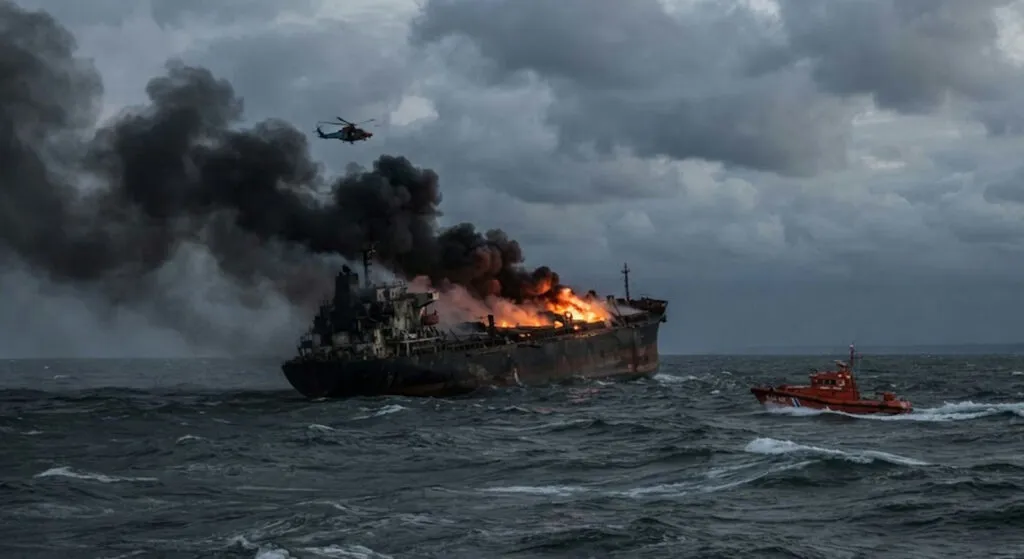
The ship left a Ukrainian port bound for Ravenna and ended up on the seabed 37 kilometres off the Romanian...
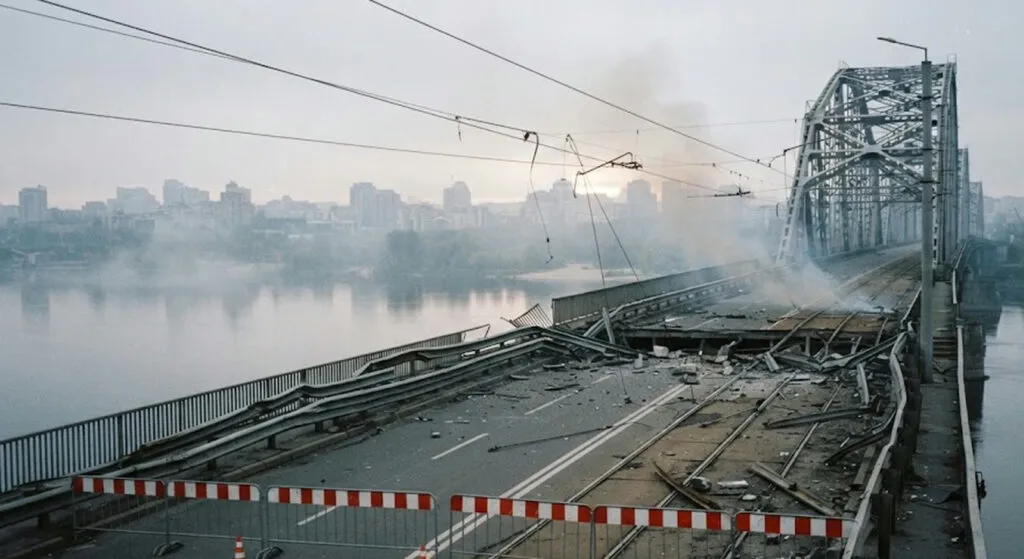
The bridges over the Dnipro don't have to fall for the city to grind to a halt - it's enough...
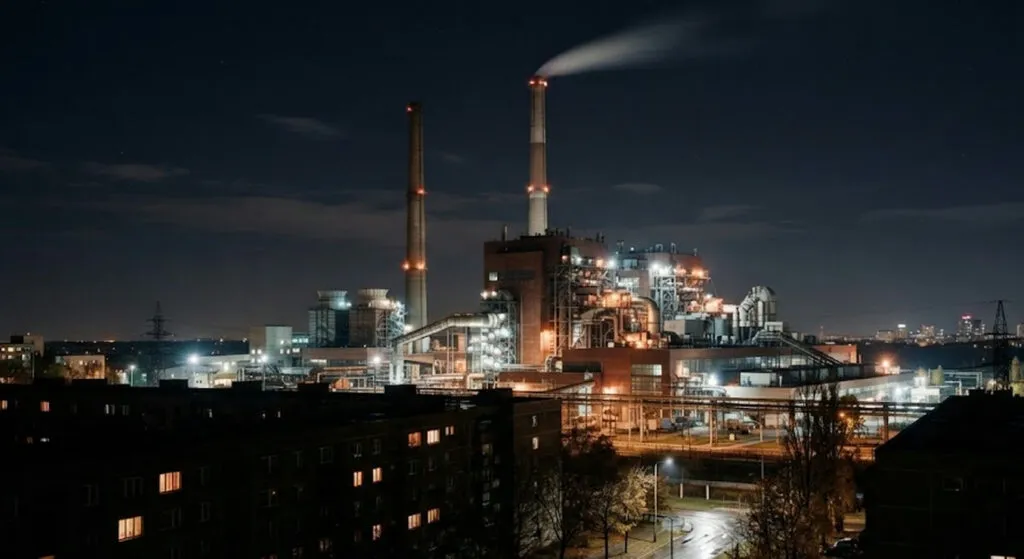
Kyiv confirms a fire but not a hit on the power plant. Strikes on electricity and heating before winter -...

Kyiv asked a UN agency to keep Russia's Rassvet network from covering Ukrainian skies. Medvedev read that as an attack...
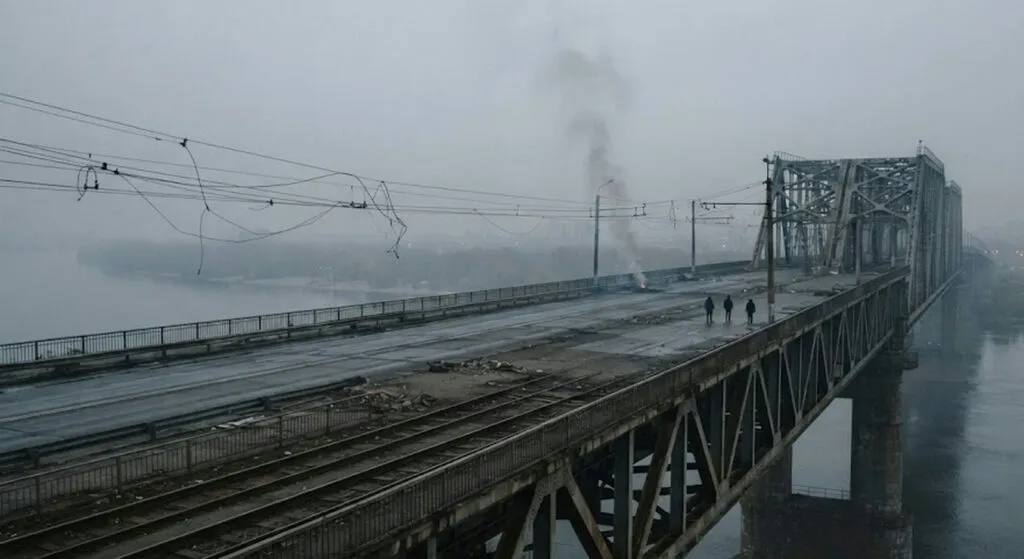
Two key bridges over the Dnipro hit in three days, a full metro train saved at the last second. Moscow...
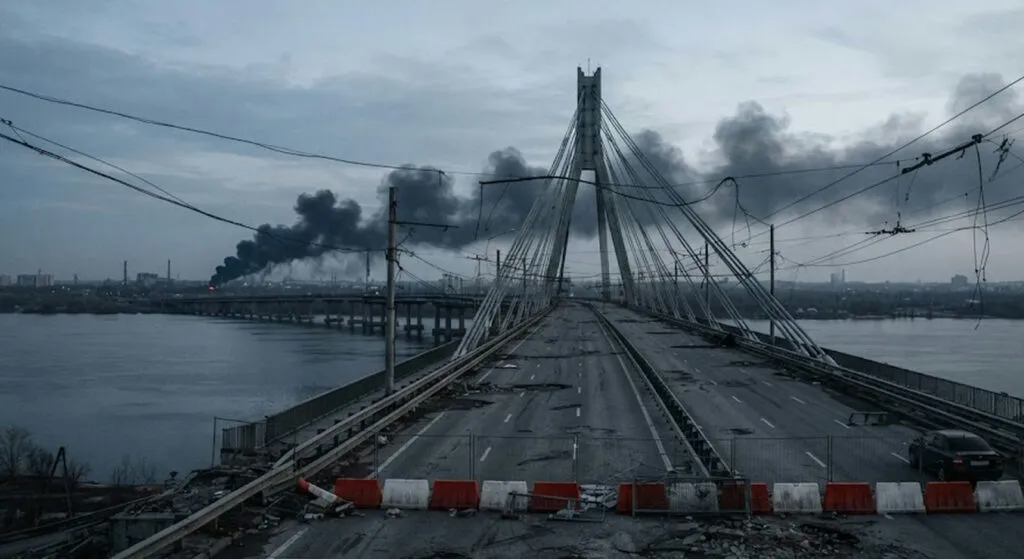
The South Bridge closed, the North Bridge hit, and residents commuting for up to three hours. When war reaches the...
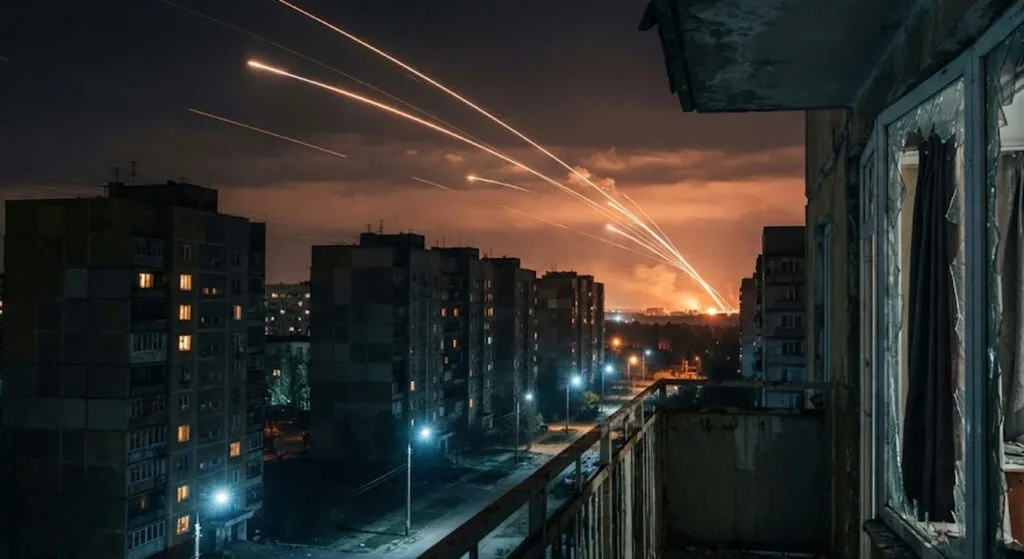
The figures come from the Russian Defence Ministry and should be read with caution. But the shattered windows from Kaluga...
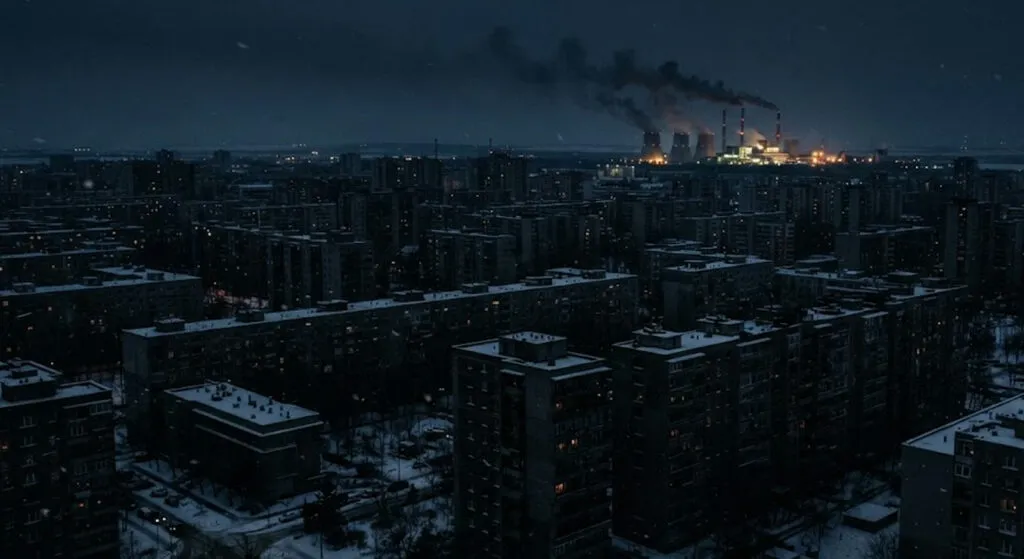
An intercepted document from August describes three phases of strikes: first the links to Europe, then the hydropower plants, finally...
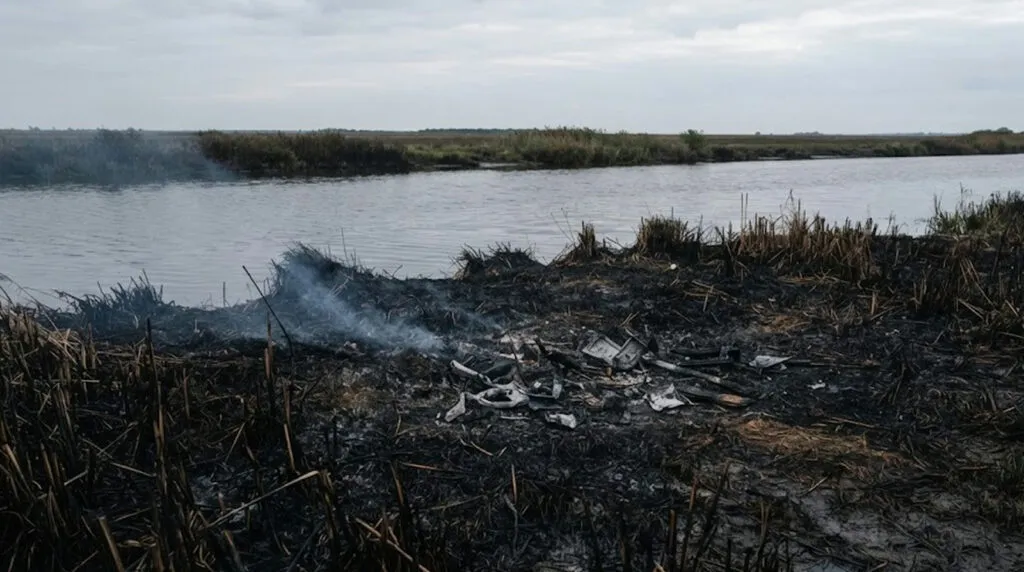
The object is on Romanian soil and the fire is out, but there's no flight path showing how it got...
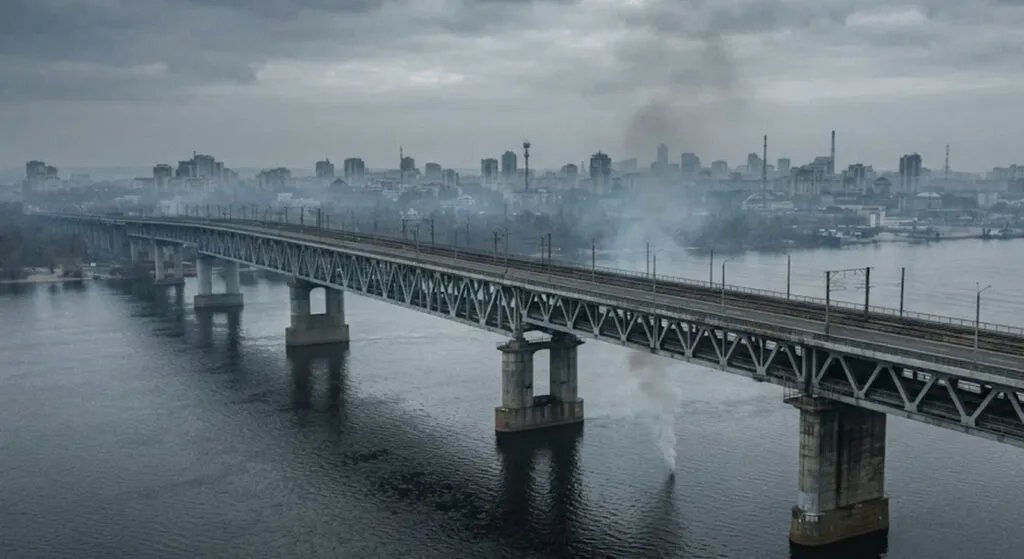
One of the strikes landed while a metro train was crossing the bridge. The Balkans know all too well what...
This site uses cookies - is that okay? Learn more
Be the first to know when Metla launches something new
Leave your email and we will write when there is a new guide or something new on Metla.