


State Lottery: Two Arrests Over an 80-Million-Denar Embezzlement, While the Star Witness in Court Changed His Story
06.10.2026


06.10.2026

06.10.2026

06.10.2026
06.10.2026

06.10.2026
06.10.2026

06.10.2026

06.10.2026

05.10.2026

06.10.2026

06.10.2026

05.10.2026

06.10.2026

06.10.2026

06.10.2026

06.10.2026

05.10.2026

04.10.2026

06.10.2026

06.10.2026

06.10.2026

06.10.2026

06.10.2026

05.10.2026

09.03.2026

27.02.2026

19.02.2026

06.10.2026

05.10.2026

04.10.2026
06.10.2026
05.10.2026

04.10.2026

23.04.2026

23.04.2026

12.04.2026


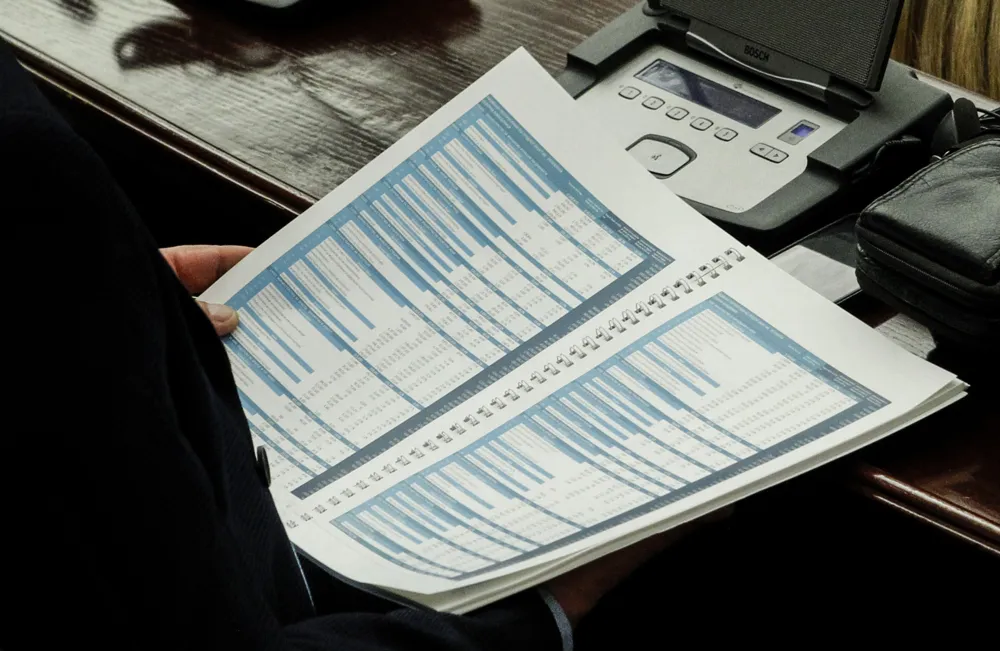
The pension system is under structural fiscal pressure, and without reform the hole will only get deeper. That is the conclusion of an analysis prepared by the Finance Think institute, commissioned by the Fiscal Council. The deficit, which stood at 5.2 percent of GDP in 2025, would rise to 6.3 percent in 2030 and peak at around 6.6 percent in 2035-2037.
Today's burden is already heavy. The deficit for pensions, second-pillar costs and health insurance reached 54.4 billion denars in 2025. That means around 41 percent of the Fund's resources are covered from the budget, up from 36 percent in 2023. Fund director Nikola Memov says this year's deficit is 64 billion denars, 10 billion more than last year, and that 500 million euros are missing to pay out pensions.
The causes are no mystery. The contribution rate was cut for years, while pensions were raised again and again outside the legal formula - through flat across-the-board increases and through indexation that factors in wages, not just inflation. "This is not a demographic effect, but the result of indexation and linear pension increases," the Fiscal Council says. Since 2023, pension spending has been growing considerably faster than contribution revenue.
Demographics and the grey economy do the rest. The number of contributors per pensioner was at its best around 2016, at 1.85, and has been falling since. In 2038-2048, when transition costs peak, it will drop below 1.3, and by the mid-2040s there will be fewer contributors than pensioners.
The recommendation is a combined package: gradually raising the contribution to 20 percent, indexing pensions to inflation only, shrinking the grey economy and getting more women into the labour market. According to the analysis, such a package could save up to 5.5 billion euros over the next decade. Memov agrees the contribution should rise, but gradually.
There is one figure that rarely gets said out loud. Without reform, the ratio of the average pension to the average net wage falls from 59 to 35 percent by 2050. In the long run the deficit appears to shrink - but only because pensions fall further and further behind wages. Will any party dare tell voters that before the next election, or will a flat pension hike once again make a better campaign than reform?
The latest 10 news from this category
Cheap fuel has a price, and now it is landing in the budget. Mickoski did not say where the cuts...
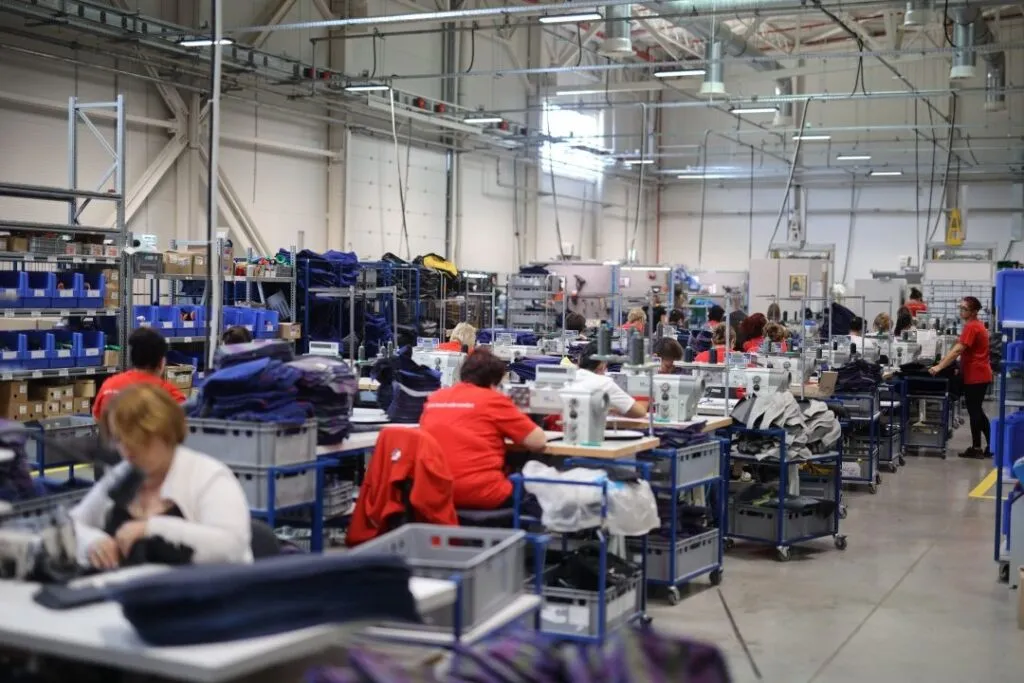
The proposal would indirectly cut the number of days off to 13. An analysis of how much companies actually lose...

Brussels forced OpenAI to release a watermark the company had ready back in 2024. Macedonia isn't in the EU, so...
Andreessen Horowitz is leading the round, and the box promises your data stays with you alone and that it will...

54 million Americans say they bought something after seeing a TikTok video. Now the platform wants zero pause for thought...

The prime minister says excise duties alone will leave around five billion denars missing, and with the reduced VAT on...

District heating prices from 1 August were calculated with gas at around 40 euros per megawatt-hour, and today it costs...
The Finance Ministry is celebrating the confirmed rating. The agency's report, however, also spells out what the highways driving that...

By executive order, artificial intelligence became "superintelligence", and the safety pledge tech companies signed at the White House binds no...

A nine-metre catamaran, a motor the company builds itself and off-the-shelf batteries. Hydrofoils have been around for more than a...
This site uses cookies - is that okay? Learn more
Be the first to know when Metla launches something new
Leave your email and we will write when there is a new guide or something new on Metla.