
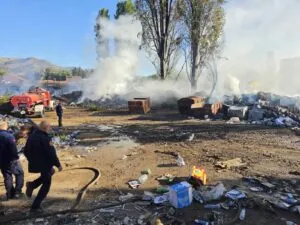
Fire by the railway in Prilep: residents watched black smoke over textile waste, "Komunalec" says - a small part, no danger
04.10.2026


04.10.2026
04.10.2026

04.10.2026

04.10.2026

04.10.2026

04.10.2026

04.10.2026

03.10.2026

02.10.2026

04.10.2026

04.10.2026

03.10.2026

04.10.2026

04.10.2026

04.10.2026
04.10.2026

03.10.2026

02.10.2026

04.10.2026

04.10.2026

04.10.2026

04.10.2026

04.10.2026
03.10.2026

09.03.2026

27.02.2026

19.02.2026
04.10.2026

03.10.2026

02.10.2026
02.10.2026
22.08.2026

20.08.2026

23.04.2026

23.04.2026

12.04.2026

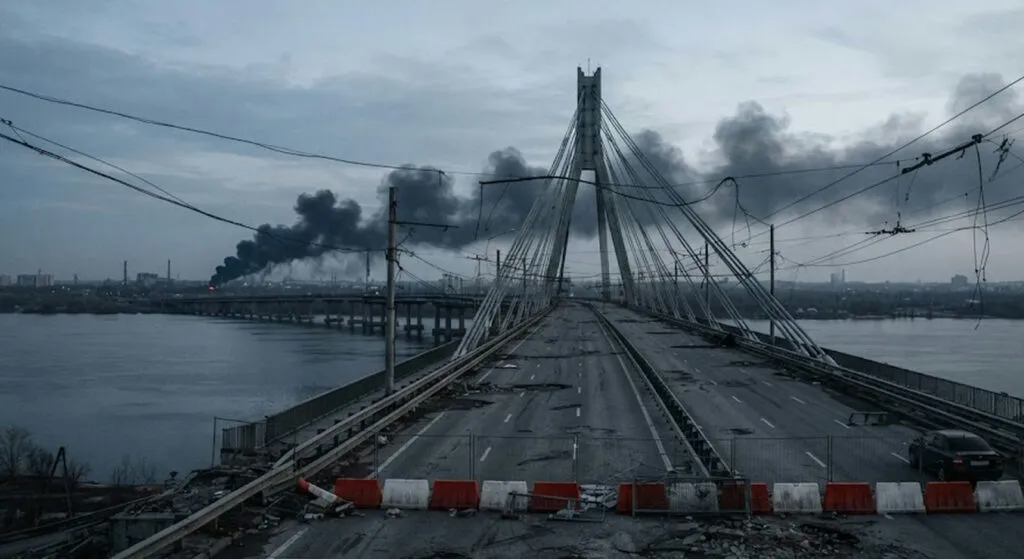
For the third day in a row, Russian strikes are finding the bridges over the Dnipro in Kyiv. On the morning of October 3 it was the North Bridge's turn: the carriageway and the overhead lines for trolleybuses were damaged, and traffic from the left to the right bank was temporarily halted. Mayor Vitali Klitschko confirmed the hit. There is no information so far on dead or injured.
Before it, the South Bridge went down, one of the city's main arteries. It was hit several times in less than two days and is now completely closed, and restrictions have been introduced on the other crossings. In the first attack a drone exploded by the load-bearing structure just as a metro train was crossing the bridge. The passengers were not injured, but dust from the explosion got into the carriages, and the metro stopped.
Half the city on the wrong bank
Why are the bridges such a sore point? More than a third of Kyiv's residents live on the left bank, while a large share of institutions, business centres and jobs are on the right. Every closure of a few minutes creates queues. Residents told reporters they had spent up to three hours getting to work, and some people leave the buses and carry on on foot.
Moscow claims it is hitting infrastructure that the Ukrainian army also uses for logistics. Kyiv replies that the consequences are felt directly by hundreds of thousands of people who have to cross the Dnipro every day. Both claims can be true at the same time, and that is the cynicism of this kind of war: the same bridge is both a military route and the road to school.
According to Ukrainian sources, the latest attacks use new jet-powered versions of the "Geran", considerably faster than the older piston-engine drones. The exact model for each strike has not been officially confirmed. What is confirmed is the date: until October 1 Kyiv's main bridges were not systematically a direct target. Since then they are.
A fire in medicine warehouses, a plan B in the embassies
While the city struggled with traffic, a column of black smoke rose north-west of Kyiv. In Hostomel, after a Russian attack, a big fire broke out in the warehouses of "Venta LTD", a pharmaceutical distributor that supplies the Kyiv region and works with more than 450 drug suppliers, including Bayer, Pfizer, Sanofi and Teva. At least two people were injured: a 66-year-old man with burns and an abdominal injury and an eight-year-old girl wounded in the leg by shrapnel. How much medicine burned, nobody is saying for now.
At the same time, two senior Western diplomats told Britain's Guardian that fallback scenarios are being prepared behind closed doors: if Russia starts deliberately targeting foreign missions, embassies would move to Lviv or even to eastern Poland. "The situation is obviously deteriorating very quickly," one of them said. For now no Western embassy is leaving Kyiv. But when diplomats start measuring the distance to Lviv, that is a message Kyiv is certainly reading.
The Balkans know what a city without bridges looks like. Novi Sad lost its bridges over the Danube in 1999, and rebuilding took years. Kyiv still has alternative crossings for now, but every new hit narrows them. How many mornings of walking three hours to work can a city of three million people endure?
The latest 10 news from this category
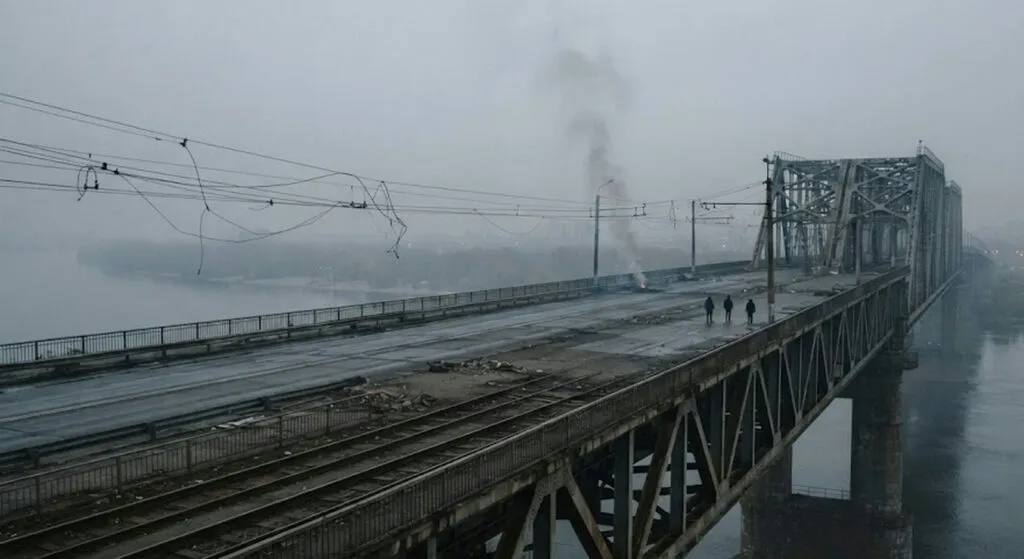
Two key bridges over the Dnipro hit in three days, a full metro train saved at the last second. Moscow...
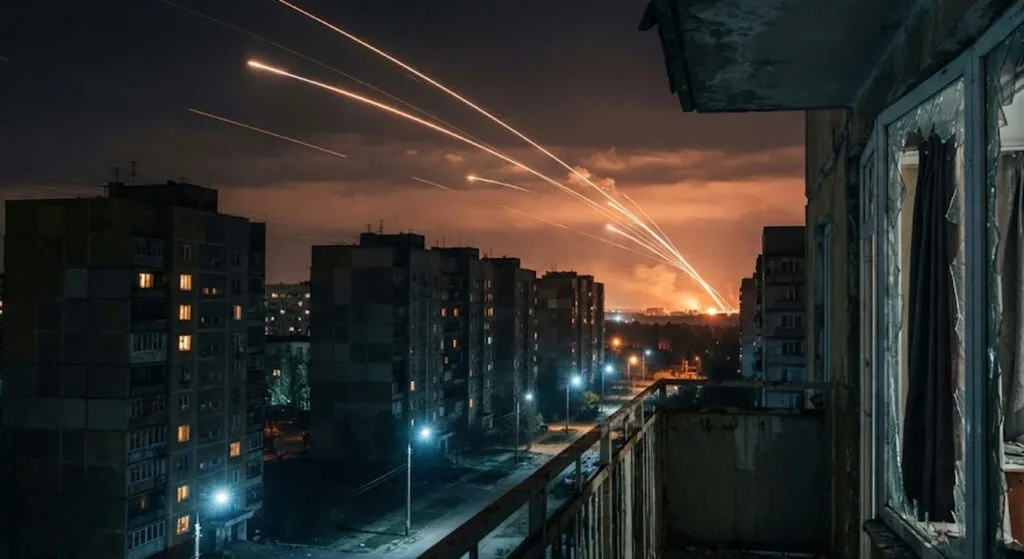
The figures come from the Russian Defence Ministry and should be read with caution. But the shattered windows from Kaluga...
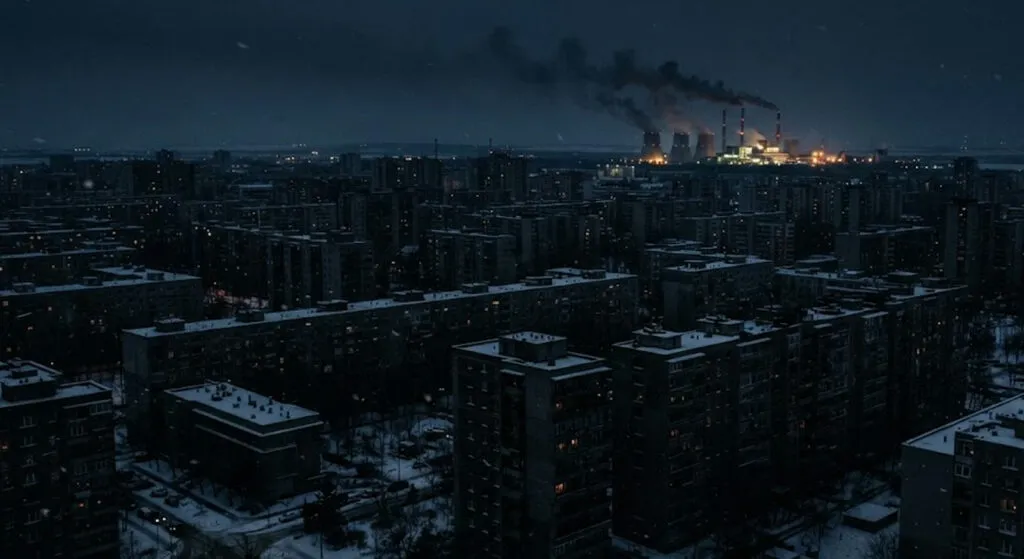
An intercepted document from August describes three phases of strikes: first the links to Europe, then the hydropower plants, finally...
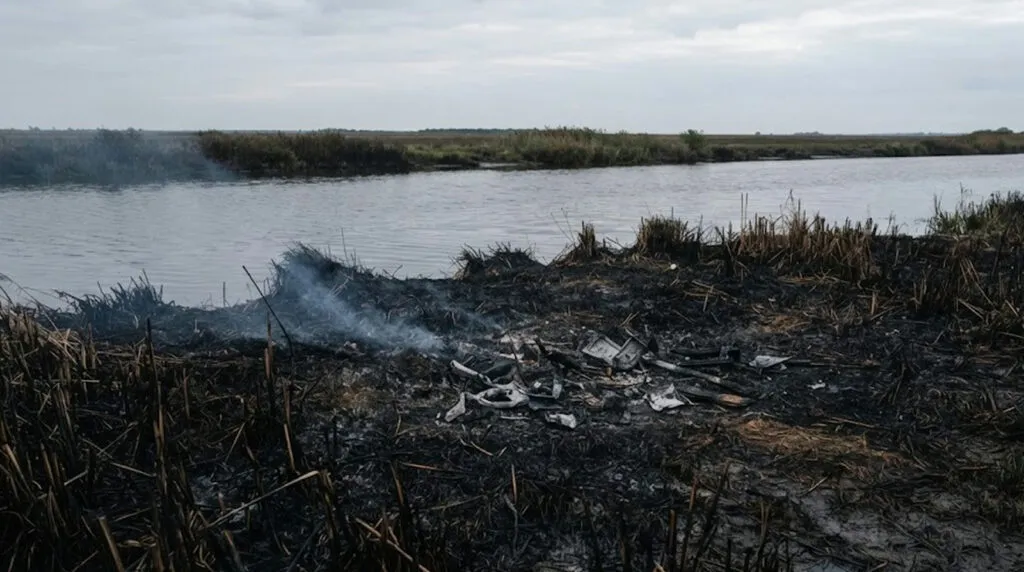
The object is on Romanian soil and the fire is out, but there's no flight path showing how it got...
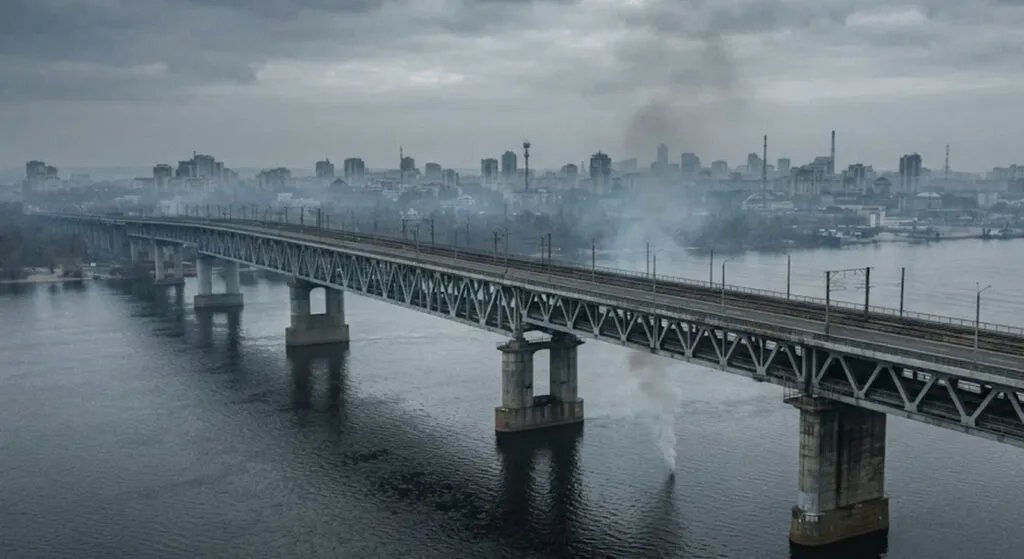
One of the strikes landed while a metro train was crossing the bridge. The Balkans know all too well what...

More than 1,600 drone attacks on Moscow during the Duma elections, says Putin, and that's why talks stalled. The conditions...
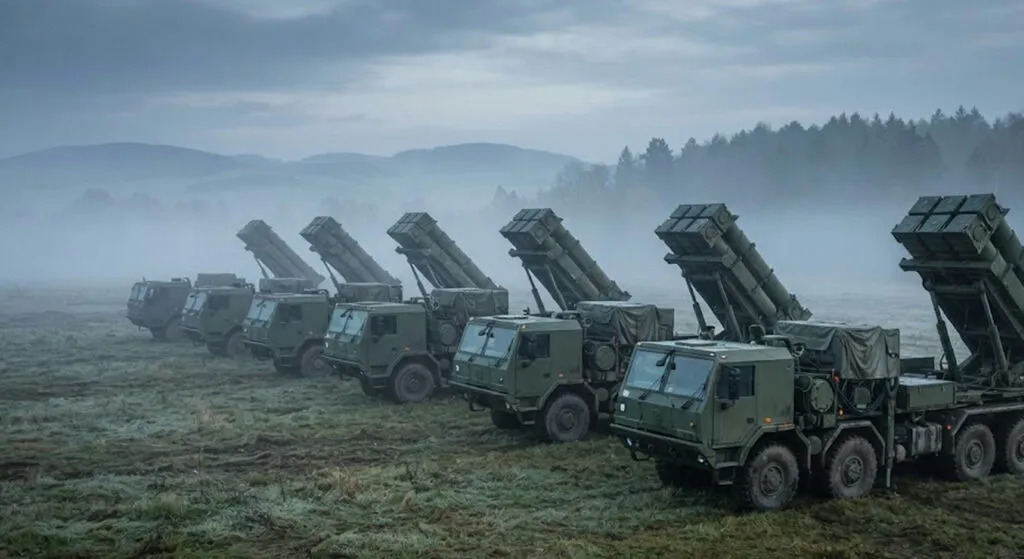
Poland has only announced it might produce Patriot missiles for Ukraine, and Moscow has already told it that a factory...
An informal document, sent via the embassy in Brussels, carrying the heaviest message possible. NATO condemns "irresponsible nuclear rhetoric" -...
First a "transport plane," then a strategic bomber from the nuclear triad - the version changed fast. Six dead, and...
The Russian embassy in London openly raised nuclear weapons as the answer to any attempt to blockade Kaliningrad. The Balkans...
This site uses cookies - is that okay? Learn more
Be the first to know when Metla launches something new
Leave your email and we will write when there is a new guide or something new on Metla.