

Fire by the railway in Prilep: residents watched black smoke over textile waste, "Komunalec" says - a small part, no danger
04.10.2026


04.10.2026
04.10.2026

04.10.2026

04.10.2026

04.10.2026

04.10.2026

04.10.2026

03.10.2026

02.10.2026

04.10.2026

04.10.2026

03.10.2026

04.10.2026

04.10.2026

04.10.2026

04.10.2026

03.10.2026

02.10.2026

04.10.2026

04.10.2026

04.10.2026

04.10.2026

04.10.2026
03.10.2026

09.03.2026

27.02.2026

19.02.2026
04.10.2026

03.10.2026

02.10.2026
02.10.2026
22.08.2026

20.08.2026

23.04.2026

23.04.2026

12.04.2026

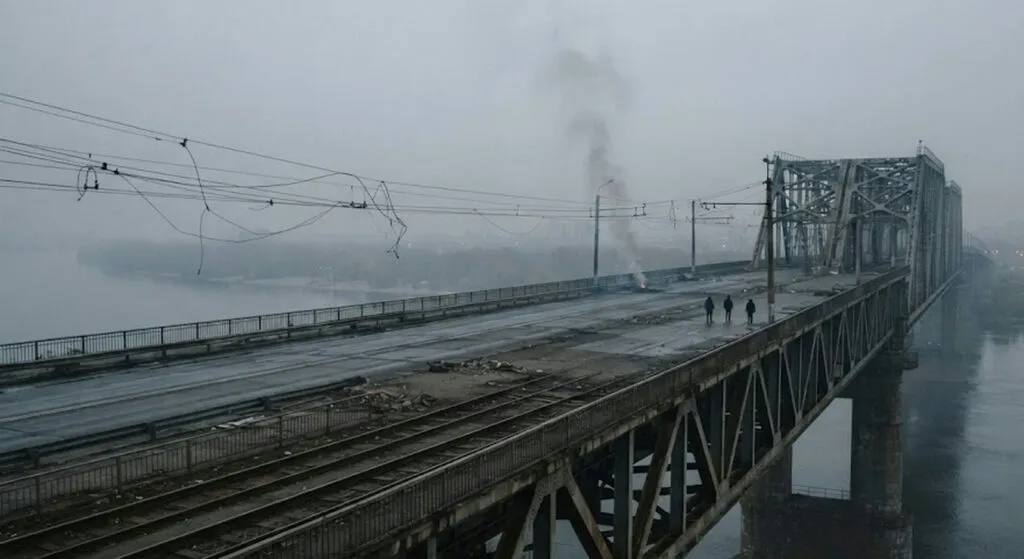
Since the start of the invasion in 2022, the big bridges over the Dnipro in Kyiv had stood untouched. This week that ended. Since Thursday Russian drones have repeatedly hit the South Bridge, and on Saturday morning it was the North Bridge's turn. Mayor Vitali Klitschko confirmed that on the North Bridge the carriageway and the overhead lines for trolleybuses were damaged, and traffic from the left to the right bank was stopped.
That was already the fourth strike on Kyiv's bridges in just two days. The South Bridge is no ordinary crossing: on two levels it carries a motorway and the metro's green line, plus a high-pressure gas pipeline and main power cables. When a Russian jet drone exploded as a full metro train was crossing the bridge, a tragedy was avoided only because the driver spotted the drone, sped up the train and got the passengers out a second before the detonation. Dust from the blast wave still got into the carriages through the ventilation.
Why bridges, if they can't bring them down?
Aviation expert and former Antonov engineer Kostiantyn Kryvolap is clear: bringing down a bridge like this with a 50-kilogram explosive charge is practically impossible. "For a bridge of this size, such strikes are like a mosquito bite," he says. But the target, according to him, isn't the concrete. The target is logistics, movement and people's nerves.
A bridge doesn't have to fall for a city to stop. One piece of damage to a combined crossing is enough, and suddenly the road, the metro and the utilities all disappear. Everyone saw the result: Kyivans crossing the Dnipro on foot while drones fly overhead. The Balkans know this picture - Novi Sad lost its bridges over the Danube in 1999.
The timing is not accidental. Just a few days before the strikes, Kyiv said intelligence had obtained detailed Russian plans for winter attacks on critical infrastructure - electricity, heating, water, sewage, and even the interconnectors through which Ukraine imports electricity from Europe. Kyiv has so far built more than 200 protective structures around energy facilities. The strikes on the bridges show that Moscow is expanding the list of everything that allows citizens a normal life.
In the same days, a "Geran-4" drone hit School No. 12 in Kyiv's Solomianskyi district, at a moment when more than 100 pupils and 60 teachers were inside. All of them were already in the shelter. The 50-kilogram warhead pierced the floor between the second and third storeys and fell onto the stairs - without exploding. Since the start of the invasion, 334 educational institutions in Kyiv have been damaged, 165 of them schools.
Moscow threatens the diplomats too
The Russian Foreign Ministry again urged foreign nationals, including diplomatic staff, not to stay in Ukraine or travel there. Those who ignore the warning, it said, will bear full responsibility for "possible undesirable consequences". "The Russian armed forces will continue to carry out massive retaliatory strikes," the statement says. Vladimir Putin presents the strikes as a response to Ukrainian attacks on Russian refineries, even though Moscow was the first to start destroying the energy grid.
An unnamed senior diplomat said fallback plans are being prepared under which embassies, if necessary, would move to Lviv or to eastern Poland - but only if Russia starts deliberately targeting foreign missions. The Ukrainian Foreign Ministry says it has received no notification of any relocation.
This is not an abstract topic for Skopje either. In a Russian missile attack on Kyiv in December 2024, the embassies of Albania, Argentina, Palestine, Macedonia, Portugal and Montenegro were damaged. In May this year the Albanian ambassador's residence was also damaged. When Moscow says some people are "knowingly exposing themselves to mortal danger", who exactly is it talking to?
Klitschko said it without embellishment: "We can no longer pretend we live as in peacetime. The enemy is destroying Kyiv." The city faces a dangerous combination - an acute shortage of Patriot interceptors for ballistic missiles and a new generation of faster Russian jet-powered drones that are harder to shoot down. New interceptor drones are already in use, but protection on a scale that would mean something for the capital may take weeks or months. Winter won't wait that long.
The latest 10 news from this category
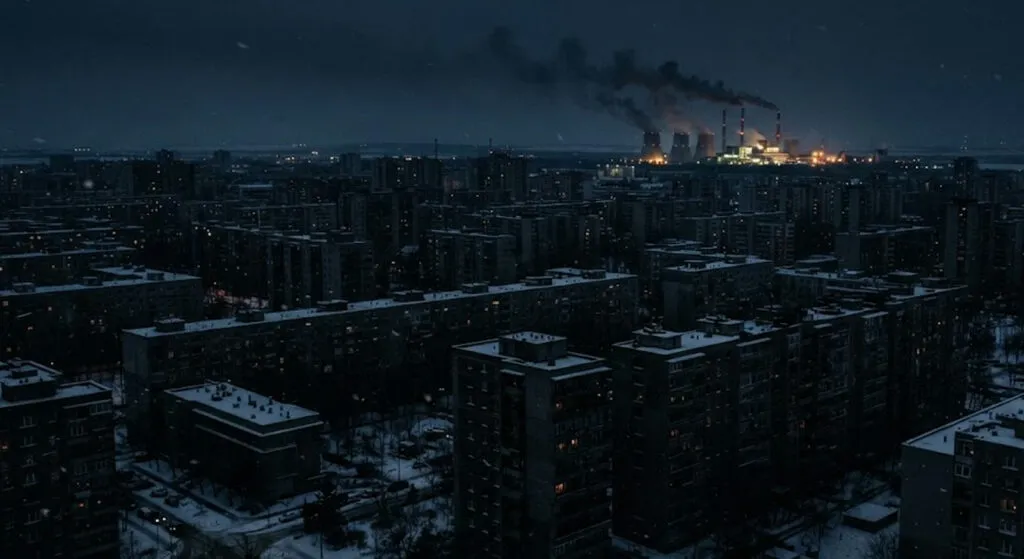
An intercepted document from August describes three phases of strikes: first the links to Europe, then the hydropower plants, finally...
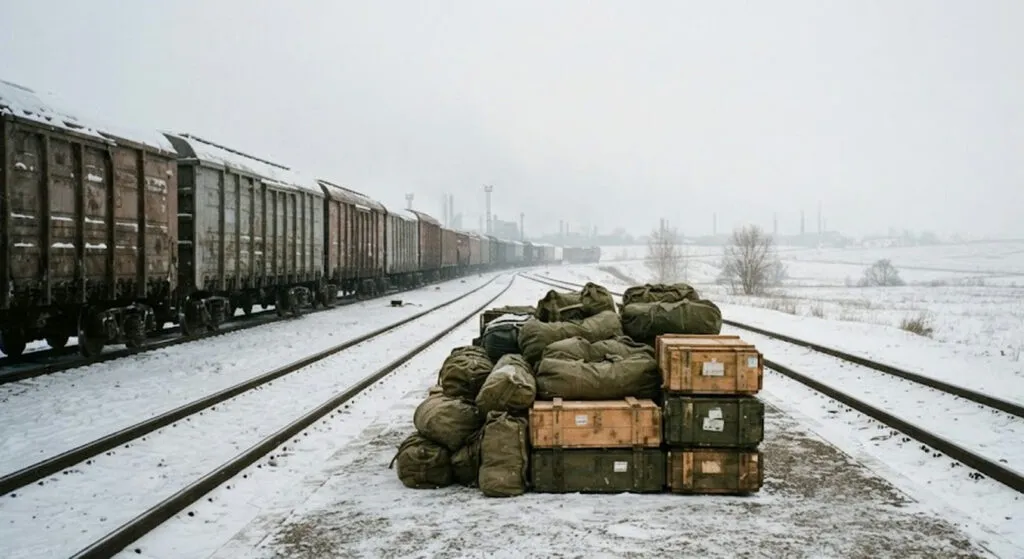
While Kyiv and Seoul argue over two prisoners, Pyongyang is picking thousands more soldiers for training and deployment to Russia....
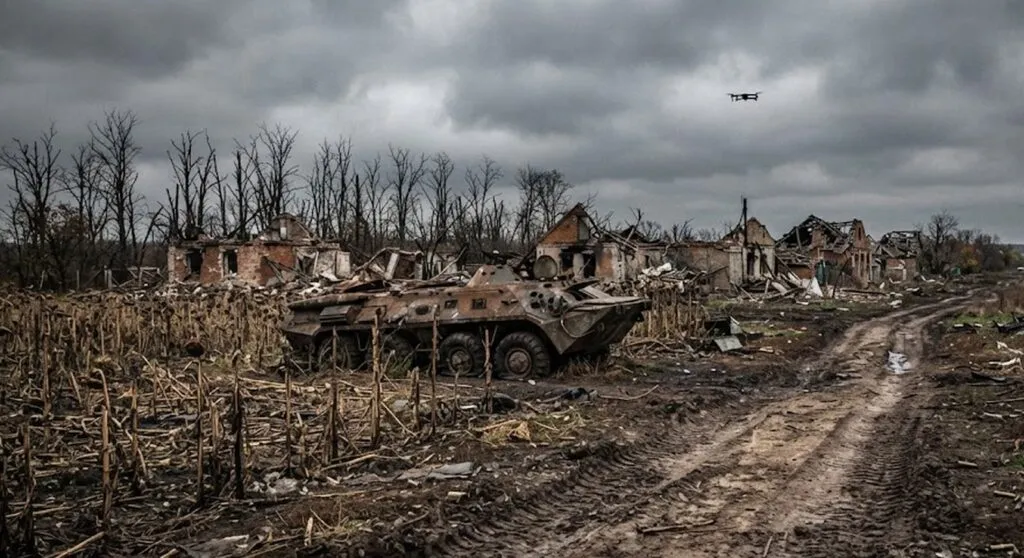
The offensive, fought almost entirely under an information blackout, has liberated three more villages and 51 square kilometres. The general...
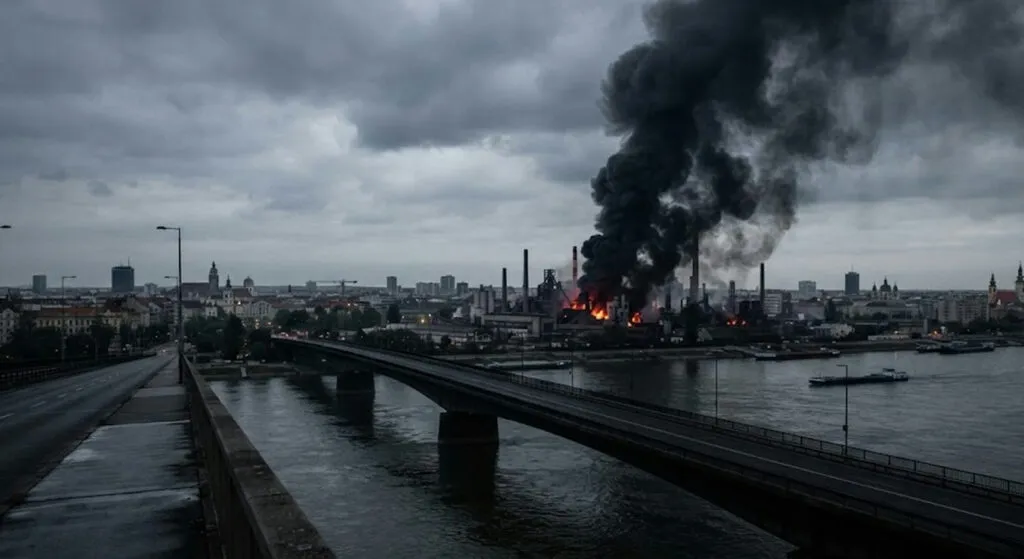
More than half the drones were jet-powered, and the fastest thing in the sky was an unconfirmed report of a...
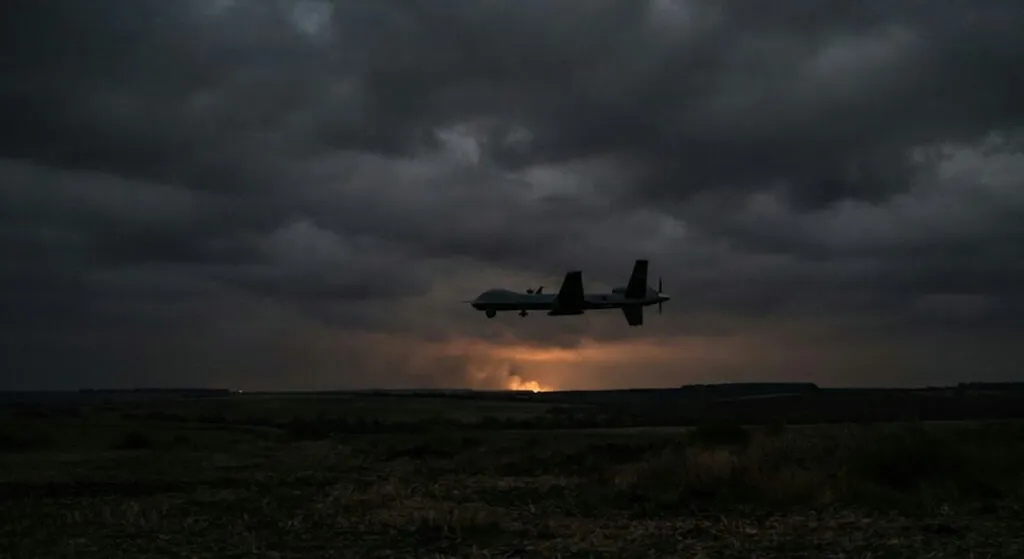
Ukrainian programmers and gamers are flying drones that strike up to 2,900 kilometres deep inside Russia. Moscow hits back with...
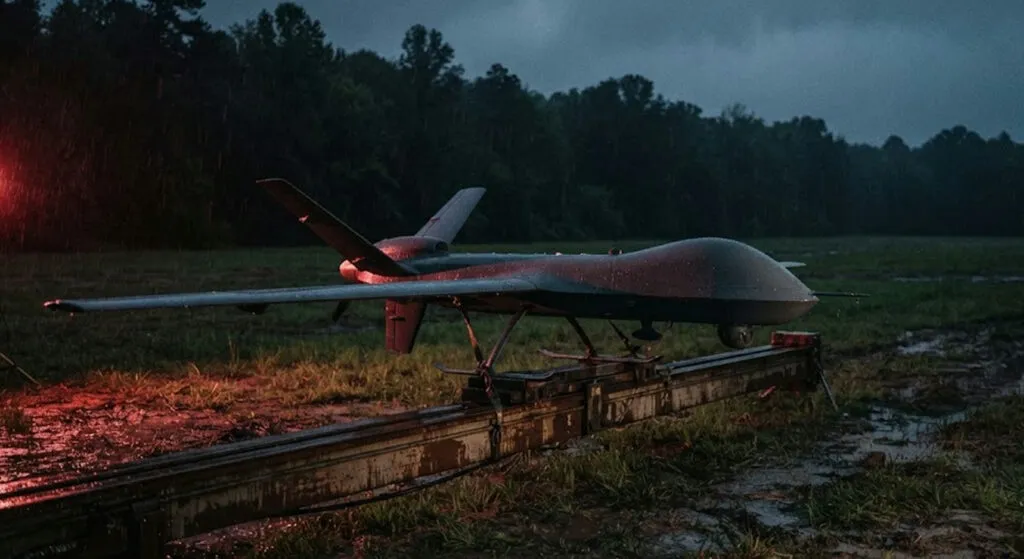
Ukrainian drones are hitting refineries hundreds of kilometres deep inside Russia, while Russia's jet-powered "Shaheds" are already breaking through Ukraine's...
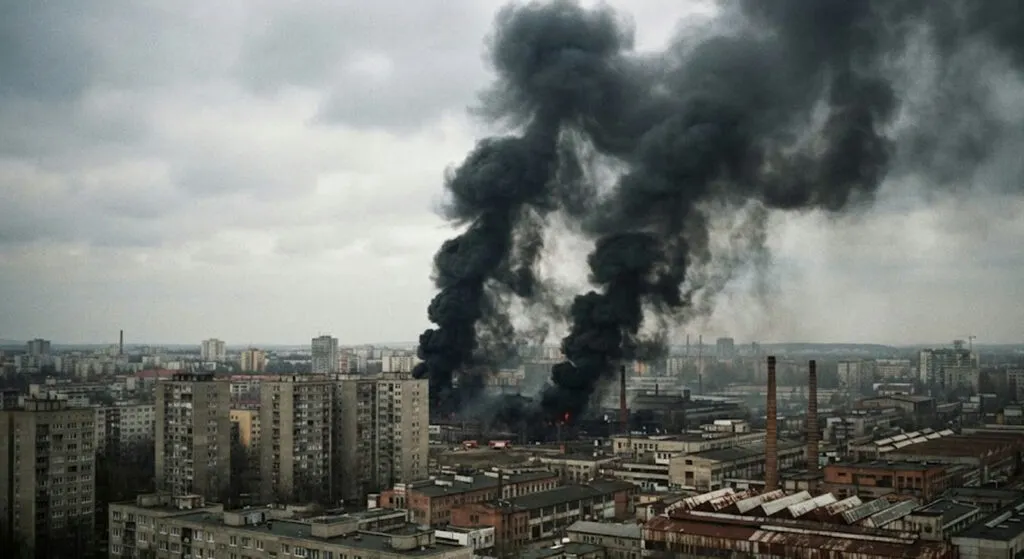
One dead, eight injured, two major providers offline and the city railway halted. The Balkans knows what a city preparing...
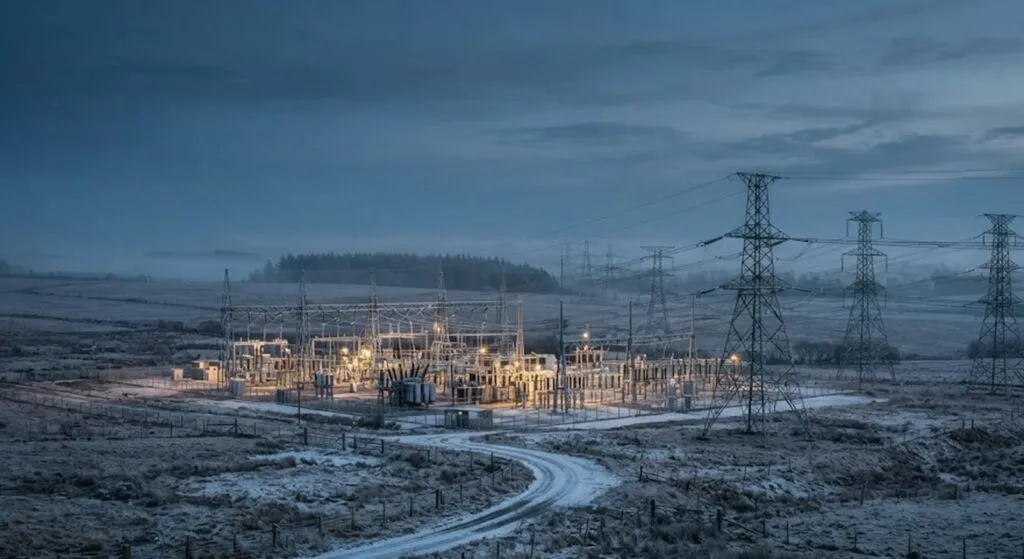
The offer is deliberately narrow - energy only, with a deadline before winter. When a power line goes down in...
A Russian commander promised to cut the Kharkiv encirclement "like a pie". Every number comes from the camp running the...
Missiles and drones on the Ukrainian capital, damaged water mains and residential buildings. The same night, Ukrainian drones set the...
This site uses cookies - is that okay? Learn more
Be the first to know when Metla launches something new
Leave your email and we will write when there is a new guide or something new on Metla.