


Jotova to Mickoski: Talks "Without Ultimatums" - but First Skopje Must Forget the Issue Is Bilateral
05.10.2026


05.10.2026

05.10.2026
05.10.2026

05.10.2026

05.10.2026
05.10.2026

05.10.2026

05.10.2026

04.10.2026

05.10.2026

05.10.2026

04.10.2026

05.10.2026

05.10.2026

05.10.2026

05.10.2026

04.10.2026

03.10.2026

05.10.2026

05.10.2026

05.10.2026

05.10.2026

05.10.2026

05.10.2026

09.03.2026

27.02.2026

19.02.2026

05.10.2026

04.10.2026
04.10.2026
05.10.2026
04.10.2026

02.10.2026

23.04.2026

23.04.2026

12.04.2026

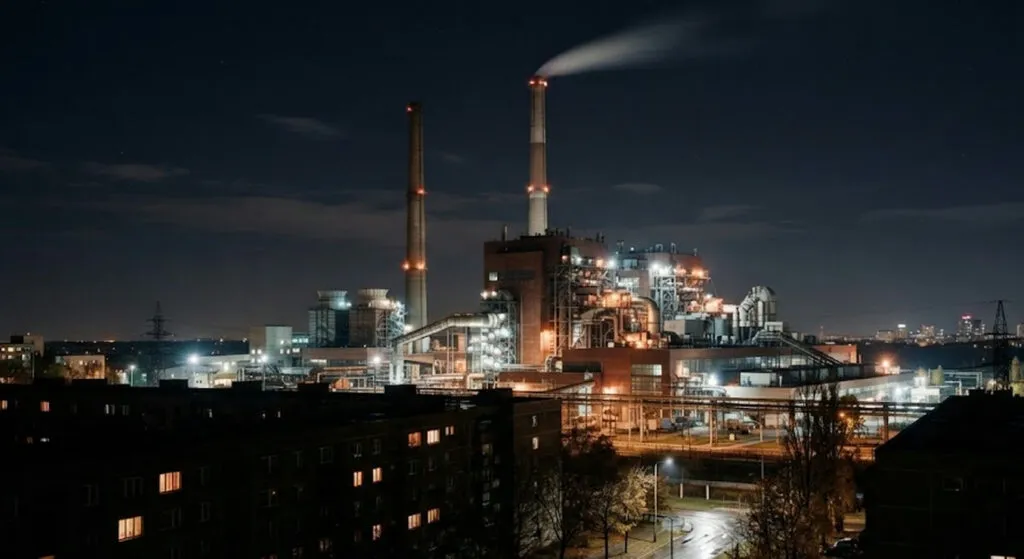
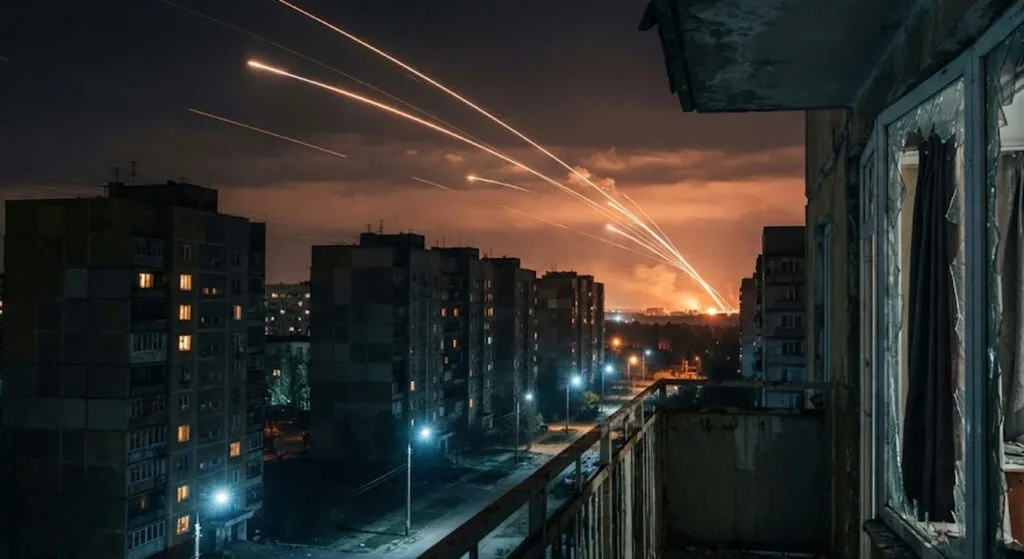
Kyiv has been through another long night. Air raid sirens went off several times, and explosions were heard from different parts of the city for almost two hours. The Russian channel SHOT claims more than 30 powerful detonations rang out and that Russian forces attacked in several waves with "Geran" drones.
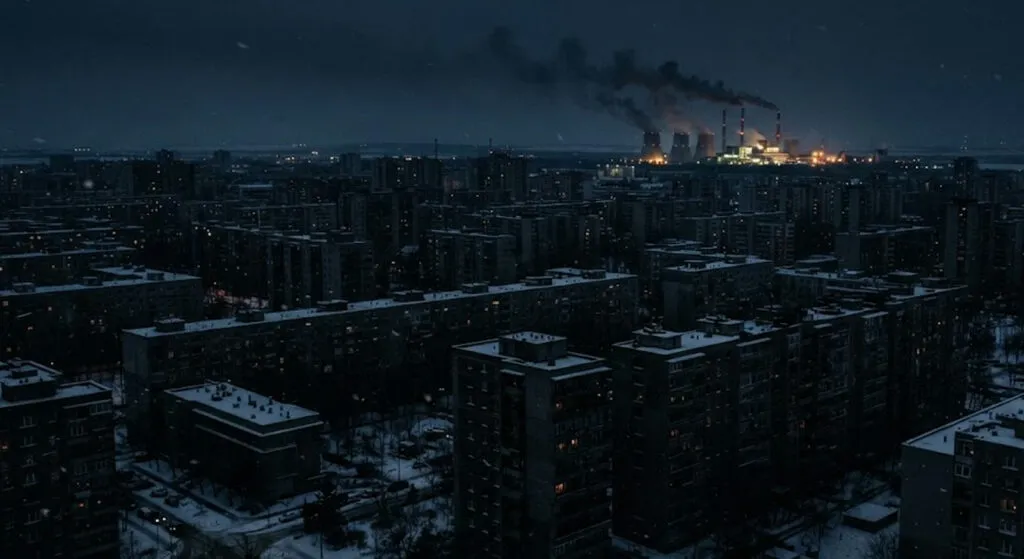
According to SHOT, one of the main targets was CHP-6 in the Desnianskyi district - one of the most important combined heat and power plants for the northern and eastern parts of the Ukrainian capital. Kyiv authorities officially confirmed a fire in the Desnianskyi district, but not that the plant itself was hit. The Kyiv military administration said the fire broke out at a non-residential building after drone debris fell. There is no confirmed information on casualties so far, nor a full damage assessment. Moscow speaks of a hit, Kyiv of falling drone debris - and the truth, as usual in this war, will only be known when people see whether the radiators are warm.
Why this particular plant? CHP-6 has an installed electrical capacity of around 500 megawatts and a thermal capacity of approximately 1,740 gigacalories per hour. It helps supply heat and electricity to large parts of Kyiv, including the Desnianskyi, Obolonskyi, Dniprovskyi and Podilskyi districts. Serious damage to the facility would have consequences far beyond the point of impact - especially now, before the heating season.
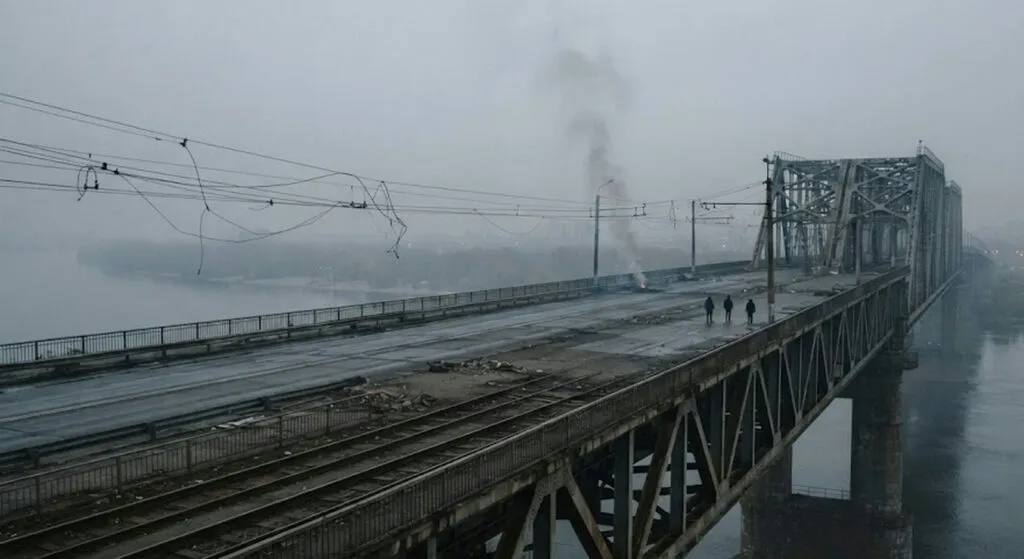
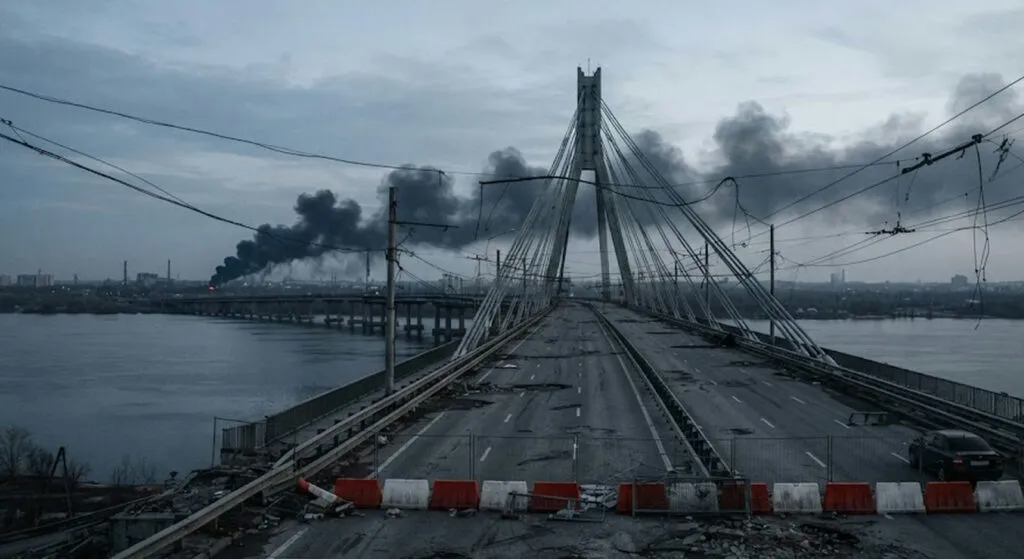
The attack doesn't come in isolation. In previous days the Southern and Northern bridges over the Dnipro were targeted, and several energy facilities in and around Kyiv have already been hit. Ukrainian energy expert Stanislav Ignatiev warned that Russia's aim may be to cut Kyiv's left bank off from the rest of the energy system - with strikes on power lines, substations and facilities producing electricity and heat.
When the target is a heating plant, not a barracks, the message is addressed to civilians. The ones who will pay the price of such a strategy are not at the front, but in the flats of the Obolonskyi and Desnianskyi districts, before the first frost.
The Balkans know this first-hand. Winters without electricity and heating in the nineties are not a textbook lesson for anyone who lived through them. The question is how many more nights like this Ukraine's capital can endure - and whether anyone at the negotiating tables is even counting the cold radiators.
The latest 10 news from this category

Kyiv asked a UN agency to keep Russia's Rassvet network from covering Ukrainian skies. Medvedev read that as an attack...
Two key bridges over the Dnipro hit in three days, a full metro train saved at the last second. Moscow...
The South Bridge closed, the North Bridge hit, and residents commuting for up to three hours. When war reaches the...
The figures come from the Russian Defence Ministry and should be read with caution. But the shattered windows from Kaluga...
An intercepted document from August describes three phases of strikes: first the links to Europe, then the hydropower plants, finally...
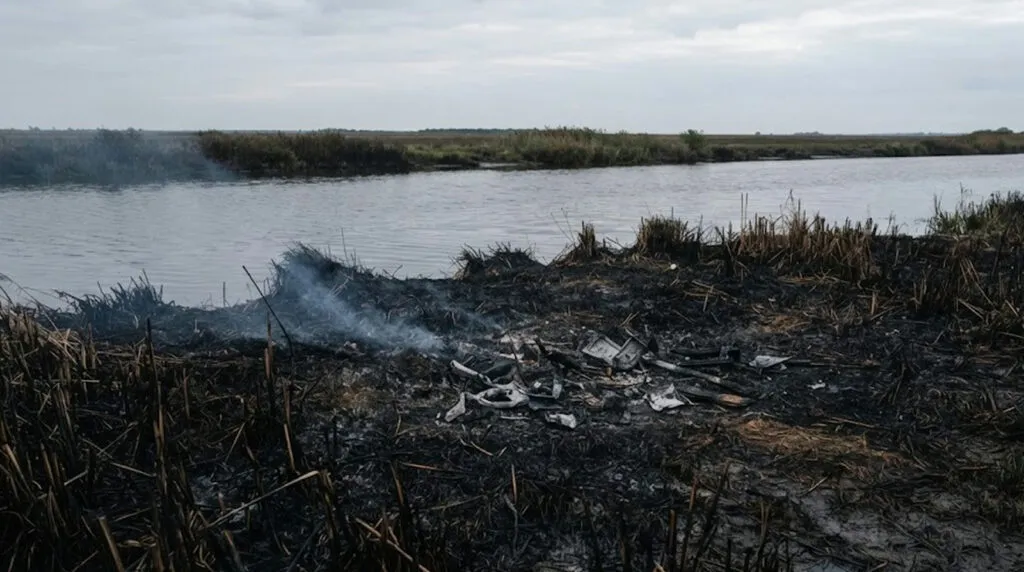
The object is on Romanian soil and the fire is out, but there's no flight path showing how it got...
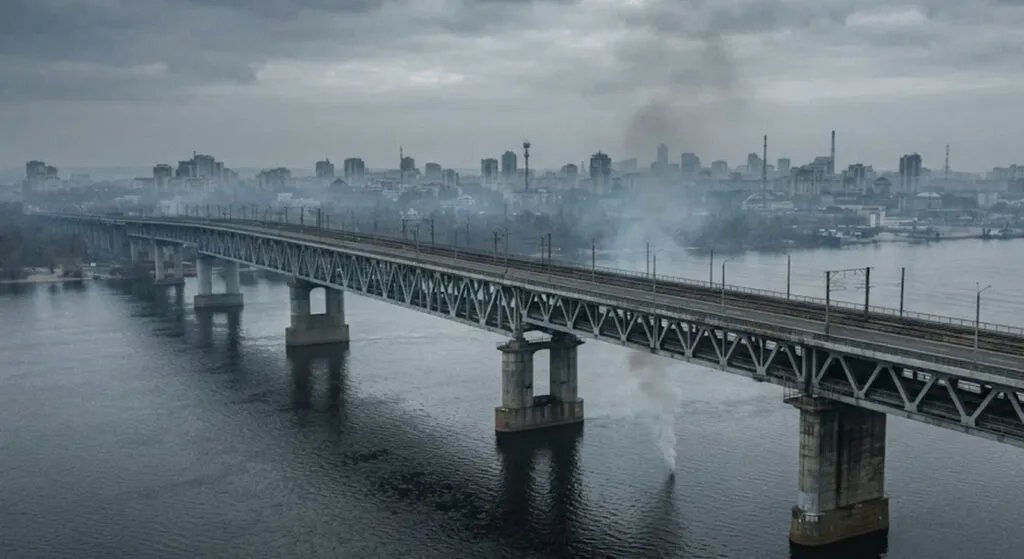
One of the strikes landed while a metro train was crossing the bridge. The Balkans know all too well what...

More than 1,600 drone attacks on Moscow during the Duma elections, says Putin, and that's why talks stalled. The conditions...
Poland has only announced it might produce Patriot missiles for Ukraine, and Moscow has already told it that a factory...
An informal document, sent via the embassy in Brussels, carrying the heaviest message possible. NATO condemns "irresponsible nuclear rhetoric" -...
This site uses cookies - is that okay? Learn more
Be the first to know when Metla launches something new
Leave your email and we will write when there is a new guide or something new on Metla.