They Fired Guns at a Party in Dobridol - and Police Only Moved Once the Video Went Viral
02.08.2026



02.08.2026

02.08.2026

02.08.2026

02.08.2026

02.08.2026

01.08.2026

02.08.2026

01.08.2026

31.07.2026

02.08.2026

02.08.2026

02.08.2026

02.08.2026

02.08.2026

01.08.2026

09.03.2026

27.02.2026

19.02.2026

02.08.2026

01.08.2026

31.07.2026

23.04.2026

23.04.2026

12.04.2026

Prime Minister Hristijan Mickoski presented the second-quarter economic indicators with a framing that says more about politics than about economics: these are, as he put it, bad news for "the opposition and those who pray and want this country to fail".
The numbers, though, exist regardless of who packages them how. They are worth a look.
What exactly was reduced
According to the prime minister, in the second quarter state debt fell by more than 40 million euros and public debt by more than 20 million euros. He claims the level of state debt is now the lowest since the coronavirus crisis.
Finance Ministry data give the same picture, but with the context usually left out at the podium. Public debt in the second quarter stands at 58.8 percent of gross domestic product, or 10,726 million euros. The reduction against the first quarter is 0.1 percentage points, in absolute terms 21 million euros. State debt on 30 June was 9,432 million euros, or 51.7 percent of GDP.
So the reduction is real - and it is tiny. One tenth of a percentage point per quarter. Compared with the end of 2024 the difference is 2.6 percentage points, and with the end of 2025, 0.6 points. That is a trend in the right direction, but it is not a turnaround.
Industrial production
Here the figure is more impressive: 6.5 percent growth in June against the same month last year. But the prime minister himself added the second number, which is more honest than the average politician manages - for the whole second quarter, growth is four percent.
The gap between 6.5 and 4 is not a detail. One number is a good month, the other is the quarterly trend. Which of the two a citizen remembers depends on which headline they read.
What 58.8 percent means
Finance Minister Gordana Dimitrieska-Kočoska framed the key point: managing debt around 60 percent of GDP means preventing it from crossing that threshold. That is the point. The debt is not collapsing - it is being held under control, close to a line many consider critical.
"The indicators of two years of hard work are slowly but surely becoming visible, the successes are coming and good times are ahead of us," Mickoski said.
Perhaps. A 0.1 percentage point reduction and one good month in industry are genuine numbers and deserve to be stated as such. But "good times are ahead of us" is a sentence every government in this country has uttered. The difference will not be shown by a second-quarter press release, but by the same indicator after four quarters - and by whether a citizen feels it in their own budget rather than only in a spreadsheet.
The latest 10 news from this category
Fewer flats rented out, yet a higher total rent take. Fewer contracts, yet market value up 27.3 percent. The official...
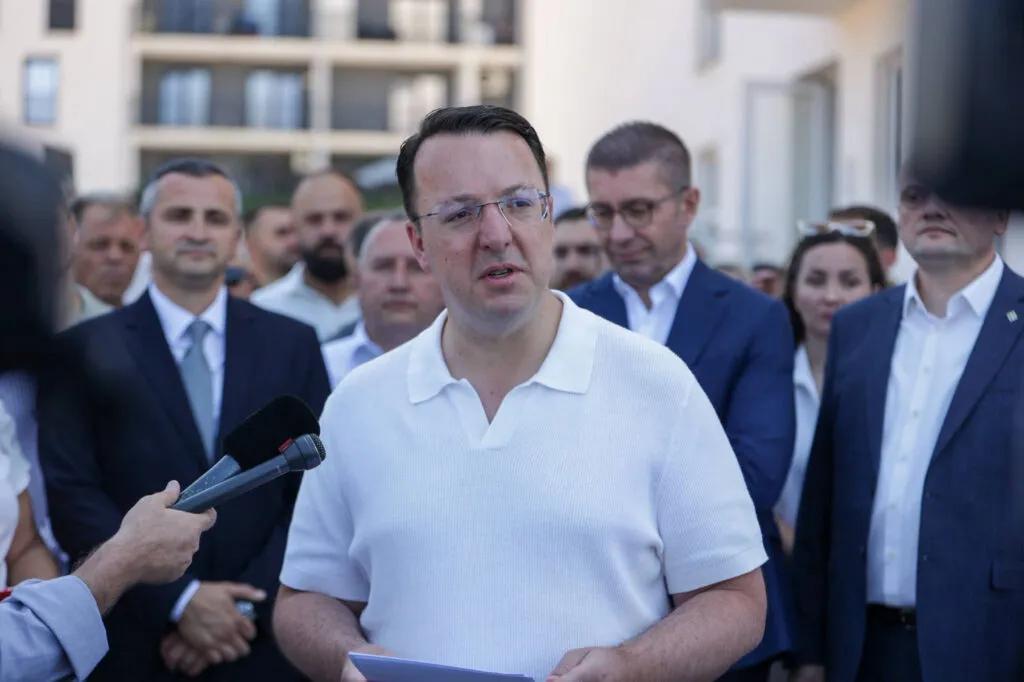
Keys were handed to families from the most vulnerable categories, and the run continues in Veles, Kočani, Strumica and Gevgelija....

Opus 5 set a record in the test and broke 11 agreements. Not one of the tricks is new -...

There is more money for young founders than ever. Forgiveness for mistakes - none at all, and every wrong step...

The billions were announced with a stage and slogans. The retreat is happening quietly, in sentences containing the word alignment.
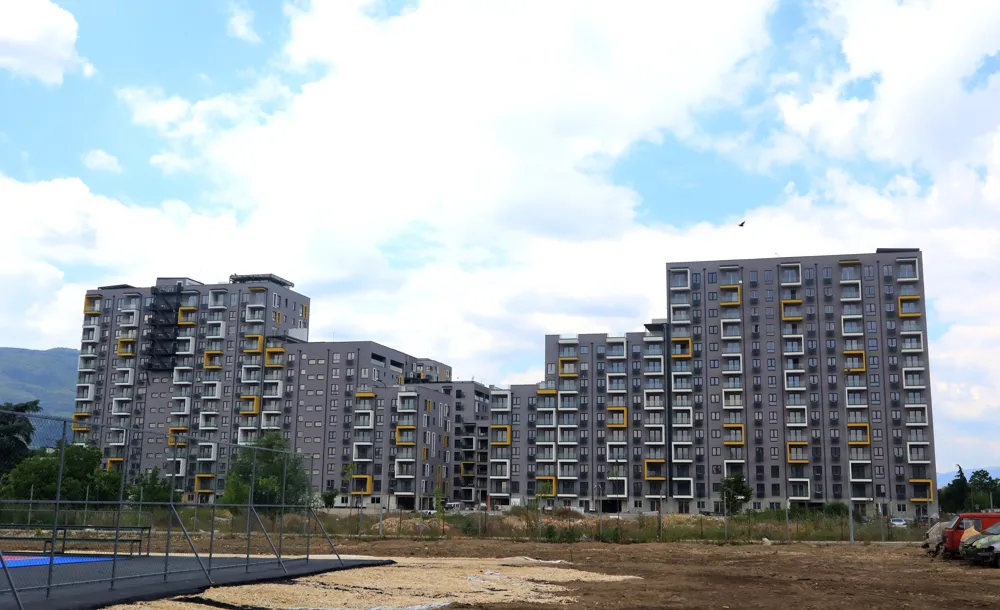
Flats sold are up 37 percent, their value up 43. When the money grows faster than the quantity, nobody is...
The average rate on total loans fell to 4.67 percent. But on newly approved loans it is rising - and...

In his last quarterly report Tim Cook announced the stronger Siri will be bought through iCloud+. The firm that paid...

Two studies mapped how fraud is manufactured inside tech firms. The conclusion isn't that founders are bad people, but that...

The platforms that spent years convincing us automated content was the future are now patiently building filters against it. The...
This site uses cookies - is that okay? Learn more
Be the first to know when Metla launches something new
Leave your email and we will write when there is a new guide or something new on Metla.