
"That's not my job": the trial of the 13 Puls police officers restarted from scratch, and witnesses describe help being refused
22.09.2026


22.09.2026

22.09.2026

22.09.2026

22.09.2026

22.09.2026
22.09.2026

22.09.2026

21.09.2026

20.09.2026

22.09.2026

22.09.2026

21.09.2026
22.09.2026

22.09.2026

22.09.2026

22.09.2026

21.09.2026

20.09.2026

22.09.2026

22.09.2026

22.09.2026

22.09.2026

22.09.2026

22.09.2026

09.03.2026

27.02.2026

19.02.2026

22.09.2026

21.09.2026

21.09.2026

23.04.2026

23.04.2026

12.04.2026


The patient walks in worried about her under-eye circles. The doctor looks at her and says the problem is partly somewhere else - in the lost support of the cheekbone. "The cheekbone is a supporting structure," says Dr Beatriz Beltrán, an aesthetic physician from Barcelona, and with that the whole logic of the treatment changes.
What the patient sees as a separate flaw - a shadow under the eye, a slackening jawline, one wrinkle - the doctor sees as the consequence of something that gave way elsewhere. "We cannot treat the under-eye circle, the jawline or the wrinkle as isolated elements," she says.
But the most interesting sentence is about what people are actually asking for: "We increasingly see patients who want to look better, but not different." That is a quiet revision of an entire decade in which aesthetic medicine sold transformation rather than maintenance.
The arsenal is familiar - hyaluronic acid placed strategically, collagen biostimulators, tightening technologies like Thermage and Ultherapy. None of that is new. What is new is which part of the face it is aimed at, and to what end.
Is that progress, or just a better sales story? Possibly both. An industry that spent years teaching that more is better is now selling less - and charging the same for less. But the result the patient is asking for is an honest one: not to look like somebody else in the mirror.
Here that is even harder to get, because the market is smaller and the advertising more aggressive. The question worth asking before any procedure is the same one the doctor asks: is what I am looking at the problem, or only the place where the problem shows?
The latest 10 news from this category
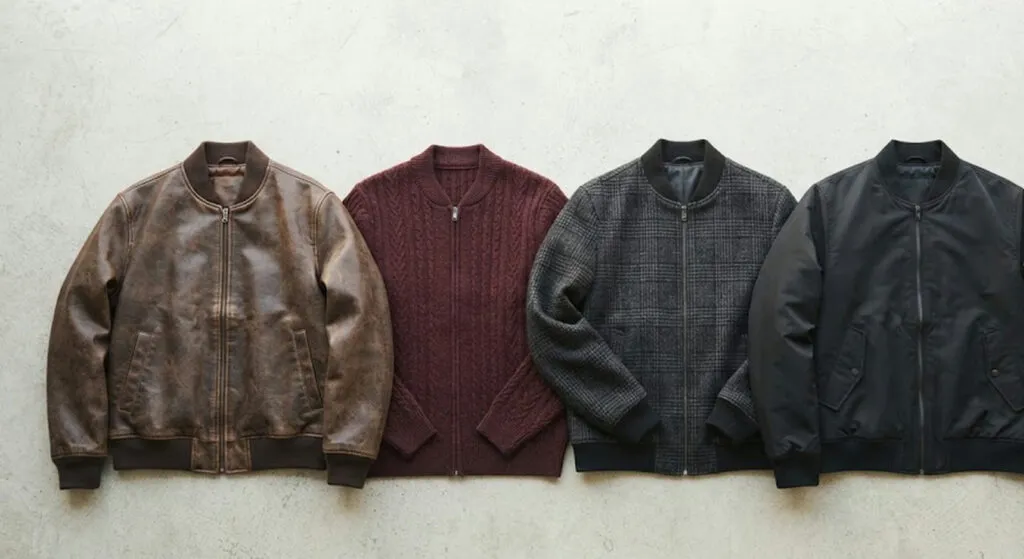
Here, half a wardrobe is bought by calculating how many years it will last. The brown leather one will look...

The catering was run by an uncle, the music was played by an uncle. If that sounds familiar, you have...
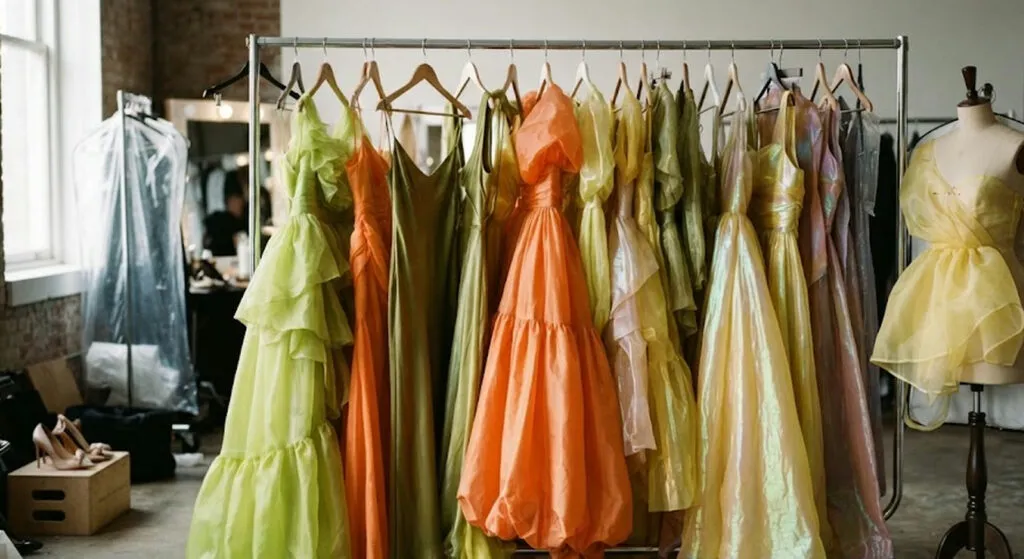
Three days in a lab coat with colorimetry scientists to produce a collection in lime and tangerine. The design director...
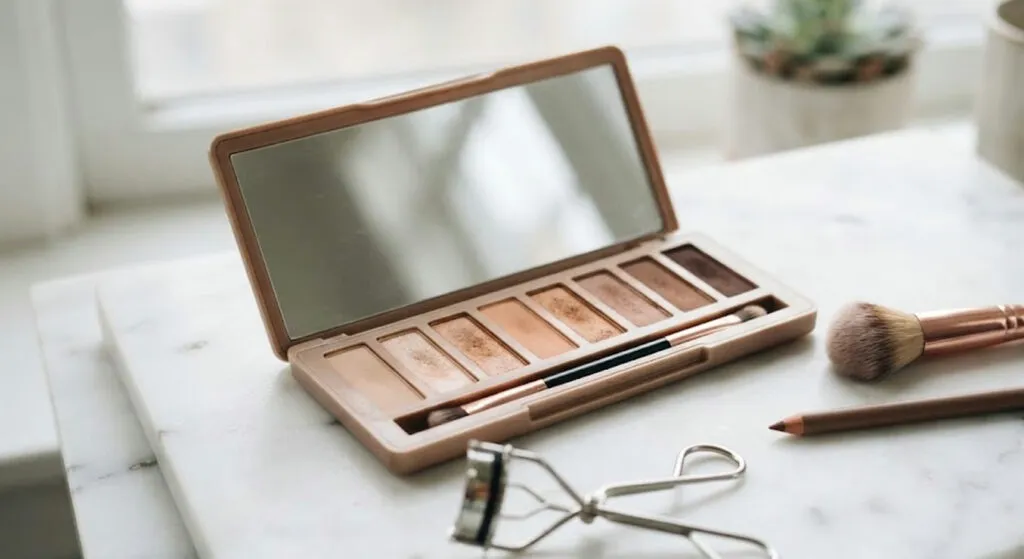
Cream concealer instead of powder, a brown pencil instead of black eyeliner, and a curler before the mascara. Not one...

A boat-neck gown and wildflowers that deliberately refuse to compete with the jewellery. A fourth generation under the same diadem,...

A communications expert says the trouser suit sidesteps sexist readings of hemlines and necklines. The same expert warns that the...

Dermatologists explain why the shedding arrives with a two to three month delay and why iron and vitamins do not...

Silk bambula muslin, a hand-draped waist and a veil of crystal organza. The wedding was held in Cadiz, where the...

An industry that spent decades selling a flawless illusion is suddenly showing the shoot itself. That is not candour -...

The classic bob promised one perfect day. This version works against the salon business model - and that alone is...
This site uses cookies - is that okay? Learn more
Be the first to know when Metla launches something new
Leave your email and we will write when there is a new guide or something new on Metla.