

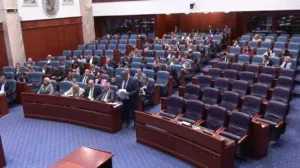
Two failing grades and you're out: parliament brings in automatic dismissal for civil servants, but who will write the appraisals?
20.10.2026


20.10.2026

20.10.2026
20.10.2026

20.10.2026

20.10.2026

20.10.2026

20.10.2026
19.10.2026

19.10.2026
20.10.2026

20.10.2026

19.10.2026
20.10.2026

20.10.2026

20.10.2026
20.10.2026

19.10.2026
18.10.2026

20.10.2026

20.10.2026

20.10.2026
20.10.2026
20.10.2026

20.10.2026
20.10.2026
19.10.2026

18.10.2026
19.10.2026
17.10.2026

15.10.2026

23.04.2026

23.04.2026

12.04.2026

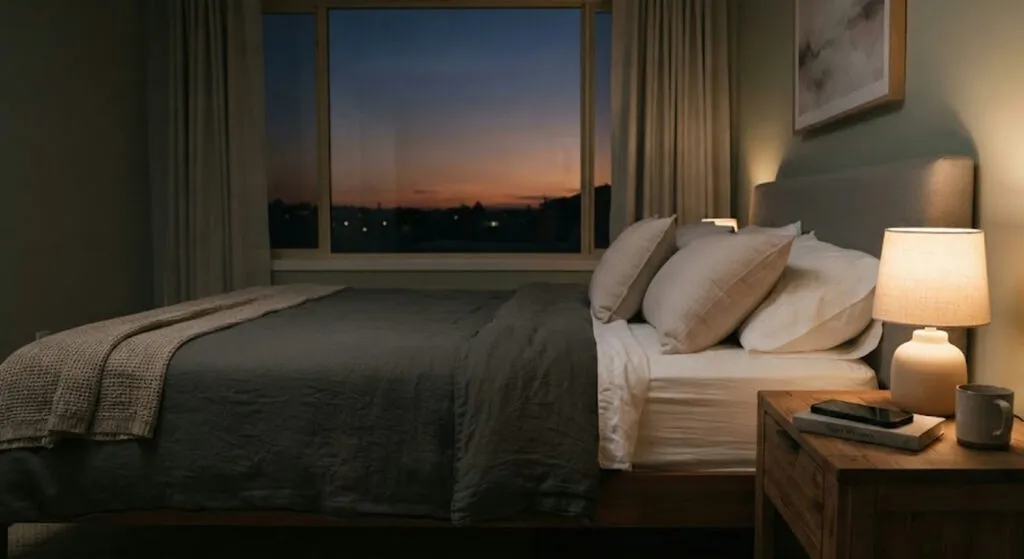
When we talk about bad sleep, we usually blame the mattress, the pillow or the afternoon coffee. Light rarely makes the list. Yet according to Dr Sofía Rodríguez Moroder, a specialist in dental sleep medicine at the Craneo Salud clinic, it is one of the most underestimated factors.
"The onset of sleep is a very delicate biological process," she explains. To fall asleep, the body needs two signals: a gradual drop in body temperature and a gradual dimming of light. The problem is that modern life has replaced both with artificial stimuli.
Melatonin doesn't read messages
Light is one of the main cues the brain uses to set the circadian rhythm, the internal clock that decides when we are awake and when we should sleep. When natural light fades at dusk, the pineal gland starts releasing melatonin, the hormone that helps sleep begin and last. The intense blue light from screens slows that release. The message to the brain is clear: it's daytime, stay awake.
That is why the expert does not mince words: sitting at home in front of the TV or a phone before bed is a "direct attack" on that process.
89,000 people and one uncomfortable number
A study published in the scientific journal Proceedings of the National Academy of Sciences, which analysed the light exposure habits of almost 89,000 adults, found that those exposed to the most light at night had a 21 to 34 percent higher risk of death from any cause compared with those who slept in darker rooms. An important caveat: the data alone do not prove that light directly causes the higher risk. They show that night-time lighting deserves far more research than it gets.
What actually helps
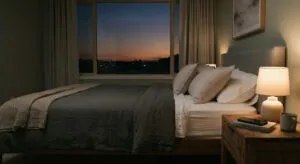
The prescription is not expensive. Screens go off one to two hours before bed, and the phone goes into flight mode. Bright white lights in the evening are swapped for dim lamps. The TV does not stay on in the background "for company", and notifications are not checked in bed. The nicest tip is also the cheapest: watch the sunset from a balcony, a terrace or your doorstep, as a sign that the day is ending.
Our grandmothers had no sleep-tracking apps, but they had dark rooms and evenings without screens. How many of us fall asleep today with a phone in hand, then wonder why the alarm clock sounds like a punishment?
The latest 10 news from this category

The most tender stew is not made from the leanest meat, but from the cuts that demand patience. And it...

From "I got lucky" to "it was nothing": a psychologist explains why we reject compliments on autopilot and how to...

Two ripe bananas, a little dark chocolate and a fridge instead of an oven: the Olympic canoeist's dessert for evenings...
"It's your age" is not a diagnosis. Visceral fat doesn't show in the mirror, and new or persistent bloating shouldn't...

Lean meat that never goes above 65 degrees inside, a night in the fridge and a mayonnaise with tuna, anchovies...
Every group has someone who organises everything and someone who has only been reading for months. Psychology says neither is...

The British turned stale bread into a warm pudding served with custard. The secret isn't the bread, it's the filling,...
Magnesium, vitamin D, omega-3, iron - the shelves are full, and the question is always the same: morning or night?...

Cheap, filling, cholesterol-free and happy to wait months in the pantry. Ten legume recipes for autumn - and the trick...

You save for years for a flat, celebrate for a few weeks, and then you're already planning a new kitchen....
This site uses cookies - is that okay? Learn more
Be the first to know when Metla launches something new
Leave your email and we will write when there is a new guide or something new on Metla.


