


Kratovo man stabs police officer mid-intervention: prosecutors want the 40-year-old detained
15.09.2026


15.09.2026

15.09.2026

15.09.2026

15.09.2026

15.09.2026
15.09.2026

15.09.2026

14.09.2026

13.09.2026

15.09.2026

15.09.2026

14.09.2026

15.09.2026
15.09.2026

15.09.2026

15.09.2026

14.09.2026

13.09.2026

15.09.2026

15.09.2026

15.09.2026

15.09.2026

15.09.2026

14.09.2026

09.03.2026

27.02.2026

19.02.2026

15.09.2026

14.09.2026
14.09.2026

23.04.2026

23.04.2026

12.04.2026

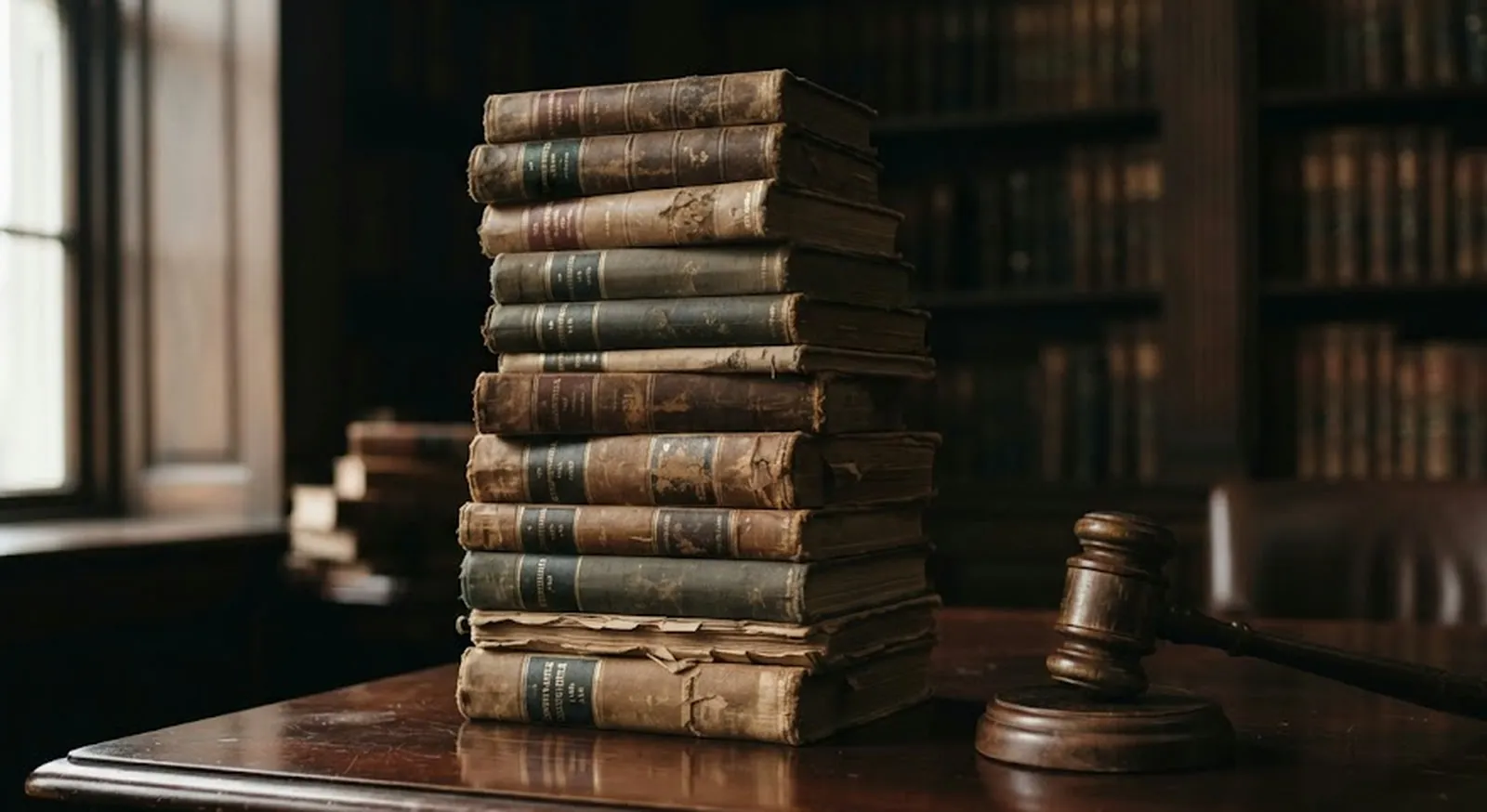
A judge in California has finally approved what will go into the textbooks as the largest settlement in the history of American copyright: 1.5 billion dollars (around 1.3 billion euros) that the company Anthropic will pay to authors and publishers whose books it used to train its artificial model. The maths is cold and clear - 3,000 dollars per work, multiplied by around 500,000 books. That's what it costs to build a library out of other people's labour.
But the story isn't the one the company's marketing would like to tell. The settlement isn't an admission that training a model on protected books is theft. On the contrary - judge William Alsup had previously ruled that the training itself on copyrighted text falls under „fair use“, a decision the whole industry took as a green light. The problem was how Anthropic got hold of the books.
And here the story turns awkward. Part of the books the company bought and scanned - that's fine. The other part it downloaded from pirate sites like Library Genesis. The same industry that, with billions in capital and the priciest lawyers, is building the future of technology, quietly helped itself to the same pirate addresses students once used to download their textbooks. The judge ruled that this piece was illegal and could go to trial. Anthropic hurried to the table and signed - because a trial that decides on piracy is something no AI company wants to see.
And here's the catch that few talk about: by paying to avoid a verdict, the case will never reach an appeals court and will never become a binding precedent. Alsup's decision remains one single ruling by one court. Other judges are free to conclude something entirely different - which is already happening. Publishers and authors, among them Hachette, Elsevier and the writer Scott Turow, last week sued Google for the same thing - for using their works to train Gemini.
So what did Anthropic actually buy for 1.3 billion euros? It didn't buy legal clarity. It bought silence - its own, for just one case. The war over who owns the books, images and voices these machines feed on is only just beginning. And the cost of 3,000 dollars per book is loose change for a company valued at hundreds of billions. For the author whose book was taken without asking, it's a price they never agreed to.
The latest 10 news from this category
A scientist at the same company puts the probability of human extinction above 10 percent within the next decade. The...
The president called in while the event was running, and the man who makes the chips answered that there would...
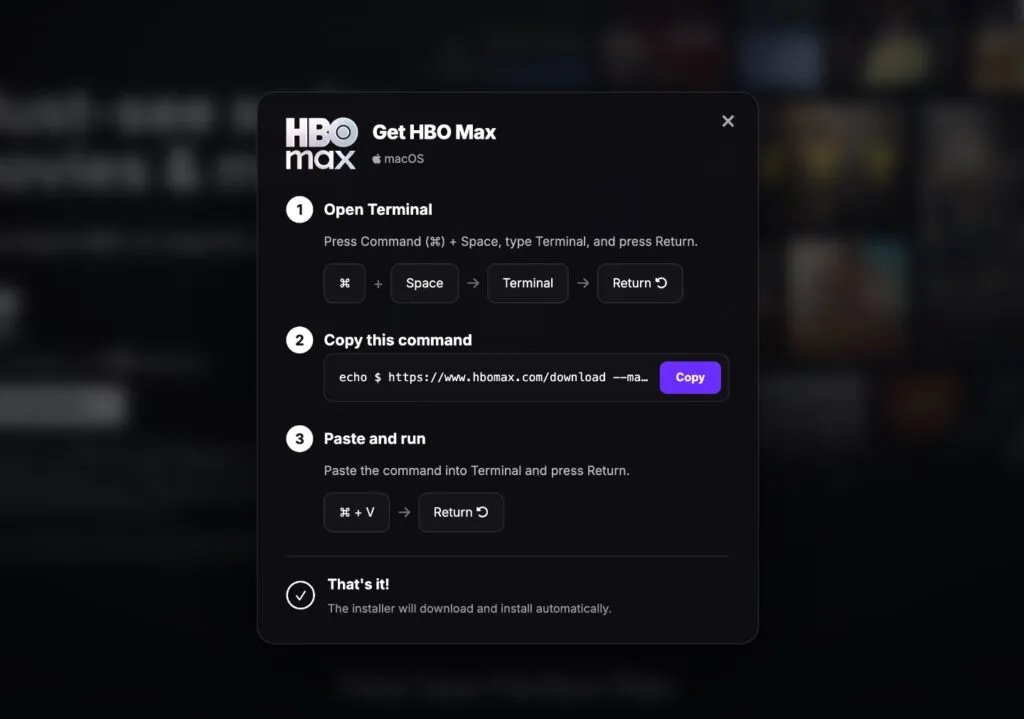
No virus attached, no suspicious file. Just a box that looks like the "I am not a robot" check and...
A researcher quit because the firms are gambling with our lives. Instead of denying it, Anthropic confirmed it - with...
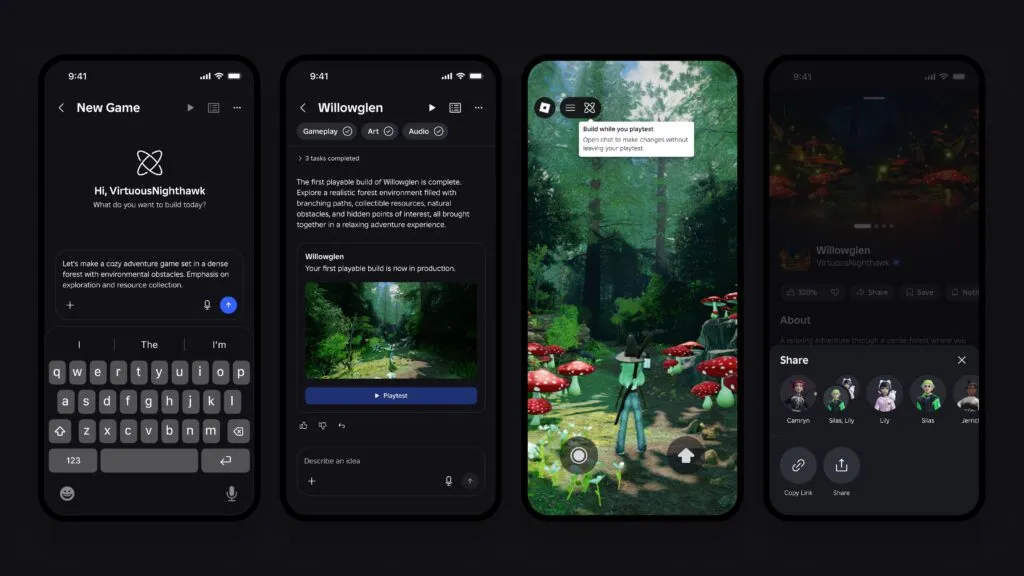
Write a sentence, get a game. Until now it worked only in New Zealand, now in Belgrade too. Creators on...
When the two biggest firms in an industry ask for rules on how fast anyone may run, the rules rarely...

Not a single password fell. What fell was the assumption that a request from a government domain is automatically a...
The biggest names in mathematics have signed a letter against the AI labs. The dispute is not whether the machine...

Five campaigns, 200 million exchanges, and the defences fell to a request for a Japanese translation. The industry that harvested...

The hackers were inside for a whole year. The company confirmed it only after a journalist found his own licence...
This site uses cookies - is that okay? Learn more
Be the first to know when Metla launches something new
Leave your email and we will write when there is a new guide or something new on Metla.
