


Kratovo man stabs police officer mid-intervention: prosecutors want the 40-year-old detained
15.09.2026


15.09.2026

15.09.2026

15.09.2026

15.09.2026

15.09.2026
15.09.2026

15.09.2026

14.09.2026

13.09.2026

15.09.2026

15.09.2026

14.09.2026

15.09.2026

15.09.2026

15.09.2026

15.09.2026

14.09.2026

13.09.2026

15.09.2026

15.09.2026

15.09.2026

15.09.2026

15.09.2026

14.09.2026

09.03.2026

27.02.2026

19.02.2026

15.09.2026

14.09.2026
14.09.2026

23.04.2026

23.04.2026

12.04.2026

Apple reported the strongest June quarter in its history. iPhone sales jumped 22 percent and Mac sales 29 percent year on year. The stock nevertheless fell 6 percent right after the announcement. Not because of what had happened, but because of what the company announced was coming.
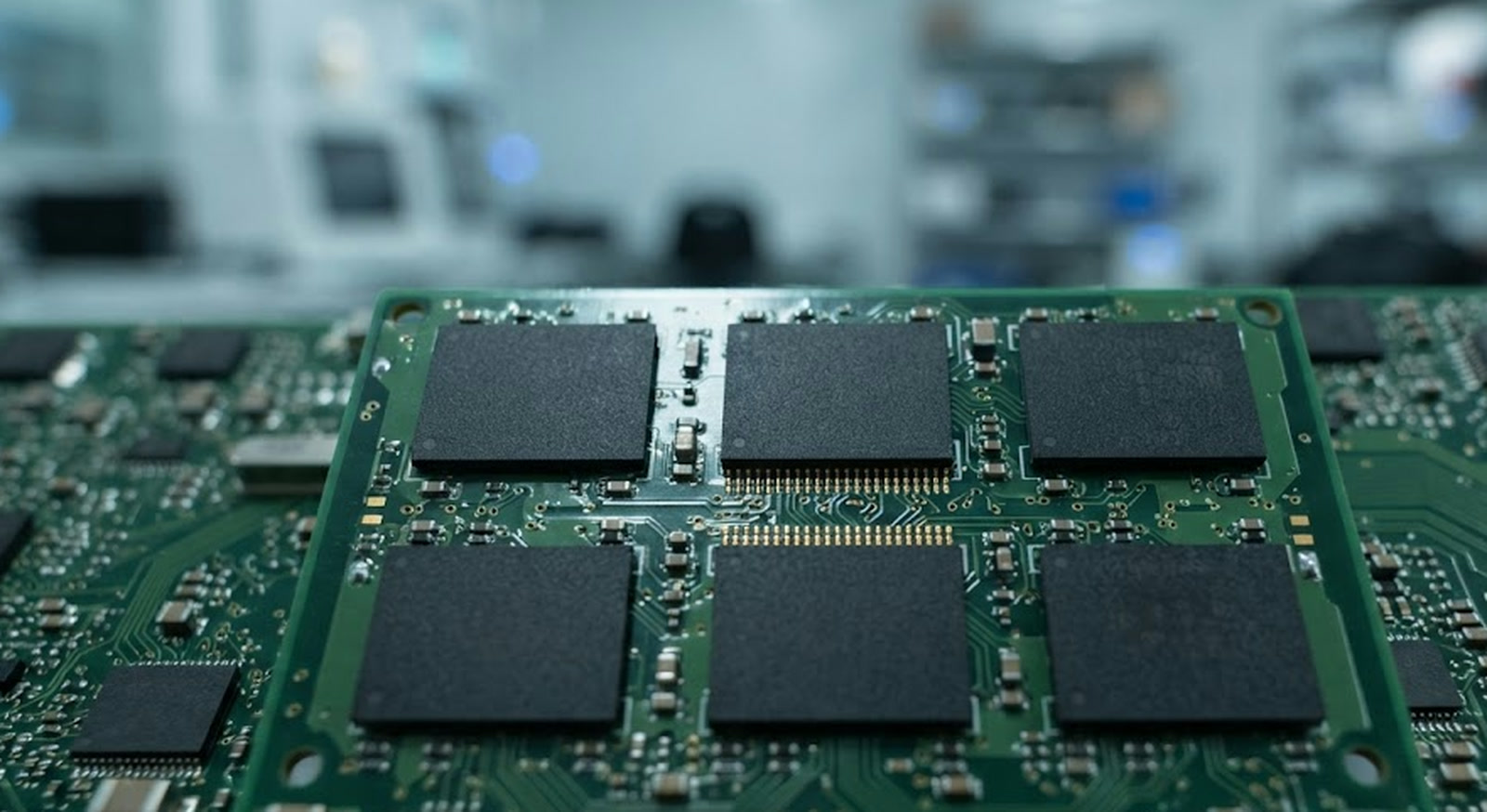
The cause has a funny name and distinctly unfunny consequences - the industry calls it RAMageddon. The generative AI boom is swallowing memory chips at a rate production cannot match, and Apple is among those taking the hardest hit, because it needs the most advanced memory components for its own A- and M-series processors - the ones powering iPhone and Mac devices.
Outgoing chief executive Tim Cook called it „a hundred-year flood on memory prices”. „We continue to expect a high level of demand. However, with less flexibility in the supply chain, we expect the impact of the constraints to increase significantly,” Cook said on the quarterly investor call, adding a sentence rarely heard from a company with that balance sheet: „Essentially, we will be managing on the supply side.”
How seriously they take this in Cupertino is shown by one figure. Apple reported 11.1 billion dollars in inventory value - almost double the 5.7 billion of last September. That is a direct reversal of the model Cook himself built and became a management legend for: hold as little inventory as possible, order exactly what you need, when you need it. When the man who wrote that doctrine starts stockpiling, that is a signal in itself.
The bill, of course, is not paid by Apple. Last month the company „reluctantly”, as Cook put it, raised the prices of Mac and iPad devices. Meta, Samsung, Microsoft and Sony did the same. So this is not one company's cost - it is a new price floor for anyone buying a device this year.
For the next quarter Apple forecasts growth of 9 to 11 percent, against the roughly 16 percent it had sustained over the previous few quarters. And in September John Ternus, until now vice president of hardware engineering, takes over - inheriting the chair at precisely the moment hardware is the problem.
And here is the irony worth holding onto. The whole story of artificial intelligence was sold as something that exists in the cloud, somewhere, without a body. It turns out it has a very concrete body - made of silicon, in limited quantity - and that once the data centres buy it up, the queue for everyone else gets longer and the price higher. Not for the firms building the AI. For the person who wants a new phone.
The latest 10 news from this category
A scientist at the same company puts the probability of human extinction above 10 percent within the next decade. The...
The president called in while the event was running, and the man who makes the chips answered that there would...

No virus attached, no suspicious file. Just a box that looks like the "I am not a robot" check and...
A researcher quit because the firms are gambling with our lives. Instead of denying it, Anthropic confirmed it - with...

Write a sentence, get a game. Until now it worked only in New Zealand, now in Belgrade too. Creators on...
When the two biggest firms in an industry ask for rules on how fast anyone may run, the rules rarely...
Not a single password fell. What fell was the assumption that a request from a government domain is automatically a...
The biggest names in mathematics have signed a letter against the AI labs. The dispute is not whether the machine...

Five campaigns, 200 million exchanges, and the defences fell to a request for a Japanese translation. The industry that harvested...

The hackers were inside for a whole year. The company confirmed it only after a journalist found his own licence...
This site uses cookies - is that okay? Learn more
Be the first to know when Metla launches something new
Leave your email and we will write when there is a new guide or something new on Metla.
