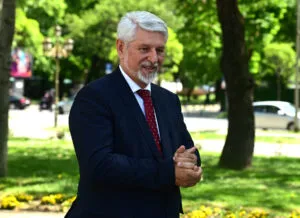
Нова кривична пријава за Јакимовски: одобрение за градба на план укинат уште во 2018 година
16.09.2026


16.09.2026
16.09.2026

16.09.2026
16.09.2026
16.09.2026

16.09.2026
16.09.2026
15.09.2026

14.09.2026

16.09.2026

16.09.2026

15.09.2026

16.09.2026

15.09.2026

14.09.2026

16.09.2026

16.09.2026

16.09.2026

09.03.2026

27.02.2026

19.02.2026

15.09.2026

14.09.2026

14.09.2026

23.04.2026

23.04.2026

12.04.2026

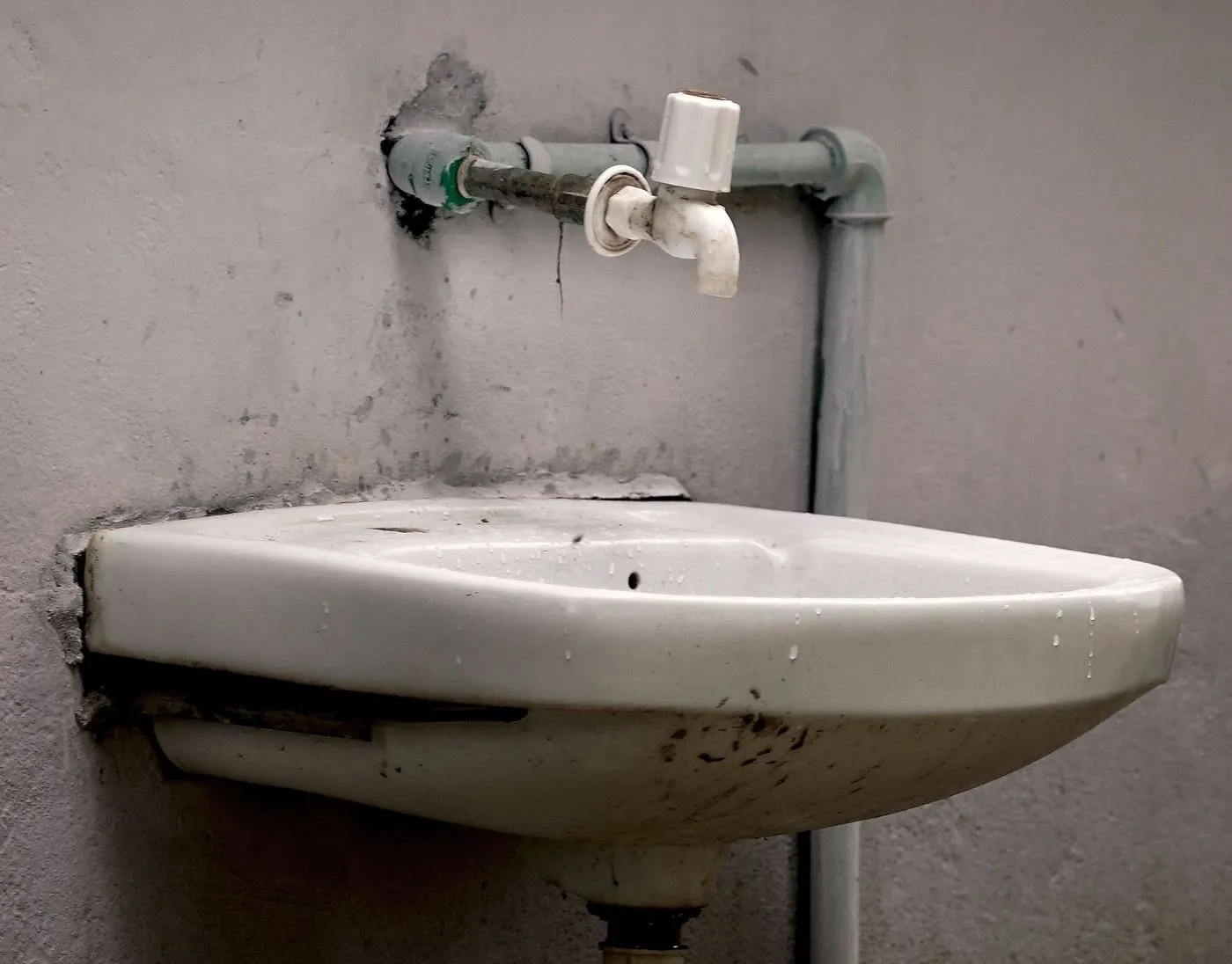
Sushica, Zubovo, Drazhevo, Borisovo, Koleshino, Novo Konjarevo and Prvomajska street in Novo Selo. Velestovo and Elshani near Ohrid. Six water supply facilities in the Kichevo area. The natural spring tap in Bashino Selo near Veles. All of it is one and the same piece of news, published on the same day, for different corners of the country: do not drink the water.
Southeast: the storm got into the system
The Novo Selo municipality explains the contamination is minimal and a consequence of last week's storm. „As a result of last week's storm, the interruptions in electricity supply and water supply, minimal contamination of the drinking water has occurred. Citizens are asked not to use the water for drinking in the coming days, while chlorination and purification are carried out, until further analyses and confirmations are received from the doctors at the Strumica Health Centre“, the statement reads.
Note the sequence: storm, power cut, water supply cut - then contamination. That is a system in which one night of wind and rain is enough for the basic guarantee that healthy water comes out of the tap to stop applying.
Southwest: faecal contamination and 90 percent without resources
Faecal contamination was detected in the Ohrid villages of Velestovo and Elshani. Health authorities took fresh samples, and the results of the control analyses will be known at the start of next week. Until then, experts from the Ohrid Public Health Centre are urging that the ban stay in force.
But one figure from the Ohrid region explains the whole story better than all the rest: as much as 90 percent of village waterworks are still under the responsibility of local community councils, which have neither the financial nor the technical resources for regular disinfection. And disinfection is precisely what kills the bacteria in the water.
Which means contamination is not an unfortunate accident - it is the predictable consequence of a structure where responsibility has been pushed down to a level that has nothing to carry it with. Experts warn that faecal water from nearby septic pits and livestock facilities seeps directly into the springs and the ageing network, a problem that has been repeating for decades in rural areas.
Kichevo and Veles: a ban by official decision
The Kichevo municipality informed citizens that, by decision of the Food and Veterinary Agency, drinking water is banned from six local facilities - the village waterworks in Garani, Strelci, Shutovo and Premka, the roadside tap in Drugovo and the public tap „Bela Kula“ in Kichevo. The decision followed physico-chemical and microbiological analyses by the Bitola Public Health Centre. The town's own water supply, the municipality stresses, is entirely sound.
In Bashino Selo, which also supplies water to numerous families from Veles, the Food and Veterinary Agency banned the natural spring tap due to an elevated total bacteria count per millilitre. The Veles Public Health Centre concluded this is a tap of inconsistent quality which „cannot be considered a reliable and safe source for supplying the population with water“.
And here comes the strongest figure in the whole story. Of the four samples taken from that tap this year, three passed - on 2 January, 27 April and 9 June - and the last one did not. Last year the tap was tested eight times and in three cases the water failed. To be permitted again, it must pass three consecutive analyses.
So this year and last, in roughly every third test, water that families drink from was unsafe. And yet the tap stood open, with no sign, until now. A sign only appeared once the agency issued the ban.
Repairing the facility and regular disinfection - those are the two things experts are asking for to make that tap usable again. Neither is expensive technology. Both come down to who will pay for them and who will carry them out, and that is exactly the question that has gone unanswered in the Macedonian village for decades.
The latest 10 news from this category

Светска банка отпадна поради неусогласеност со барањата на ЕУ. Градбата ќе трае две и пол години, а опремата се набавува...
Од 9.500 квадрати зеленило остануваат 268. Терен со висинска разлика од 80 метри, без студија за ерозија и без мислење...

Ѓорѓиевски вели дека системот ќе биде готов до средината на следната година. Тендерот за БРТ се најавува деновиве, а градбата...
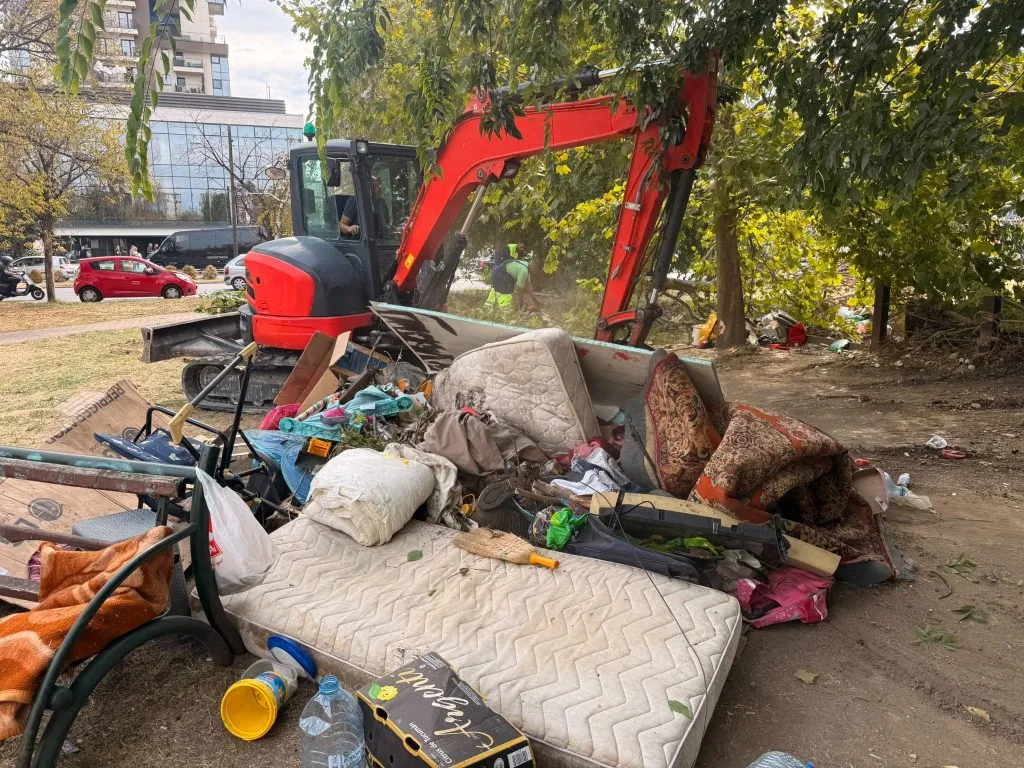
Втора акција на истата локација за една година. Герасимовски и самиот апелира до Министерството за труд - затоа што расчистувањето...
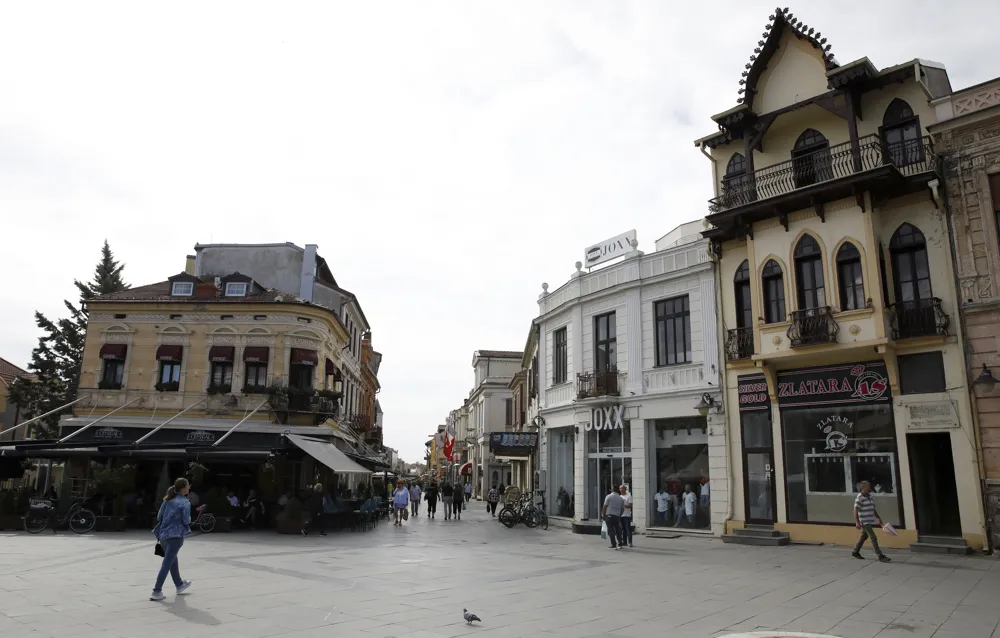
Просумер, соларна печка и струја од велосипед на плоштадот Магнолија. Градот што со децении ја плаќа цената на јагленот гледа...
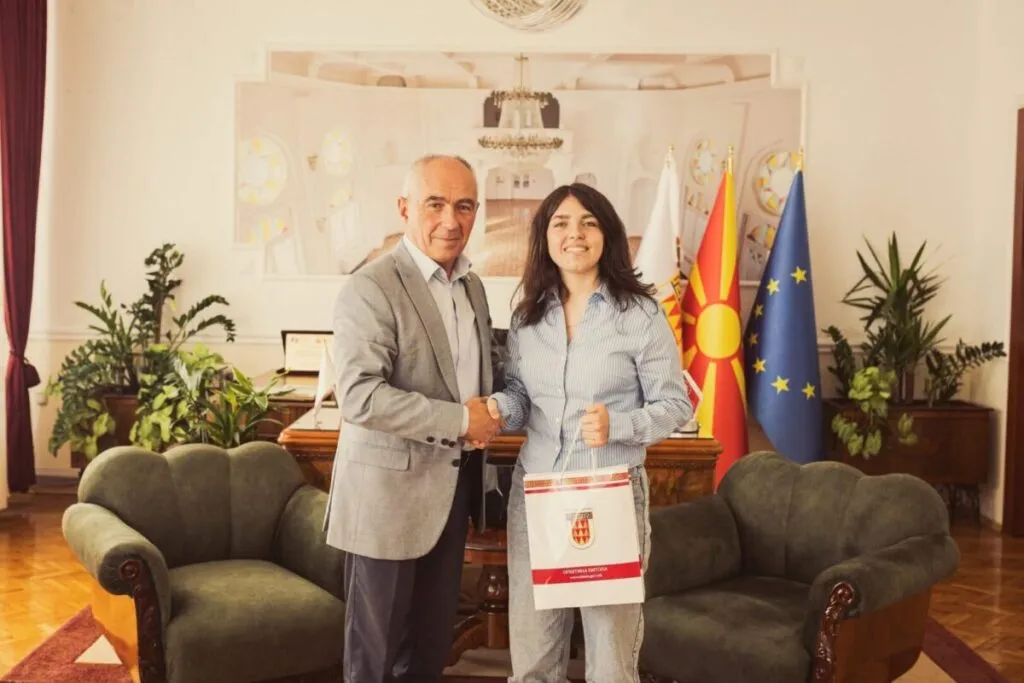
Стефанија Димовска освои две медали на IESO 2026, работејќи во мешани меѓународни тимови. Пред тоа беше и државен шампион по...
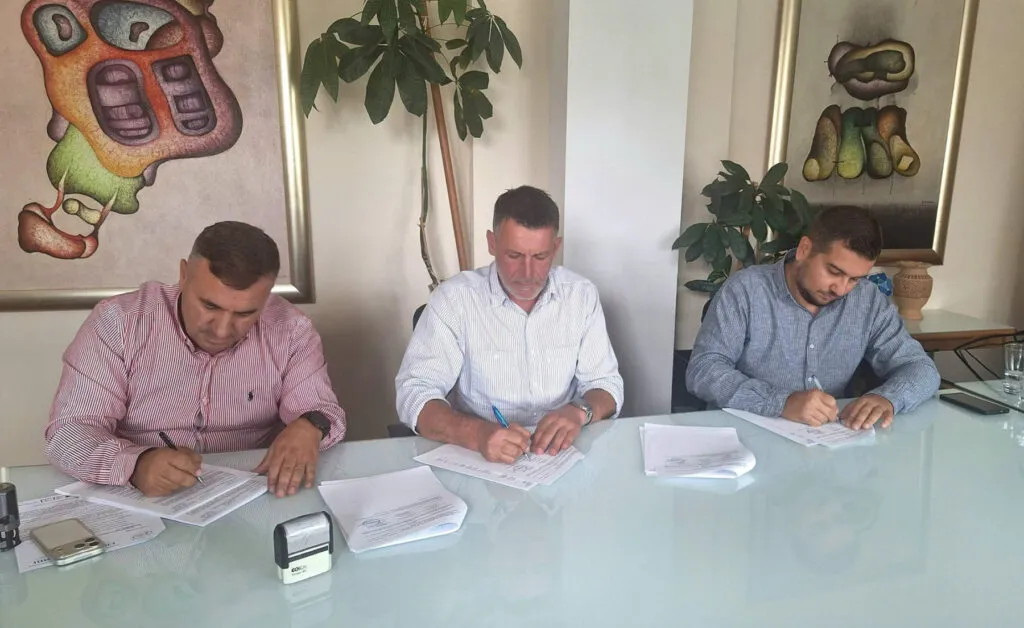
Од близу 4,7 милиони денари, општината става околу 180.000. Остатокот доаѓа преку Бирото за рамномерен регионален развој - и токму...

Ten years working inside the health system - and she still had to pull strings to be admitted. The clinic...
Appeals run from 15 to 25 September. There is not enough space at Goce Delčev, so students go to Stiv...
From 23:00 to 05:00 there is no getting through towards Evzoni. Towards Halkidiki - business as usual. Those heading on...
This site uses cookies - is that okay? Learn more
Be the first to know when Metla launches something new
Leave your email and we will write when there is a new guide or something new on Metla.