
Smugglers Dragged a Police Officer With Their Vehicle at Blace: the Second Car Is What Tells You This Wasn't an Accident
14.09.2026


14.09.2026

14.09.2026

14.09.2026

14.09.2026

13.09.2026

12.09.2026
14.09.2026

14.09.2026

13.09.2026

14.09.2026

14.09.2026

14.09.2026
14.09.2026
13.09.2026

12.09.2026

14.09.2026

14.09.2026

14.09.2026

14.09.2026

14.09.2026

13.09.2026

09.03.2026

27.02.2026

19.02.2026
14.09.2026

14.09.2026

13.09.2026

23.04.2026

23.04.2026

12.04.2026

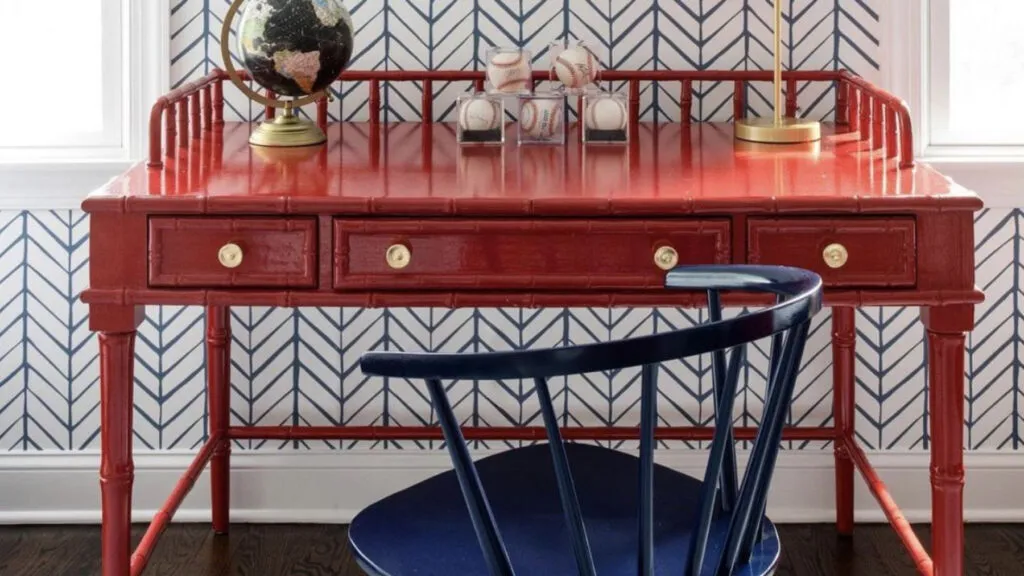
For years the rule was one thing: everything neutral, everything from the same collection, everything matching. The result is a living room that looks like a catalogue and says nothing about who lives in it. Now colour is coming back to furniture, and not through new purchases but through a brush over what is already standing at home.
Sideboards, display cabinets, chests of drawers, small side tables and kitchen doors. Those are the pieces that turn up painted most often online, because they deliver fastest what a room is missing: depth and character. A painted piece breaks the monotony of a space where everything sits at the same colour temperature.
Preparation is the part everybody skips
Before a tin is opened, the furniture is cleaned thoroughly of grease, dust and dirt. If the existing varnish or paint is in good condition, sand it lightly. If the surface is very glossy, use a primer. Then two thin coats of paint, respecting the drying time between them, with light sanding between coats for an even finish. For a piece that will get heavy use, a protective varnish goes on at the end.
The colour is chosen according to the age of the piece
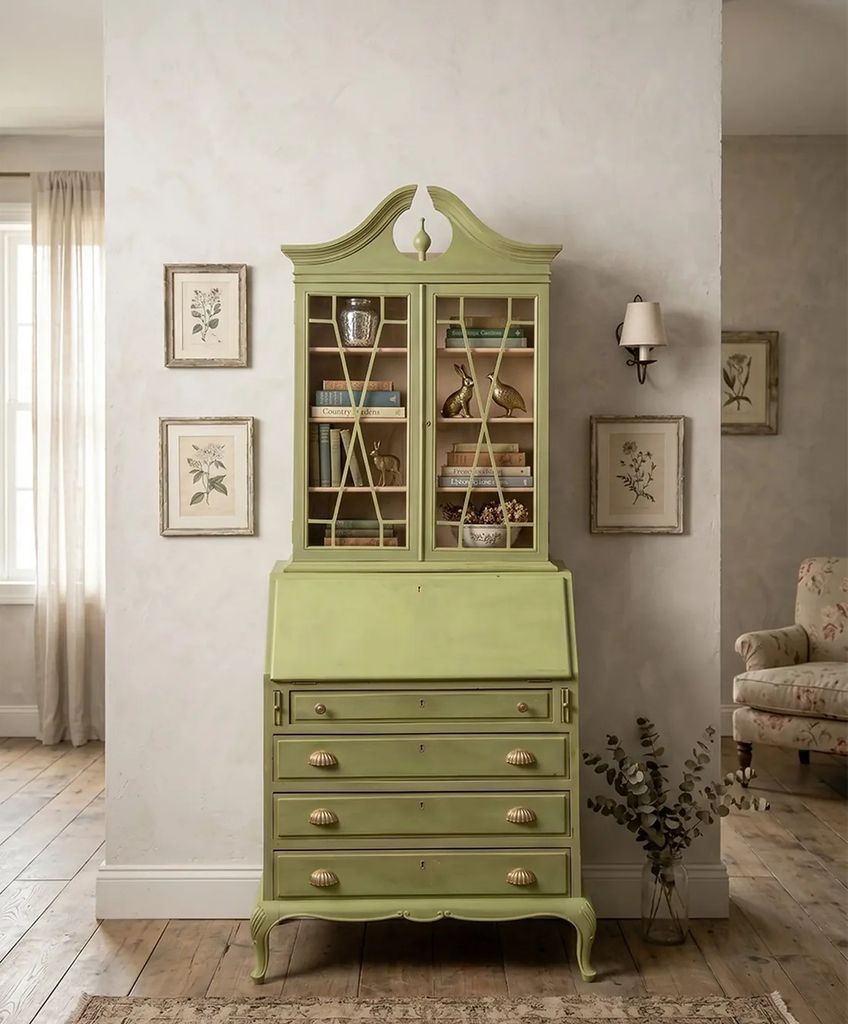
An old piece out of a garage or from your grandmother is not revived with just any colour. Deep tones - olive green, petrol, burgundy or chocolate brown - keep the age without turning the furniture into rustic decor. Soft, warm neutrals suit heavily ornamented pieces, because they do not fight the carving.
Handles solve more than they appear to
The same painted chest is relaxed with ceramic or wooden handles, and severe with brass, bronze or clean-lined iron. The change takes half an hour and costs about as much as one dinner. The only trap is the spacing of the existing holes: if the new handles do not line up, the old holes have to be filled, sanded and repainted first, otherwise the whole effort shows from a metre away.
From flat colour to hand-drawn detail
Geometric patterns, stencils and hand-drawn details are the next level. The stencil is held with painter's tape, the paint is applied very sparingly so it does not bleed under the edge, and the stencil comes off before the paint dries completely. Freehand details should be practised first on a scrap of wood. The size of the motif is scaled to the size of the furniture, not the other way round.
Distressed or high gloss
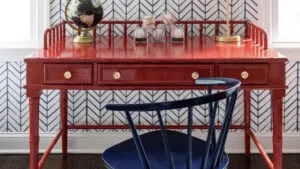
Two opposite directions, and both work. The distressed finish comes from a base coat, then a contrasting coat, then selective sanding along corners and edges, exactly where use would naturally wear the paint away. Evenly distributed sanding looks fake. The opposite, lacquered gloss, gives an entirely different weight: intense blue, bottle green or deep red with a shine acquire a presence matt paint never delivers.
The colour that deliberately does not match
The most striking move is also the riskiest: choosing a tone that obviously falls outside the room's palette. So it does not read as a mistake, the same colour is echoed in small things - a cushion, a lamp, a picture or an object. Then the piece reads as a decision, not an exception. The opposite strategy is gentler: when a room has multi-coloured wallpaper, the furniture is painted in one of the secondary colours, not the dominant one. The result is more elegant.
The kitchen does not have to be ripped out
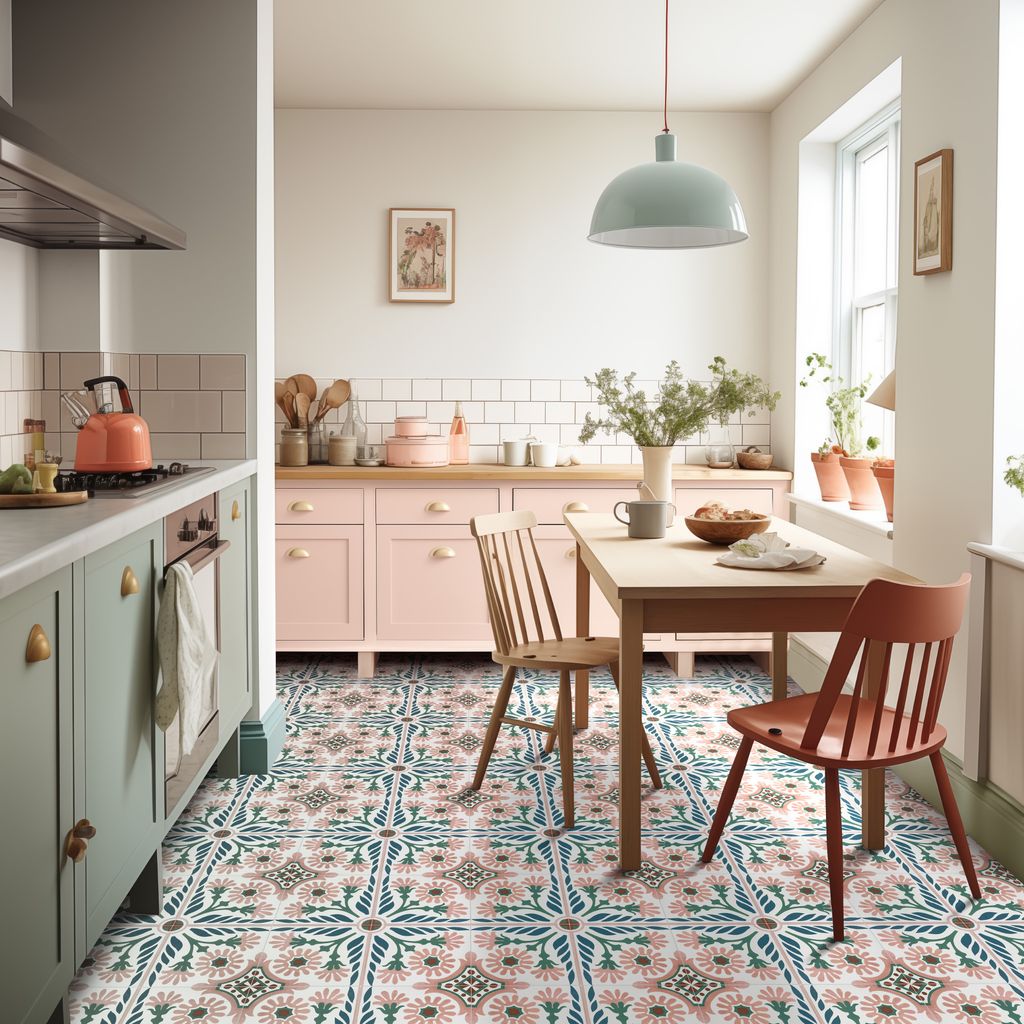
If the fronts are good quality, a full renovation is not necessary. There are paints developed for wood, laminate and other surfaces. The current approach is to combine at least two colours in the same kitchen, rather than putting everything in one tone. The same logic applies to furniture that no longer fits: a bureau becomes a small pantry, a display cabinet becomes a bar, a chest moves into the hallway. You just have to check whether the dimensions and construction can take the new purpose.
Black is an option too
Black furniture does not have to be cold. What settles it is what stands around it. A light grey wall softens the contrast far more than a white one. Wood, natural fibres and lively textiles, baskets, a wooden top on a table, pink details and gold handles all take the severity out of a piece.
What holds this whole story together is not the trend, but the arithmetic. A new chest costs what it costs. A tin of paint, some sandpaper and one weekend cost far less, and the result is a piece nobody else has. In the Balkans this used to be called making do. Now it has a better name and its own hashtag.
The latest 10 news from this category
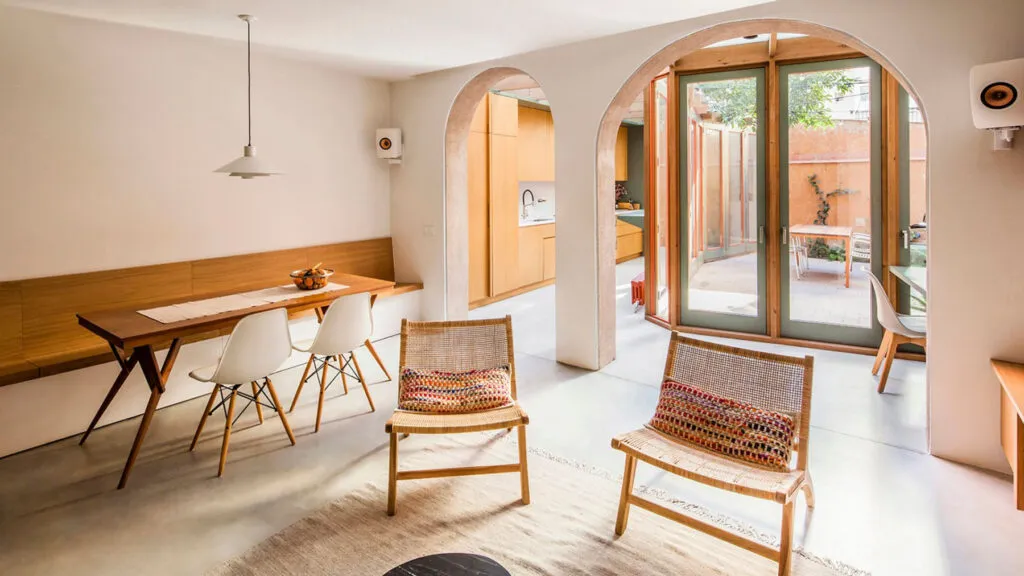
Two doors between the living room and the bedroom. That is the whole arithmetic, and that is what you lose...

Kitchen in its own room, living room separate, dining room a third, and corridors between them. The architect knocked down...
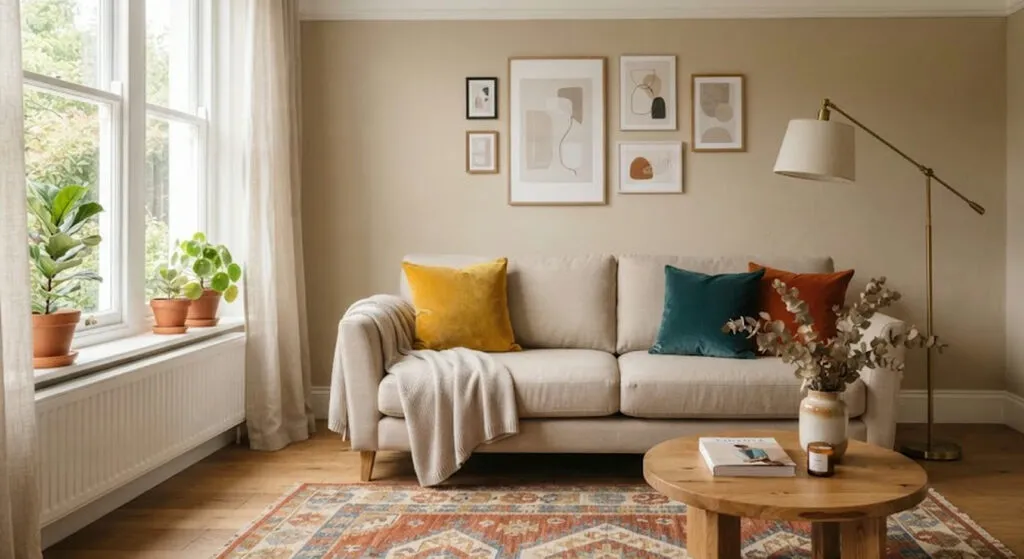
Interior designers have one formula to stop a home ending up either as a catalogue or as a storage unit....
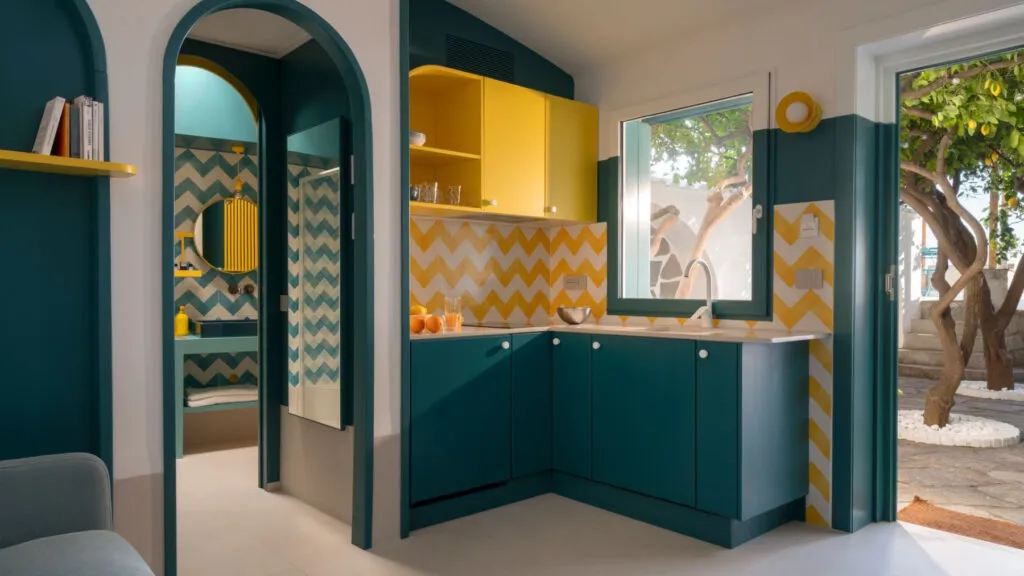
A forgotten flat in Posillipo, two colours taken from the fishing boats and the lemons outside, and furniture in which...
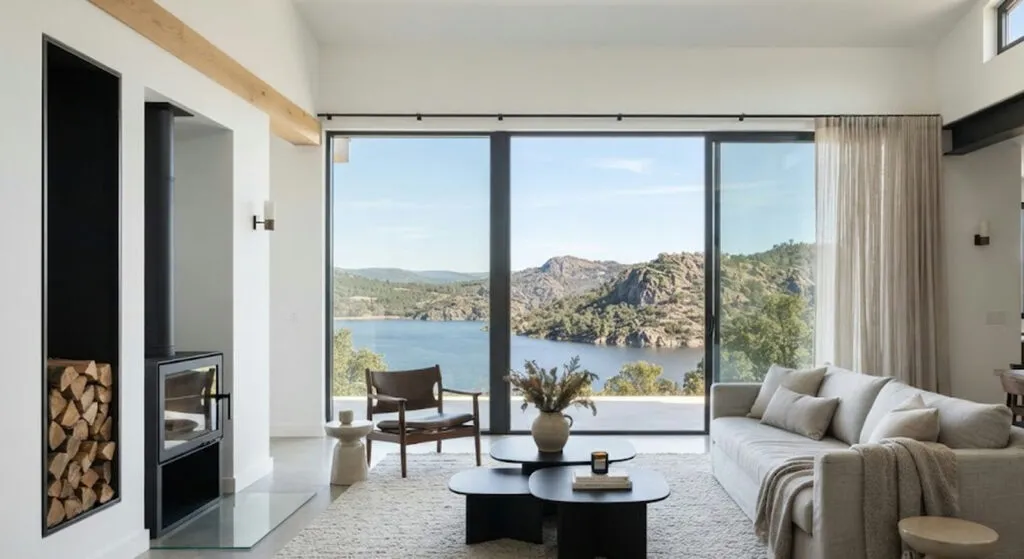
Three hundred square metres, four bedrooms and one decision that dictated every one after it: the view of the water.
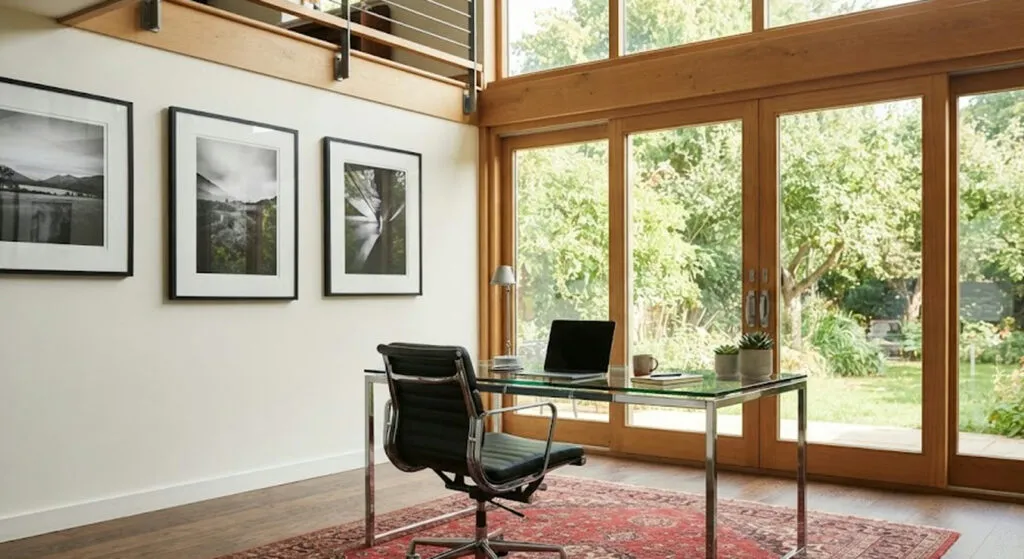
Double height, a Persian rug under the chrome and a bookshelf beneath the window. Three solutions at completely different prices,...
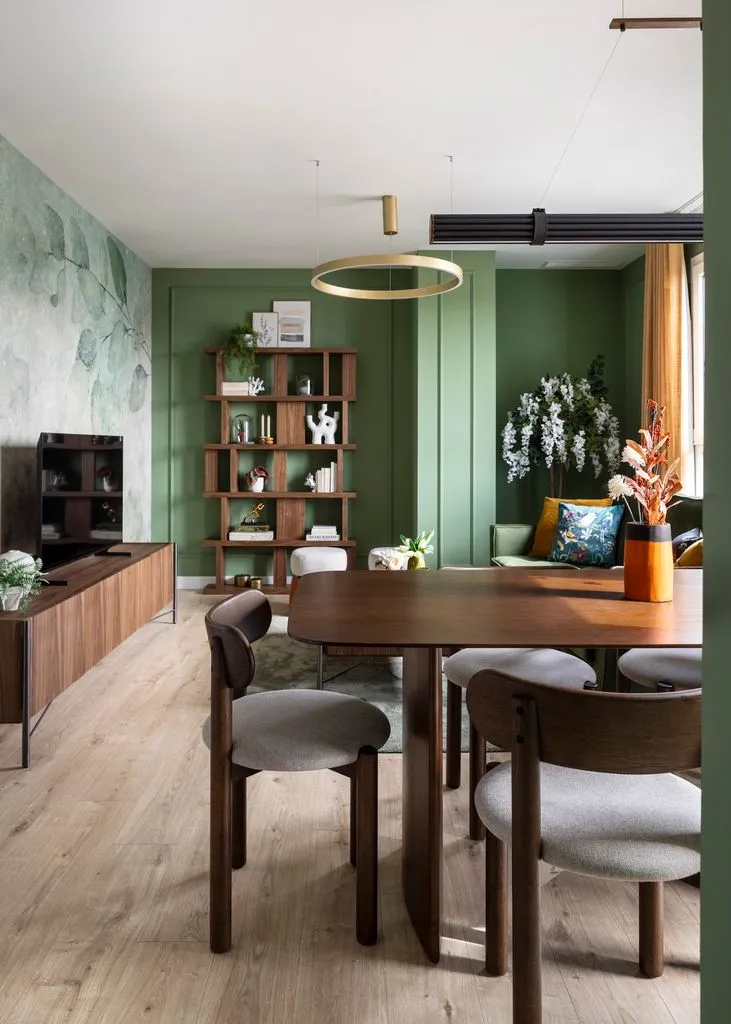
Four things change a home - walls, light, doors and floor. Everything else comes later, and demolition is last on...
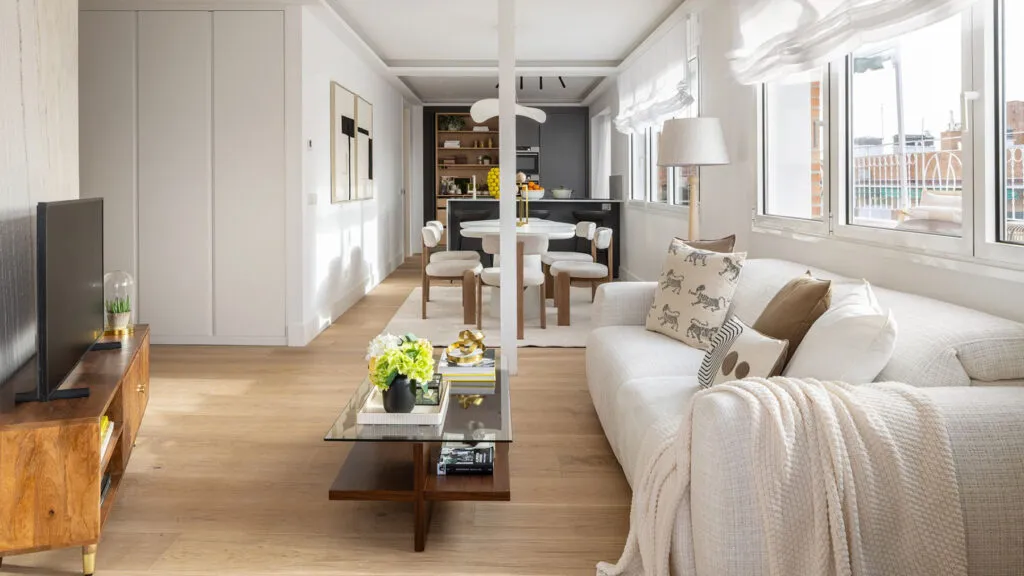
Order, calm and light - not one of the three costs money. What costs is the decision not to fill...
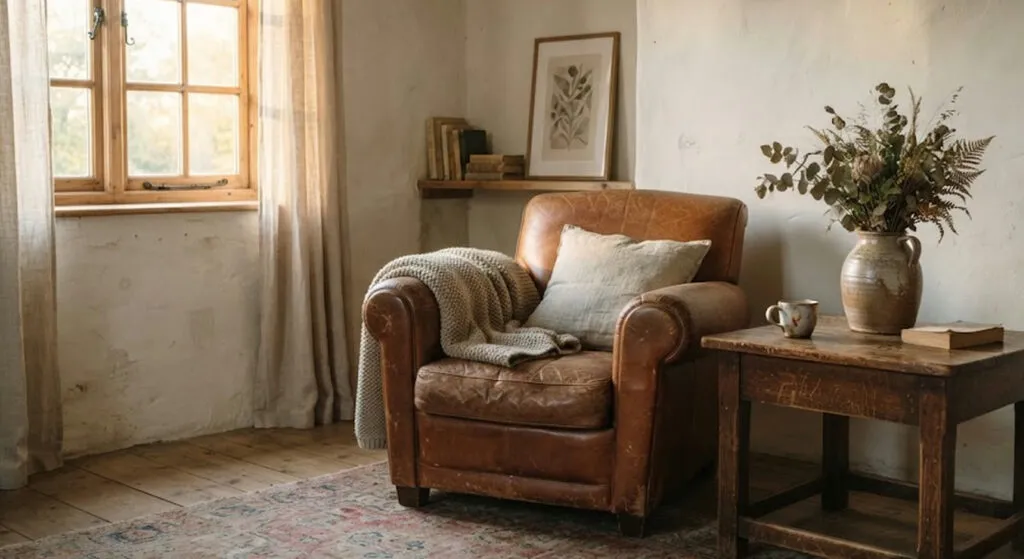
An interior designer describes found luxury - objects with a biography, visible wear and materials that improve with time. Here,...
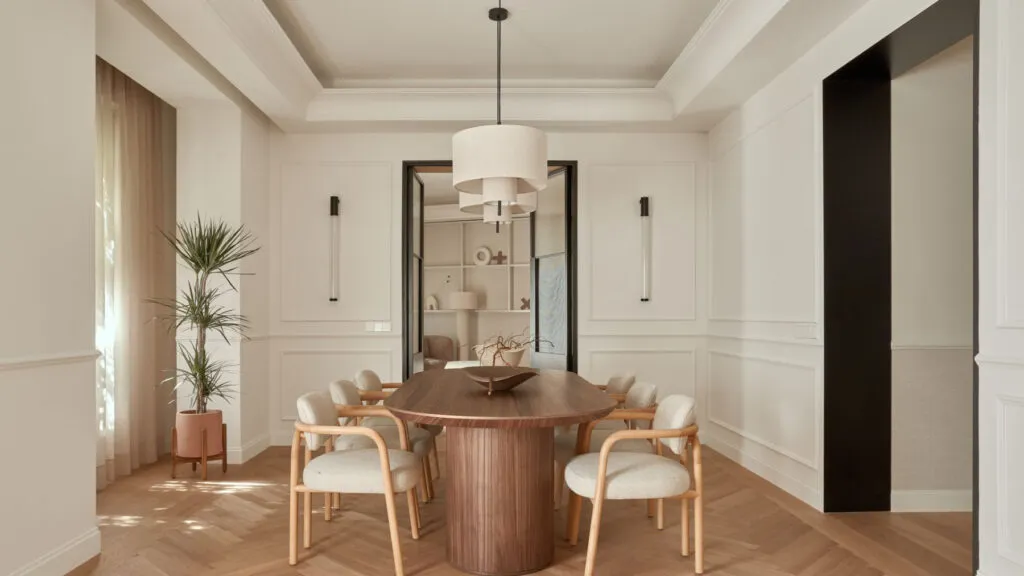
Here a renovation starts with the sentence "since we're starting anyway, let's do everything" - and that is where the...
This site uses cookies - is that okay? Learn more
Be the first to know when Metla launches something new
Leave your email and we will write when there is a new guide or something new on Metla.